
 By
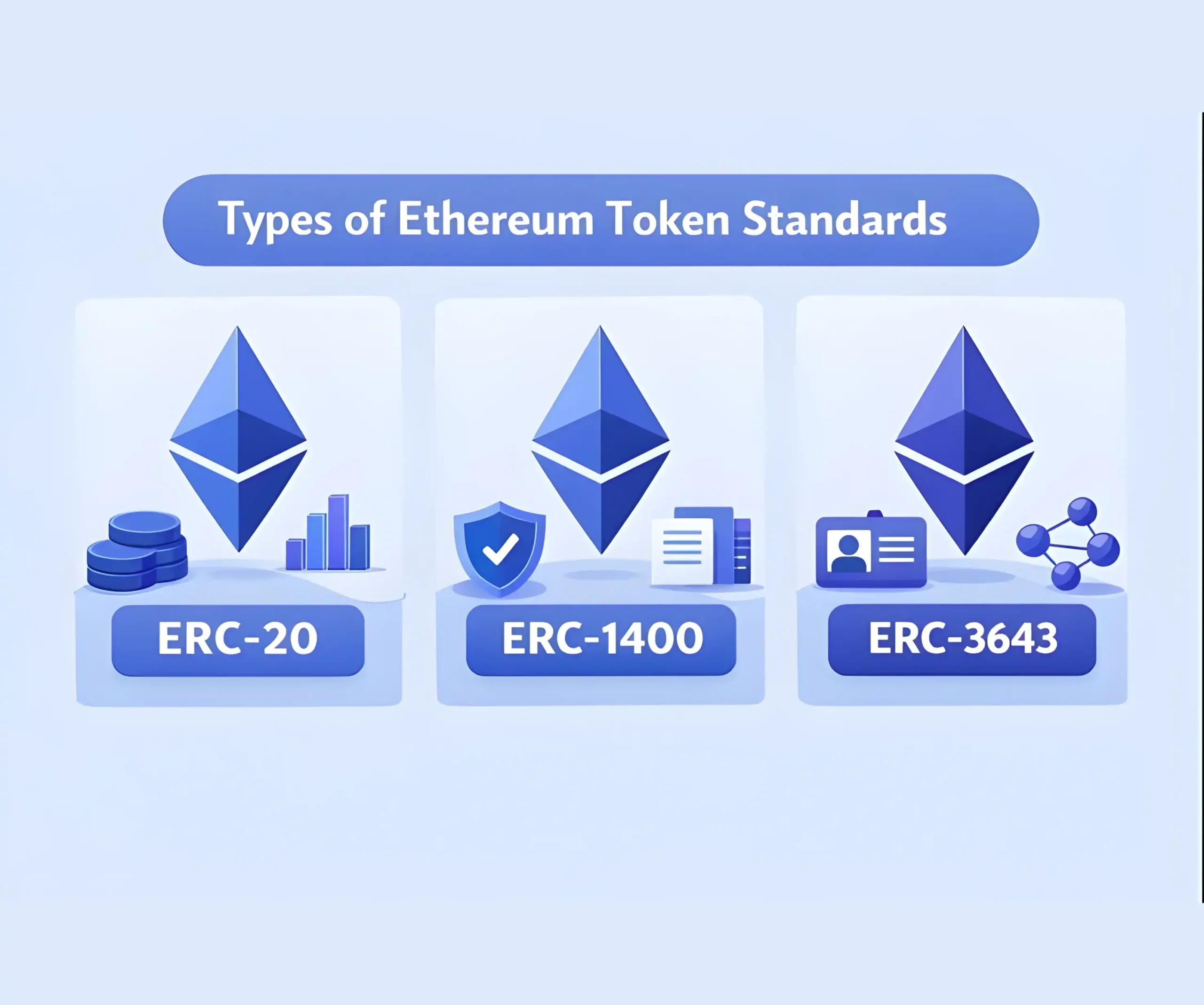
So, you want to tokenize assets, huh? It’s a big issue these days to convert property or assets into digital currencies. However, not all tokens are made equal. We have the old trusty ERC-20 and the newer, more advanced ERC-1400. deciding between them is like to deciding between a basic bicycle and an expensive sports car: both will get you someplace, but one is designed for speed and the other for negotiating challenging routes.
Understanding The ERC-20 Standard
When we talk about tokens on Ethereum, ERC-20 is usually the first one that comes to mind. It’s been around since 2015 and basically set the blueprint for most tokens you’ll encounter. Think of it as the original standard for creating fungible tokens, meaning each token is identical and interchangeable, just like dollars or euros. If you’ve ever used cryptocurrencies like Chainlink or even many governance tokens, you’ve interacted with ERC-20.
What makes ERC-20 so popular is its simplicity. It defines a core set of six functions that any token must implement:
totalSupply(): Shows the total number of tokens in existence.balanceOf(address _owner): Tells you how many tokens a specific address holds.transfer(address _to, uint256 _value): Allows you to send tokens to another address.approve(address _spender, uint256 _value): Lets you give another address permission to spend your tokens (up to a certain amount).allowance(address _owner, address _spender): Checks how much a spender is still allowed to take from an owner.transferFrom(address _from, address _to, uint256 _value): Used by a spender to move tokens from the owner’s account to their own, after being approved.
This straightforward design makes it easy for developers to build new tokens and for wallets and exchanges to support them. It’s efficient in terms of gas costs and requires minimal code overhead, which is why it’s still a go-to for many projects, especially those focused on utility or basic DeFi applications.
The ERC-20 standard is more than just a technical specification; it is the foundation of a vast ecosystem. Because it has been embraced by so many applications and platforms, there is a wealth of tooling, developer support, and user familiarity built around it. This implies that if you create an ERC-20 token, you can be quite certain that it will work with most Ethereum wallets, decentralized exchanges (DEXs), and other DeFi protocols right out of the box. This broad interoperability considerably reduces the barrier to entry for new projects and facilitates user interaction with these tokens.
ERC-1400 For Compliant Assets
While ERC-20 provided a framework for digital tokens, it rapidly became evident that it was insufficient for assets that required additional regulations. Consider stocks, bonds, and even interests in a private corporation. These aren’t simply ordinary digital currency; they come with a slew of regulatory obligations and restrictions. That’s where the ERC-1400 comes in, created expressly for these more complicated, regulated assets.
Designed for Security Tokens
ERC-1400 was built from the ground up with security tokens in mind. It’s like ERC-20’s more responsible older sibling, equipped with features that allow for built-in compliance. This means that rules about who can hold a token, where they can hold it from, and even when they can sell it can be programmed directly into the token itself. This is a huge deal for financial institutions and projects dealing with assets that fall under securities regulations.
Partitioned Balances and Document Anchoring
One of the neat tricks ERC-1400 has up its sleeve is the ability to manage “partitioned balances.” Imagine a single token contract that can represent different classes of shares in a company, each with its own set of rules. ERC-1400 can handle this, allowing for different categories of tokens within the same contract. It also supports “document anchoring,” which means you can link legal documents, like prospectuses or terms and conditions, directly to the token. This provides a clear, on-chain record of the legal agreements associated with the asset, making things more transparent for everyone involved.
Enabling Regulatory Integrity
Ultimately, ERC-1400 aims to bridge the gap between the innovative world of blockchain and the established requirements of financial regulation. By embedding compliance features directly into the token standard, it helps ensure that tokenized assets can operate within legal frameworks without needing complex, external layers of control. This makes it a much more robust option for issuing and managing security tokens and other regulated financial instruments on the blockchain.
Key Differences In ERC-20 Vs ERC-1400
So, we’ve talked about ERC-20 as the OG of token standards and ERC-1400 as this more sophisticated option. But what really sets them apart? It boils down to a few core areas, especially when you start thinking about regulated assets.
Compliance Readiness: Static vs. Dynamic
This is probably the biggest differentiator. ERC-20 is basically compliance-blind. It doesn’t have any built-in rules for who can hold or transfer tokens. Once a token is out there, it’s out there, and anyone can send it to anyone. This is fine for things like game tokens or simple utility tokens, but it’s a non-starter for anything that needs to follow financial regulations.
Read Also: The Role of Smart Contracts in RWA Tokenization
ERC-1400, on the other hand, was designed with compliance in mind. It allows for what we call ‘static rule enforcement.’ This means you can set rules when you deploy the token, like making sure only wallets that have passed KYC (Know Your Customer) checks can receive them, or enforcing lock-up periods. However, if you need to change those rules later, you usually have to update the smart contract itself. It’s a step up, but not quite as flexible as some newer standards.
Developer Ease and Tooling
When it comes to getting started, ERC-20 is incredibly straightforward. It’s like a universal language that almost every wallet, exchange, and developer tool understands. You can find tons of libraries, tutorials, and pre-built code to get an ERC-20 token up and running pretty quickly. It’s the ‘plug-and-play’ option.
ERC-1400 is a bit more involved. While its ecosystem is growing, it’s still more niche. Developers might need to spend more time digging into the documentation, potentially customizing certain modules, and you won’t find quite as many community-backed tools readily available. It’s manageable, but there’s definitely a steeper learning curve compared to ERC-20.
Primary Use Cases
Given these differences, their main jobs are pretty distinct.
- ERC-20: Think of this for anything that doesn’t need strict regulatory oversight.
- ERC-1400: This standard shines when you’re dealing with assets that need to comply with financial regulations.
Tokenization Of Real-World Assets
So you have a building, a work of art, or perhaps a collection of rare wines. Traditionally, selling a piece of that property or a portion of that art collection included a plethora of paperwork, lawyers, and a lot of waiting. What if you could convert the real asset into digital tokens? That is where real-world asset (RWA) tokenization comes in, and it is completely changing the game.
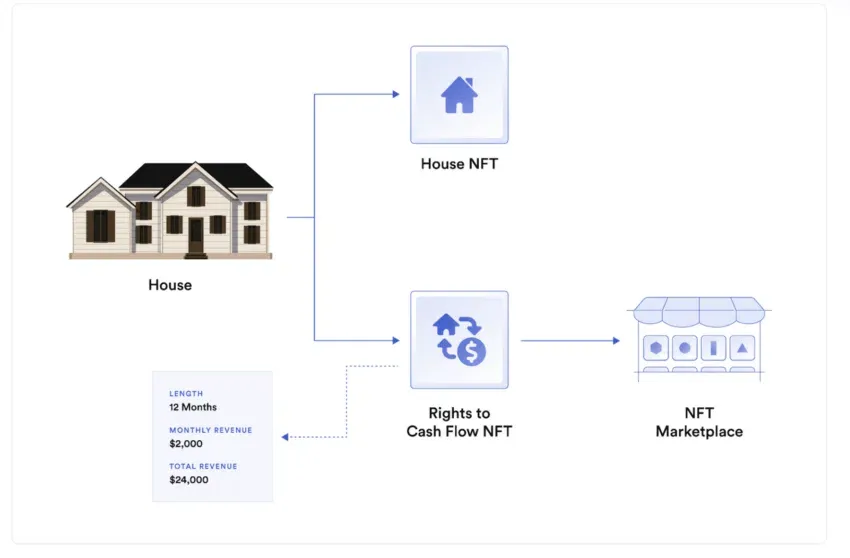
It involves taking something substantial, such as a property, and establishing digital representations of its ownership on a blockchain. Imagine chopping a large pizza into smaller, more manageable pieces. Each token symbolizes a slice, and buying, selling, and trading individual slices is considerably easier than selling the entire pizza at once.
This makes high-value stuff, which was once only accessible to the super-rich, available to a lot more people. It’s a big deal for making markets more open.
Enhancing Liquidity and Accessibility
One of the biggest headaches with traditional assets like real estate or fine art is liquidity. It can take months, even years, to sell a property or a valuable painting. Tokenization fixes this. By dividing an asset into many small tokens, you create a much larger pool of potential buyers. This means you can sell your piece of the asset much faster, and often at a better price, because you’re not limited to just a few wealthy individuals. It’s like going from a private sale to a bustling marketplace. This increased ease of trading is a major reason why people are excited about tokenizing assets. You can explore blockchain investments on these RWA token sale platforms.
Diverse Asset Classes for Tokenization
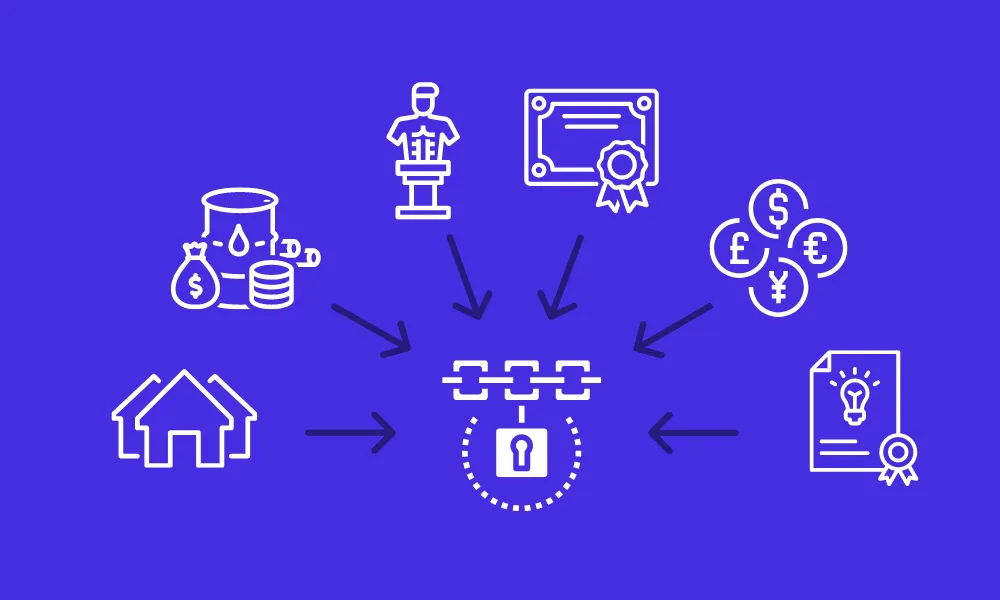
It’s not just about buildings and paintings anymore. The list of assets being tokenized is growing all the time. We’re seeing things like:
- Real Estate: From apartment buildings to commercial spaces, fractional ownership is making property investment accessible.
- Art and Collectibles: High-value art, rare wines, and even vintage cars can be tokenized, allowing multiple people to own a share.
- Commodities: Gold, silver, oil, and agricultural products can be represented as tokens, simplifying trading and storage.
- Financial Instruments: Bonds, private equity, and even future revenue streams are being turned into tokens.
This variety means that almost any asset with a clear value and ownership can potentially be tokenized, opening up new investment avenues.
The Role of Smart Contracts
Smart contracts are the engine behind tokenization. These are self-executing contracts with the terms of the agreement directly written into code. They live on the blockchain and automatically handle things like issuing tokens, managing ownership records, and executing transfers when certain conditions are met. This automation cuts out a lot of the middlemen, like brokers and administrators, which saves time and money. It also makes the whole process more transparent because the rules are clear and visible to everyone involved.
Advanced Standards Beyond ERC-1400
While ERC-1400 was a big step forward for compliant tokens, the world of blockchain doesn’t stand still. As more complex financial instruments and real-world assets get tokenized, the need for even more sophisticated standards has become clear. Think of it like upgrading from a basic flip phone to a smartphone – you get more features and better integration with everything else.
The Emergence of ERC-3643
One of the most talked-about advancements is ERC-3643, often called the T-REX standard. It really doubles down on the idea of compliance being built-in from the ground up. Unlike earlier standards where compliance might be layered on top, ERC-3643 makes it a core part of how the token works. This is super important for institutional investors and regulated markets where rules about who can hold what, and where, are non-negotiable. It’s designed to handle things like Know Your Customer (KYC) and Anti-Money Laundering (AML) checks directly within the token’s logic.
This means a token can automatically know if a transfer is allowed based on the holder’s verified identity and jurisdiction. It’s a big deal for making sure that tokenized securities and other regulated assets can actually function in the real world without running afoul of the law. You can find more details about this standard at ERC-3643.
Modular Compliance and Identity Management
What’s really neat about newer standards like ERC-3643 is their modularity. Instead of a one-size-fits-all approach, they allow for different compliance rules and identity checks to be plugged in as needed. This is like having a toolkit where you can pick the right wrench for the job. For example, a token representing shares in a company might have different rules than a token representing a piece of real estate.
This modular design means standards can adapt to a wider range of assets and regulatory environments without needing a complete overhaul. It also makes it easier to manage investor identities. Instead of each token issuer having to build their own identity verification system, a standardized, portable identity layer can be used. This makes the whole process more efficient and secure, reducing the chances of errors or fraud. It’s all about making sure the right people can interact with the right assets, no matter where they are.
Future Trends in Token Standards
Looking ahead, we’re likely to see even more specialization and interoperability. Standards will probably become more focused on specific asset classes or functionalities, while also getting better at talking to each other. Imagine a future where a tokenized stock can be easily traded on a decentralized exchange, then used as collateral in a DeFi lending protocol, all while maintaining its regulatory compliance. That’s the goal. We might also see more general-purpose standards emerge that act as building blocks for more specific ones, like standards for on-chain data containers.
The key will be balancing the need for robust features with the simplicity required for widespread adoption. The evolution of these standards is directly tied to the growth of tokenized real-world assets, which some predict could reach trillions of dollars in value. The ability to trade these assets more easily is a major driver, and new standards are key to making that happen token trading.







Comments