
 By

Rare earth elements (REEs) are a collection of 17 chemically related metallic elements that are required for the operation of a wide range of modern technologies, infrastructural systems, and renewable energy solutions. The 15 lanthanides—lanthanum, cerium, praseodymium, neodymium, promethium, samarium, europium, gadolinium, terbium, dysprosium, holmium, erbium, thulium, ytterbium, and lutetium—as well as scandium and yttrium, which have similar chemical properties and frequently occur together in mineral deposits, are included in the definition of rare earth elements.
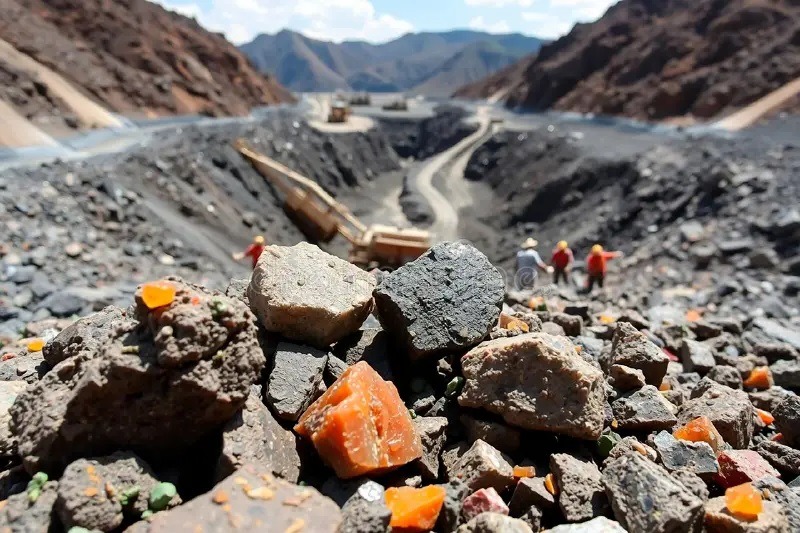
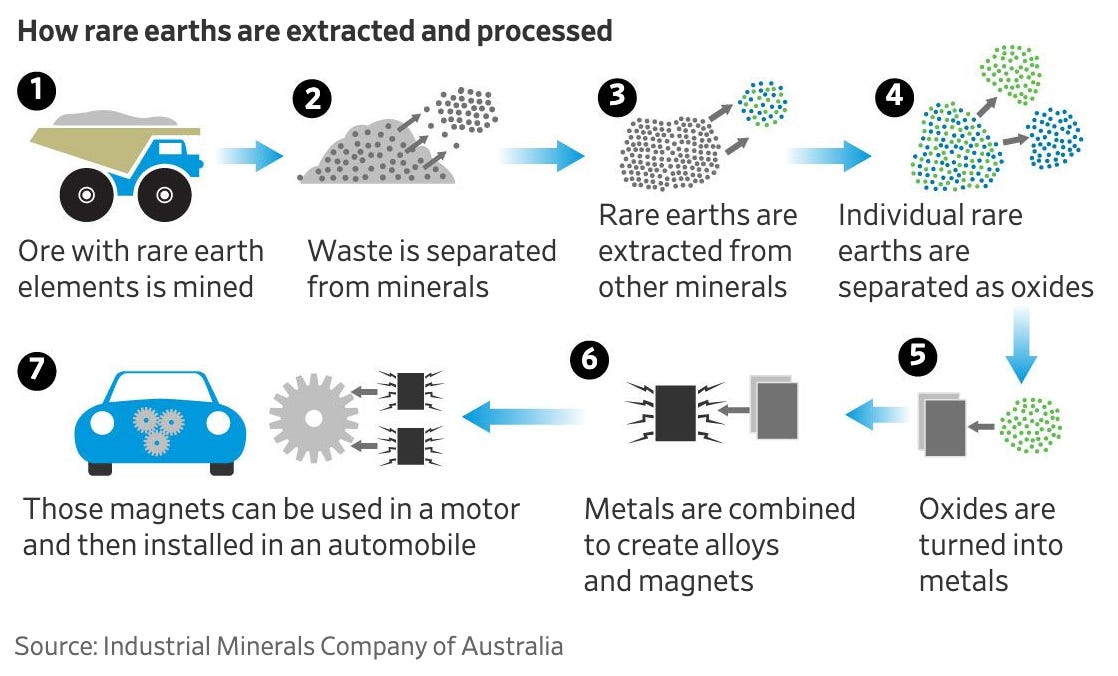
Despite their name, REEs are not uncommon in the Earth’s crust. They are rather plentiful, but are classified as “rare” because they are rarely discovered in economically useful concentrations. The chemical closeness of these elements makes extraction, refining, and separation extremely difficult, necessitating numerous steps of sophisticated processing.
Critical Minerals in 5G Technologies
The fifth-generation mobile network (5G) is a watershed moment in technology, supported by a complex ecosystem of key minerals essential to its transformational powers. As the United Kingdom and worldwide economies shift toward more advanced telecommunications infrastructure, the strategic relevance of these minerals has never been greater.
The deployment of 5G technologies is inextricably linked to a sophisticated mineral supply chain that includes rare earth elements, technology metals, and strategic resources, which are not just components, but the very foundation of next-generation communication technologies, allowing for unprecedented data transmission speeds, network reliability, and technological advancement.
We investigate the complex relationship between vital minerals and 5G infrastructure, looking at the geological, geopolitical, and technological factors that influence our changing digital landscape. From semiconductor foundations to innovative materials that enable high-frequency communications, each mineral is critical in determining the performance, efficiency, and sustainability of 5G networks.
Understanding the mineral prerequisites of 5G becomes increasingly important as the global economy accelerates its digital transformation. Minerals driving this technological revolution range from lithium and silicon to rare earth elements like neodymium and dysprosium in the complex geopolitical and economic chessboard of modern telecommunications.
How Rare Earth Elements Are Powering a Global Transformation
Rare Earth Elements (REEs) are a collection of 17 chemically related elements that have proven critical to modern technology and the global economy. REEs are the hidden heroes of innovation and sustainability, driving everything from cellphones and electric vehicles to wind turbines and defense systems. As the globe focuses on clean energy, digital transformation, and geopolitical stability, the Rare Earth Elements market is rapidly changing.
The Backbone of Modern Technology
Rare Earth Elements include the lanthanide series along with scandium and yttrium. Despite their name, these elements are relatively abundant in the Earth’s crust but are rarely found in economically exploitable concentrations. Their unique magnetic, luminescent, and electrochemical properties make them essential in high-performance applications.
Neodymium and praseodymium, for instance, are key components in the powerful magnets used in electric vehicle motors and wind turbines. Europium and terbium are used in lighting and displays, while cerium and lanthanum find use in catalysts and optical applications. This broad utility underscores their strategic importance in a tech-driven world.
Global Market Overview
The Rare Earth Elements Market size was valued at USD 9,140.6 Million in 2024. The Rare Earth Elements Market industry is projected to grow from USD 10,417.5 Million in 2025 to USD 33,898.0 Million by 2035, exhibiting a compound annual growth rate (CAGR) of 12.1% during the forecast period (2025-2035).
Read Also: Investing in Rare-Earth Stocks: Which Companies Are Leading the Pack
Government initiatives and private sector investments in the United States, Canada, Australia, and Africa are reshaping the competitive landscape. For example, Australia’s Lynas Rare Earths has emerged as a major non-Chinese supplier, while the U.S. government has classified REEs as critical minerals, incentivizing domestic production.
Drivers of Growth
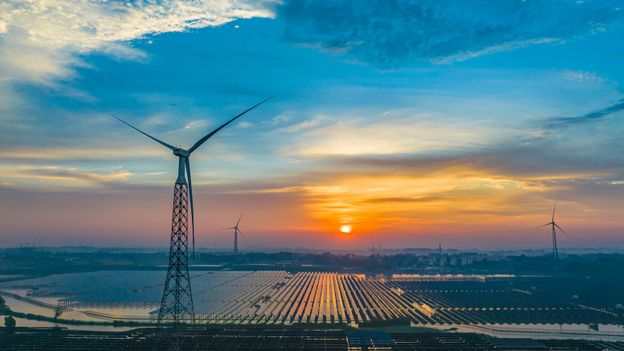
Several factors are propelling the expansion of the Rare Earth Elements market. The electrification of transportation is perhaps the most significant. With EV adoption soaring globally, demand for neodymium-iron-boron magnets is expected to surge. Similarly, wind power is driving the need for REEs in turbine generators.
The digital economy, with its reliance on high-performance computing, 5G infrastructure, and advanced electronics, is another key driver. Moreover, defense and aerospace applications, where REEs are used in guidance systems, lasers, and communication devices, are reinforcing their strategic importance.
Recent developments in clean energy policies and climate goals have also accelerated investments in REE-intensive technologies. Countries are now prioritizing supply chain resilience and sustainability, further boosting demand for rare earths.
Supply Chain Challenges
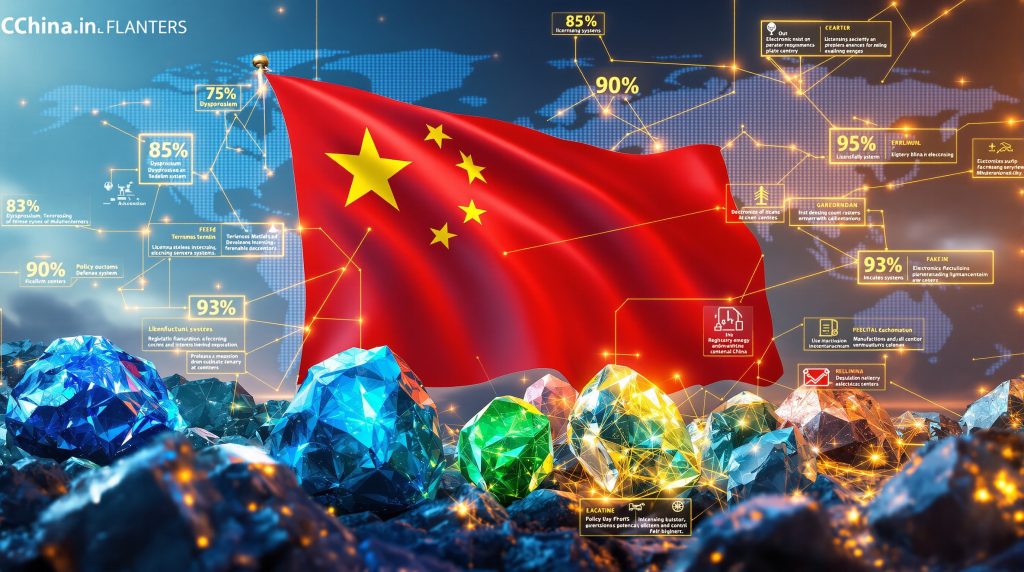
Despite their growing importance, the Rare Earth Elements market is fraught with supply chain vulnerabilities. China’s near-monopoly on REE processing has raised alarms over geopolitical risks. Trade tensions and export restrictions have, in the past, disrupted global supply and sent prices soaring.
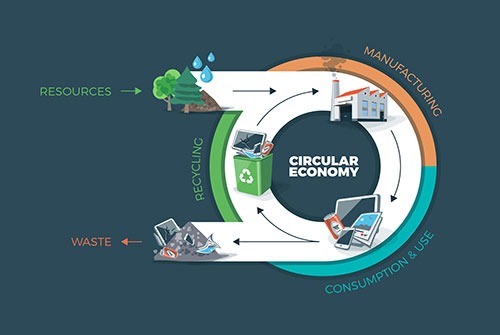
Environmental concerns also plague the industry. REE mining and processing are resource-intensive and can produce toxic by-products. The lack of sustainable mining practices and recycling infrastructure poses significant ecological challenges. These issues are prompting a shift toward circular economy models, where REE recovery from electronic waste is gaining traction.
Technological Innovations
Innovation is playing a critical role in shaping the future of the #REE industry. New extraction and separation technologies are being developed to reduce environmental impact and improve yield. For example, researchers are exploring bioleaching and membrane-based processes as greener alternatives to traditional solvent extraction.
Advancements in material science are also enabling the development of REE-free or REE-efficient technologies. While complete substitution remains challenging due to the unique properties of REEs, progress is being made in reducing dependence on the most critical elements.
Moreover, AI and machine learning are being leveraged to optimize exploration, mining, and processing operations, making them more efficient and cost-effective. These technologies are expected to enhance supply chain transparency and reduce risks.
Regional Dynamics
While China remains the dominant player, other regions are stepping up their game. The United States has launched several initiatives to build a domestic REE supply chain, including partnerships with mining companies and investments in research.
Australia continues to expand its mining and processing capabilities, with Lynas leading the charge. Canada is also investing in REE projects, particularly in the provinces of Quebec and Newfoundland.
In Africa, countries like Madagascar and Tanzania are attracting investment for their untapped REE reserves. Meanwhile, the European Union is pursuing a Raw Materials Alliance to secure access to critical minerals, including rare earths.
Policy and Regulatory Landscape
Governments around the world are enacting policies to secure REE supply chains. The U.S. Defense Production Act has been invoked to support domestic mining and processing. The EU has included rare earths in its list of critical raw materials and is funding research and recycling initiatives.
Environmental regulations are also tightening, pushing companies to adopt cleaner technologies. ESG (Environmental, Social, and Governance) considerations are becoming central to investor decisions, making sustainability a competitive advantage in the REE sector.
Outlook and Future Trends
Looking ahead, the Rare Earth Elements market is poised for robust growth, driven by clean energy transitions, technological innovation, and strategic policy interventions. The race to decarbonize the global economy will continue to fuel demand for REEs in renewable energy and electric mobility.
The industry is also expected to witness greater vertical integration, with companies moving downstream into refining and magnet production. Collaborative efforts between governments, academia, and industry will be crucial in overcoming supply chain bottlenecks and environmental hurdles.
Recycling and urban mining will gain prominence, offering a sustainable alternative to virgin extraction. Additionally, continued R&D in alternative materials may eventually reduce the pressure on certain critical REEs.




Comments