
 By
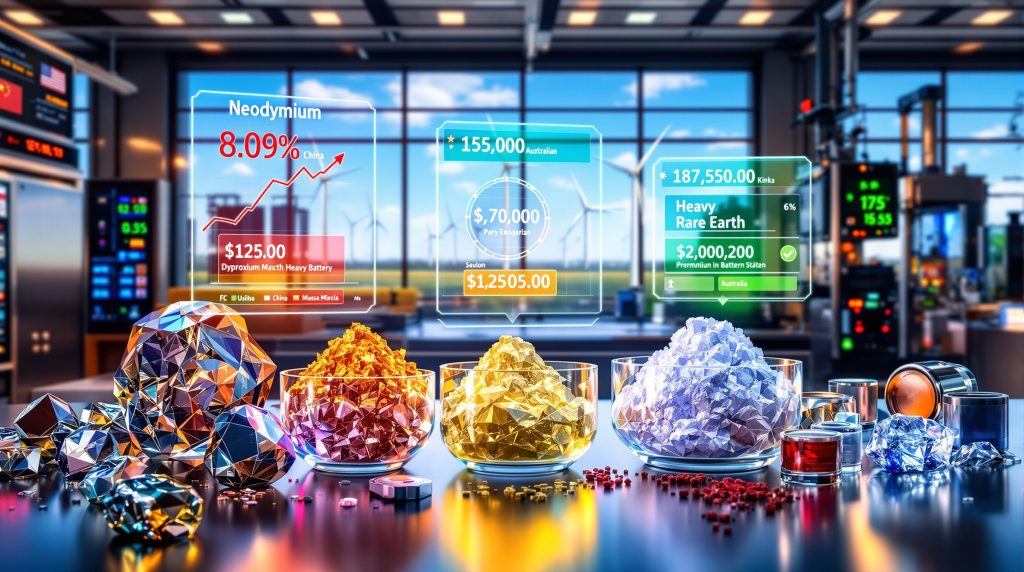
According to statistics from early 2025, the global rare earth elements (REE) market is transitioning from oversupply-induced price declines (2023-2024) to a more balanced, albeit volatile, condition with an upward price trend. The market, driven by essential need for permanent magnets in electric vehicles (EVs) and renewable energy, is likely to see higher NdPr (Neodymium-Praseodymium) pricing due to restricted supply, with substantial strategic investments in non-Chinese supply chains.
The global rare earth metals market was valued at USD 4.13 billion in 2025 and is expected to grow from USD 4.55 billion in 2026 to roughly USD 10.83 billion by 2035, indicating a 10.12% CAGR from 2026 to 2035. The global adoption of electronic cars, as well as the growing demand for smart technologies that require permanent magnets derived from rare earth metals, are the primary drivers of the rare earth metals market.
In the emerging era of AI, the rare earth metals market is no exception, and it is unaffected by the waves caused by AI in the worldwide market. AI is transforming the rare earth metals industry in unprecedented ways by improving the efficiency of earth exploration and mining processes, as well as searching for new metals or rare earth elements through predictive analytics. AI-powered solutions enable a more precise and cost-effective detection method for rare earth resources. AI can also help improve the refinement process by predicting equipment breakdowns and their causes, so optimizing resource allocation, increasing overall productivity, and reducing negative environmental effect.
What is the Rare Earth Metal?
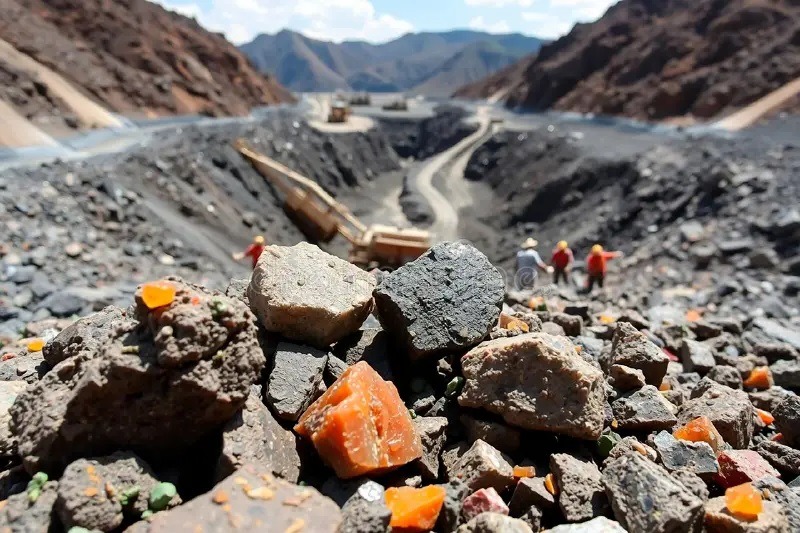
The rare earth metals market is witnessing significant growth, driven by rising demand across high-tech industries such as electronics, renewable energy, and electric vehicles. These metals, which include neodymium, dysprosium, and terbium, are crucial for manufacturing permanent magnets, batteries, and advanced alloys. The market is dominated by China, which controls over 80% of global production and refining capacity, creating supply chain vulnerabilities. Efforts to diversify sources and increase recycling are gaining momentum.
Read Also: How Recycling Is Shaping a Circular Rare‑Earth Economy – Innovations and Challenges
Technological advancements and governmental policies promoting green energy are key growth drivers. However, environmental concerns associated with mining and processing rare earth metals pose challenges.
Rare Earth Metals Market Growth Factors
- Increased use in electronics, renewable energy, and adoption of EVs across the globe.
- Rare earth elements are a vital part of manufacturing the strong permanent magnets required in the production of motors and generators.
- It’s crucial in battery production with advanced technologies.
- Initiatives like green energy, low carbon emission, promoting the use of renewable energy sources, and policies supporting such initiatives are fuelling market growth.
- Growing adoption of E vs. market globally increases the need for rare earth metals as they are required in the production of batteries and motors.
- Efforts made by major industries to reduce the reliance on China while exploring new locations for mining and recycling.
- Supportive regulations and government policies for metal mining and its processing.
- Rising applications of metals in the military sector and defense sector.
- increasing focus on climate-friendly energy resources and their wide applications with sustainable practices fuels the rare earth metals market.
Market Outlook
- Industry Growth Overview: The increasing demand from the sectors of clean energy, electronics, and defense has been one of the main drivers of the rare earth metals market growth.
- Sustainability Trends: The practices of recycling, advanced extraction, and responsible supply chains are now gaining priority in the global markets.
- Global Expansion: The companies engaged in mining and processing are no longer concentrating only on the Chinese market, but new locations for these activities are being established.
- Major Investors: MP Materials, Lynas Rare Earths, Iluka Resources, and China Northern Rare Earth Group High-Tech Co., Ltd., among others, are the companies that have invested most heavily in the sector.
Market Scope
| Report Coverage | Details |
| Market Size by 2035 | USD 10.83 Billion |
| Market Size in 2025 | USD 4.13 Billion |
| Market Size in 2026 | USD 4.55 Billion |
| Market Growth Rate from 2026 to 2035 | CAGR of 10.12% |
| Largest Market | Asia Pacific |
| Base Year | 2025 |
| Forecast Period | 2026 to 2035 |
| Segments Covered | Type, Applications, and Regions |
| Regions Covered | North America, Europe, Asia-Pacific, Latin America and Middle East & Africa |
Rising demand from different industries
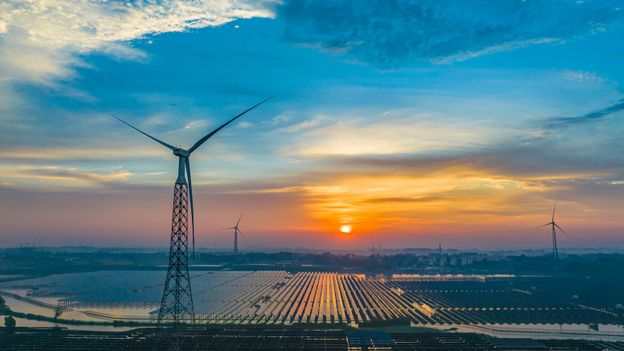
The significant driving factor for the growth of the rare earth metals market is the increasing demand for metals and earth elements from various industries to manufacture the products efficiently. These earth metals are mandatory and crucial, too, in the production of various electronic devices such as smartphones, gadgets, laptops, desktops, and highly advanced medical machinery/equipment. They are essential for manufacturing the permanent magnets used in wind turbines and electric vehicle motors.
The global shift towards smart technologies and digitalization continues to accelerate the demand for metals, thus driving the global market. With the increasing adoption of renewable energy sources and electric vehicles on a large scale, the need for metals is further amplified and boosts the rare earth metals market growth globally.
- In April 2025, Solvay launches a rare earth processing expansion amid China restrictions. Solvay, which also makes chemicals like soda ash and specialty polymers utilized in cars and airplanes, will initially focus its rare earth expansion on two elements required to make super-strong magnets that power electric vehicles and wind turbines – neodymium and praseodymium.
Opportunities
- Recycling and sustainable practices
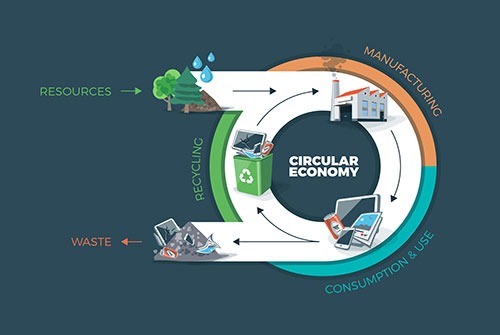
As environmental concerns around mining intensify, the rare earth metals market has significant opportunities in recycling and sustainable practices. Developing efficient recycling technologies can recover valuable metals from electronic waste, reducing dependency on primary mining. This not only helps in addressing environmental issues but also stabilizes supply chains. Companies investing in sustainable extraction methods and eco-friendly processing technologies can gain a competitive edge, meeting regulatory requirements and consumer demand for greener products. This focus on sustainability opens up new avenues for growth and innovation in the market.
- Geographical diversification of supply
Diversifying the geographical sources of rare earth metals presents a major opportunity for the rare earth metals market. Currently, China dominates production, leading to supply chain vulnerabilities. Investing in the exploration and development of rare earth deposits in other regions, such as the United States, Australia, and Africa, can mitigate risks associated with over-reliance on a single source. This diversification not only enhances global supply security but also fosters competitive pricing. Companies and governments collaborating on these initiatives can unlock new reserves, ensuring a more resilient and stable supply for high-tech and green energy industries.
Final Thoughts
Key players operating in the Global Rare Earth Metals Market include China Northern Rare Earth Group, Lynas Rare Earths, MP Materials, Iluka Resources, Arafura Resources, Alkane Resources, Ucore Rare Metals, Rare Element Resources, Texas Mineral Resources, Avalon Advanced Materials, Greenland Minerals, Rainbow Rare Earths, Defence Metals Corp., Neo Performance Materials, and China Minmetals Rare Earth Co. Ltd.
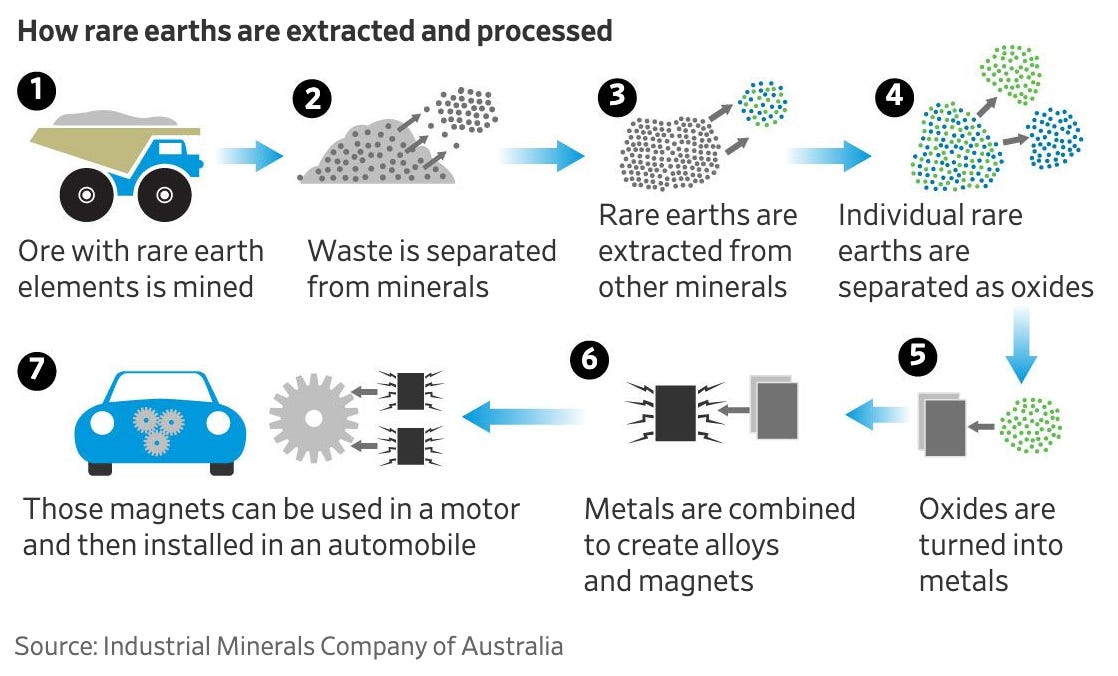
Companies in the rare earth metals market are strengthening their market position by expanding mining capacities, developing advanced separation technologies, and enhancing value-added processing to reduce reliance on external suppliers. Many firms are focusing on long-term supply agreements with EV manufacturers, wind turbine producers, and electronics companies to secure stable revenue streams. Innovation in recycling technologies is also gaining momentum, enabling companies to reclaim rare earths from magnets, batteries, and electronic waste, lowering environmental impact and improving supply resilience.





Comments