
 By
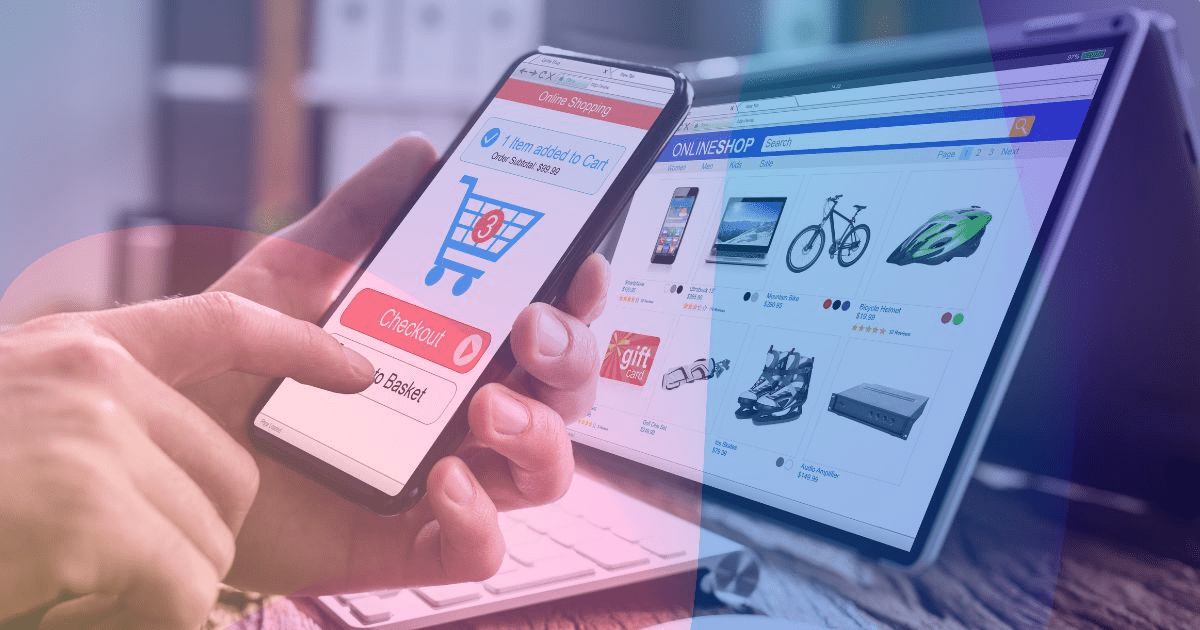
There is a solid reason why ecommerce apps are so popular. With a few key features—push notifications, a shopping cart, numerous payment choices, and customer support—these applications make it easy for customers to spend their time (and money) with your company.
Beyond that, a dedicated mobile app may help ecommerce businesses enhance visibility, revenue, and brand loyalty at the push of a button.
While online businesses once had to worry about mobile-responsive design to attract mobile customers, they are now branching out into ecommerce applications. Nearly nine out of ten individuals have a mobile shopping app on their phone, and nearly one-third prefer to shop this way over in-store or on a mobile or desktop website.
An ecommerce software with an intuitive and highly practical design can help online shops increase sales. Furthermore, that coveted place on a customer’s home page and alerts screen can provide additional marketing opportunities while also fostering brand loyalty.
What is an eCommerce App?
An ecommerce app, also known as a mobile commerce app, is a type of software that allows clients to explore and buy things from an ecommerce business.
Mobile commerce apps benefit both business owners and their customers. Brands can better engage with customers in a dedicated place, while customers can customize and control their experience. And, owing to platforms like Shopify, the mobile app development process may be rather straightforward.
It’s important to note that an ecommerce app differs from social commerce, which is the practice of developing sales channels using social media, such as selling on Facebook or shopping on Instagram. While social commerce is a developing and significant trend, the phrase “ecommerce app” refers to a specialized piece of software connected with a certain brand.
Top 5 Reasons To Have An App For Your E-Commerce
By offering a simple and secure checkout procedure, the Mobile app development Team can reduce cart abandonment and increase conversion rates. A mobile app can provide a number of benefits to your eCommerce firm.
Consumers Prefer to Shop Through Mobile Apps
Internet buying is now easier than ever before, thanks to increased mobile traffic and the widespread usage of mobile payment apps. According to research, at least 79% of smartphone users have completed purchases with their smartphones; nevertheless, the exact number of mobile shoppers remains unknown.
Many clients choose mobile applications because they are easier to use, less expensive, and offer a better overall experience. To search for goods and services on their mobile device, users simply tap an icon.
Neglecting a mobile app for your online store will lose you a significant piece of the market and the best experience you can provide your customers.
Promotes Higher Revenue and Sales Growth
A well-designed e-commerce app increases revenue and sales by increasing customer engagement and loyalty. Customers can just tap their mobile devices to browse and shop whenever they want. Some e-commerce applications use mobile devices’ cameras, GPS, and sensors to provide innovative and cutting-edge functionality.
Customers can browse merchandise and take advantage of location-based improvements like extended reality (AR), which improves the whole shopping experience and boosts sales.
Increased Marketing Communication
An e-commerce business app allows for a more engaging and coordinated channel of communication between the company and its customers. Push notifications are an excellent way to remind and inform customers about updates, sales, the debut of new products, and other promotional activities.
Personalizing push notifications for customers based on their interface, behavior, and location can result in more relevant and exciting communication.
Read Also: The Impact of Mobile Commerce on Customer Experience
Targeted messaging is a feature that allows you to connect with users directly within the app while they are using it. Users can utilize the app’s social sharing facilities to share their favorite purchases, product ratings, and reviews on social networks.
It Provides a Customized Buying Experience
The mobile application may analyze a user’s browsing history, previous purchases, and activity to make personalized product recommendations that highlight items that match the user’s preferences.
Customers are more likely to find value in the app as a result of this concentrated approach, which also boosts customer satisfaction and provides them with a genuine understanding of the business.
Even within the mobile app, user preferences are kept, such as preferred payment methods, shipment addresses, and contact channels. This ensures that customers have a faster and more seamless shopping experience while also saving them time at the register.
Boosts the Conversion Rate
Another compelling reason to have a mobile app for your e-commerce company is higher conversion rates. A mobile app allows you to effortlessly capture real-time data on your users’ locations, interests, and demographics. Following that, you can use this information to adapt your experience to the fullest degree of customisation.
If your conversion rate is solely driven by mobile websites, you are missing out on a significant potential. The availability of a mobile application is critical to increasing conversions. Despite the apparent similarities between websites and mobile apps, conversion rates indicate a different picture.
Summary
Developing an ecommerce app benefits both business owners and consumers, regardless of the type of ecommerce app that best matches your business strategy. Here’s how.
- Speed. Ecommerce apps typically store their data locally on mobile devices, making them speedier and more user-friendly than their mobile web counterparts. Faster load times can lead to higher conversion rates and lower bounce rates—meaning customers are less likely to abandon their carts and business owners are more likely to increase their revenue potential with a speedy mobile app.
- Visibility. Having your ecommerce app on your customers’ home screens is a big win. And thanks to features like push notifications, online stores can reach their consumers wherever they are—even if they’re interacting with a different app. Push notifications are an easy way to encourage consumers to return to your app, especially if you use them to offer deals or exclusive discounts.
- Personalization. Ecommerce apps allow consumers to personalize their shopping experience, whether it’s saving their sizes or adding their favorite items to a wishlist. In exchange, business owners can get greater insight into what their customers want, and tailor real-time communication to a customer’s specific preferences.
As the year comes to a close, it is apparent that mobile apps are no longer an optional addition for businesses looking to flourish in the e-commerce industry. They provide the tools and capabilities needed to increase brand awareness, engage customers, and drive growth in a competitive industry.
Mobile applications are a critical component of the advanced e-commerce ecosystem because they have the potential to greatly improve income growth, customer loyalty, and brand awareness.








Comments