
 By
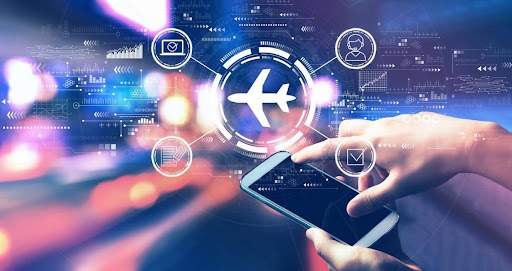
Technology significantly improves the travel experience by allowing for personalization through AI and data analytics, providing convenience through mobile apps, improving in-destination experiences with AR/VR and digital guides, providing seamless pre- and post-trip experiences, and promoting sustainable travel by reducing paper use and digitalizing processes. AI chatbots for support, digital maps and check-in, virtual reality for planning, and augmented reality for real-time guiding are among the key tools that are revolutionizing how people discover, book, and experience locations.
According to Brainy Insights, the global tourism industry is predicted to reach US$16.9 trillion by 2030, rising at a CAGR of 5.4% between 2022 and 2030. of. This paper emphasizes the importance of professionals in successfully sustaining this dynamic business. (1) This expansion creates opportunities for persons with the necessary experience and understanding. A major in tourism management can be a very rewarding path for personal and professional growth.
So, what precisely does technology mean in tourism? It goes beyond just having a website or using social media. It entails using technological breakthroughs to improve all part of the travel experience, from planning and booking to visiting the place and having a beneficial impact on the environment.
Essentially, travel technology refers to any invention that improves the way people plan, book, and enjoy their vacations. It serves as the foundation for travel and tourism, seamlessly integrating travelers, tourism agencies, and destinations.
The travel and tourism industry is undergoing massive digital transformation driven by several factors:
Changing travel expectations: Today’s travelers are tech-savvy and demand a convenient, personalised, and efficient travel experience. They rely heavily on technology to research, book and manage travel.
Increasing competition: Competition in the travel industry is fierce with numerous travel agencies, airlines, hotels, and destinations vying for customers. Technology helps businesses stand out by delivering unique and personalised experiences.
Data-driven decisions: Technology enables businesses to collect and analyse vast amounts of data on traveller behavior, preferences, and trends. This data can help them make more informed decisions about marketing, pricing, and product development.
Sustainability issues: Technology plays a vital role in promoting sustainable tourism by enabling efficient operations, reducing waste, and encouraging eco-friendly practices.
What is the Impact of Technology in Tourism?
The impact of technology in tourism is evident in all aspects of travel and tourism.
1. Enhance access and convenience
Advances in technology have significantly increased the accessibility and convenience of travel. Online platforms, travel apps and mobile payment solutions for booking trips have changed the way travellers plan and oversee their journeys.
2. Simplify the booking process
Travelers can now book flights, hotels, rental cars, and tours online with just a few clicks. These reservation systems are often integrated with travel agencies and airlines to provide instant availability and pricing information.
3. Provide personalised travel experience through data analysis
Technology allows travel companies to collect and analyse data about traveller preferences, allowing them to provide personalised recommendations, tailored itineraries, and targeted marketing campaigns.
4. Enhance business operations
Advances in technology have revolutionised the approach to travel business, thereby increasing efficiency and productivity.
- Effective marketing and distribution
Online marketing platforms and social media enable tourism companies to reach global audiences and effectively promote their products and services.
- Improve customer service and communication
Chatbots, live chat and online support systems provide fast and efficient customer service, resolving queries and providing 24/7 support.
- Achieving sustainable practices through technology
Technology enables businesses to adopt sustainable practices, reduce waste, optimise energy consumption, and promote responsible travel.
Read Also: Tourism: A Journey of Discovery, Connection, and Transformation
The travel and tourism industry is constantly changing, and new tech emerges all the time. Here are the latest:
| Travel Apps From booking flights to finding local attractions, travel apps have it all. | AI Chatbots Chatbots are getting smarter, providing real-time customer support, answering questions, and giving recommendations. |
| Contactless Check-In Hotels are going contactless, using mobile apps or self-service kiosks to check-in. | Contactless Payments Travelers can now use contactless payment methods like Apple Pay and Google Pay to pay for flights, hotels, and other travel expenses. |
| AR and VR Augmented reality (AR) and virtual reality (VR) are changing the way we explore destinations. Virtual tours allow us to experience a destination before we even book a trip, while AR overlays information and interactive elements onto the real world to enhance the travel experience. | Cybersecurity As technology gets more integrated into the travel industry, cybersecurity is a growing concern. Travel businesses are implementing robust security measures to protect our data and prevent cyber-attacks. |
| Robotics Robotics are being used in hotels and other travel businesses to automate tasks like room service and luggage delivery, freeing up staff to give more personalised service. | Artificial Intelligence (AI) and Big Data AI and big data are changing the travel industry, businesses can understand our behaviour, personalise experiences and predict travel trends. |
| IoT and Wearables Smart devices and wearables collect data on our travel habits and give us personalised recommendations. | Virtual Assistants Virtual assistants like Siri and Alexa can book flights, find restaurants, and set reminders for us. |
| Recognition Technology Facial recognition is being used for security at airports, voice recognition to personalise travel experiences and control devices in hotels. | Voice Search & Voice Control Voice search and voice control is getting more popular; we can use our voice to search for info, book travel and control smart devices. |
| Metaverse & Travel The metaverse is the new travel frontier. Travel companies are entering virtual worlds to offer immersive travel experiences; we can virtually explore destinations and interact with other travellers. | NFTs in Travel Non-Fungible Tokens (NFTs) are the new way to offer unique and exclusive travel experiences, from virtual hotel rooms to limited edition travel packages. |
Keeping up with developments in technology in tourism is crucial to succeeding in this dynamic field. Here is why:
| Increased employment opportunities: | The demand for skilled professionals with expertise in tourism technology is growing rapidly. Businesses are actively looking for talent who can navigate the digital travel landscape. |
| Advantages in career progression: | Staying on top of and applying travel technology trends will make you a valuable asset to any travel organisation. |
| Enhance competitive advantage: | Competition in the tourism industry is fierce. Those who embrace technology will gain significant benefits. |











Comments