
 By
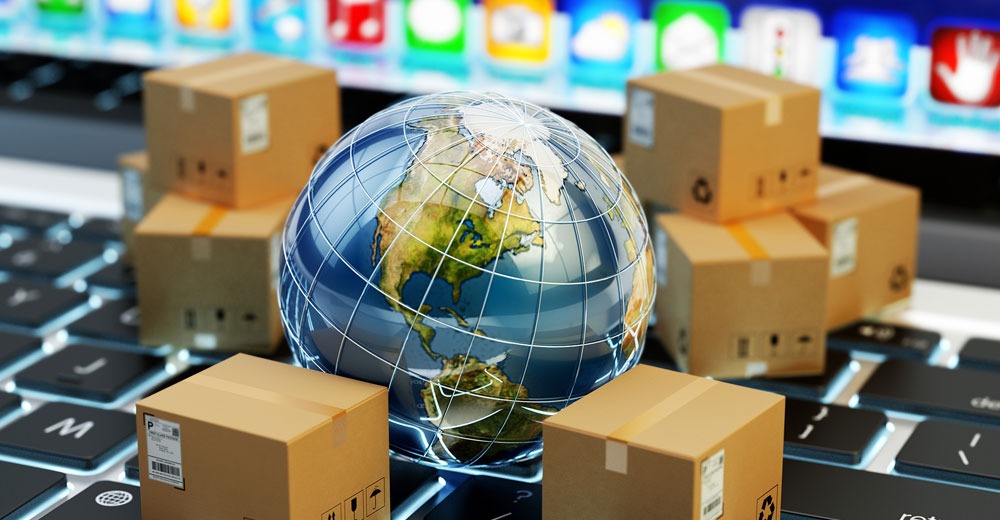
Because they increase a company’s reach, improve consumer experience through localized currencies and payments, improve security, streamline operations, and offer useful analytics, payment solutions are crucial for global eCommerce expansion. By managing foreign currencies and integrating a variety of payment methods, they act as a safe conduit for transactions between consumers and companies, facilitating smooth cross-border sales and sustained expansion.
E-commerce’s growth has changed how companies run and how customers shop, resulting in a worldwide marketplace that is reachable from almost anywhere. This change has been made possible in large part by the development and integration of advanced payment systems. Payment methods, ranging from credit cards to digital wallets and cryptocurrencies, have been essential to the development and expansion of e-commerce globally. This article examines the ways in which payment methods have aided in the growth of e-commerce as well as its present difficulties and new developments.
1. Streamlining Transactions for Convenience
Payment systems have made online purchases of goods and services easier for customers by streamlining the transaction process. The foundation for international transactions was established by the incorporation of credit and debit cards into e-commerce platforms, which eliminated geographical restrictions and the need for actual currency. These days, one-click payments and the safe storing of payment details are made possible by digital wallets like PayPal, Apple Pay, and Google Pay, which further improve this ease.
These simplified procedures lessen friction for customers, which frequently boosts online companies’ conversion rates. In fact, research indicates that the availability of safe and user-friendly payment methods considerably reduces cart abandonment rates.
2. Enabling Cross-Border Trade
The global nature of e-commerce demands payment systems that can handle cross-border transactions seamlessly. International payment gateways like Stripe, PayPal, and Adyen have made it possible for businesses to accept payments from customers in different countries, overcoming hurdles related to currency conversion and banking systems.
Key contributions include:
• Multi-Currency Support: Payment systems allow consumers to pay in their local currency while merchants receive funds in their preferred currency.
• Global Compliance: Payment systems ensure compliance with international standards like PCI DSS (Payment Card Industry Data Security Standard) and local regulations, making cross-border transactions safer.
These features have been instrumental in fostering cross-border trade, enabling small and medium-sized enterprises (SMEs) to expand their reach to a global audience.
3. Enhancing Security and Building Consumer Trust
One of the primary concerns in online transactions is security. Payment systems have addressed this issue through advanced security measures like encryption, tokenization, and two-factor authentication. Technologies such as Secure Sockets Layer (SSL) encryption and fraud detection algorithms ensure that sensitive customer data is protected during transactions.
Secure payment systems build trust among consumers, encouraging them to make online purchases. For example:
• Tokenization replaces sensitive card details with a unique token during transactions, reducing the risk of data breaches.
• AI-Powered Fraud Detection analyzes transaction patterns to flag suspicious activities, protecting both consumers and merchants.
By prioritizing security, payment systems have laid the groundwork for sustainable e-commerce growth.
4. Expanding Financial Inclusion
By allowing underbanked groups to engage in e-commerce, payment systems have also aided in financial inclusion. Online shopping and other financial activities are now accessible to people without traditional banking access thanks to digital payment platforms like M-Pesa, a mobile money service that is popular throughout Africa.
Read Also: Payment Solution Innovation: What’s Next
Innovations like cash-on-delivery services and mobile payment solutions have helped close the gap between customers and e-commerce platforms in emerging economies where cash is still the most popular payment option. This inclusivity has greatly aided in the expansion of e-commerce worldwide and opened up new markets for online merchants.
5. Driving Innovation Through Emerging Technologies
Emerging technologies such as blockchain, artificial intelligence (AI), and biometric authentication are revolutionizing payment systems and, by extension, e-commerce.
• Blockchain Technology: Cryptocurrencies like Bitcoin and Ethereum offer decentralized, borderless payment options with minimal transaction fees. Platforms integrating blockchain-based payment systems benefit from faster settlement times and enhanced transparency.
• AI and Machine Learning: These technologies optimize payment processing by detecting fraud in real-time and personalizing payment experiences based on consumer behavior.
• Biometric Payments: Fingerprint and facial recognition technologies are making payment processes more secure and user-friendly, particularly on mobile devices.
These innovations not only enhance the consumer experience but also provide e-commerce businesses with tools to reduce costs and improve efficiency.
6. Challenges in Payment Systems
Despite their contributions to e-commerce growth, payment systems face several challenges:
• Regulatory Hurdles: Compliance with diverse regulations in different countries can be complex and costly for payment providers.
• High Transaction Fees: Cross-border payments often involve fees that can cut into profit margins, especially for smaller businesses.
• Cybersecurity Threats: As payment systems evolve, so do the methods of cybercriminals. Continuous innovation in security measures is essential to stay ahead of threats.
Addressing these challenges is crucial for sustaining the role of payment systems in e-commerce.
7. The Future of Payment Systems in E-Commerce
The future of payment systems lies in further personalization, speed, and security. Key trends include:
• Central Bank Digital Currencies (CBDCs): These government-issued digital currencies could revolutionize how cross-border payments are conducted, offering a stable and secure alternative to existing systems.
• Invisible Payments: Technologies like Amazon Go’s “just walk out” system aim to eliminate traditional checkout processes entirely, making payments almost invisible.
• Increased AI Integration: Predictive analytics will help e-commerce businesses offer tailored payment options based on customer preferences.
These advancements will continue to redefine the e-commerce landscape, ensuring that payment systems remain a critical driver of growth.
When choosing a global payment provider, consider the following factors:
- Security and compliance: Ensure the provider adheres to industry standards and regulations.
- Multi-currency support: Look for a solution that supports transactions in different currencies.
- Ease of integration: Opt for a provider with an API-friendly system for seamless integration.
- Scalability: Choose a solution that can grow with your business needs.
- Customer support: Reliable support is crucial for troubleshooting and smooth operations.
The foundation of international e-commerce, payment systems promote financial inclusion, ease transactions, and foster confidence. Payment systems will continue to be crucial in determining the direction of online shopping by embracing technology breakthroughs and resolving present issues. The mutually beneficial relationship between payment systems and international trade will only get stronger as e-commerce enters new countries and embraces cutting-edge technologies, guaranteeing a flourishing digital economy for years to come.









Comments