
 By
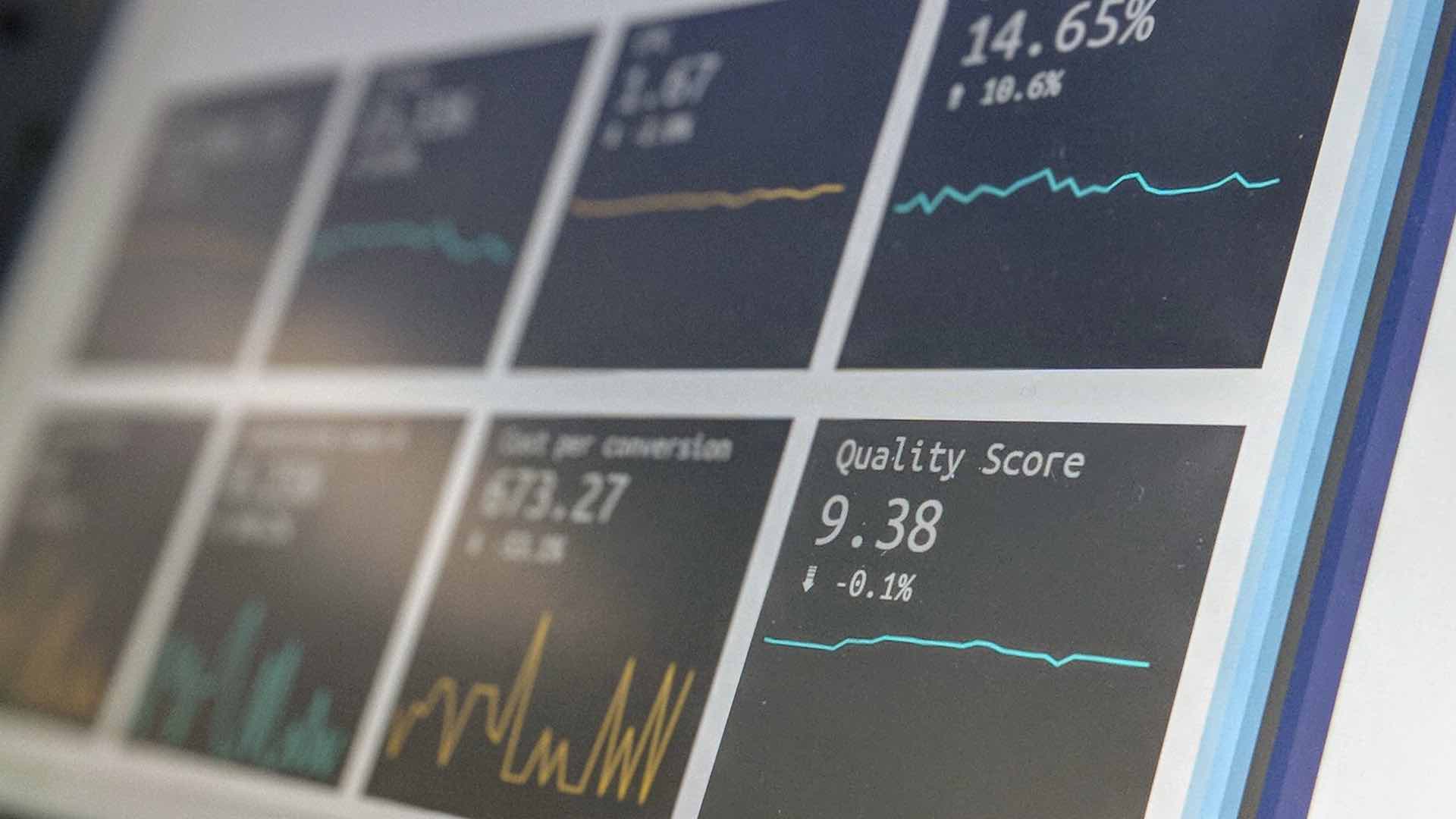
Payment solution analytics benefit businesses by delivering data-driven insights into how to reduce checkout abandonment, diversify payment choices, prevent fraud, optimize pricing, and improve the customer experience. Businesses can use transaction data to study customer behavior, discover payment method preferences, identify root causes of transaction decreases, and disclose seasonal sales patterns, allowing them to make more informed decisions, improve operations, and increase revenue.
Payment analytics refers to the system (or systems) that collects and analyzes payment information.
Every transaction, whether in-store or online, generates a plethora of data. Each transaction contains information on the things purchased, the time and amount of the transaction, the place of purchase, the method of payment utilized, and more.
When seen through a payment analytics lens, this data can inform a variety of critical business choices, including personnel, goods purchase, and allocation. Payment data can also help firms determine whether or not to increase their services for acceptable payment methods. Payment analytics can also include information on whether the consumer is new or returning, as well as their purchase habits.
How Can Businesses Use Information From Payment Analytics?
As you can see, payment analytics provides useful quantitative information on client behavior. This understanding of customer shopping habits can be a critical factor in purchasing and merchandising decisions.
Payment analytics provides extensive information for firms wishing to extend the payment options they accept. Below, we’ll look at some of the benefits of using payment analytics efficiently.
1. Identify common payment methods
One example is using payment analytics to spot patterns in regularly used payment methods. Businesses may notice trends in credit versus debit card usage and use that information to negotiate lower payment processing fees.
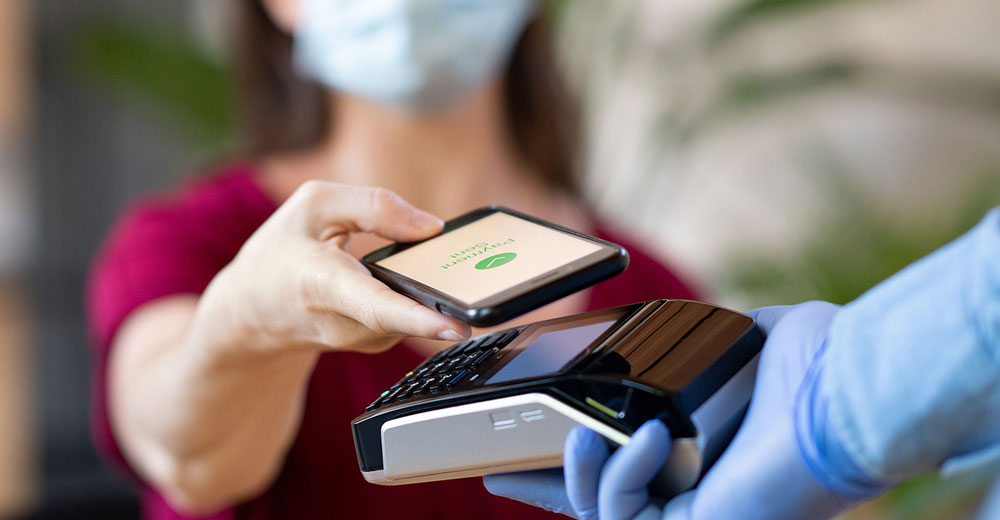
It’s also important investigating emerging payment alternatives. For example, if you notice a rise in NFC mobile payments, it could be time to invest in more mobile terminals.
Examining payment type trends in your company might also help you optimize your processes. Assume you work in healthcare or professional services and find that manually receiving payments over the phone is causing a strain on your personnel. That knowledge can prod you to introduce self-service payment portals so clients or patients can initiate payments online instead of calling your office.
2. Improve customer loyalty
Encouraging repeat business is equally vital as acquiring net new clients. Because most customers either build an online profile for eCommerce transactions or use the same payment method repeatedly, it is simple to determine if someone is a net new or repeat customer.
This information, paired with real purchase history, creates a picture that businesses can utilize to tailor their marketing efforts. Analyzing purchasing trends among new and repeat customers can also help you focus your customer engagement strategies.
Assume you notice that your company’s repeat purchase rate is slowing. You can use this information to create loyalty programs or customer retention activities to persuade existing customers to try your products.
3. Identify payment trends across multiple channels and locations
Businesses with several locations or an omnichannel presence have even more data to manage. This highlights the benefits of payment analytics and data consolidation. This data may even be utilized to generate custom heat maps, allowing you to rapidly detect trends by store, area, online versus in-store, and other criteria.
Read Also: The Benefits of Digital Payment Solutions for Brick-and-Mortar Stores
For example, you may discover that clients in certain areas prefer contactless credit cards while others in other cities prefer mobile payments. These data can help you decide what types of equipment to buy for each location, ensuring that customers can always utilize their preferred method of payment.
4. Rate of transaction failure and fraud prevention
Monitoring payment analytics is a critical step in risk management for businesses of all sizes, whether the goal is to prevent fraudulent transactions, chargebacks, or theft. Flagging fraudulent in-store or online payments is just one example of regular information offered by payment processors. By monitoring payment fraud indicators, you may take prompt action to avoid and catch bad actors and fraudsters before they cause damage.
In keeping with this, Stax’s dashboard offers many data points for merchants to assess for fraudulent activity or failed transactions, allowing you to simply monitor your business.
5. Optimize resource allocation
Paying attention to measures such as transaction volume might help you identify your company’s peak moments. This, in turn, can influence decisions about staffing and operating hours.
For example, if you consistently experience larger transaction volumes at the end of the month, you could book more shifts to handle the additional purchases.
6. Boost your revenues and profits
Using payment analytics to track KPIs like average order value (AOV) and basket size helps improve sales and marketing.
Let’s imagine you’re an online store looking to increase your AOV. You might try different upsell offers or promotions and see how they effect the value of your orders. Armed with this knowledge, you can next tweak your website to encourage customers to buy more things.
Another example: if you’re a service provider, paying attention to your high AOV consumers might help you understand which services are usually purchased together. That information can then be used to develop new packages or products, allowing you to better serve clients.
7. Improve the customer experience
Payment indicators such as your chargeback rate might provide insight into your consumers’ post-purchase experience. Payment chargebacks are frequently issued when customers are unable to return things or are unaware of your refund procedures.
So, if you’re seeing greater chargeback rates for specific products, it could indicate that you need to better express your policies or improve the post-purchase customer experience.
Furthermore, chargeback analytics can help uncover experience gaps and areas of dissatisfaction. Mismatched product expectations, bad customer service, and poor order fulfillment processes can all lead to chargebacks. By taking an honest look at these issues and their underlying causes, you can not only reduce chargebacks but also improve and streamline the client experience. (A win-win for everybody concerned!)
Leveraging payment analytics entails more than simply tracking whether or not you have been paid. You should also monitor other payment-related KPIs and trends, such as payment kinds, quantities, frequency, and chargebacks. Doing so will allow you to assess the health of your firm and identify areas for improvement.





Comments