
 By

Monetizing digital content is using audience attention, trust, and knowledge to create cash via a variety of strategic strategies. According to recent 2025-2026 research, these tactics frequently overlap to generate diverse, sustained income streams.
We’ll look at many ways to monetize digital content, such as subscriptions, freemium models, micropayments, advertising, digital goods sales, NFTs, community building, and licensing. Find the greatest fit for your audience and begin earning.
1. Subscription Models
Subscription models are a powerful way to monetize digital content by charging users a recurring fee for access to premium content or services. This recurring revenue model offers stability and predictability, allowing creators to invest in future content and build a loyal audience. Instead of relying on one-off purchases or unpredictable advertising revenue, subscriptions provide a consistent income stream. This approach fosters long-term relationships with your audience as they receive ongoing value through exclusive content and features.
Subscription models work by offering different tiers of access, typically ranging from basic to premium. Content gating mechanisms restrict access to certain content or features based on the user’s subscription level. This could include anything from exclusive articles and videos to early access releases and community forums. Automated billing systems streamline the payment process, making it easy for users to manage their subscriptions. This method deserves a top spot on the list because it offers one of the most sustainable and profitable ways to monetize digital content in the long run. It shifts the focus from transactional exchanges to building a community around your content.
Features of Successful Subscription Models:
- Recurring Revenue Model: Predictable income streams on a monthly, quarterly, or annual basis.
- Tiered Subscription Options: Offers various levels of access and features at different price points (e.g., basic, premium, enterprise).
- Content Gating Mechanisms: Restricts access to premium content based on subscription level.
- Member-Exclusive Features: Provides subscribers with unique benefits beyond just content access, such as community forums, discounts, or early access.
- Automated Billing Systems: Simplifies payment processing and subscription management.
Examples of Successful Implementations:
- The New York Times: Offers digital subscriptions for access to its news articles and multimedia content.
- Substack: Enables creators to launch and monetize their own newsletters through subscriptions.
- Netflix: Provides streaming access to a vast library of movies and TV shows for a monthly fee.
- Patreon: Allows creators to offer exclusive content and experiences to their patrons through tiered memberships.
- Spotify Premium: Unlocks ad-free music streaming, offline listening, and higher audio quality.
Pros of Subscription Models:
- Predictable, recurring revenue: Facilitates financial planning and investment.
- Higher customer lifetime value: Cultivates long-term relationships with subscribers.
- Builds community and loyalty: Fosters a sense of belonging among paying members.
- Provides working capital for content creation: Funds ongoing content development and improvement.
- Reduces dependence on advertising: Less reliance on fluctuating ad revenue.
Cons of Subscription Models:
- Subscription fatigue among consumers: Users may be hesitant to subscribe to yet another service.
- High churn rates if content quality isn’t maintained: Requires continuous effort to retain subscribers.
- Requires continuous content production: Demands a consistent output of high-quality content.
- Higher barrier to entry than free models: Users may be initially reluctant to pay for content.
- Competition from numerous subscription services: Requires a strong value proposition to stand out.
2. Freemium Model
The freemium model is a powerful strategy for monetizing digital content by offering a basic version of your product or service for free, while charging for premium features or enhanced functionality. This approach allows you to attract a wide audience, build brand awareness, and collect valuable user data, all while generating revenue from users who are willing to pay for a more advanced experience. It’s a particularly effective method for building a loyal customer base and gradually converting free users into paying customers.
The freemium model works by strategically differentiating the free and premium offerings. The free version provides core functionality and serves as a lead magnet, drawing users in and showcasing the value of your product. Premium upgrades unlock additional features, remove limitations, or provide enhanced content that caters to the needs of more engaged users. This model thrives on a content sampling strategy, offering a taste of the full experience to entice free users to upgrade. Effective conversion funnels guide users from the free version to paid subscriptions, maximizing conversion rates. The key lies in value-based feature differentiation, ensuring that the premium features offer tangible benefits that justify the cost.
Examples of Successful Freemium Implementations:
- Spotify: Offers a free, ad-supported version with limited features and a premium subscription for ad-free listening, offline playback, and higher audio quality.
- LinkedIn: Provides basic networking features for free, while premium subscriptions unlock advanced business tools, such as InSales Navigator and Recruiter Lite.
- Canva: Offers free basic design tools, while premium subscriptions unlock access to a vast library of templates, stock photos, and advanced design features.
- Medium: Allows users to read a limited number of articles for free each month, after which a metered paywall restricts access. A premium subscription provides unlimited access to all articles.
- Evernote: Offers basic note-taking functionality for free, with premium subscriptions providing advanced features like team collaboration, offline access, and increased storage.
This model deserves its place on this list because it’s a proven way to monetize digital content while building a large and engaged user base. Its broad applicability across diverse industries makes it a versatile and effective monetization strategy.
Pros:
- Lower barrier to entry for new users: Attracts a wider audience.
- Wider audience reach and brand awareness: Increases visibility and recognition.
- Data collection from free users: Provides insights for product development and marketing.
- Natural upsell pathway: Facilitates conversion from free to paid users.
- Compatibility with advertising models: Can generate revenue from both free and paid users.
Cons:
- Free users may never convert: Requires effective conversion strategies.
- Challenges in determining premium features: Requires careful market analysis.
- Resource allocation between free and premium content: Balancing development efforts.
- Potential for cannibalization: Free version could detract from premium sales.
- Requires a large user base for profitability: Dependent on scale.
3. Advertising and Sponsorships
Advertising and sponsorships represent a powerful way to monetize digital content by leveraging audience attention to connect advertisers with engaged viewers. This method essentially turns your content platform into a valuable bridge between businesses seeking to promote their products or services and your audience who may be interested in those offerings. It works by incorporating paid promotions within your content, ranging from traditional display advertising like banner ads and pre-roll video ads to more integrated approaches like native advertising, sponsored content, and influencer endorsements. This allows creators to monetize free content while maintaining accessibility for their users.
Read Also: How to Choose the Right Monetization Strategy for Your Audience
This monetization strategy deserves a place on this list because it offers a scalable revenue stream that can grow alongside your audience. It’s particularly attractive for those offering free content, as it allows for monetization without directly charging users. The flexibility of this method is another key advantage. Whether you run a blog, YouTube channel, podcast, or social media platform, advertising and sponsorships can be integrated effectively. Specific features like audience targeting capabilities enable you to refine ad delivery for better performance and increased relevance for both advertisers and your audience.
Examples of successful implementation across different platforms and industries include:
- YouTube Partner Program: Creators monetize their videos through pre-roll, mid-roll, and overlay ads.
- BuzzFeed: Generates revenue through branded content partnerships, creating sponsored articles and videos that seamlessly integrate with their editorial content.
- The Morning Brew: Utilizes newsletter sponsorships to connect brands with their engaged readership.
- Joe Rogan Experience: Secures high-value podcast sponsorships, often featuring verbal endorsements and integrated ads.
- Instagram Influencer Sponsored Posts: Influencers partner with brands to create sponsored posts that promote products or services to their followers.
Pros:
- Accessibility: Keeps content free for a wider audience.
- Scalability: Revenue potential grows with increasing traffic and viewership.
- No Direct Cost to Users: Monetization happens without charging users for access.
- Leverage Existing Networks: Easy integration with existing ad networks and platforms like Google AdSense and Facebook Ads.
- High-Value Partnerships: Potential for lucrative brand partnerships as your audience grows.
Cons:
- Traffic Dependence: Requires substantial traffic or views to generate significant revenue.
- Ad Blockers: Ad blocking software can reduce revenue potential.
- User Experience Impact: Excessive or intrusive ads can negatively impact user experience.
- Privacy Concerns: Audience targeting can raise privacy concerns regarding data collection and usage.
- Brand Safety: Maintaining brand safety and ensuring alignment between content and advertised products/services is crucial.
4. Digital Product Sales
Digital product sales represent a powerful way to monetize digital content, offering a scalable income stream with high-profit potential. This method involves packaging your expertise, insights, or creative work into downloadable digital assets that cater to a specific audience need. This approach goes beyond simply monetizing existing content; it transforms your knowledge and skills into valuable products. For anyone looking to monetize digital content, digital product sales deserve a prominent place in your strategy due to its potential for high returns and scalability.
How it Works:
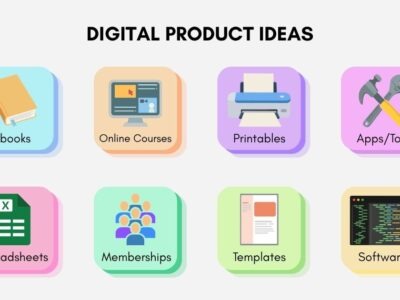
The process typically involves identifying a problem your audience faces or a skill they want to develop, then creating a digital product that addresses that need. This could take various forms, from educational resources like online courses and e-books to practical tools like templates, presets, and even software. Once created, these products are sold online through various platforms, often using automated delivery systems. This allows for sales to occur 24/7 without requiring your direct involvement in each transaction.
Examples of Successful Implementation:
- Notion templates by Thomas Frank: Thomas Frank leverages his expertise in productivity and organization by offering a range of Notion templates that help users streamline their workflows and manage projects effectively.
- Digital photography presets by Peter McKinnon: Peter McKinnon, a renowned photographer, sells Lightroom presets that allow photographers to quickly achieve specific aesthetic looks in their photos.
- Teachable online courses by Pat Flynn: Pat Flynn, a pioneer in online business and passive income, uses the Teachable platform to host and sell a variety of online courses teaching diverse skills, from podcasting to affiliate marketing.
- E-books and guides by Tim Ferriss: Tim Ferriss, author and entrepreneur, has successfully monetized his insights on productivity, self-improvement, and business through best-selling e-books and comprehensive guides.
- Design templates and assets on Creative Market: Creative Market provides a platform for designers to sell their creations, including templates, graphics, fonts, and web themes, offering a vast library of digital assets for creative professionals.
Pros:
- High Profit Margins: Digital products have minimal distribution costs, leading to significantly higher profit margins compared to physical products.
- Scalable Revenue: Income isn’t directly tied to your time investment. Once created, a digital product can be sold repeatedly without additional effort.
- Authority Building: Creating valuable products establishes you as an expert in your niche, enhancing your credibility and influence.
- Passive Income Potential: Automated delivery systems and marketing funnels can generate passive income streams.
- No Inventory Management: Unlike physical products, digital products require no inventory storage or shipping logistics.
Cons:
- Upfront Development Investment: Creating high-quality digital products can require significant time, effort, and potentially financial investment.
- Digital Piracy Concerns: Protecting your intellectual property can be challenging, and piracy can impact sales.
- Market Saturation: Some niches are highly competitive, requiring strategic marketing to stand out.
- Marketing Expertise/Budget: Successfully promoting digital products requires marketing knowledge and potentially a budget for advertising.
- Ongoing Maintenance: Some products may require updates, customer support, and ongoing maintenance.
5. NFTs and Digital Collectibles
NFTs and digital collectibles represent a revolutionary approach to monetize digital content, offering creators unprecedented control and potential revenue streams. This innovative method leverages blockchain technology to transform how we own, buy, and sell digital assets, making it a compelling option for anyone seeking to monetize digital content in the modern landscape.
What are NFTs and How Do They Work?
Non-Fungible Tokens (NFTs) are unique digital assets registered on a blockchain, a decentralized and secure digital ledger. Unlike cryptocurrencies like Bitcoin, which are fungible (meaning one Bitcoin is equivalent to another), NFTs are non-fungible – each token is distinct and verifiable, representing ownership of a specific digital item. This could be anything from digital art and music to virtual real estate and in-game items. Blockchain technology guarantees the authenticity and scarcity of each NFT, providing a digital certificate of authenticity and provable ownership.
Features and Benefits of NFTs:
- Blockchain-Verified Ownership: NFTs provide indisputable proof of ownership recorded on the blockchain, eliminating concerns about counterfeiting or unauthorized reproduction.
- Provable Scarcity and Uniqueness: NFTs can be created with limited supply, establishing scarcity even for digital goods that are infinitely reproducible. This scarcity drives value and collectibility.
- Smart Contracts for Royalties: Smart contracts embedded within NFTs can automate royalty payments to creators on secondary market sales, ensuring creators benefit from the ongoing value appreciation of their work.
- Community Building: NFTs can foster communities around shared ownership and provide exclusive access to events, content, and other benefits for holders.
Examples of Successful NFT Implementations:
- Beeple’s “Everydays: The First 5000 Days”: This digital artwork sold for a staggering $69 million, showcasing the potential of NFTs in the art world.
- NBA Top Shot: These collectible digital basketball moments have generated millions in revenue, demonstrating the appeal of NFTs for sports fans.
- Bored Ape Yacht Club: This collection of unique ape avatars has become a highly sought-after status symbol, demonstrating the community-building potential of NFTs.
Pros:
- Creates scarcity in infinitely reproducible digital goods.
- Potential for royalties on secondary market sales.
- Direct fan/collector relationships.
- New monetization avenue for digital artists.
- Enables community building through ownership.
Cons:
- Market volatility and speculative nature.
- Environmental concerns with some blockchain technologies.
- Technical barriers to entry for creators and buyers.
- Regulatory uncertainty.
- Complex intellectual property implications.
6. Community-Based Monetization
Community-based monetization offers a powerful way to monetize digital content by shifting the focus from direct content sales to cultivating a thriving community around it. This model recognizes the value of connection and belonging, allowing you to monetize the engagement and relationships fostered within your audience.
Instead of simply selling content, you’re creating a valuable hub where members gain exclusive access, interact with each other, and enjoy special benefits. This approach can be particularly effective for those looking to build long-term relationships and generate recurring revenue. If you’re creating content that fosters a dedicated following, this could be a valuable strategy to explore when considering how to monetize digital content.
This model opens up multiple revenue streams beyond traditional content sales. These include membership fees for access to exclusive content and community features, tickets to online and in-person events, merchandise sales reflecting the community’s shared identity, and even community-driven products or services that leverage the collective knowledge and relationships within the group.
For example, a fitness influencer might create a community where members pay a monthly fee for workout routines, nutritional guidance, and access to a supportive online forum. They could then further monetize the community through branded merchandise or exclusive workshops.
Several platforms facilitate this type of community building. Discord servers with paid access tiers are a popular choice, allowing for different levels of access and benefits based on membership level. Twitch streamers also leverage this model, building subscriber communities with exclusive perks like custom emotes and behind-the-scenes content.
Other successful examples include The TILT parenting community by Debbie Reber, Trends, a paid community by The Hustle, and Kajabi communities paired with courses and coaching. If you’re looking to build dedicated communities around your online educational resources, consider the possibilities presented by courses and communities. Another increasingly popular method involves building a thriving community around your content and then monetizing that engaged audience through various means, such as exclusive content, membership fees, or even merchandise.
Features of Community-Based Monetization:
- Community platforms and tools: Choosing the right platform, like Discord, Circle, or Mighty Networks, is crucial for facilitating interaction and managing memberships.
- Member-to-member interaction features: Robust communication tools, forums, and direct messaging capabilities are key for fostering a sense of belonging.
- Exclusive community events: Online or in-person events create unique experiences and strengthen member bonds.
- Tiered access levels: Offering various membership tiers allows you to cater to different levels of engagement and budget.
- Community-driven content: Encouraging members to contribute content strengthens the community and reduces the burden on the creator.
Pros:
- Deeper audience relationships: Community-based monetization fosters genuine connections and loyalty.
- Multiple revenue streams: This model goes beyond one-time sales, creating recurring revenue through memberships and other offerings.
- Network effects: As the community grows, its value increases, attracting more members.
- Valuable feedback loop: Direct interaction with engaged fans provides invaluable insights for content creation and product development.
- Higher retention: Social connections within the community encourage members to stay engaged long-term.
Cons:
- Resource-intensive: Managing an active community requires significant time and effort.
- Consistent engagement and moderation: Maintaining a positive and productive environment requires ongoing moderation and community management.
- Success depends on interaction: Fostering genuine interaction beyond passive content consumption is crucial.
- Scaling challenges: Maintaining community quality while scaling can be difficult.
- Strong community management skills required: Effective community management necessitates excellent communication and interpersonal skills.
7. Licensing and Syndication
Licensing and syndication offer a powerful way to monetize digital content without constantly creating new material. This approach essentially involves selling the rights to use or distribute your existing content to third parties. This allows you to generate additional revenue streams by letting others republish, adapt, or incorporate your work into their own platforms, products, or markets. For anyone looking to monetize digital content, licensing and syndication deserves a prominent place in their strategy.
How it Works:
Licensing and syndication are built on agreements that grant specific usage rights to third parties. These agreements can be tailored to fit various needs and content types. For example, you might license photographs to a publication for one-time use, or syndicate a series of educational videos to an online learning platform for broader distribution. These agreements often incorporate features like:
- Content licensing agreements: Formal contracts outlining the terms of usage.
- Territorial or platform-specific rights: Restricting usage to specific geographic locations or online platforms.
- Time-limited usage permissions: Granting rights for a defined period.
- Content adaptation rights: Permitting or restricting modifications to the original content.
- Revenue sharing models: Defining how revenue generated from the content will be split between the owner and the licensee.
Examples of Successful Implementation:
Numerous organizations have successfully leveraged licensing and syndication:
- Getty Images: Built a massive business around licensing photography and video footage to various publications and media outlets.
- The New York Times: Syndicates its articles to other news organizations worldwide, extending their reach and generating additional revenue.
- Vox Media: Licenses its explanatory content to other publishers, allowing them to enhance their offerings with high-quality journalism.
- Universal Music Group: Licenses music for use in commercials, films, and other media, generating substantial income from their extensive music catalog.
- TED Talks: Partners with organizations globally to translate and distribute their educational videos, reaching a vast international audience.
Pros:
- Generates revenue from existing content.
- Expands audience reach to new platforms or markets.
- Creates income without creating new content.
- Can establish brand presence in new territories.
- Potential for recurring revenue through long-term agreements.
Cons:
- Requires negotiation and legal expertise.
- Potential loss of control over content presentation.
- Revenue sharing may reduce per-use earnings.
- Administrative overhead in tracking usage and payments.
- May require content adaptation for different markets.
Bottomline
Monetizing digital material effectively necessitates a smart approach. This post has looked at eight main strategies, ranging from subscription models and freemium offers to exploiting the power of NFTs and community-based revenue. The most essential point is that no single solution works for everyone. Your optimal strategy will be determined by your target audience, the value you offer, and the type of material you publish.
Whether you’re an eCommerce merchant, SaaS provider, non-profit, content creator, or Bitcoin lover, learning these techniques will help you turn your digital material from a hobby into a viable business. Understanding your audience and experimenting with alternative models can allow you to create a sustainable income stream and realize the full potential of your work, reaching a larger audience and making a long-term effect.







Comments