
 By
Before you design your membership site, you should first develop your concept. Identify a successful area in which you have knowledge and can consistently produce useful content. Determine your ideal audience’s needs, pain spots, and what they are willing to pay for. Next, define your unique value.
What is a Membership Site?
A membership site is a website where users pay to gain access to exclusive material, communities, or both. Members log in, gain access to content that non-members cannot see, and pay on a regular basis to maintain that access.
Content can take many forms, including courses, tutorials, templates, live calls, forums, downloadable tools, and secret communities. The gate is what defines it as a membership. You are either inside or outside.
Most subscriptions are charged monthly or annually. Some provide lifetime access for a one-time charge. The approach works because members are not simply purchasing a product. They are purchasing long-term value, and they will remain as long as that value is present.
A membership site affects the way you make money. Instead of chasing fresh sales every month, you create regular revenue that increases over time. Here’s why creators and businesses are making the transition:
Predictable revenue. You know what’s coming in every month. That makes planning easy and reduces stress. No more revenue fluctuations from launch to launch.
Increased client lifetime value. A year-long membership at $47 per month is worth $564. This is more than most one-time course sales. And some members remain for years.
Deeper connections. Members are not simply customers. They are part of something. They ask questions, share victories, and help one another. That relationship fosters loyalty that advertisements cannot provide.
Content compounds. Each piece of content you create contributes to the collection. A course you created two years ago still provides value today. The longer you keep a membership, the more valuable it is.
The community builds itself. When you reach a certain size, members start assisting one another. They answer inquiries, give information, and initiate conversations without you doing all of the work.
1. Choose a Membership Model and Define Your Niche
Before you design your membership site, you should first develop your concept. Identify a successful area in which you have knowledge and can consistently produce useful content. Determine your ideal audience’s needs, pain spots, and what they are willing to pay for.
Next, define your unique value. Decide what unique value your membership will offer, such as specialized information, a supportive community, or coaching. This will assist you in developing a membership that attracts the proper people and keeps them engaged over time.
Before you create a membership site, ask yourself these key questions:
- What type of content am I offering?
- How do I want this content to be delivered?
- What kind of access do I want to give members?
- How will potential members find my site?
- How much will membership cost?
- What are some of the main benefits in return for this cost?
The membership models listed below take these important queries into consideration. While there’s no uniform way to build your membership website (different models work for different people), use these for inspiration and choose the one that best meets your needs. In fact, it’s become increasingly popular to use a hybrid of these models, too.
- Drip feed membership
With a drip feed model, you’ll give registered members content on a time released basis over the course of their membership. Material might be delivered to them daily, weekly or monthly.
Drip feeding benefits members by giving them time to consume your content slowly and stick to a dedicated schedule. You’ll benefit by retaining users – drip feed campaigns are proven to keep users excited about the upcoming material and engaged with your product.
- All-in membership
The all-in membership model gives users access to content all at once. Material should be available to them as soon as they sign up to your membership site.
It’s a favorable model for users who appreciate flexibility and prefer to do things on their own schedule. Compared to the drip feed model, an all-in membership will create a less hands-on approach for you as the owner, since you don’t have to think about scheduling the release of content.
- Fixed term membership
With a fixed term membership, audiences pay for access that expires. The ticking clock on their membership might end after three month, six months, or a year – the time frame really depends on what services they receive.
This is an especially good approach for members who want to achieve time-based goals – like learning a skill under a certain amount of time, or losing weight.
- Online course
Online courses give members access to in-depth information about a specific topic. One of the great things about hosting one is the potential for user engagement. Many times, an online course will go hand-in-hand with interactive quizzes, exams, homework and even discussion forums between students and teachers.
Members who want to seriously upgrade their skills or are interested in extracurricular learning will love this interactive and convenient format. It’s also a great way to show off your knowledge and establish yourself as an authority in your field.
- Online forum
If you are looking for a popular way to get people from all over the world to discuss different topics and form a sense of solidarity, create a forum. Quality forums are so widely appreciated, it’s completely normal to turn one into an exclusive members-only space.
This model can be created by adding a private forum on to your website and making it password protected. It’s a good opportunity to foster a strong connection with your audience and will develop a tight-knit community around your business or blog. You can also use this member list to send out dedicated emails, or organize occasional group events.
- Product model
A membership site is a great way to sell and deliver products. Perhaps you have a product that can be downloaded online, such as a book. Instead of simply delivering the product to your audience, urge them to become a member for access. This can be a way for them to gain exclusive offers in the future, or be the first to know about new products.
The same goes for online stores that deliver physical products. A membership option is a good way to keep customers satisfied and engaged by giving them access to special sales and offers. Subscription boxes are another great example of how a product model can be incorporated into a membership site. These curated boxes often come with surprise items, making the experience similar to receiving a gift every month.
2. Select a Domain and Host
A domain is the name of your website (e.g., www.yoursite.com), while a host is where all the files for your website are stored. Using a domain name generator can help you find the perfect name. This step is essential, as it affects your brand identity and website performance.
When choosing a domain name:
- Keep it simple: Choose a name that’s easy to remember and type. Avoid using hyphens, numbers or special characters.
- Make it relevant: Your domain should reflect your brand or niche. It should give visitors an idea of what to expect when they visit your site.
- Consider SEO: Including relevant keywords in your domain can improve search engine rankings.
- Check availability: Use a domain name search to make sure that the domain you want isn’t already taken by another website.
A hosting website refers to the service of providing storage space and access for websites or applications on the internet. It involves making a website or application accessible to users via the web. Hosting services manage the servers that store the data and files necessary for the website to function, ensuring that it is available and secure for visitors.
Consider the following when researching website hosts:
- Choose a reputable provider: Research different hosting providers and read reviews to find one that best fits your needs.
- Consider the costs: Some providers offer affordable shared hosting plans, while others may have higher-priced options with more features.
- Look for features: Consider factors like storage space, bandwidth limits and customer support when choosing a host.
3. Pick a Website Builder and Template
Once you’ve decided on a model, you’ll need to choose a platform to host your membership website. If you currently have a website, you can easily add a new membership area using the website builder’s feature or a plugin.
Read Also: The 7 Core Models for Monetizing Digital Content
There are numerous website builders available that will allow you to add a membership area to your site, as well as a list of plugins that specialize in this. Wix users, for example, can set up a members section and create unique accounts for their members to gain access to gated content.
When choosing a website builder you’ll want to consider the following:
- How robust is your site’s infrastructure going to be?
- Does your website builder offer enterprise grade web security?
- How reliable is your website builder in terms of uptime and performance
- Will your website builder be able to manage subscriptions and memberships efficiently?
Choosing the correct website template for your subscription website is critical to achieving a professional and practical look. A template determines the general style and aesthetic of your website, influencing not just its appearance but also how people interact with its content.
Here are key considerations when selecting a template:
- Relevance to your niche: Pick a template that aligns with the nature of your content. For instance, if you’re launching a photography subscription site, opt for a template with a robust gallery feature.
- Customization options: Ensure the template allows for a high degree of customization, enabling you to adjust colors and fonts to fit your brand’s identity.
- Mobile-friendly: Your template should be mobile-friendly, ensuring a seamless experience for users on all devices.
- Built-in subscription features: Look for templates that support subscription functionalities, such as login areas for members, subscription tier displays and account management tools.
- User experience design: Choose a template with a clean and intuitive website layout that makes it easy for subscribers to navigate and access content.
4. Design your Membership Website
Once you have chosen your website builder and template, it’s time to start customizing for your business. Bring your brand to life by adding your logo, website color scheme and other visuals to the web design.
Here are essential website design elements to consider:
- Brand identity: Use consistent branding throughout your site, including colors, typography and logos. This helps create a professional and cohesive look for your brand.
- Simple site navigation: Make it easy for subscribers to find what they’re looking for by organizing content into logical categories and providing search options.
- Clear call-to-action buttons: Use clear and visible buttons that encourage users to take action, such as subscribing or upgrading their membership.
- High-quality visuals: Utilize engaging images and videos to highlight the value of your subscription offering.
- Easy-to-read content: Use clear and concise language, break up text with headings and bullet points and ensure your font is easy to read.
5. Prepare Your Content Library
Begin by developing premium, exclusive website material that members cannot discover anyplace else. This could include online courses, articles, videos, or downloadable tools that assist members in reaching a specific objective. Focus on value over production; material should be practical and useful, not just polished. If you currently have popular posts, videos, or webinars, try converting them into member-only content to maximize your efforts.
Next, consider how your content will be delivered and how members will access it. To simplify the drip feed strategy, plan releases and look into automation technologies. Set membership tiers or plans and test pricing to ensure accessibility and profitability. You may start by offering a variety of options to gauge demand before adjusting pricing accordingly. This might assist you ensure that your rates are not overpriced or underpriced. Both of these factors might have an impact on your membership site’s popularity and profitability.
In addition, define how your users will register. Will people sign up by email? Will you include an online form on your website? Will you develop a landing page for membership signup? Make careful to set up this registration system before you begin marketing, and test it several times to ensure that everything works properly. Your positive reputation will begin with users having a smooth signup process.
6. Set up Payment Processing and Pricing Strategy
To accept subscription payments on your website, you must first set up a payment processor. This entails connecting your website to a secure payment gateway that allows transactions between your clients’ banks and your business bank account. Make sure to use a secure and dependable payment processor with low transaction fees.
Wix allows you to connect to a variety of payment options, including:
- Stripe: A widely used and secure option that offers flexible payment options, such as one-time or recurring payments.
- PayPal: An established platform that enables users to make purchases using their PayPal account or credit/debit card.
- Square: A popular option for small businesses, offering a range of features like online invoicing and recurring payments.
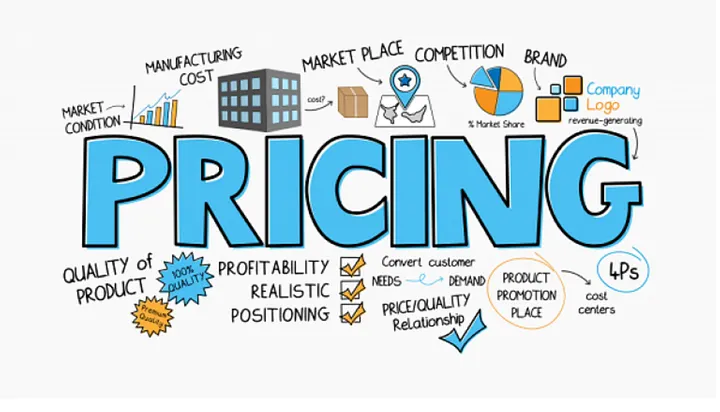
Next, plan your price approach. Choose a price rate that provides value to members while increasing income, and consider offering free trials to entice new users. Create different membership tiers, such as Basic, Premium, and VIP, each with its own pricing and exclusive privileges.
Finally, use your platform’s settings to restrict access to members-only material, allowing only paid members to view specific pages, posts, or media. This combination provides a seamless payment experience while protecting the value of your subscription.
7. Market and Promote Your Membership Website
Dedicate a good chunk of time and energy to digital marketing in order to get the ball rolling with your website promotion. The goal of these efforts is to reap member signups, but the benefits of doing this work reaches far beyond this. Even audiences who don’t sign up will become more conscious of your brand, thanks to the build up surrounding your membership site launch.
Of course, you can always use the classic method and pay for advertising, but here are some other strategic ways to master online marketing for your membership site:
Give potential members a free taste
Free samples deliver when the content tastes good (and we’re sure yours does). Initiate excitement around your membership site by offering audiences a free taste of what they’ll receive. This can be something along the lines of a free one-on-one session, a sneak peek at content, or the chance to try out your membership for one month free. If your audiences are impressed by what they see, chances are they’ll pay for the full experience.
You might also fashion this as a welcome event, either online or in person where members can get to know you and each other, before deciding to signup.
Create a buzz on social media
Social media marketing has power to entice your followers to become members. Share photos, videos, written content and testimonials relating to your services, and speak to your audience about the benefits of becoming a member. Use Instagram or Facebook stories to speak directly to your followers – customers love transparency and react to seeing the face behind the product.
Don’t forget to include instructions for registration or contact information – this type of marketing works best when there are clear calls-to-action that users can’t resist.
Use affiliate marketers and influencers
An effective outreach strategy can help you promote on the platforms of other professionals connected to your field, and use them as your ambassadors. Affiliate marketers and influencers generally have large followings, and will advertise your membership site in exchange for free access to your content or commission.
Affiliate marketing and influencer marketing are effective ways to advertise professionally without a big upfront cost. Not only that, but the word of these experts is usually trusted among their followers. If they are members – and they recommend your membership to their audiences – it’s very likely their fans will listen.
Tap into your existing audience
If you already have customers and followers, update them about your new membership model. Since you already have their loyalty, you can entice them further by offering a VIP discount or giving them the chance to try out your membership before other users.
8. Create a Positive Member Experience
Once you’ve kicked off your membership website, you’ll want to keep your members happy and make sure they say good things. Word of mouth marketing will go a long way in the long run. Ensure their experience is positive by showing your investment in their satisfaction and growth:
Interact with members
Take the time to interact with members. Send them an email every once in a while with updates, or check in to see what they think about your product. At some point during their membership, give them a user survey to understand what they like, what they don’t like, and what they would change. Customers love being heard, and you can always learn from the feedback.
Strengthen your community
Celebrate the community built around your membership service. If it’s relevant to your model, set up chat groups or forums for your members to interact with one another. Another way to do this is to organize events that only members can join. Some membership sites, those build around church websites for example, will have community at their core and so making that the focus of your site is crucial.
Emphasize strong customer service
This can’t be said enough: be available for members when they need you. If they are dissatisfied with something, listen to them and attempt to gain back their enthusiasm. If they have technical or scheduling issues, make sure yourself or a representative are available to solve it. Smiling customers are the best form of advertising.
9. Maintain Your Membership Website
Building your membership site is just the beginning. To keep it thriving, you’ll need to give it ongoing care and attention. Start by monitoring how members interact with your site. Look at metrics like login frequency, content engagement and subscription renewal rates. These insights will help you understand what’s working and where you can improve. Tweaking features based on real-time data ensures your site stays relevant and valuable to your audience.
Regular updates are another must. Whether it’s refreshing content, adding new features or improving the design, consistent updates show your members that you’re invested in giving them the best experience. For example, you might add a new category of resources, enhance your community tools or redesign your homepage to make navigation easier. These small but meaningful changes keep your offering fresh and exciting, giving members a reason to stick around.
Finally, stay connected to your members by encouraging feedback. Send out surveys, engage in forums or host Q&A sessions to find out what your members love and what they’d like to see next. Listening to their input not only helps you improve your site but also builds trust and loyalty. Think of it as an ongoing dialogue between you and your community, ensuring your membership site grows right along with their expectations.
Conclusion
You do not need a large audience or a novel idea. Every membership site on our list began with one individual who knew something useful and connected with others who wanted to learn it. Choose the idea that is most relevant to your area of expertise. Begin small. Every time, a small group of committed members outperforms thousands of disengaged users.
What is the best part? You can start a basic membership in a weekend. A modest community with a few resources and a clear promise to its members. You always have the option to add more later.
The regular money, deeper relationships, and self-sustaining community all begin with that initial move.








Comments