
 By
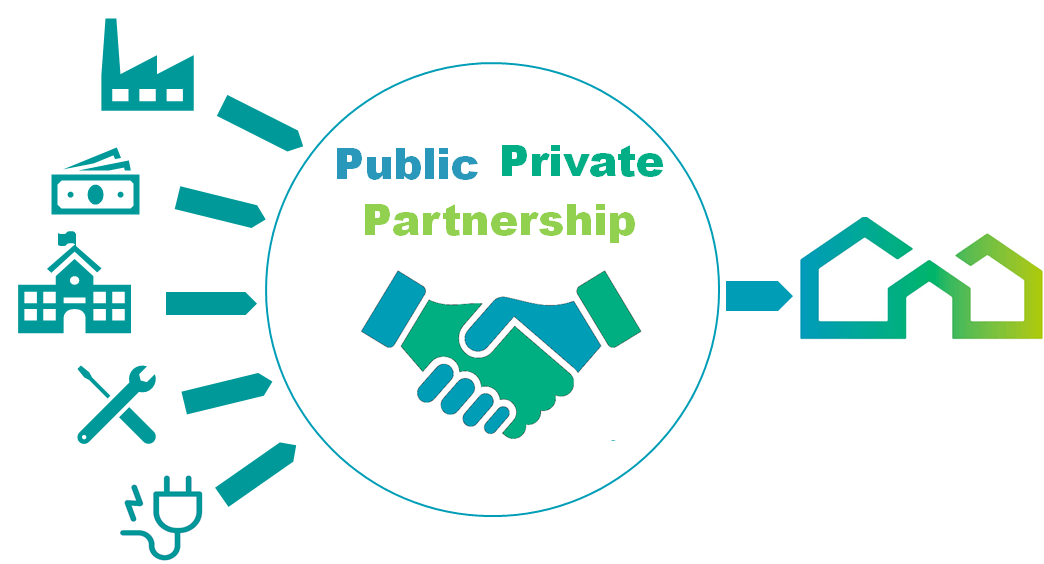
In the context of digital infrastructure, public-private partnerships (PPPs) are cooperative agreements between public and private organizations to fund, construct, and manage digital projects such as broadband networks or smart city programs. These collaborations make use of the resources, know-how, and technology of the private sector to augment public money, fill talent gaps, and boost project effectiveness. Access to more finance, cutting-edge technology, and better service delivery are some of the main advantages, but effective PPPs need risk-sharing arrangements, performance-based contracts, and well-defined legal frameworks.
Infrastructure is more than simply roads, bridges, and buildings—it’s the foundation of flourishing communities, economic progress, and a better quality of life. As needs for modern, sustainable infrastructure grow, governments and private businesses are partnering together like never before through public-private partnerships (PPPs). These alliances combine public resources with commercial ingenuity to develop projects that impact lives and promote progress. Let’s examine how PPPs are influencing infrastructure in the future and what makes them so significant.
What Are Public-Private Partnerships?
Imagine a bustling new airport, a high-speed railway, or a state-of-the-art renewable energy facility. These initiatives often need great resources, experience, and invention. PPPs excel in this situation. They bring together private businesses and governments to share gains, risks, and obligations. Together, these collaborations produce better infrastructure more quickly, intelligently, and sustainably.
It can be seen of as the comprehension of a government agency working with a private business to finance, construct, run, and/or maintain an infrastructure project. In this way, this cooperation uses the finest aspects of both worlds: regulatory supervision on one side, so that all the initiatives are aligned towards some social goals, and private capital bringing forth cash, technical expertise, and operational efficiency on the other side. PPPs can be classified into the following categories:
1. BOT: The private partner constructs the infrastructure and operates it for a definite period of time before handing it over to the public sector.
2. DBFO: The design, construction, finance, and operation of infrastructures are completely carried out by the private sector.
3. Lease Agreements: The private sector provides the services of operation and maintenance of infrastructures on lease from the public sector.
The Big Trends in PPPs
- Smart Cities and Digital Growth: From 5G networks to IoT-powered cities, PPPs drive tech-forward urban transformation.
- Green and Sustainable Infrastructure: Eco-friendly materials, renewable energy, and climate-resilient designs are at the core of modern PPP projects.
- Global Collaboration: Cross-border partnerships fuel international projects connecting economies and people.
- Creative Financing Models: Blended finance and public-private investments open new funding opportunities.
- Resilience First: Infrastructure designed to adapt to climate change and natural disasters is becoming a top priority.
Why PPPs Are Game-Changers
- Speed and Efficiency: Private-sector innovation accelerates timelines, so projects are completed faster.
- Cost-Effective Solutions: Sharing the financial load means governments can stretch their budgets further.
- Top-Notch Expertise: Private companies bring cutting-edge technology and best practices.
- Shared Risk, Shared Reward: By dividing the risks, both parties can focus on creating long-term value.
- Economic Boost: Modern infrastructure attracts investments, creates jobs, and drives growth.
How to Make PPPs Work for Everyone
- Pick the Right Projects: Focus on areas where collaboration makes the most sense—transport, energy, healthcare, or tech infrastructure.
- Build Trust Through Transparency: Clearly define roles, expectations, and revenue-sharing models in contracts.
- Engage Communities: Involve local voices to ensure the projects benefit everyone.
- Embrace Innovation: Use digital tools for better project planning and management.
- Think Sustainability First: Make sure every project is built with future generations in mind.
How PPPs Facilitate Infrastructure Development
Here is how PPPs facilitate infrastructure development:
1. Availability of Private Capital
Government financing these projects with billions of dollars of investment may be challenging due to financial constraints. This aspect will be possible through PPP, because this collaboration helps governments access private capital and bridge the gap for funding, thus promoting speed in infrastructure development.
Read Also: The Rise of Creator Economy: Turning Passion into Profit
2. Technical Expertise and Innovation
Private firms are new sources of technologies and solutions that come into infrastructure projects. Smart traffic, the solution in renewable energy, and overall PPPs encourage a modern technological advancement in both efficiency and sustainability.
3. Risk Sharing
The fully funded government-funded traditional project absorbs the risks both financial and operational with all public entities. Contrariwise, PPPs divide the risk among the public and the private players. Therefore, it is sustainable. For instance:
- Financial Risks: The private sector assumes the risk of cost overrun or revenue shortfall.
- Operational Risks: Maintenance and operational efficiency now become the burden of private partners that will motivate them to better performance.
4. Improved Project Delivery
Private firms are normally driven to deliver the project on time and within budget as the profits of private firms are a function of efficient execution. That is the opposite of most publicly funded projects which are synonymous with delays and cost overruns.
5. Quality of Service Improvement
Private operators in PPPs are usually driven by performance-based contracts, which means they would be interested in maintaining the quality of services. An example is when toll road operators invest in maintaining roads of good quality to discourage bad usage and hence low revenues.
6. Economic Development and Employment Opportunities
Infrastructure development through PPPs increases economic growth as it connects communities more and reduces the cost of transporting products. Investment attraction results in economic growth. Large employment opportunities are provided for the local communities through construction and maintenance activities.
7. Sustainability and Resilience
Private firms are more concerned with the long-term sustainability of projects, especially in terms of incorporating green-friendly practices and infrastructure resilience. This is even more crucial in the wake of global climate change and rapid urbanization.
Key Strategies to Maximize PPP Effectiveness
These are the steps that governments and private companies can undertake in implementing PPPs effectively:
1. Clear Contracting
Clear contracts specifying responsibilities, performance criteria, and penalties build trust and accountability.
2. Stakeholder Engagement
Engagement of local communities, environmental groups, and other stakeholders in the early stages of a project lifecycle helps to address concerns and garner public support.
3. Capacity Building
Technical capacity for designing, negotiating, and delivering PPP projects should be present in the government. This can be enhanced through training programs and partnerships with experienced organizations.
4. Balanced Risk Sharing
The PPP shared risks between public and private partners to sustain the projects. Overloading a partner with risks might fail.
5. Performance-Based Incentives
The performance-based payment structures will ensure that the private partners are on the right track of construction and operation.
Public-private partnerships represent a powerful platform to solve the infrastructure difficulties the 21st century poses. The benefits of both sides are channeled towards aiding the speedy delivery of quality infrastructure, such as increased quality of life, boosting economic growth, and environmental sustainability.











Comments