
 By
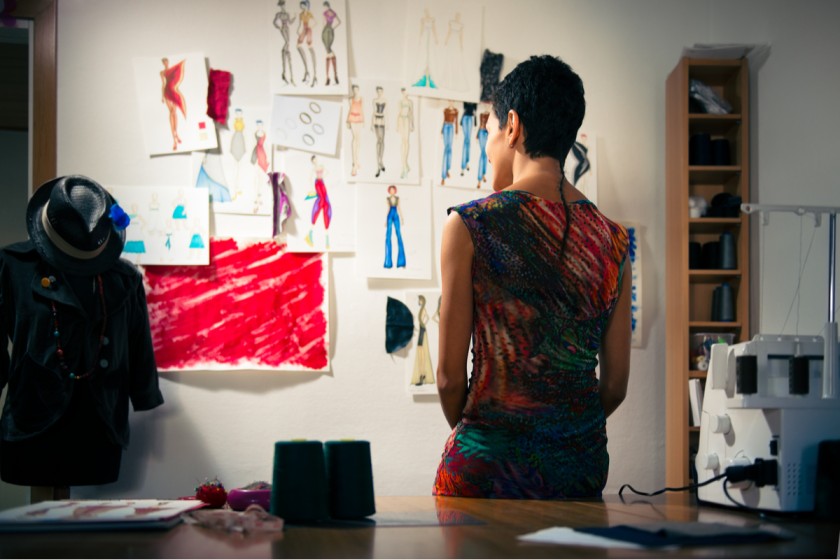
Strategic financial planning, a resilient mindset, a distinctive brand identity, and an awareness of their target market are all factors in the success of top fashion businesses.
Important takeaways from their achievements include:
Strategic Business Fundamentals
- Build a Strong Brand Identity: A clear, consistent brand identity is the cornerstone of success. It defines what your brand stands for and sets it apart in a crowded market, fostering customer loyalty.
- Know Your Target Audience: Successful entrepreneurs conduct thorough market research to understand their demographic’s preferences and pain points. Designs must balance artistic vision with commercial viability and market demand.
- Develop a Solid Business Plan: Planning is essential. A comprehensive business plan outlining goals, marketing strategies, and financial projections serves as a critical roadmap and helps secure necessary funding.
- Master Financial Management: Understanding cash flow, production costs, and pricing strategies is non-negotiable. Many businesses fail due to insufficient funds, so a sound financial plan is crucial for sustainability and growth.
- Prioritize Quality and Design: High-quality materials, attention to detail, and unique designs help a brand stand out. Successful brands invest in quality craftsmanship that lasts, which builds customer trust and a strong reputation.
Mindset and Personal Traits
- Passion and Determination: A deep passion for their work and the “why” behind their business keeps entrepreneurs motivated during challenging times.
- Resilience and Adaptability: The fashion industry is fast-paced and ever-changing. Successful entrepreneurs are not afraid of failure; they learn from mistakes, adapt to new trends and technologies, and keep moving forward.
- Willingness to Take Calculated Risks: From starting their company with borrowed funds (like Calvin Klein) to going against the grain, successful entrepreneurs embrace risk as an opportunity for growth and market disruption.
- Continuous Learning: Top entrepreneurs never stop learning. They stay updated on the latest business practices, technology, and industry trends to remain relevant.
Execution and Relationships
- Effective Marketing: A strong online presence, utilizing social media (Instagram, TikTok) and influencer collaborations, is vital for reaching a wider audience and building a community around the brand.
- Build a Strong Network and Team: No one succeeds alone. Successful entrepreneurs network with industry professionals, seek expert advice, and build teams with complementary skill sets, fostering collaboration and delegation.
- Focus on the Long Term: While managing daily operations, they maintain a clear, long-term vision for their brand, which guides their decisions and keeps them focused on their ultimate purpose.
- Listen to Feedback: Successful brands actively seek customer feedback through reviews and sales data, using it to refine products and improve the customer experience.
Identity, cultural values, and social change are all reflected in fashion. Since clothing plays a significant role in both daily living and the economy, the global garment sector is currently estimated to be worth over $1.7 trillion and is still expanding. The major change in fashion over the past century has been the transition from formal, constrictive apparel to more relaxed, self-expressive, and somewhat utilitarian apparel. In addition to being in line with consumer demand, this “shift” in fashion was also influenced by well-known fashion entrepreneurs in terms of how apparel was made, sold, and used.
The ready-to-wear model, which gained enormous success by the mid-20th century and over $5 billion in sales in the U.S. in the 1960s, indicated a return to convenience and affordability. During this time, innovative designers and fashion industry leaders changed shapes, influenced fabrics, and presented fashions to consumers on a model that was unused at the time. Even more immediately significant is the fact that the fashion industry’s sustainability paradigm has gained popularity in recent years, with 67% of consumers saying they think about how clothing affects the environment, shifting their focus from design and business to brand.
These leading fashion entrepreneurs have demonstrated that fashion is a platform for social influence and cultural dialogue in addition to being aesthetically pleasing. They served as an example of how deliberate design and strategic design thinking can change how millions of people dress by altering social constructs, daily interactions, and professional lives throughout the globe.
1. Coco Chanel – Redefining Women’s Fashion
One of the most well-known and renowned fashion designers of all time is Coco Chanel. She completely changed the way ladies dressed. At a time when the business was fixated on ostentatious embellishments and constricting undergarments, she introduced minimalism and style. The designer’s goal was to create stylish yet everyday-wearable apparel for ladies.
The tiny black dress and the iconic Chanel jacket continue to stand as the best illustrations of how one idea could influence and style various eras. Furthermore, Chanel promoted branding long before it was accepted in the business sector.
Read Also: How to Stand out in the Overcrowded Fashion Market
The perfume line she created, particularly Chanel No. 5, demonstrated the dressmakers’ potential to have an influence outside of the fashion industry. Chanel continues to be one of the world’s most successful fashion entrepreneurs, encouraging future generations to see fashion as both a business and an art.
2. Ralph Lauren – Crafting the American Lifestyle
Ralph Lauren established a way of life in addition to clothes. Lauren started with a line of men’s ties in the 1960s and built a brand that came to represent ambition, style, and Americana. Preppy casual clothing, fitted suits, and polo shirts became indicators of social standing and taste. Lauren’s specialty was using clothes to tell stories.
Customers were buying an identity, not simply a clothing. Ralph Lauren serves as an example of how a fashion industry star can successfully integrate design and marketing in ways that impact both culture and business.
3. Giorgio Armani – Pioneering Power Dressing
Giorgio Armani developed a different silhouette for working men and women around the end of the 20th century by replacing the structure of a suit with flowing lines and airy materials. He altered how people dress in formal settings, such as workplaces, all over the world, fostering a sense of comfort while upholding authority.
Armani brought a polished, Americanized look on the red carpet and in movies, so his creative thinking didn’t stop at the office. His creations were worn by celebrities in big-budget films, establishing a general connection between fashion and lifestyle. Considered one of the leading fashion entrepreneurs, Armani exemplifies how a design visionary can turn everyday apparel into cultural moments.
4. Vivienne Westwood – Fashion as Rebellion
The 2013 Autumn/Winter collection shows how Vivienne Westwood blended ideology into fashion. She engaged with the rigor of high-end late couture while expressing defiance in 1970 by creating avant-garde clothing designs whose impact lasted beyond its lifespan. Using aesthetic allusions such as tartan plaid, safety pins, and sexually suggestive body forms, Westwood’s art was more than just clothes; it was an angry declaration of independence and defiance of authority.
These days, it is challenging to distinguish activism or social enterprise from a meaning-infused clothing ideology. In the end, she created a brand and business model that allowed customers to take part in social movements and narrative about apparel, allowing them to return home with their own identity or voice rather than just a commodity. For individuals who want to combine ideology with business, Westwood is a model fashion entrepreneur.
5. Giorgio Versace – The Drama of Luxury
Giorgio Versace’s vision turned high-end fashion into a spectacle. Versace is one of the most well-known names in the industry thanks to its vibrant colors, bold forms, and luxurious fabrics. His idea of fashion entrepreneurship combined exposure with celebrity culture. Because he elevated fashion as an entertainment commodity, certain supermodels and celebrities became self-described advocates of fashion.
He made fashion a mainstream product and ingrained it in popular culture. In addition to demonstrating the value of vision in the context of rising stars in fashion enterprise, he created a link and intersection between art, glamour, and commerce. Versace’s history serves as an example of how innovation, stakeholder and environmental conditions, and effective branding can all have a lasting cultural impact.
When you look at these famous fashion entrepreneurs, there are a few relevant themes. A real understanding of human psychology is essential for success
- Chanel recognized a desire for women to be free; Lauren had a handle on aspirational living; while Armani addressed authority and comfort.
- Second, good fashion entrepreneurs are able to extend their influence far beyond clothes; they create an influence with branding, storytelling, and lifestyle.
- Third, they all recognized a gap in the market and operated creatively around that gap, whether it was simplicity, luxury, or rebellion.
All five built businesses that exhibited resilience and demonstrated a balance of vision and execution to fashion entrepreneurship.
Bottomline
Well-known fashion designers do much more than just produce clothing; they have a significant impact on what people wear, which affects cultural meanings and, consequently, the meaning of people’s lives. A successful fashion entrepreneur possesses vision, perspective, fortitude, and a lifetime dedication to their goal, as exemplified by Coco Chanel, Ralph Lauren, Giorgio Armani, Vivienne Westwood, and Giorgio Versace. Their influence can still be seen in designers, consumers, and businesses around the world, promoting the idea that clothing is more than just fabrics but also a reflection of society, aspirations, and qualities.
Aspiring fashion entrepreneurs can learn from these examples on creativity, branding, and changing culture. Although the fashion industry is always evolving, these trend-setters demonstrate that great ideas, lateral thinking, and self-awareness may result in long-lasting trends. People who want to express their style, tell a narrative, or innovate to make a difference may find inspiration in their ability to turn an ordinary piece of clothing into a symbol with cultural significance.
Due to changing lifestyles and growing expectations, the fashion business is currently undergoing fast development. The newest trends indicate that having a thorough understanding of the fashion industry and its jargon is essential in this day and age of greater comfort and glitz. Aspiring designers can learn about the comprehensive approach to fashion design in fashion design colleges. In order to transform the fashion and design industries, the modern world requires creative thinkers and designers.










Comments