
 By
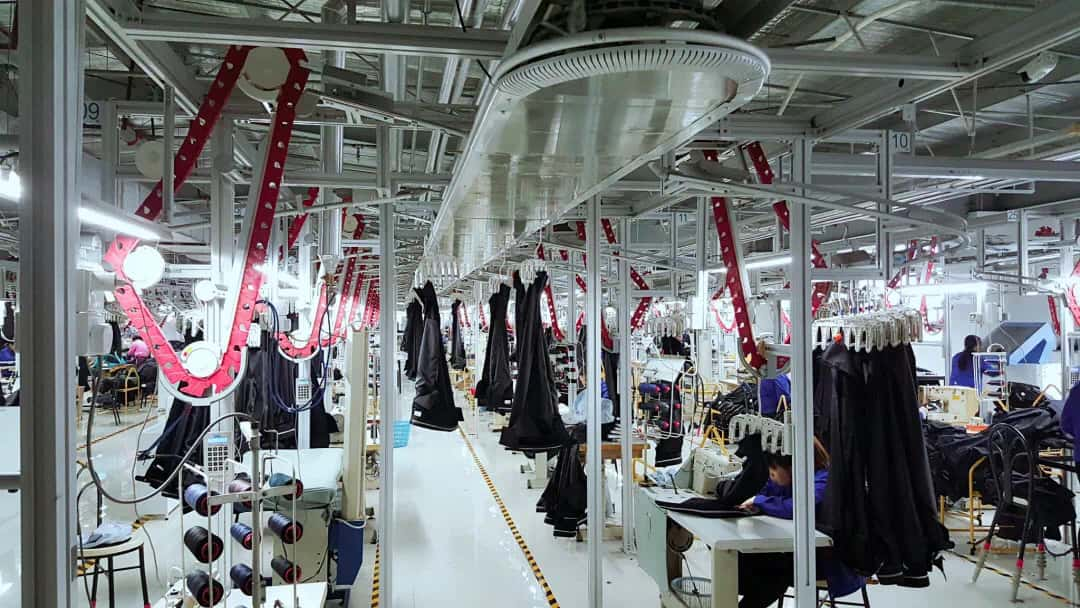
Identify the needs of your fashion brand before looking for possible partners using resources like industry events, online directories, and networking. Once a shortlist of applicants has been created, evaluate them using samples and open communication after vetting them for experience, production capability, and quality requirements.
Selecting the correct clothes manufacturer is a crucial decision that may make or break your business, whether you’re starting a new clothing line or growing a current one.
One of the most challenging and crucial phases in creating a successful clothes business, for both new and established labels, is locating trustworthy clothing manufacturers. You need someone that understands your concept, fulfills deadlines, creates high-quality clothing, and doesn’t abandon you after the initial round of samples.
Everything you need to know about clothing manufacturers is included in this guide, including where to look, how to screen them, what to ask, and how to establish enduring connections that foster your development.
Before You Start Searching for a Manufacturer
It’s crucial to establish the foundation before rushing into contacting apparel manufacturers and suppliers. The top garment manufacturers, whether small-batch or full-scale, American or foreign, will require certain details from you. Therefore, take a moment to identify what you truly need in order to save time and make better decisions.
1. Assess Your Needs
Consider this the framework for your fashion business. Determine your target market first: Are you creating daring streetwear for the fashionistas of Generation Z? Fitness enthusiasts looking for high-performance sportswear? Or rather classic pieces for daily wear? Understanding your target market will inform every facet of your company, including packaging and product design.
Next, think about your anticipated order volume, budget, and product kind. You should be realistic because custom clothes manufacturers typically have minimum order restrictions. Uncertain about the type of clothing line to start?
The AMZScout Product Database is one such tool that can be useful. This is your backstage access to the world of Amazon retail, so it’s not just any product research tool. AMZScout provides you with immediate access to the type of information that most sellers would need weeks to collect thanks to its extensive database, which contains over 600 million Amazon products. Top-selling apparel items in every conceivable category may be explored, results can be filtered by price, sales rank, reviews, and level of competition, and you can focus on opportunities that others might completely overlook.
The Product Database may assist you in finding lucrative clothing line opportunities supported by actual market data, whether you’re brainstorming or refining your notion. In order to concentrate your efforts on what people genuinely want to purchase, this is a great place to start when looking for ideas for in-demand products.
2. Validate Your Product Idea
Make sure there is demand before committing to a product idea. If a stylish design doesn’t sell, it’s worthless. Utilize the AMZScout PRO AI Extension’s data to your benefit.
Although Amazon sellers love this tool, anyone doing market research will find it to be quite helpful. Why? Since Amazon is the biggest online retailer in the world, its sales patterns provide a strong clue as to what customers truly desire. You may examine pricing trends, competition, demand, and profit potential straight from Amazon’s listings with the PRO AI Extension.
This is a smart, efficient way to validate your product ideas and make sure you’re building something that aligns with current market needs.
Here’s how to use it:
1. Install the AMZScout PRO AI Extension. Start a free trial with just your email address – no credit card needed.
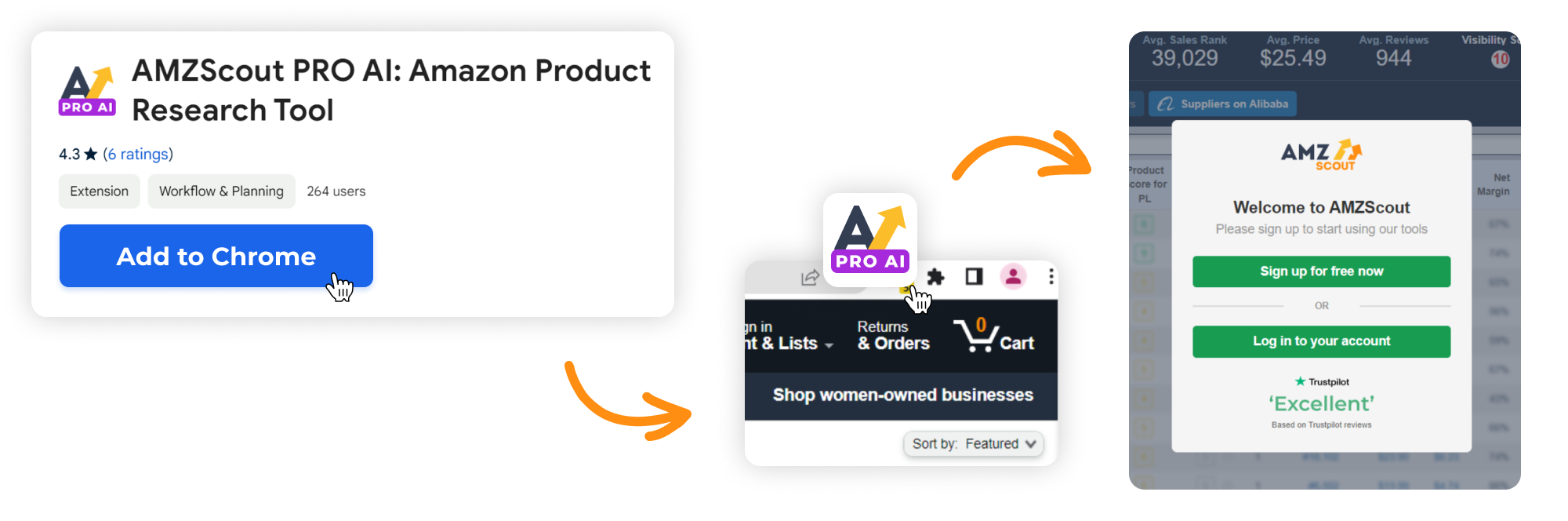
2. Open the Extension. Click the AMZScout icon in your browser.
3. Search for a product idea on Amazon. Type the name of any item you’re thinking of selling.
4. Sort the results. Click on the Estimated Sales column to see which items are performing best.
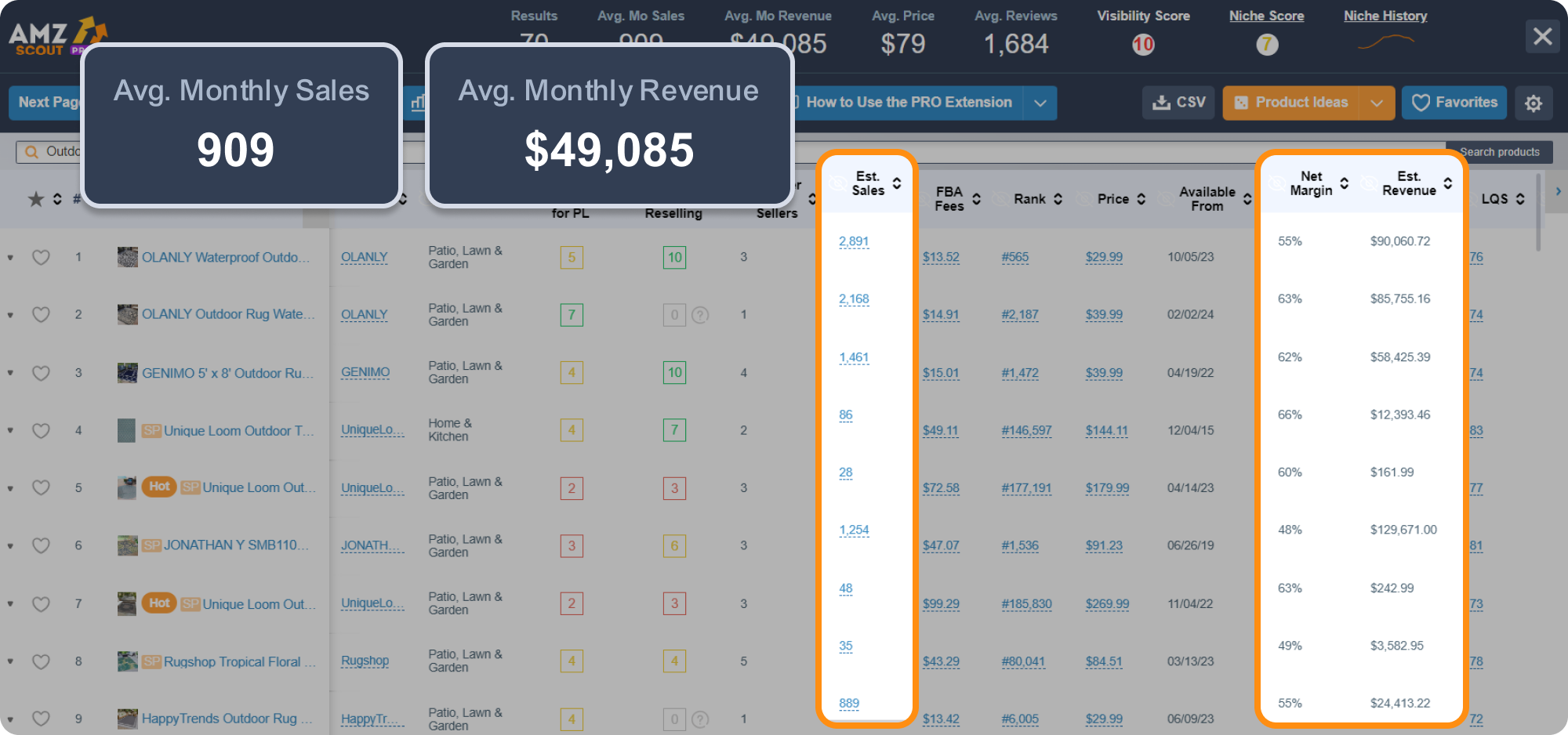
5. Check the bestseller’s product history. Look at historical sales to see if demand is consistent or just a passing trend.
6. Analyze with AI. Click AI Product Analysis for in-depth insights into whether the product suits your goals.
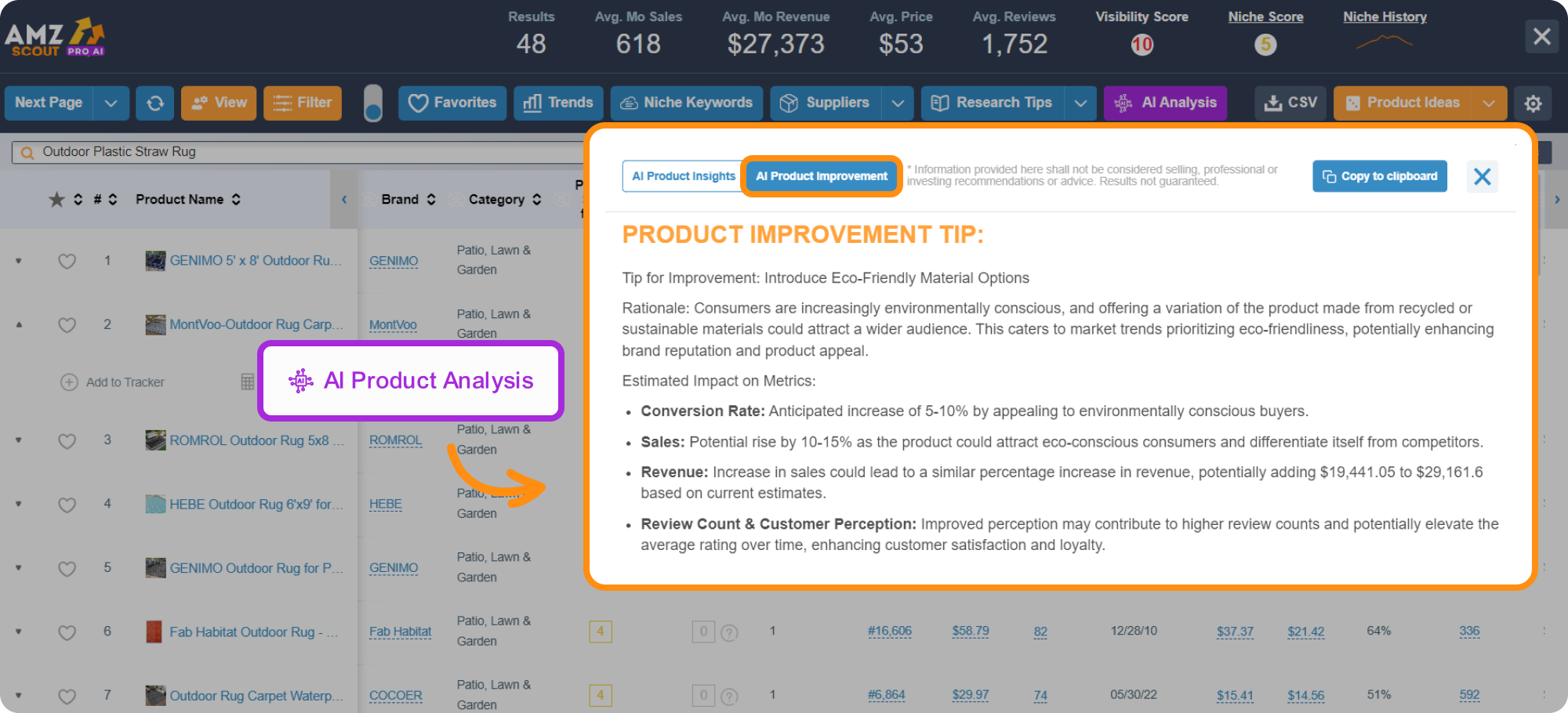
7. Compare and choose. Use the Favorites and Product Comparison tools to weigh multiple options and pick the best one for your brand.
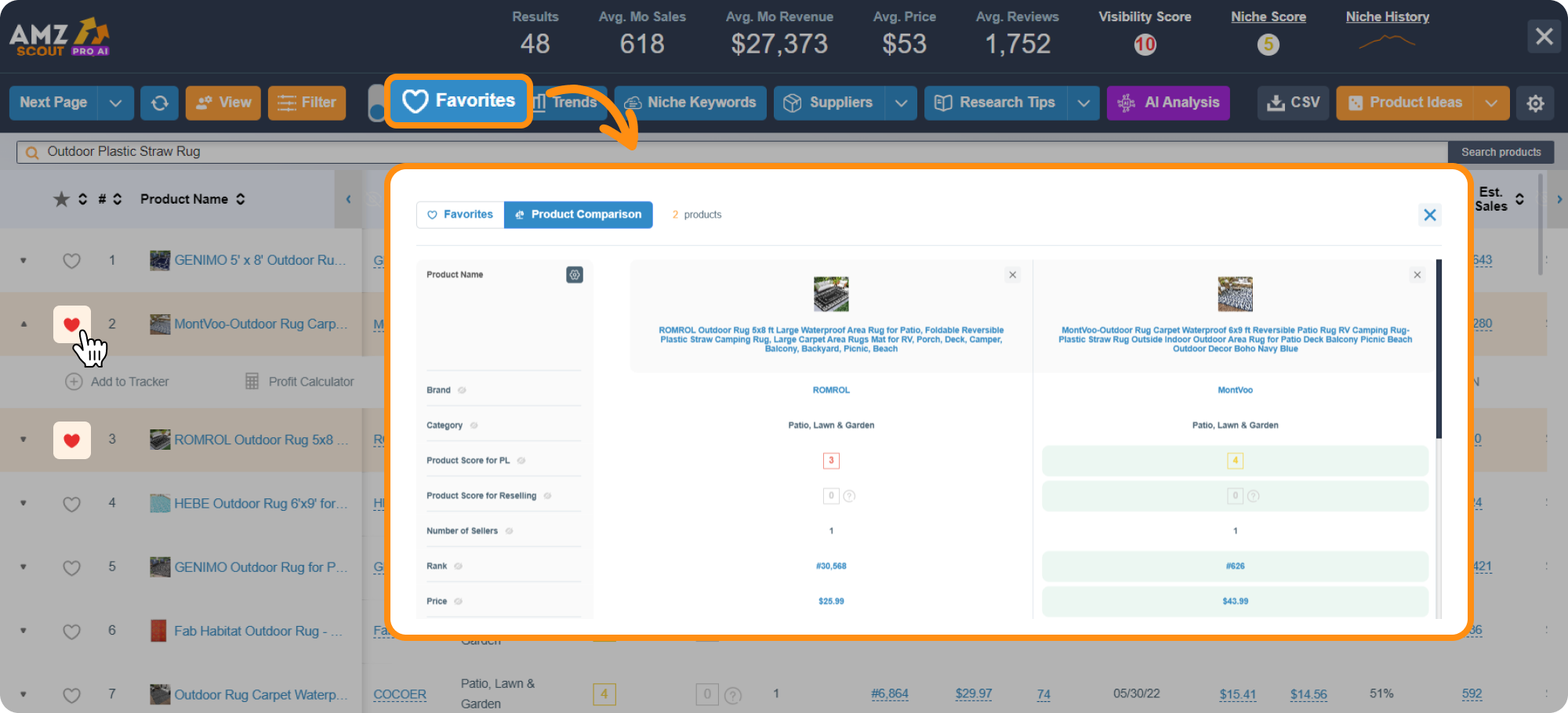
Validating your product idea ensures that you’re investing in something with real sales potential, which is critical when you’re working with clothing vendors and factories that require upfront costs.
3. Decide on Your Preferred Manufacturer Type
Now that you’ve narrowed down your product and confirmed demand, it’s time to choose the right type of clothing manufacturer. Here’s a quick breakdown:
- CMT (Cut, Make, Trim): This option is ideal if you have your own patterns and materials—they simply assemble your design.
- FPP (Full Package Production): Best for startups who want everything from design to delivery handled in one place.
- OEM (Original Equipment Manufacturer): You customize existing products from their catalog with your brand.
- ODM (Original Design Manufacturer): They provide the designs, and you brand them as your own—fast and easy, but less unique.
Each option has its own pros and cons, depending on your budget, timeline, and level of creative control. For most new Amazon fashion sellers, FPP and OEM are the most practical starting points.
How to Find Manufacturers for Clothing
You’re not just dreaming anymore; you’re actually building now that your concept is complete, your target market is determined, and your product idea is supported by actual data. Finding the ideal apparel factory or supplier to make it all happen is the exciting part that follows next. Ignore trial and error. To locate garment producers without guesswork, dead ends, or endless Google searches, follow these methods.
1. Online Platforms and Directories

The internet is a goldmine for finding vetted clothing factories, especially if you know where to look. These platforms give you access to thousands of clothing manufacturers, from high-quality fashion suppliers to affordable, startup-friendly options.
- Alibaba – One of the largest global B2B marketplaces. Use filters to find verified clothing manufacturers with low MOQs (minimum order quantities), and contact them directly. This option is great for getting products made at scale and on a budget.
- Maker’s Row – A favorite for small businesses and fashion startups in the U.S. It connects you with American clothing factories offering everything from prototyping to full-package production -ideal for those who want to manufacture locally and maintain better control.
- ThomasNet – A powerful directory of U.S.-based suppliers, including apparel manufacturers. Great if you’re seeking clothing factories in the U.S. with certifications and reliable production timelines.
- Indie Source – A Los Angeles–based clothing manufacturer that specializes in helping fashion brands go from an idea to the finished product. It’s especially helpful for those looking for custom clothing and full-service support.
2. Trade Shows & Industry Events

Do you want to shake hands with actual people who work in the factories? One of the quickest ways to find reliable apparel suppliers is through trade shows. They allow you to ask direct questions, view stuff up close, and even begin forming relationships in person.
Clothing sellers, fabric suppliers, and fashion entrepreneurs from all over the world gather at MAGIC Las Vegas, one of the largest fashion manufacturing trade exhibitions in the United States. Other notable programs include:
- Texworld USA – Focuses on textiles and sourcing, and especially useful if you’re planning to build your product from the fabric up.
- Sourcing at MAGIC – A spin-off event focused solely on finding apparel manufacturers and factories.
- The LA Textile Show – Great for West Coast brands looking for local manufacturers or boutique-level suppliers.
Attending these events can spark game-changing collaborations, especially if you’re launching a small clothing line or growing a niche fashion brand with high quality in mind.
3. Networking and Recommendations
Never undervalue the influence of a strong recommendation. Make use of these tools if you are a part of any online networks for fashion entrepreneurs, Amazon sellers, or clothing companies. Find out from other merchants where they make their goods, how long their lead times are, and if the quality is up to par.
Read Also: How to Get Your Clothing Line Featured in Major Magazines
Check out:
- Reddit threads (like r/AmazonFBA or r/fashiondesign)
- Facebook groups for clothing brands or private-label sellers
- Local business meetups or small business development centers
Real experiences from others can help you avoid the duds and go straight to reliable clothing makers in the USA who actually deliver high quality results.
4. Local Manufacturers


Working with local apparel manufacturers has several benefits, particularly if you desire greater control over quality, quicker turnaround times, and simpler communication.
Selecting a US manufacturer can streamline logistics and get rid of time zone or language constraints. Additionally, it’s simpler to scale production in real time, conduct quality inspections, and visit them in person. American apparel factories frequently offer flexible MOQs and serve small enterprises, whether they are manufacturing luxury sportswear or eco-friendly streetwear.
Check regional directories or reach out to nearby fashion schools and incubators. They often have connections to local factories, CMT manufacturers, or freelancers who can help you get started.
Choosing the Right Manufacturer
It’s time to conduct further research after creating a shortlist of potential apparel producers. Not all clothing manufacturers are made equal; some are designed to fulfill large orders, while others focus on custom clothing lines or boutique fashion labels. Here’s how to thoroughly assess each possible source to prevent expensive surprises later.
1. Ask the Right Questions
Think of your initial discussion like a job interview. It’s not the other way around; they’re applying to be your partner. Inquire about their production capacity to make sure they can develop with your company. Find out their MOQ (minimum order quantity), particularly if you’re testing a new product or running a small firm.
Recognize their price structure out front: Are there any unstated costs associated with creating patterns or editing samples? Remember to inquire about lead times, or the duration of production from beginning to end, as well as the types of quality control procedures they employ. A competent manufacturer will respond to these inquiries with assurance and candor.
2. Review Certifications, References, and Past Clients
For new businesses or fashion brands, a trustworthy clothes manufacturer should have credentials that can be verified. Request any industry certifications that attest to their compliance with certain standards, such as ISO, WRAP, or GOTS for organic textiles.
Additionally, you should ask for recommendations or a list of previous customers, particularly if you’re thinking about American clothes sellers or high-end clothing manufacturers. It’s a big plus if they have good reviews or have collaborated with well-known brands. Bonus: view actual products they have created by visiting their website portfolio or social media accounts.
3. Request Samples
Never place a large order without first viewing their work. You can assess the quality of the cloth, the stitching, the fit, the labeling, and the finishing touches with an item sample. Pay close attention to how closely the makers of your personalized apparel adhere to your design specifications.
Once you proceed, some might offer a paid sample or a refundable sample cost. This is your opportunity to compare suppliers side by side and steer clear of the calamity of receiving hundreds of subpar items that you are unable to sell.
4. Negotiate Terms
It’s time to discuss business once you’ve located a manufacturer who meets all your requirements. Don’t settle for the lowest offer; instead, negotiate prices that will sustain your profitability and long-term growth. Talk about your payment plan. For instance, will you pay 50% up front and 50% after delivery?
To avoid being left waiting during important sales times, get explicit agreements on delivery schedules. Above all, if something goes wrong, you should incorporate a quality guarantee provision to safeguard your brand. Fair, documented terms will be acceptable to a reliable clothes supplier. And it’s a warning to leave if they’re not.
Types of Clothing Manufacturers
Before starting your search, understand the different types of manufacturers clothing businesses typically work with:
Cut & Sew Manufacturers
These produce garments from scratch based on your design and tech pack. You supply the fabric or they help source it. Perfect for custom collections and brand control. Great if you’re designing something truly unique or using specific materials and fits that aren’t available off-the-shelf.
Private Label Manufacturers
These have pre-made products you can relabel or slightly customize. Great for quick launches with lower upfront costs. You don’t need to start from scratch—just choose from a catalog and add your brand.
Full Package Production (FPP)
They handle everything: design, sourcing, pattern making, grading, sampling, and production. Ideal for entrepreneurs who want one partner from start to finish. This is especially useful if you don’t have in-house product development skills or a production team.
CMT (Cut, Make, Trim)
You provide the fabric, patterns, and trims—they do the sewing and assembling. Often used by brands that already have design and sourcing handled. This is common for brands that want more control over sourcing or are working with specific fabric mills.
Knowing the type of manufacturer of clothes you need will help narrow down your options.
Here’s where brands typically find their first or next clothing manufacturer:
- Online directories (like ours at Apparel Entrepreneurship)
- Trade shows like Texworld, Magic, and Premiere Vision
- LinkedIn and Facebook industry groups
- Referrals from other fashion founders
- Local incubators or fashion schools with industry contacts
Additional sources include:
- Google searches using your niche and “manufacturer” (e.g., “sustainable yoga wear manufacturer”)
- Country-specific export portals (e.g., IndiaMART, Kompass, JETRO)
- Partnering with design and sourcing agencies who can connect you with their trusted manufacturers
When researching, make sure to check reviews and request real samples. The more informed your initial list, the higher the quality of conversations you’ll have down the line.
Top Clothing Manufacturers
A sample list of foreign vendors providing private label and wholesale clothing manufacturing services is shown below. These businesses offer high-quality production solutions globally and serve a variety of markets, including swimwear and activewear.
United States
- Alanic Global – Specialty: Diverse Clothing Categories
Alanic Global is a leading U.S.-based manufacturer offering a wide range of apparel, including activewear, fashion, and lifestyle clothing. They provide custom private label services with low minimum order quantities, catering to both startups and established brands. - Seam Apparel – Specialty: Sports Apparel
Seam Apparel specializes in private label sportswear manufacturing, offering high-quality activewear for various sports. They focus on performance fabrics and design innovation to meet the needs of athletic brands.
Canada
- Good For Sunday – Specialty: Apparel
Good For Sunday is a Canadian brand known for its ethically made clothing, including t-shirts, sweatshirts, and loungewear. They offer private label services with a focus on sustainability and quality manufacturing within Canada.
Mexico
- Vertical Knits – Specialty: Knitted Apparel
Vertical Knits is a vertically integrated manufacturer in Mexico, specializing in knitted apparel. They offer full-package services from fabric production to finished garments, emphasizing sustainability and efficiency in their operations. - Grupo Denim – Specialty: Denim
Grupo Denim is a prominent denim manufacturer in Mexico, known for its high-quality denim fabrics and garments. They cater to both local and international brands, providing customized denim solutions.
Brazil
- Brazilian Private Label – Specialty: Bikinis
Brazilian Private Label specializes in swimwear manufacturing, offering a range of bikini styles. They provide low minimum order quantities and transparent pricing, with a focus on quality and timely delivery.
United Kingdom
- White2Label Manufacturing – Specialty: Clothing
White2Label Manufacturing offers private label clothing production services in the UK. They provide a range of apparel manufacturing solutions, focusing on quality craftsmanship and efficient production processes.
Serbia
- Fush – Specialty: Clothing
Fush is a Serbian clothing manufacturer known for its high-quality garment production. They offer private label services with a focus on craftsmanship and attention to detail.
Australia
- OCC Apparel – Specialty: Apparel
OCC Apparel is an Australian manufacturer offering custom clothing production services. They cater to various apparel needs, providing quality manufacturing solutions for brands.
China
- Lezhou Garment – Specialty: Clothing
Lezhou Garment is a Chinese clothing manufacturer offering a range of apparel production services. They provide private label solutions with a focus on quality and cost-effectiveness.
India
- Loyal Textiles – Specialty: Clothing
Loyal Textiles is one of India’s largest textile manufacturers, offering a wide range of clothing production services. They provide private label solutions with a focus on sustainable practices and quality manufacturing.
Singapore
- The Fleur Label – Specialty: Apparel
The Fleur Label is a Singapore-based apparel manufacturer offering private label services. They specialize in creating stylish and high-quality garments tailored to their clients’ specifications.
Key Questions to Ask Clothing Manufacturers
When you contact a potential clothing manufacturer, don’t just ask for their price list. Instead, ask:
- What types of garments do you specialize in?
- What services do you offer (CMT, FPP, sampling)?
- What are your minimum order quantities (MOQs)?
- Can you help source sustainable or organic fabrics?
- Do you have experience with startups?
- What’s your lead time for samples and bulk orders?
- What’s your process for revisions or quality control?
- Are you open to doing small test orders?
- What is your pricing structure?
- Can you share references from other clients?
Also ask:
- How do you handle delays or production errors?
- Do you offer logistics and shipping help?
- What countries do you ship to?
- Can you support re-orders and scaling if we grow fast?
Be transparent about your expectations and see how well they align. The best manufacturers will not only answer clearly but also ask you smart questions in return.
The Production Process
The clothing production process typically follows these stages:
1. Design & Tech Pack
You create a tech pack that includes detailed garment measurements, fabric and trim specifications, stitching instructions, labeling guides, and packaging details. The more precise this document is, the smoother the manufacturing process will be.
2. Sourcing
You or the manufacturer source the fabric, trims, and accessories. Many manufacturers offer sourcing support and can help you locate sustainable or certified suppliers.
3. Pattern Making & Grading
The manufacturer develops patterns for each garment, then grades them across your selected size range. Pattern quality significantly affects fit, comfort, and fabric use.
4. Sample Development
A prototype sample is created to review fit, construction, and overall quality. This is your opportunity to request changes and fine-tune the product before committing to bulk production.
5. Pre-Production Sample (PPS)
Once all revisions are complete, the factory produces a final sample—the PPS—which must be approved before production starts. This serves as the quality benchmark for your full order.
6. Bulk Production
After PPS approval and payment, production begins. Garments are cut, sewn, finished, and assembled. Consistency in stitching, fit, and finish is key.
7. Quality Control
QC happens at various stages—post-cutting, post-sewing, and pre-shipping. Ask your manufacturer what their quality control process includes and how defects are handled.
8. Packaging & Shipping
Garments are folded, tagged, bagged, boxed, and shipped to your specified destination. You’ll choose between air freight (faster, costlier) and sea freight (cheaper, slower).
Always build time buffers into your launch or delivery plan in case of delays.
Conclusion
At first, finding the ideal clothes maker may seem intimidating, but with the correct planning, astute equipment, and a clear goal, this stage may be a springboard rather than a stumbling block. Selecting a manufacturer sets the tone for all that comes after, whether you’re expanding your Amazon clothes line, developing custom items, or starting a daring new fashion brand.





Comments