
 By
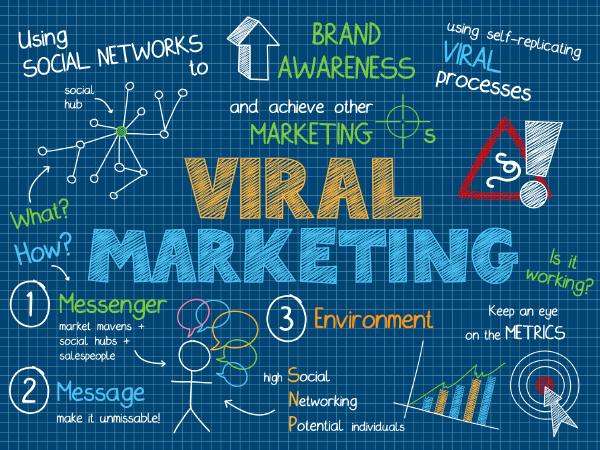
Viral marketing initiatives can propel businesses to the forefront, drive tremendous interaction, and convert casual viewers into committed consumers. Here, we’ll look at what makes a campaign go viral, highlight some noteworthy examples, and offer advice on how to increase the chances of viral success.
A viral marketing campaign is one that spreads swiftly and widely via the internet, depending on the audience to promote the brand rather than paid advertising.
While there is no set formula for making content go viral, it frequently requires capitalizing on existing social media trends and providing information that is eye-catching, stimulating, and unexpected. Consumers naturally want to share this type of material, which generates millions of views and shares and makes the brand more recognized to the broader public.
10 Steps to Launch a Successful Social Media Marketing Campaign
1. Research Your Competitors
Researching your competition is a crucial step that a lot of marketers forget in social media marketing, but you don’t want to miss this one. It can tell you what’s working for your competition. You can then use that valuable insight to inform and improve your own campaigns.
You can, for example, see how the competition covers certain types of topics and what types of content they create. Do they share tutorials or do a lot of Q&As? What posts get the most results? You can also see what times they post, how regularly they’re uploading content, and even what tone they’re using. Are they selling aggressively or giving more of a subtle nudge?
Uncovering your competitors’ social media strategies will allow you to create an even stronger one for your brand, giving you the edge. You can do your research manually, or you can use competitor research tools to compile the data for you.
2. Craft Your Strategy
Before you do anything else, create a solid strategy for your campaigns. Strategy can become complex, but start by breaking it down to the basics.
- First, choose your goal for the campaign. For example, do you want to build an online community, drive more leads to your site, or help promote your blog?
- Next, choose which metrics you’ll monitor. Say you want to drive leads to your site; then you might track the number of users contacting you directly or clicking links that are promoting lead magnets.
- Then, craft your messaging and content around the goal in a way that your audience will likely find appealing.
3. Promote One Message With Different Forms of Content
You should have finalized the messaging you want to use in the previous step. Now, in this stage, you’ll use different formats to deliver that message, such as infographics, videos, and blog posts, to see what works best.
You can, for example, promote one product with each of these different media types. See what your audience responds to, and keep using diverse formats while you favor those that come out on top. Doing so will keep your channels interesting and your users engaged.
4. Strike A Balance Between Promotional and Non-Promotional Content
That balance is particularly important because of Facebook’s new algorithm. If you share only promotional content on social media, people will become uninterested and stop following you. If, however, you share only nonpromotional content on social media, you won’t get the kind of results you’re hoping for.
So add content to your feed from external sources (content not written by you). For example, find a reputable media source in your industry and repost its top-performing content. That way, your audiences get to see content they might otherwise have missed, and you can build relationships with fellow experts in your industry, too.
5. Publish Unique, Trending Content
This one sounds a bit like an oxymoron (how can content be both trending and unique?), but it’s a great strategy to use. Find trending topics or strategies and put your own unique spin on them. If many marketers are writing about how Facebook Zero is going to damage reach, for example, you should be the one who writes about how it will help businesses that make the effort to better connect with their clients.
You, your business, and your product are unique, so don’t create cookie-cutter content.
6. Use Scheduling Software to Optimize Your Routine
Trying to create social posts on the fly isn’t going to cut it. Instead, optimize your campaigns and your routine by using scheduling software to streamline the process.
Read Also: Instagram vs. TikTok: Which Platform Works Best for Your Brand?
You can create a social media calendar in advance, scheduling posts to be published at specific times and dates. This approach significantly reduces the amount of time you’ll spend bouncing around on different platforms to upload content, giving you more time to focus on creating great content and engaging with users.
7. Use Social Listening Tools and Engage With Your Audience
Social listening tools are exceptionally powerful. They allow you to see what people are saying about your brand, which may be very different from what they’re saying to your brand.
Use social listening tools to monitor the impact of your campaigns and see what people are talking about. You should also specifically check what questions people have about your product, brand, and industry; such questions offer valuable ideas for content.
8. Create a Unique Hashtag for Each Campaign
Hashtags are powerful entities on Instagram and Twitter. They can help drive engagement, and just as important, they can help you track the results of your campaigns.
By creating a unique, branded hashtag for your brand and specific campaigns, you can more easily track engagement and user-generated content even if users don’t remember to tag your brand directly in their posts.
Branded hashtags shouldn’t replace the more common hashtags that your audience is using. To maximize reach and trackability, use both kinds in each post.
9. Go Live
Livestreaming is a big trend in social media, and if you aren’t taking advantage of it, you’re missing a prime opportunity. Go live on Facebook or Instagram on topics related to your social campaigns. To increase engagement, host Q&A sessions and answer customer questions asked either beforehand or in the live comments.
The best part? Once the broadcast is over, you can save it and share it as a regular video to your platforms, giving you native video content.
10. Analyze Your Performance
Just because your campaigns may be underway or over doesn’t mean the work is done. Regularly analyze the success of your campaign as it progresses, and evaluate it closely once it’s over. You can get valuable insight into what worked well and what didn’t.
That analysis also gives you the chance to identify the top content from the campaign. You can then reschedule or repurpose it to run again soon, increasing your results and keeping the momentum going.
The Elements of a Viral Marketing Campaign
According to Paula Mantle, VP of Marketing at Branch, there’s no silver bullet to going viral: “Virality is part strategy, part timing, and a whole lot of luck.”
However, there are some ways you can sway the odds in your favor. Every successful viral marketing campaign uses some combination of the following six tactics and techniques to capture the attention of a broad and varied audience.
Timeliness
It is important to optimize the times you post to ensure the widest possible audience sees your content. It’s also vital to stay current with industry and pop cultural trends to know what your target audience is gravitating toward. You can use Google Trends to see what’s trending online so you can make informed, tailored decisions about your content strategy.
Visual appeal
Viral campaigns need a strong visual component to resonate with audiences. Consumers respond to eye-catching visuals that tell a story and allow them to better understand your brand.
“To stop the scroll, your creative has to stand out,” said Mantle. “Video is performing well these days but must also work with or without sound.”
Creativity
While there are always exceptions, campaigns are much more likely to go viral when there is an innovative, original idea guiding the marketing campaign. The content has to feel creative and fresh for people to want to organically share it among their networks.
Shareability
Viral content should be easy for consumers to share on social media. The impetus to share could stem from a hashtag, imagery that consumers can easily replicate, or giveaways. The goal is to create buzz about your brand that people will see others interact with and want for themselves.
Emotional resonance
Viral campaigns often elicit a strong reaction, connecting with consumers on an emotional level.
“The best viral campaigns use humor, nostalgia, or shock value to hit a nerve,” said Mantle. “And you only have a couple seconds to compel audiences to feel so strongly about your topic that they must share it.”
Relevance to your target audience
Marketing campaigns should resonate with your target audience so they will feel inclined to share. As you create your content, ask yourself the following questions: What platforms do my target audience use most regularly? What do they feel passionate about? What are their values? Use the answers to guide your content strategy and encourage organic shares
How to Measure the Success of a Viral Marketing Campaign
To ensure your viral marketing campaign is both popular and effective, make sure you’re tracking the right metrics, including:
- Reach and impressions: Gauges how many users saw your content and how often it appeared.
- Engagement rate: Tracks likes, shares, comments, and clicks.
- Referral traffic: Measures how many users visit your site via shared links.
- Conversion rate: Shows how many viewers take action (buy, sign up, etc.).
- Viral coefficient: Indicates how many new users each existing user brings in.
- Viral cycle time: Measures how fast your campaign spreads from user to user.











Comments