
 By

Likes, shares, and comments on social media sites like Facebook, Twitter, and LinkedIn are examples of social signals that do not directly affect Google rankings. However, through enhancing brand awareness, generating backlinks, increasing traffic, and improving content visibility, they have a substantial indirect impact on rankings. High social interaction can enhance search results by telling search engines that material is useful, reliable, and well-liked.
Here is how social signals impact Google rankings:
- Increased Brand Visibility and Awareness: A strong social presence keeps a brand in front of users, leading to more branded searches, which helps establish authority.
- Faster Indexing: Content that gains traction on social media is often crawled and indexed faster by search engines.
- Organic Backlink Opportunities: Content that goes viral or performs well on social media is more likely to be seen by bloggers, journalists, and influencers, resulting in valuable, high-quality backlinks.
- Driving Referral Traffic: Increased shares lead to higher traffic, which can improve behavioral metrics, such as higher dwell time and lower bounce rates.
- Local SEO Impact: Social signals may have a stronger influence on local search, as engagement, shares, and mentions contribute to a business’s local prominence and “buzz”.
Search engines and social media are now more interwoven than ever. Social signals—also known as likes, shares, comments, reposts, saves, and brand mentions—have a big impact on how people are seen online in 2026. Social signals have a significant impact on how search engines assess the relevance, authority, and reliability of content, even if they do not directly affect ranking in an algorithmic sense.
Any company hoping to expand in the era of mixed search and social discovery must comprehend how these signals function and know how to purposefully produce content that generates them.
What are Social Signals in SEO
Social signals refer to any measurable engagement a piece of content receives on social media platforms. These can include:
- Likes and reactions
- Shares and reposts
- Comments
- Saves and bookmarks
- Follower counts
- Brand mentions
- Click-throughs from social platforms
- Viral trends and hashtag participation
By 2026, social signals for SEO have evolved far beyond basic engagement. They now capture audience intent, content usefulness, and brand influence, key elements that not only help content rank better but also improve brand image.
How to Leverage Social Media to Improve SEO Rankings
To maximize the impact of social signals and harness social media as a powerful extension of the SEO strategy, implement these enhanced best practices:
1. Create share-worthy, engaging content
Craft posts that are visually appealing, concise, and genuinely valuable to your audience. Use high-quality images, infographics, short videos, and compelling hooks. The more users save, share, and interact with the content, the stronger the indirect SEO benefits.
2. Encourage conversations
Boost engagement by actively inviting interaction. Ask thoughtful questions, run polls, encourage comments, and respond quickly to build rapport. Social platforms reward accounts that spark meaningful conversation, ultimately increasing visibility and click-throughs to the website.
Read Also: What Is Social SEO and Why It Matters in 2026
3. Build communities, not just followers
A thriving community generates consistent engagement signals over time. Create groups, host live sessions, or run challenges that bring people together. Community-driven brands enjoy stronger loyalty, more frequent sharing, and higher branded search volume, all of which support SEO.
4. Optimize your social profiles
Treat the social profiles like search-optimized landing pages. Use clear branding, strategic keywords, and consistent messaging across all platforms. Add links to your website, blog, or landing pages, and make sure your bio clearly communicates your value proposition, especially if you are reinforcing a strong B2B branding strategy.
5. Use Off-Page SEO practices
Integrating core off-page SEO fundamentals, such as link building, brand mentions, and authority-building, with your social media efforts creates powerful synergy. When supported by strategic Off-Page and the right Off-page SEO tools, the social content can attract high-quality backlinks, amplify online visibility, and strengthen overall domain authority.
6. Collaborate with influencers and micro-influencers
Partnering with influencers dramatically amplifies reach, trust, and credibility. Influencer-driven content often results in increased brand searches, higher engagement rates, and valuable referral traffic, all of which contribute indirectly to better SEO performance.
7. Post consistently using a content calendar
Maintain a structured posting schedule using tools like an SEO-driven content calendar. Planning ensures thematic consistency, aligns messaging with keyword trends, and creates predictable engagement patterns. Consistency is key to staying top-of-mind on social platforms.
8. Track social signals with analytics
Monitor performance metrics such as clicks, engagement rates, shares, brand mentions, referral traffic, and conversions. Analyzing what resonates most helps refine the ongoing strategy, ensuring your social media content continuously supports SEO objectives.
9. Combine social strategy with professional SEO support
Many brands partner with an SEO company to integrate on-page optimization, off-page SEO, website content strategy, and social media. A unified approach ensures that every piece of content, whether posted on your website or socials, works together to improve rankings and overall digital performance.
10. Repurpose content across multiple channels
Transform high-performing blog posts into carousels, videos, or quote graphics. Repurposing increases reach, reinforces key topics you want to rank for, and helps build topical authority.
11. Leverage user-generated content (UGC)
Encourage customers to share their experiences. UGC builds social proof, enhances brand trust, and often leads to more branded searches, an important SEO signal.
12. Use hashtags and keywords strategically
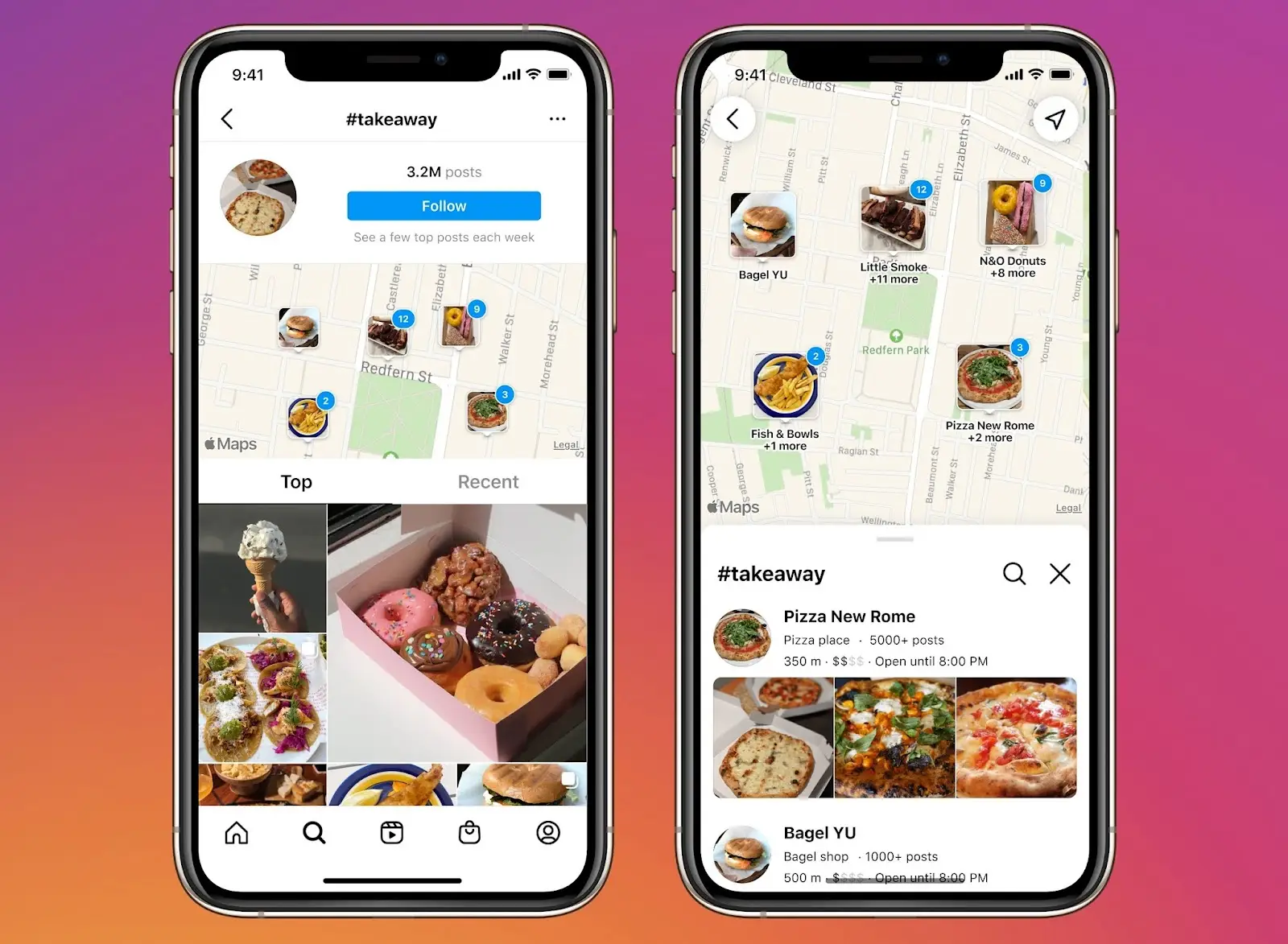
Hashtags on platforms like Instagram, TikTok, and LinkedIn can increase discoverability. On YouTube and Pinterest, keyword optimization works similarly to traditional SEO, helping the content rank within those search ecosystems. These distinctions become especially important when comparing Instagram vs website visibility, as each channel attracts audiences through different discovery behaviors and search patterns.
Future Outlook
Looking ahead, social signals will become even more influential as:
- AI models gain deeper insights into user behavior
- Generative search systems prioritize brand relevance
- Search engines integrate more social context into ranking criteria
- Community-driven content becomes essential for credibility
- Engagement-based ranking signals continue to grow
Social signals will not replace backlinks or core SEO practices, but they will increasingly shape how content is interpreted and ranked.
Brands that integrate social engagement into their Off-Page SEO strategies will have a measurable advantage, especially as off-page tools become more sophisticated in analyzing sentiment and influence.








Comments