
 By
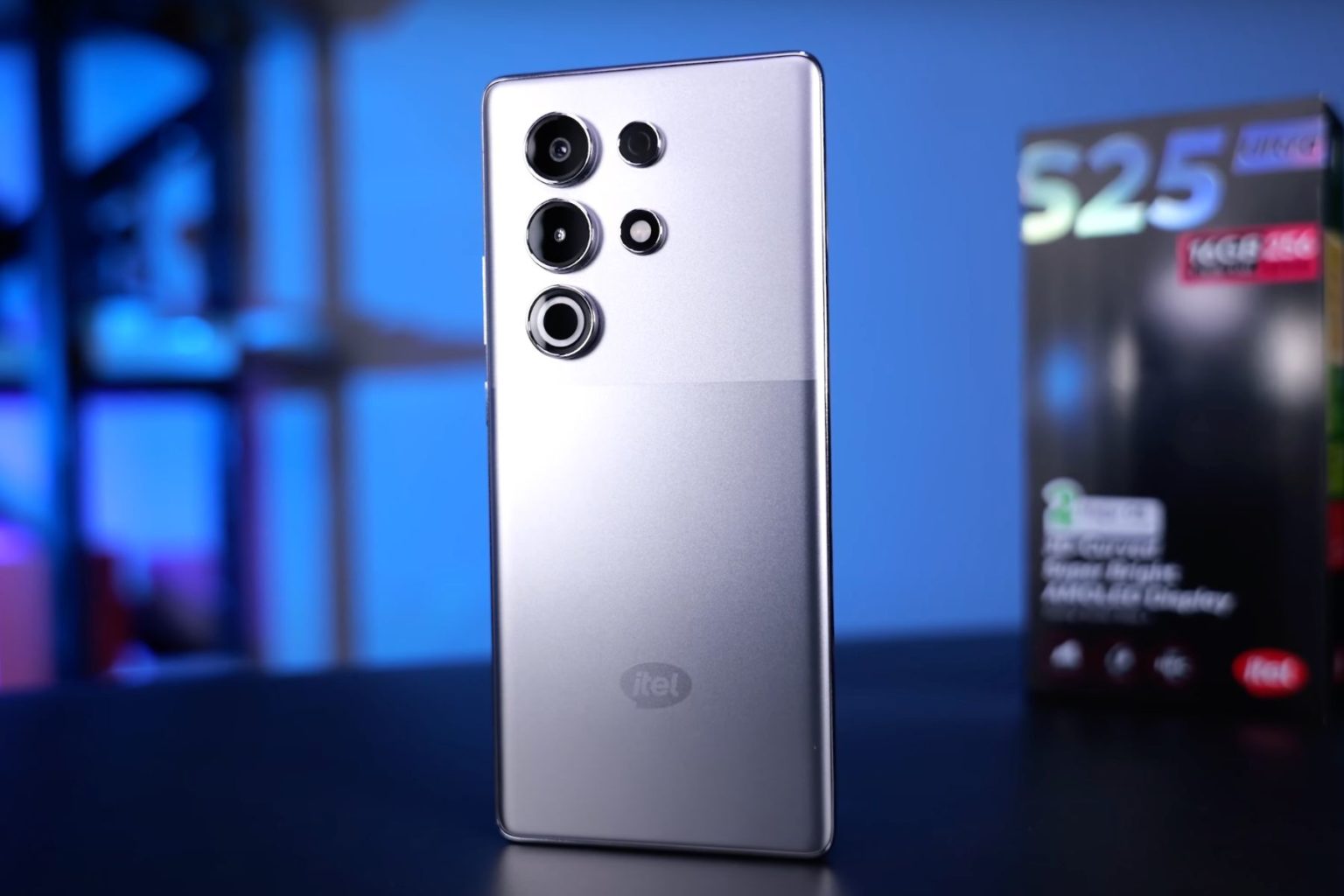
Because of its product customization, Transsion has found success in African markets. The company hopes that this strategy will be successful elsewhere in the world. Now that the company has cemented itself in markets across the continent, it is looking to expand its global reach further. But rising competition, the growing digitalization of manufacturing and a dearth of owned patents, all pose challenges to Transsion’s continued expansion.
“What made Transsion unique was its three-brand strategy that catered to multiple consumer segments,” says Ramazan Yavuz, EMEA Director at market intelligence firm IDC. “This strategy, along with the creation of products designed for local demand allowed them to rise up the global ranks of mobile phone manufacturers.”
Shenzhen-based smartphone manufacturer and ancillary services provider, Transsion Holdings, was founded in 2006 by Zhu Zhaojiang as Tecno Telecom Limited. After rebranding to Transsion in 2013, the company listed on the Shanghai Stock Exchange’s STAR Market—the science and technology innovation-focused arm of the bourse—in 2019. As of August 2024, Transsion was worth ¥83.38 billion ($11.61 billion) and, according to IDC data, Transsion shipped 28.2 million smartphones in Q4 2023, making it the world’s fourth largest seller, up 68.6% year-on-year.
While much of its manufacturing and R&D takes place in China, the company operates primarily in markets across the Global South under its subsidiary brands TECNO, iTel and Infinix. Across the three brands, Transsion offers a notably large selection of products, with models available for a range of different price points and with tailored features such as extended battery life in areas with less consistent electricity access and improved camera functionality for consumers with darker skin tones.
Transsion also owns and operates brands that extend beyond the handset market. Oraimo specializes in smartphone accessories such as power banks, chargers and headphones, Syinix is a consumer electronics play, and Carlcare, which is akin to Apple Care, provides dedicated after-sales services for the three handset brands.
Quality connection
The company has utilized several winning strategies to cement its dominance across Africa. One such strategy was to develop the company’s products under three distinct brand marquees. “Consumers knew about TECNO, iTel and Infinix as separate entities, but they do not really associate them with each other,” says Avle. “This helps them promote competition in the market, but also keeps it within the company to some degree.”
The segmentation also allowed them to provide products across each cost segment. iTel focuses on the low-end more affordable handsets, TECNO on the low- to mid-end segments and Infinix on the higher-end $200-$400 segments to compete with larger manufacturers such as Xiaomi, Samsung and Apple. At the same time, each brand still offers handsets for less than $100 to provide some level of affordability.
“The pricing was very suitable for African consumers at a time when the global brands were too expensive for those with a low income but a desire for a smartphone,” says Yavuz. “Also, because the company had time in a relatively niche market, they were able to establish a solid distribution strategy across big cities and rural areas. This helped gain brand awareness and reach a wider consumer base.”
It is important to understand that the African market demand is still split down the middle between feature phones—a cellphone that contains a fixed set of functions beyond voice calling and text messaging but is not as extensive as a smartphone—and the more modern smartphones. Acknowledging this was part of Transsion’s tailoring of products to market needs, something it did on a country-by-country level.
Progressing from there, the company sought to react to specific market needs and add features as required by their target demographics. For example, they were one of the first companies to offer the Amharic alphabet on the mobile phones produced in their Ethiopian factory. As a result of this approach, Transsion has offered, at times, up to 50 different handsets at once—a number far higher than the average on offer from competitors such as Apple, Huawei and Samsung, whose offerings tend to number in the low-to-middle single digits.
A particularly in-demand feature has been improved camera quality, with technology that better responds to the darker skin tones of the African consumer base. Africa is currently the youngest continent in the world, and providing cameras that help with reflecting darker complexions at night or in environments with little light emphasizes the appeal of Transsion phones in the younger ‘selfie generations,’ as well as older consumers.
Read Also: Nigeria’s Brand Battle: Tecno vs Infinix vs Samsung – The Real Story
Another tailored feature provides better quality battery life in markets with varying levels of access to, and reliability of, electrification sources. As with camera quality, there is a diverse range of models on sale with varying battery sizes for those who need to prioritize battery life over other types of functionality.
Transsion also offers handsets with multiple SIM card slots to help consumers better utilize the large number of telecommunications service providers on the continent. “Every country in Africa has many operators,” said Qiu Yusheng, Transsion’s former Head of Investment. “These operators have different strengths and weaknesses in signal coverage in different regions, meaning users often need to use several SIM cards to ensure signal when calling from different places.”
Transsion is also supplementing its offerings through its other subsidiaries. Accessories brand Oraimo, for example, offers a range of battery-related products, from handheld power banks to portable solar generators and home energy storage systems. For example, the PowerSolar 38 solar home lighting system provides portable solar-powered tube lights and three charging ports for phone handsets.
Transsion has also utilized a targeted approach to the needs of new markets. The company’s initial foray into India, for example, was led by iTel, strategically targeting the lowest price segment in Tier-2 and Tier-3 cities and consumers that either couldn’t afford or didn’t perceive a need for a smartphone. It has also developed unique features like oil-resistant fingerprint recognition in nations like India where it has grown as an increasingly competitive player.
Transsions growth has been impressive, but changes in the global tech environment, legal issues and increasing competition, both local and international, mean that the company faces challenges to take steps to keep up.
Competition is fierce and that results in two key considerations. Global economic conditions mean that vendors have to care about profitability more than ever, and maintaining costs at an affordable level is a challenge for all manufacturers. At the same time, advanced technologies are the key difference maker right now, whether that be through the inclusion of AI or the use of cutting-edge chips.










Comments