
 By
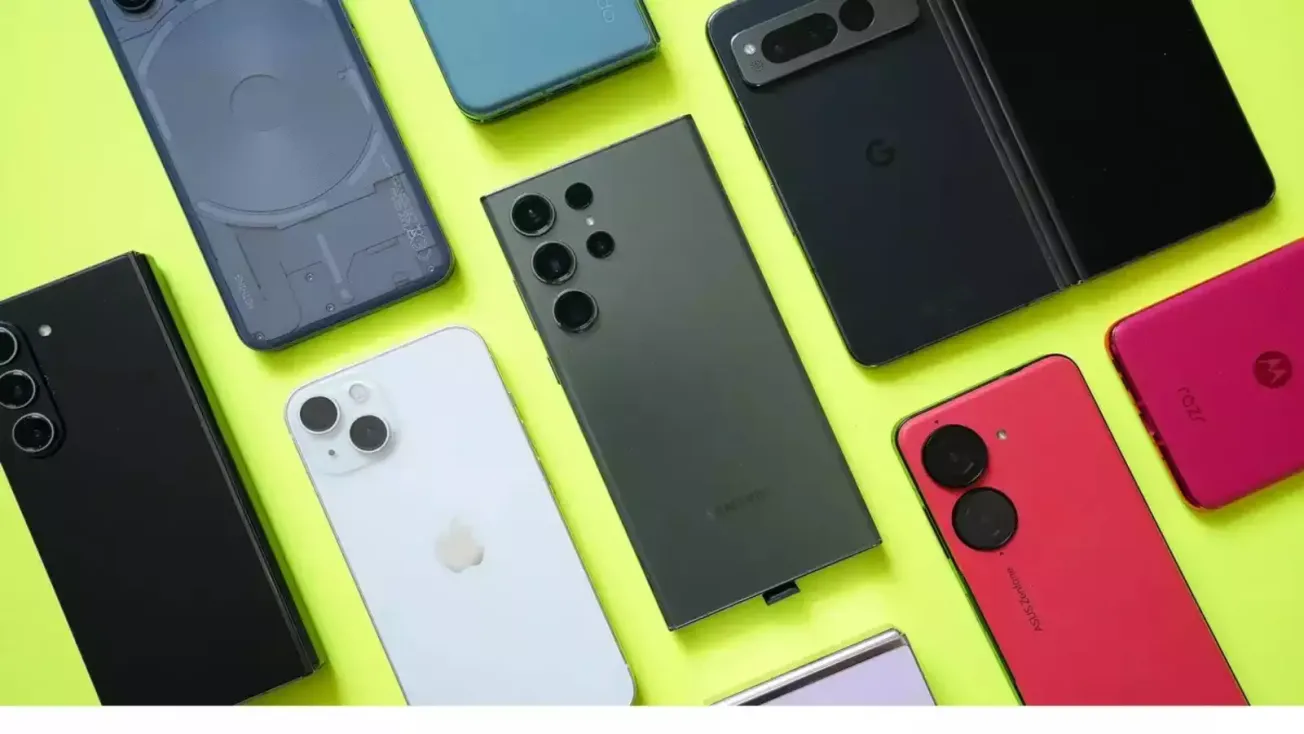
The need for dependable and reasonably priced smartphones has led to a recent surge in the mobile phone sector across the African continent. A number of domestic businesses have become important market participants in response to this need, providing a variety of goods that satisfy customers in many nations. These businesses are crucial to the expansion of the African mobile phone market, offering consumers high-quality products at reasonable costs, and advancing the economic prosperity of the continent.
Africa’s smartphone revolution is unfolding at full speed, with brand dynamics that illuminate both regional consumer economics and global supply-chain strategy.
Affordability, dual-SIM capability, long battery life and durability often matter as much as raw specs in many African market conditions under which a select group of manufacturers are defining which devices get used, not just sold.
At the top sits Samsung, the Seoul-based behemoth whose Galaxy A-series, S-series and folding-screen models deliver broad reach from premium to mid-tier across North, Southern and East Africa.
Yet the strategic story lies elsewhere: in the rising dominance of Transsion Holdings, whose brands Tecno, Infinix and itel engineer smartphones explicitly for African realities. Meanwhile, value champions such as Xiaomi and mid-tier challengers like Oppo, Vivo and Huawei press from behind.
And in the premium niche, Apple commands attention not through volume, but through influence dominating high-income segments and app-ecosystem leadership.
Together these ten brands form the beating heart of Africa’s mobile-device landscape and tracking their distribution, pricing strategy, network readiness and local-service footprints says as much about how smartphones are lived with on the continent as how they are sold.
1. Samsung
Samsung combines premium flagship sales with expansive coverage in the low- and mid-range. Its Galaxy A-series value phones and high-end S- and Fold-lines give it market leadership across major African regions. According to usage-based data for February 2025, Samsung held approximately 29.8 % of Africa’s mobile-phone market.
2. Tecno (Transsion Group)
Tecno, a brand under Transsion, is built for Africa. With features like power-efficient batteries, cameras tailored for darker skin tones and pricing tuned for budget markets, Tecno leads unit sales in many West African countries, backed by wide retail and after-sales networks.

3. Infinix (Transsion Group)
Infinix positions itself toward younger consumers in Africa performance-oriented, often bundled via online channels and telecom subsidies. It delivers strong value-for-money hardware and has gained traction among first-time smartphone buyers.

4. itel (Transsion Group)
itel specialises in the ultra-budget segment, dominating the sub-US$100 tier and feature-phone conversions. Its mass-market focus and strong retail reach give Transsion a volume advantage across Africa’s most cost-sensitive markets.
5. Xiaomi
Xiaomi’s strategy of high specs at competitive pricing resonates in price-sensitive African markets. Its push via online retail and expansion of service networks has seen rapid growth, especially in key countries like Nigeria and Egypt. For example, Q1 2024 shipments rose 115 % year-on-year.
Read Also: Preparing for the Next Wave: Web3 and Beyond
Below are other smartphone brands in Africa to look out for:
Apple
Apple’s Africa story is distinctive: fewer units, but a heavy revenue and influence footprint. iPhones appeal to higher-income segments, drive app ecosystems and sustain service-subscription models. According to usage-based data, Apple held about 13.3 % of Africa’s mobile market in Feb 2025.

Huawei
Huawei’s position shifted under trade-related constraints, yet it remains relevant. Known for durable hardware, long battery life and strong carrier relationships especially in North Africa and parts of West Africa it remains an important mid-tier contender.
Oppo
Oppo focuses on camera and fast-charging features, and has expanded dealer networks across East and Southern Africa. Its mid-range device lineup has become a go-to choice for consumers seeking design, features and affordability
Vivo
Vivo competes on camera performance and sleek design. Though not uniformly dominant across every African country, it is gaining traction in large urban markets where consumers are upgrading from basic smartphones to more feature-rich models.
Nokia (HMD Global)
Nokia’s legacy brand recognition still holds weight. Under HMD Global, Nokia offers clean Android builds, extended security support and affordable models appealing particularly to enterprise buyers and value-conscious consumers who prioritize durability and longevity over flashy features.
When choosing a smartphone in 2026, it’s important to consider these essential features:
For comparative insights on smartphone specifications, visit GSMArena’s comparison tool.
Battery Life: Long-lasting battery life is crucial in Nigeria, where power supply can be inconsistent.
Processing Power: With apps becoming more demanding, a phone’s processor directly impacts performance. Consider models with octa-core processors for optimal multitasking.
Camera Quality: For many Nigerian users, the camera is one of the most important features. Look for high-resolution sensors, optical image stabilization (OIS), and low-light performance.
For advanced camera tips and tricks, you might find Digital Camera World helpful.
5G Connectivity: As Nigeria rolls out 5G networks, future-proofing your device with 5G capability ensures faster internet speeds and better connectivity.
AI-Enhanced Features: Many 2026 smartphones now include on-device AI for photography, voice assistance, battery optimization, and security, reducing reliance on constant internet access.
Fast & Smart Charging: With charging speeds exceeding 80W on some models, users can get a full day’s power in under 30 minutes — a major advantage in power-constrained environments.
Durability: Rugged or water-resistant designs are useful for users who work in tough environments or need a phone that can withstand wear and tear.
Conclusion
With cutting-edge features like strong CPUs, sophisticated cameras, and high-resolution displays, the newest smartphones in Africa appeal to both regular users and tech enthusiasts.
As 2026 continues, smartphone makers are improving performance, battery life, and AI-powered camera systems to provide consumers with better real-world experiences rather than only greater specs on paper.











Comments