
 By

Even though you’ve been publishing, expanding your following, and doing everything correctly, you haven’t actually earned any money from it. You’re not by yourself. This stage is reached by many creators. They are left wondering where to begin when they witness others securing brand partnerships and making money off of their material.
One of the most noticeable achievements in creator monetization is landing your first brand agreement. It’s the point at which your material starts to benefit you and starts to draw in actual opportunities rather than just likes and views.
It doesn’t require an agent or millions of followers. Getting that initial “yes” is considerably simpler once you know where to go for the appropriate companies and how to confidently introduce yourself. We made this guide to help you score your first deal and use it as the basis for a stable, expanding creator business.
Now let’s begin.
What is a Brand Deal?
A brand deal is when a company pays or rewards a creator to promote its product or service. It’s one of the most common ways creators start earning from their content, yet also one of the most misunderstood.
When a brand works with a creator, they’re not just buying a post. They’re buying trust. They want access to the connection you’ve built with your audience—the kind of influence traditional ads can’t replicate.
Many creators assume they need a massive following before brands will take them seriously, but that’s not true. Brands regularly partner with micro-influencers and smaller creators who have loyal, highly engaged audiences.
Types of Brand Deals
Not all brand deals look the same. Some pay upfront, while others reward you through commissions or product exchanges. Understanding the main types helps you choose the ones that best align with your goals.
Here are the main types of brand deals creators can secure:
1. Sponsored Posts
A brand pays you to feature its product in your content. It could be a TikTok tutorial, an Instagram reel, or a YouTube integration that feels native to your usual style. This is the most common kind of influencer brand deal.
For example, Belgian travel creator Yannick Merckx worked with Coca-Cola on a local storytelling campaign in Mexico, sharing organic, lifestyle-oriented posts that blended seamlessly with his usual travel content.
2. Affiliate Deals
You promote a product using a unique link or code and earn a percentage from every sale. This model works well in niches where followers trust your recommendations, such as fitness, tech, or beauty. For example, lifestyle creator Amanda Fischer uses her Stan Store to host all her affiliate links—from Amazon and Target to her favorite beauty brands.
She shares that single link across her social platforms, letting her audience explore and shop everything in one place. It’s a simple system that keeps her brand organized while earning from multiple affiliate deals at once.
If you want to do the same, you can build your own Stan Store and organize every affiliate link, lead magnet, and digital product on one easy-to-share page.
3. Gifted or Product Seeding Collaborations
Brands send you free products hoping you’ll share them with your audience. It’s often how creators start before transitioning into paid content creator brand deals.
A strong example of this path is Sephora Squad, a creator program that begins with product gifting and grows into paid collaborations and affiliate commissions.
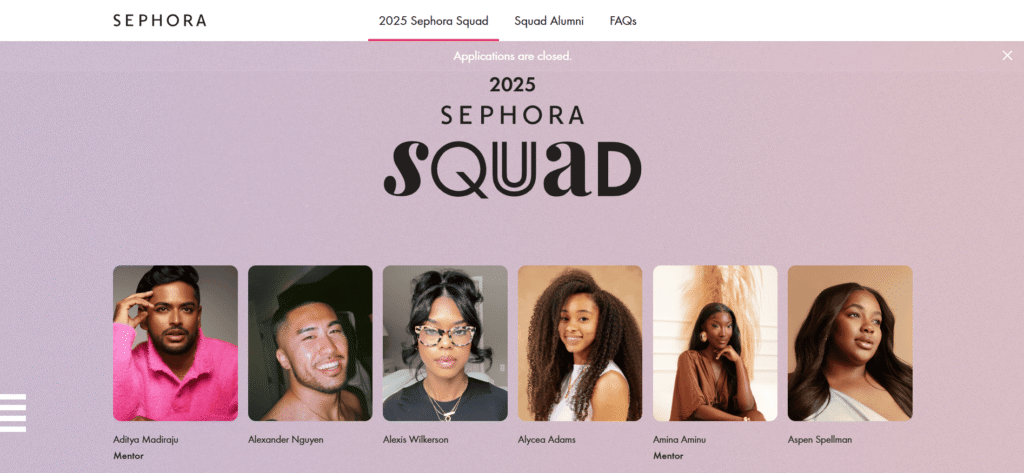
Many creators start with simple unboxing content, then move into long-term sponsorships once the brand sees consistent performance.
4. Ambassadorships
A long-term collaboration where you represent a brand across multiple campaigns or platforms. Ambassadors typically receive recurring payments, early product access, and ongoing perks like event invitations or exclusive discount codes for their audience.
These partnerships go beyond one-off posts. They’re about embodying the brand’s values and becoming a consistent face of their community.
For example, fitness creators often join programs like Gymshark or Alphalete ambassadors, where they wear and promote the brand year-round while earning commissions on every sale made through their links.
5. UGC Brand Deals
Short for user-generated content, these are paid projects where you create videos or photos for a brand to use on its own channels or ads. You don’t have to post it yourself, making it ideal if you prefer creating over promoting.
Platforms like Pearpop make this even easier by connecting creators directly with brands that pay for UGC based on performance. You can get paid to create for major companies—without ever needing to post the content on your own page.
Why Negotiating Influencer Rates and Contracts Matters
For Brands: ROI and Risk Management
Brands waste money when they overpay for low-engagement audiences or underpay creators who deliver exceptional results. According to Sprout Social’s 2025 data, 72% of brands struggle to measure influencer campaign success—often because their contracts lack clear performance metrics and deliverables.
Strong negotiating influencer rates and contracts skills help brands secure better pricing, lock in performance guarantees, and protect their brand safety. A well-negotiated contract prevents scope creep, defines revision limits, and sets clear deadlines.
For Influencers: Fair Compensation and Career Growth
Many creators undervalue their work, accepting rates far below market value. This damages the entire industry. When you master negotiating influencer rates and contracts, you can justify premium pricing based on engagement data, build long-term brand partnerships, and scale your business sustainably.
Influencers who negotiate effectively also protect their content rights, maintain creative control, and avoid one-sided contracts that let brands use their content indefinitely.
Current Market Rates
Understanding baseline rates helps both sides negotiate fairly. Here’s what creators and brands are seeing in early 2026:
| Platform | CPM Range | Per-Post Range | Best For |
|---|---|---|---|
| $0.50-$3.00 (organic); $10-$50 (sponsored) | $500-$5,000+ | Lifestyle, fashion, beauty | |
| TikTok | $0.25-$0.75 | $200-$2,000 | Viral content, Gen Z reach |
| YouTube | $4-$20 CPM (long-form); $0.50-$3 (Shorts) | $1,000-$25,000+ | Deep audience engagement |
| $2-$8 CPM | $2,000-$10,000+ | B2B, professional services | |
| Threads | $0.30-$1.00 | $300-$1,500 | Early adopters, tech audience |
| Bluesky | $0.20-$0.80 | $250-$1,000 | Niche communities |
Source: Influencer Marketing Hub 2025 Report; rates vary by engagement quality and audience demographics
Engagement Rate as the Real Metric
Follower count is misleading. A 50K-follower account with 8% engagement outperforms a 500K account with 0.5% engagement.
According to HubSpot’s 2025 creator study, nano-influencers (1K-10K followers) average 5-10% engagement, while macro-influencers (1M+) average 0.5-2%. This is why brands increasingly work with smaller creators—they see better results.
When negotiating influencer rates and contracts, always reference engagement rate, not follower count. An influencer with 15K highly engaged followers might command higher rates than someone with 200K inactive followers.
Micro-Influencer Sweet Spot Pricing
Micro-influencers (10K-100K followers) offer the best value for most brands. Here’s the 2026 breakdown:
- 10K-25K followers: $300-$1,500 per post (depending on engagement and niche)
- 25K-50K followers: $1,500-$4,000 per post
- 50K-100K followers: $4,000-$10,000+ per post
Geographic location matters too. A US-based creator commands 20-40% higher rates than an international creator with identical engagement metrics. Industry niche also affects pricing—tech and finance creators charge premiums due to higher client budgets.
How to Make Your Profile Brand-Ready
Before a brand reaches out or replies to your pitch, they’ll check your profile. In those few seconds, they’re asking one thing: Can we trust this creator with our brand?
That moment matters. You might be creating great content, but if your profile looks messy or unclear, brands will hesitate. It’s not just about what you post but how you present yourself.
Let’s look at how to make your profile instantly show brands that you’re the creator they want to work with.
1. Define What You Stand For
Every creator should have a clear niche and message. If a brand can’t tell what your content is about within seconds, they won’t know whether you’re the right fit.
Ask yourself:
- What’s the main topic you create around?
- Who is your audience?
- What feeling or transformation do you consistently deliver?
When your niche is clear, brands instantly understand how you could represent them. A skincare brand, for example, would feel confident partnering with a wellness or lifestyle creator whose content already revolves around routines, confidence, and self-care.
If you’re unsure how to narrow down your niche, review your top-performing posts. Notice which themes your audience responds to most. That’s often the clearest signal of what your brand should lean into.
2. Make Your First Impression Count
Your bio, banner, and pinned content are the storefront of your personal brand. Keep them clean, specific, and professional.
Here are a few quick tips to help you do that:
- Use your bio to state what you create and who it helps. Instead of “Just vibing,” try “Helping busy creators plan content that performs.”
- Add a clear, friendly profile photo that represents your tone and niche.
- Pin posts that show your best content, storytelling, or audience engagement.
If a brand can scroll through your profile and instantly understand your topic, tone, and style, you’ve already nailed the first impression test.
3. Show You Already Create Value
Brands want proof that your content works. That proof doesn’t have to come from previous brand deals. It can come from engagement, comments, shares, or even screenshots of audience feedback.
Highlight posts that performed well or generated strong engagement. Mention small wins in your captions, like “I’ve gotten so many DMs asking about this product.” It signals that your content drives real attention.
Read Also: Exploring Premium Content and Paywalls: Building a Sustainable Subscription Model
If you’ve done past UGC brand deals or collaborations, even unpaid ones, show them. You can repost that content or include it in your pinned section. It demonstrates that you already know how to showcase a brand naturally—a huge plus for potential sponsors.
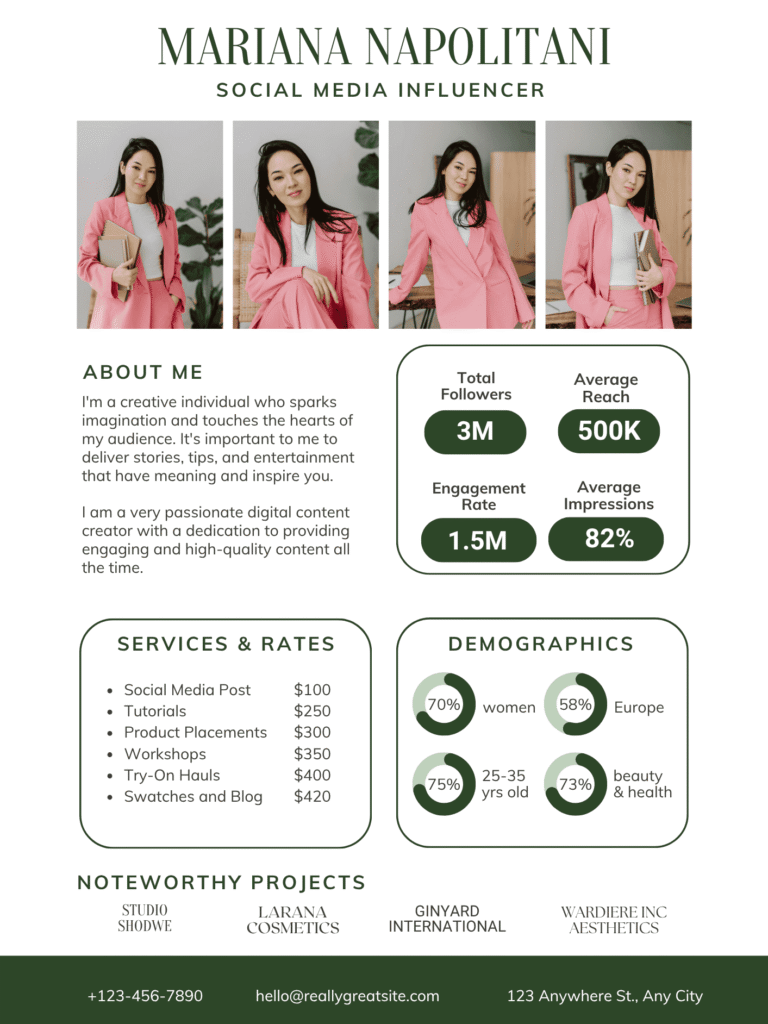
4. Create a Simple Media Kit or Portfolio
A media kit is your professional introduction. It’s what you send to brands when pitching or responding to offers, and it helps them quickly understand who you are and why you’re a good fit.
Think of it as a one-page résumé for your creator business. It should include:
- A short bio and niche summary
- Audience demographics (age, location, gender, etc.)
- Platform stats like followers and engagement rates
- Examples of previous collaborations or sample content
- Contact info and links to your main platforms
If you’ve never created one before, Canva is a great place to start. It offers a variety of customizable templates you can adapt with your own colors, fonts, and images.
Here’s an example media kit from Canva’s template library:
5. Keep Your Feed Cohesive
Your content doesn’t need to look identical, but it should feel connected. A consistent tone, color palette, and level of quality make your brand recognizable.
Ask yourself: if someone saw one of your posts out of context, would they still know it was yours?
A great example is Ashleigh Sutlive, a lifestyle creator who shares cozy, everyday moments with consistent earthy tones and warm lighting. Her page feels inviting and personal—every post looks like part of a bigger story.
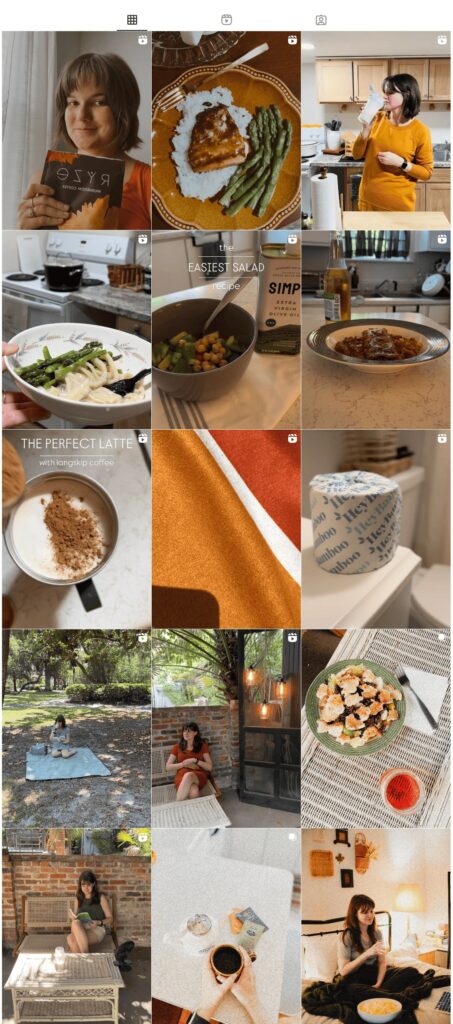
That kind of visual consistency builds trust and makes her an ideal fit for micro-influencer brand deals with home and lifestyle brands.
Whether your style is bright and minimalist or storytelling-driven, keep it intentional. When brands browse your feed, they’re imagining how their product might fit into it. A cohesive look makes that connection effortless.
Where to Find Brand Deals
If you’re waiting for brands to reach out, you might wait a long time. Most creators, especially beginners, get their first brand deal by being proactive.
There are plenty of ways to find brand deals, from being discovered organically to pitching directly or using creator marketplaces. Let’s look at the most reliable ways to begin.
1. Organic Discovery and Signaling Your Availability
Even if you’re actively pitching, you still want to make it easy for brands to find you. Many small creators land their first influencer brand deals simply by making themselves visible in the right places.
Here’s how to do it:
- Use partnership keywords in your bio. Add simple phrases like “Open for collaborations” or “DM for partnerships.” Many brand managers and agencies search these terms to discover new creators.
- Feature products naturally in your content. Create posts around items you already love and use. Don’t make them salesy; authenticity is what brands notice first.
- Engage with brands publicly. Comment thoughtfully on their posts or tag them in relevant content. When you do this consistently, their social teams start to recognize your name.
- Post within your niche consistently. Algorithms reward creators who stay focused on one category. If your content fits a brand’s niche, they’re more likely to discover you organically.
Visibility is a magnet. When your bio, captions, and posts make it clear that you create within a niche and are open to partnerships, you start showing up where brands are already looking.
2. Creator Marketplaces and Collaboration Platforms
These platforms exist to connect brands and creators directly. You sign up, build your profile, list your platforms, and start applying to campaigns that fit your niche.
They’re one of the fastest ways to start getting brand deals for influencers because they lower the barrier. You don’t need to know anyone or have a massive following.
Here are some of the most popular options:
| Platform | What It Does | Why It’s Useful |
| Collabstr | Lets you list your content services and get matched with brands. | You can set your own rates and apply to campaigns directly. |
| #paid | Connects creators with global campaigns across multiple niches. | Includes clear pricing guidance and brand briefs. |
| Afluencer | Allows you to browse and apply to open brand collaborations. | Simple interface, great for beginners. |
| Glewee | Lists new campaigns daily and handles payments within the app. | Keeps everything including messages, contracts, and deliverables in one place. |
| JoinBrands | Focused on UGC brand deals and influencer campaigns. | Ideal if you prefer creating for brands without posting on your own page. |
To get the most out of these marketplaces:
- Complete every section of your profile. Brands often skip incomplete ones.
- Add clear examples of your best content or past content creator brand deals.
- Set fair but confident pricing. Undervaluing your work can make brands doubt your quality.
- Apply consistently. Treat it like a routine. A few pitches per week add up fast.
Think of marketplaces as your digital storefront. The more polished and active it looks, the more foot traffic you’ll attract.
3. Agencies, PR Firms, and Ambassador Programs
Once you’ve built some credibility, you can grow your opportunities by joining networks that regularly connect creators and brands.
Some examples include:
- Small influencer agencies or management firms that represent micro creators. They often look for fresh, authentic voices for specific campaigns.
- Brand ambassador programs that recruit creators to represent their products long-term. Many brands in beauty, fashion, and fitness open applications several times a year.
- Community platforms and Discord groups where marketers post creator opportunities. You can find them through creator newsletters, LinkedIn, or niche communities.
- Local events and webinars where brand representatives speak. Networking here can lead to genuine relationships that later turn into secure influencer brand deals.
Once you start joining these networks, opportunities can grow quickly, but so can the fine print.
Before signing with any agency or ambassador program, always review the terms carefully. Make sure the agreement doesn’t limit your freedom to work with other brands or underpay you for your time and content.
4. Direct Outreach and Cold Pitching
This is one of the boldest and most effective ways to get brand deals, especially when you’re just starting out. Instead of waiting for brands to notice you, you reach out first with intention and strategy.
Direct outreach is about taking control of your opportunities. You identify the brands you genuinely love, research their marketing campaigns, and make contact with the right person on the team. Even a small, well-crafted message can open the door to a long-term collaboration.
Start by finding companies that align naturally with your niche. If you’re a beauty creator, look for smaller skincare or wellness brands that already run Instagram brand deals or TikTok brand deals. These brands tend to be more open to new partnerships.
Once you’ve identified a few, collect their contact information, study their social media tone, and brainstorm one or two ways you could add value to their next campaign. The goal at this stage isn’t to pitch yet but to prepare.
We’ll dive deeper into the outreach process in the next section, including how to write your pitch, structure your message, and follow up without sounding pushy.
How to Write a Pitch That Gets a Reply
You’ve built a solid profile and found a few brands you’d love to work with. The next step is reaching out and doing it in a way that gets noticed. Let’s break down how to write a pitch that actually earns a reply.
1. Do Your Homework First
Before sending any message, research the brand. Look through their website, social media pages, and recent campaigns.
Ask yourself:
- What products or services are they currently promoting?
- What tone and style do they use in their marketing?
- Have they worked with other creators recently?
This bit of research helps you tailor your pitch. For example, if you notice a brand running TikTok campaigns centered on humor, mention that your short-form videos get strong engagement in a similar tone.
Brands can tell instantly when a pitch is generic versus when you’ve taken the time to understand them.
2. Lead with Who You Are and Why You Fit
Start your pitch by introducing yourself in one sentence. Keep it clear and friendly.
Example:
“Hi [Brand Name] team, My name is Maya, and I’m a wellness creator with a growing TikTok audience that loves simple, realistic self-care routines.”
Then connect your content to theirs:
“I’ve followed your brand for a while and love your focus on natural skincare. My followers are always looking for affordable, effective products, and I think your line would resonate strongly with them.”
This structure instantly tells them who you are, what you create, and why it matters to them.
3. Show What You Can Offer
Instead of saying “I’d love to collaborate,” get specific about what you can do. Brands appreciate creators who bring clear ideas.
You might write:
“I’d love to create a short morning routine video featuring your product as part of a simple self-care challenge. It would feel authentic to my current series and fit your brand’s message perfectly.”
Even if you’re early in your journey, suggesting a campaign concept or format helps them visualize how you’ll bring their product to life.
4. Include Social Proof and Simple Metrics
If you have results worth mentioning, add them briefly. No need for a long list.
Examples include:
- Average engagement rate or total reach per post
- Comments or feedback from followers asking for recommendations
- Previous content creator brand deals or unpaid collaborations that performed well
For instance:
“My videos average 20K views with high engagement from women aged 18–30, and I recently created a skincare reel that received 1,200 saves and multiple product inquiries.”
This gives brands confidence that your audience is active and responsive.
5. Keep It Short and Easy to Read
Most brand managers receive dozens of messages each week. Respect their time. Keep your email or DM short, ideally 6 to 8 sentences total.
Format it clearly:
- Start with your intro and niche
- Add one short paragraph on why you like the brand
- Describe what you can offer
- Close with a simple call to action like: Would you be open to discussing a small campaign or gifted collaboration to start?
Concise messages are far more likely to be read and answered.
6. Attach or Link Your Media Kit
If you’ve created a media kit, attach it directly or include the link in your message. It’s an easy way to showcase your stats, audience demographics, and previous work.
You can write something like:
“I’ve attached my media kit for your reference. It includes audience insights and examples of past brand collaborations.”
7. Follow Up (But Don’t Spam)
If you don’t hear back, wait at least a week before following up. Keep it polite and brief.
“Hi [Name], just checking in on my previous message. I’d still love to explore how we could collaborate. Let me know if you’d prefer to start with a gifted trial or short campaign.”
Two follow-ups are enough. If there’s no response after that, move on and revisit later. Persistence is good, but pressure is not.
Here’s an example of what a complete, effective pitch might look like when you put everything together:
Hi [Brand Name],
My name is Leo, and I’m a tech creator who makes short, practical videos helping people find tools that simplify daily work. I’ve been following your brand and love how your products fit into productivity-focused routines.
I’d love to create a short “3 tools that make you faster” video featuring your product. My content consistently reaches engaged tech enthusiasts aged 20–35, and I think your brand would fit perfectly with what my audience already enjoys.
I’ve attached my media kit and recent analytics below. Would you be open to discussing a small test collaboration?
Best,
Leo
That’s all a great pitch really is—a simple, genuine message that shows a brand how you can create value for them. Once you see it that way, reaching out feels easy.
Final Words
Everything is altered by that initial brand arrangement. It demonstrates the true worth of your audience, substance, and inventiveness.
However, that “yes” isn’t the end. It’s the beginning of a larger system that transforms one-time possibilities into consistent, increasing revenue.
Every collaboration teaches you something new, such as how to price more wisely, make better pitches, and provide outcomes that win back brands’ trust. Every accomplishment serves as evidence of your abilities, and every outcome is a step closer to long-term stability.
Growing creators do more than just publish excellent content. They cultivate relationships, approach their work as a company, and get better with each campaign.
Your initial “yes” indicates that you are headed in the correct direction.
More opportunities will arise if you maintain your consistency and continue to cultivate relationships.




Comments