
 By
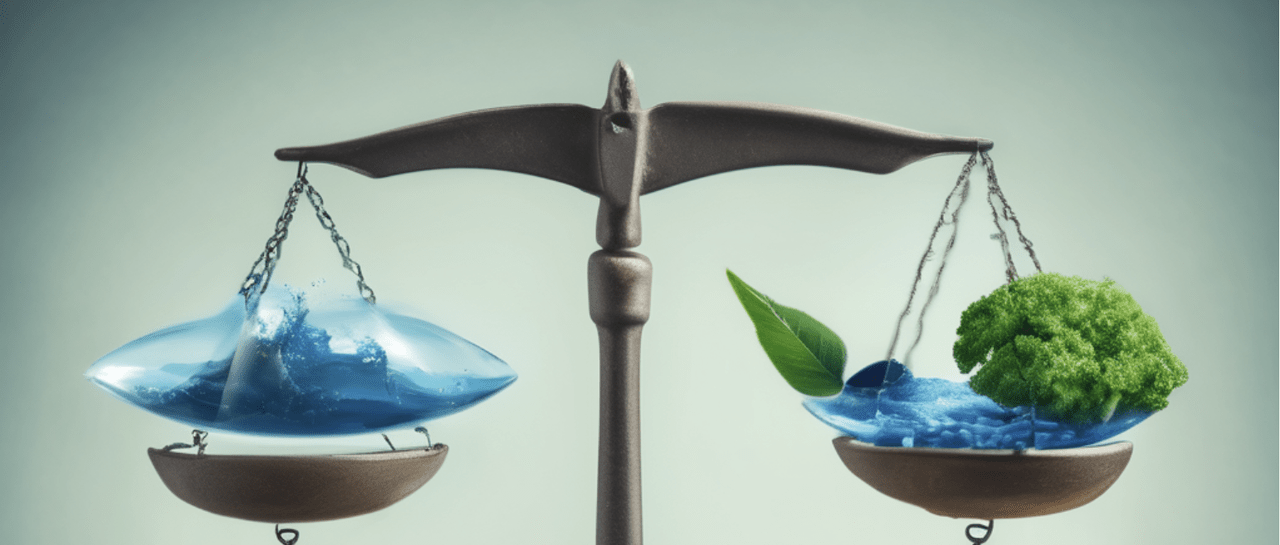
The Blue Economy and Green Economy both seek for sustainable development and fewer environmental risks, although their primary focus differs:
The Blue Economy focuses on the sustainable use of marine and coastal resources, whereas the Green Economy focuses on terrestrial and land-based sustainability, low-carbon growth, and environmental scarcity reduction.
Key Differences:
- Primary Focus Area:
- Blue Economy: Marine ecosystems, oceans, seas, and coastal areas.
- Green Economy: Land-based resources, renewable energy (solar/wind), and atmospheric health.
- Key Sectors:
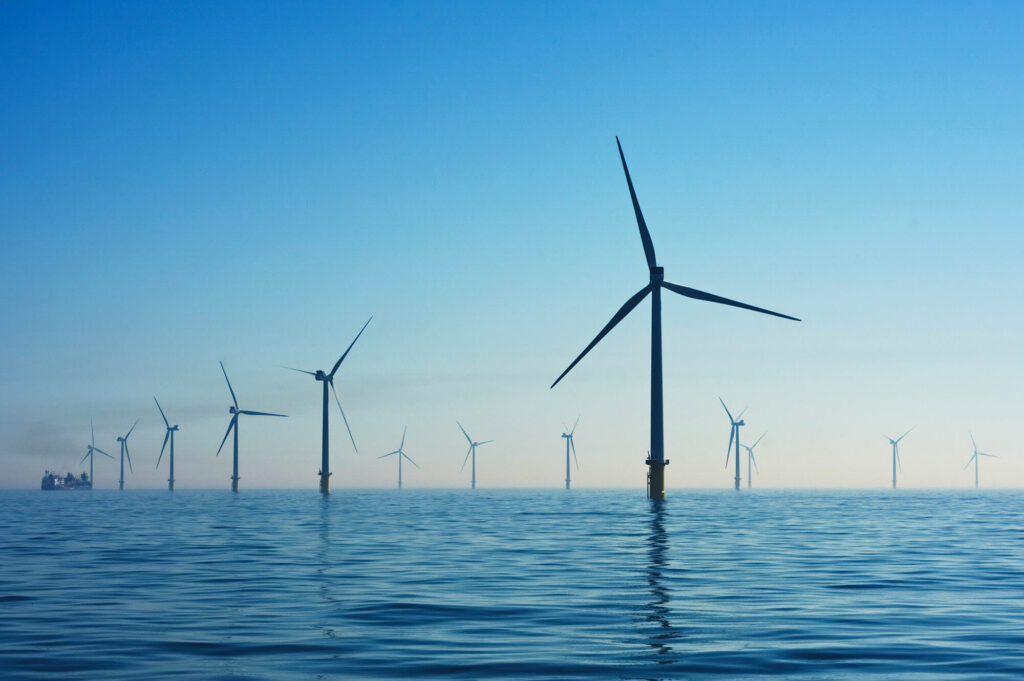
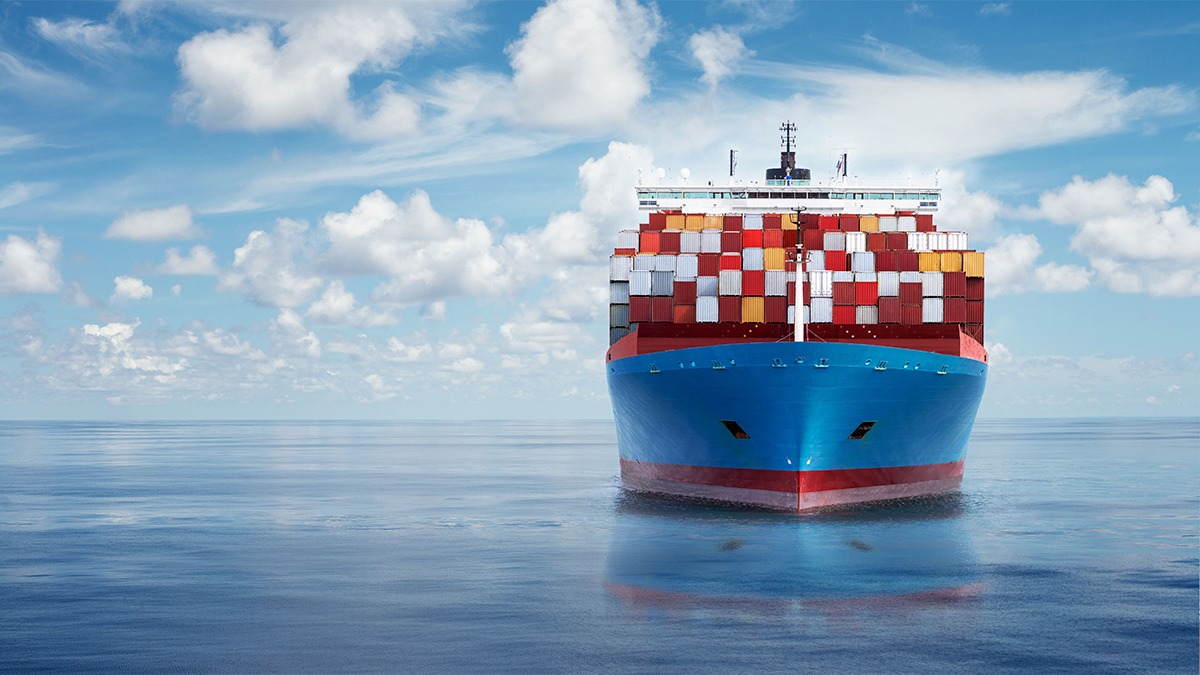
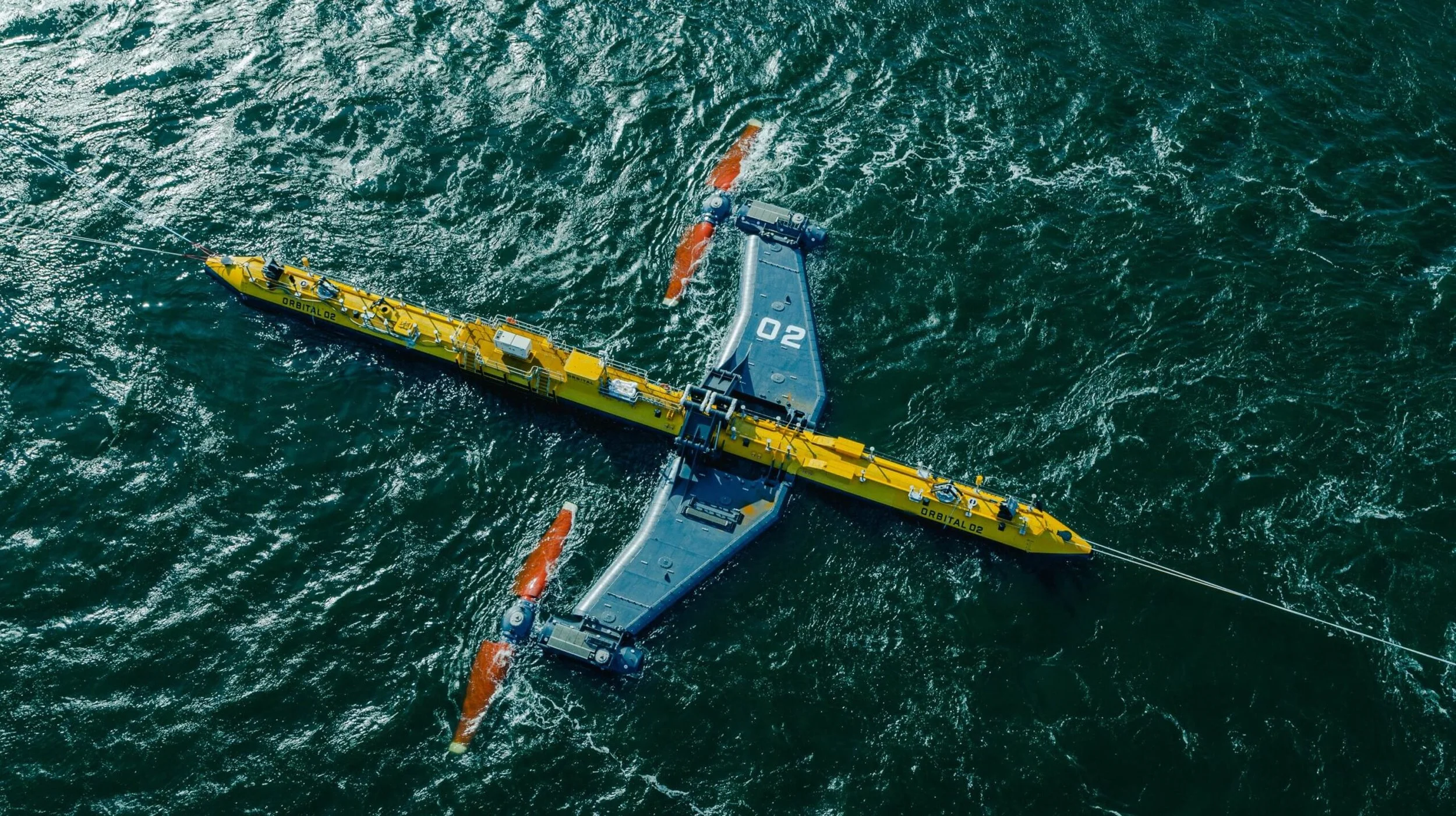
- Blue Economy: Sustainable fisheries, maritime transport (shipping), offshore renewable energy, aquaculture, and coastal tourism.
- Green Economy: Green buildings, sustainable agriculture, waste management, and renewable energy technology.
- Core Objective:
- Blue Economy: Balances economic growth with ocean ecosystem health to prevent marine pollution.
- Green Economy: Reduces carbon footprints, lowers environmental risks, and enhances social equity.
- Relationship: The Blue Economy is often considered a subset or specialized component of the broader Green Economy, specifically focusing on the 75% of the planet covered by water.
Both economies are essential, working together to foster a sustainable future by reducing pollution and managing resources responsibly.
Although we may believe that the “blue economy” is just concerned with the ocean and the marine ecosystem, this is not the case. The aim behind these economies is for countries and businesses to develop new economic models that profit from our natural resources while minimizing waste and mismanagement in order to meet everyone’s demands on a global scale, while also working to protect our planet’s natural resources.
What Does “Green Economy” Mean?
The concept of a green economy was first coined in 1989 in a report commissioned by a group of environmental economists for the UK government. The definition had been vastly linked to the term “sustainable development” and its involvement in economic policies and practices.
Later, as governments searched for ways to sort through energy, food, and financial global crises, the scope of this economy was expanded to include not just a single country’s environmental policies, but to take on global issues such as climate change, deforestation, wildfires, ozone depletion, and so on. By enlarging the scope of these green economies, they would promote international cooperation amongst countries and adopt the UN’s 2030 Sustainable Development agenda.
In line with this idea, the United Nations defined the green econom as “low carbon, resource efficient and socially inclusive. In this type of economy, growth in employment and income is driven by public and private investment into such economic activities, infrastructure, and assets that allow reduced carbon emissions and pollution enhanced energy and resource efficiency, and prevention of the loss of biodiversity and ecosystem services.”
The green economy operates at the macro-economic level and strives toward sustainable economic growth by focusing on resource management and investments, employment rates, and inflation. To transform the different economic sectors into a green economy, it will be necessary to develop tools and policies, as well as promote regulations and knowledge, at both national and regional levels. The resulting green economy will have improved human welfare and social equity, and at the same time significantly reduce environmental risks and ecological scarcity, and depletion.
What is a “Blue Economy”?
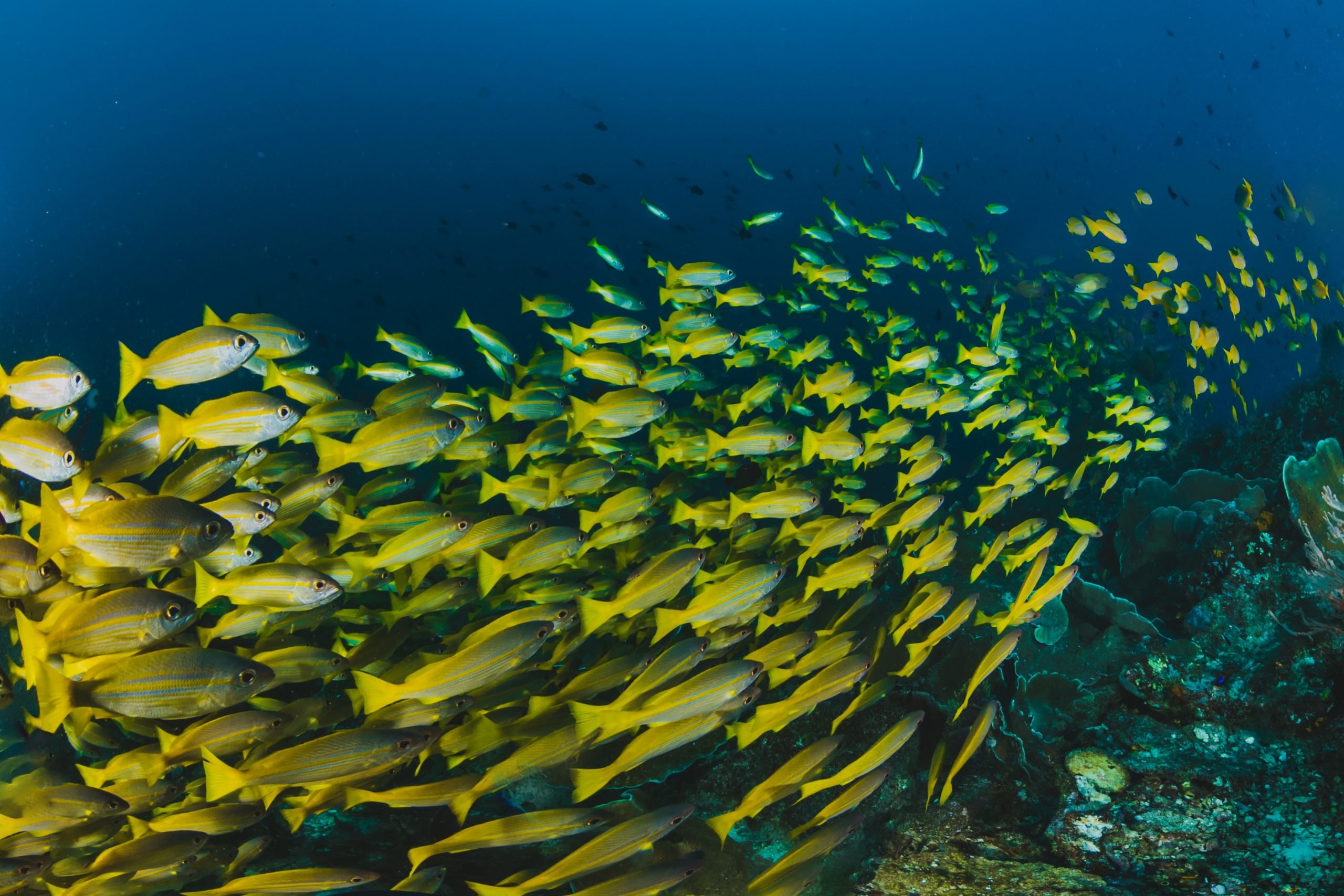
The concept of the “blue economy” or an “ocean economy” stems from the idea to link the notions of conservation and sustainability, only this time in relation to the ocean and marine creatures living in it. The term first appeared in 2012 at a United Nations conference about sustainable development in Brazil, where the main concern was the need to create a sustainable economy, as was the urgency to prevent the further degradation of the environment. According to UNESCO, the blue economy concept “seeks to promote economic growth, social inclusion, and the preservation or improvement of livelihoods while at the same time ensuring environmental sustainability of the oceans and coastal areas.”
This means that it is mainly oriented toward the sustainability of the ocean and any body of water main, as they are a source of human and animal food. The main goals of the blue economy are to recognize the value of the essential capital as a basis for a healthy marine environment to maintain growth, and foster as well as promote “blue” business and jobs.
A blue economy should also promote alternative sources of renewable energy, manage, and enhance resource efficiency and deal with scarcity issues, and accompany these objectives with the necessary technical equipment and knowledge to achieve them.
Read Also: The Role of Oceans in Sustainable Economic Growth
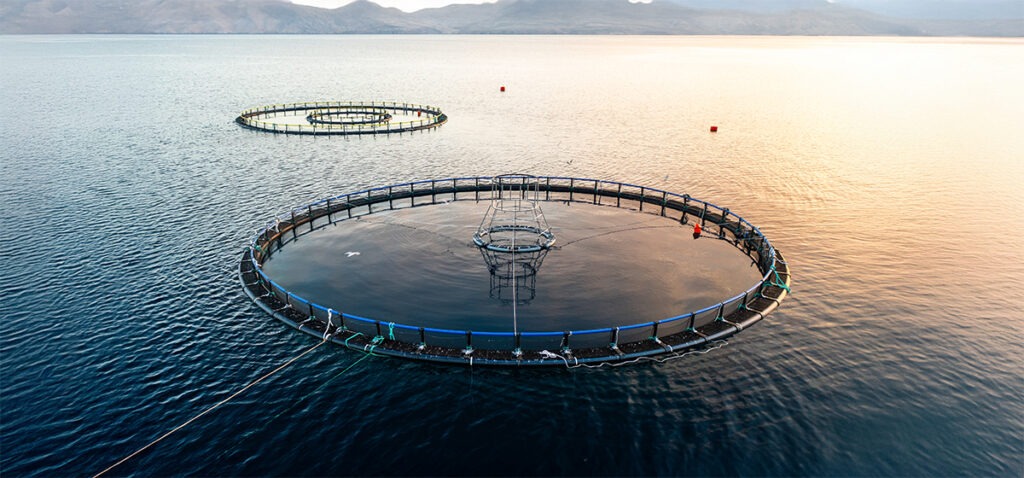
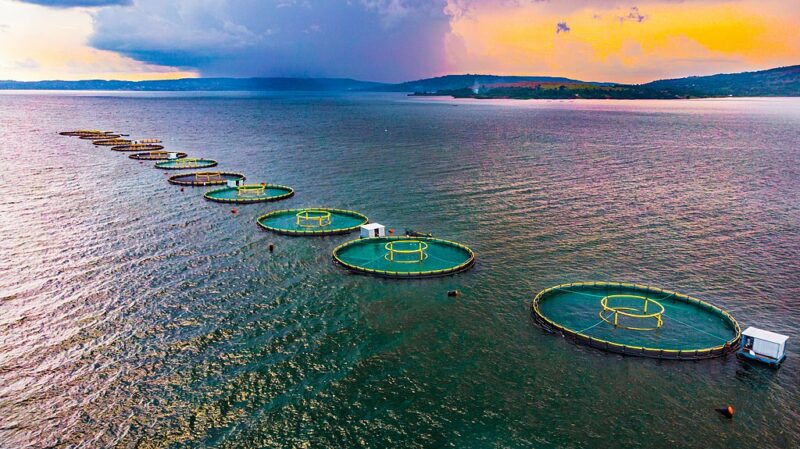
The blue economy refers to economic sectors that conduct activity in seas and inland waters. These activities include fishing, aquaculture, shipping, marine security, mining, oil and gas, and renewable energy. It is consequently critical to implement sustainable policies and practices in these sectors, as they have a direct impact on marine ecosystems.
Although we may believe that the “blue economy” is just concerned with the ocean and the marine ecosystem, this is not the case. The aim behind these economies is for countries and businesses to develop new economic models that profit from our natural resources while minimizing waste and mismanagement in order to meet everyone’s demands on a global scale, while also working to protect our planet’s natural resources.
Climate change, pollution, natural resource depletion, social inequality, income disparity, starvation, and financial crises are all major challenges confronting countries worldwide. The urgent need to address all of these global issues has gained attention in the previous decade, particularly as a result of the United Nations’ action plan of 17 Sustainable Development Goals, which strives to create a more sustainable and egalitarian world for the population and the environment alike. For many years, governments strove to overcome these challenges, and the economic component, as the driving force behind countries’ riches and development, was viewed as a potential avenue to achieving sustainability and overall balance between nature and man.
Therefore, to reconcile the idea that an economy can provide for its citizens as well as protect the environment, the concepts of “blue” and “green” economies were introduced and subsequently adopted by countries around the world.
Summary
In short, blue, and green economies are two concepts that have the same end goal: to make the world a more sustainableand equal place for both living creatures and the environment. Their main difference lies in their field of action, although they are not limited to it. A blue economy will focus on looking after the ocean and its inhabitants, while a green economy will focus on land’s natural resources and make sure they are abundant and cater to the needs of the human population.
As an important pillar of any country’s wellbeing, these two economies are the key to ensuring a safe, sustainable, and equal environment for the people but are also the right path to follow to preserve the world’s resources, effectively preventing human actions and activities from purposedly harming and contaminating the planet.



Comments