
 By
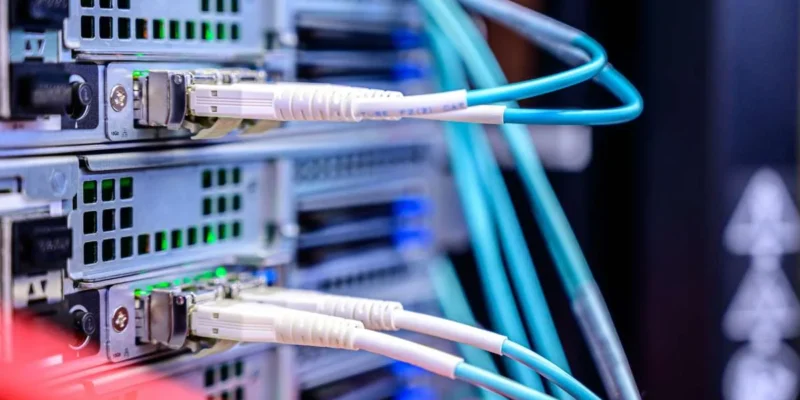
What if part of your internet connection could generate a little extra income while you’re sleeping, working or away from home?
The idea is surprisingly simple: bandwidth-sharing platforms allow users to share unused internet capacity and receive compensation in return. Businesses may use participating connections for legitimate activities such as market research, web-data collection, advertising verification and other internet-based services.
However, bandwidth monetization isn’t a guaranteed path to significant passive income. Earnings can vary considerably according to your location, connection type, demand, data usage and the platform you choose. There can also be important privacy, security and internet-service-provider considerations.
For example, Honeygain says earnings depend partly on the demand for traffic in a user’s country and that there is “no fixed traffic rate” because demand fluctuates.
This guide explains eight beginner-friendly ways to monetize unused internet bandwidth, including their potential benefits, drawbacks and safety considerations.
Important: Never share a connection if your internet provider prohibits it. Honeygain and Pawns.app both explicitly tell users to check their ISP or mobile provider’s terms before enabling traffic sharing.
What Is Bandwidth Monetization?
Bandwidth is essentially the capacity of your internet connection to send and receive data. If you have a fast home connection but aren’t using its full capacity, bandwidth-sharing services can potentially use a portion of that connection for third-party internet traffic.
The basic process looks like this:
Your internet connection → bandwidth-sharing platform → business customer → payment to you
The platform typically handles the technical side. You install an application, connect your device and allow the service to share some of your connection.
Honeygain, for example, describes its users as gateways through which clients can send traffic. Its stated client use cases include “web and market analytics, SEO monitoring, brand protection, market research, cybersecurity” and related activities.
8 Ways to Monetize Unused Internet Bandwidth
| Method | Beginner difficulty | Potential income | Main consideration |
|---|---|---|---|
| 1. Bandwidth-sharing apps | Easy | Low | Variable demand |
| 2. Residential proxy networks | Easy–Medium | Low–Moderate | Privacy and reputation |
| 3. Content-delivery sharing | Easy | Low–Moderate | Higher data usage |
| 4. Peer-to-peer bandwidth networks | Medium | Variable | Platform reliability |
| 5. Paid Wi-Fi hotspots | Medium | Variable | Equipment and security |
| 6. Guest Wi-Fi monetization | Medium | Variable | Privacy and legal rules |
| 7. Bandwidth-enabled hosting | Medium–Advanced | Moderate | Technical knowledge |
| 8. Running a legitimate network node | Advanced | Variable | Technical and financial risk |
Potential income is intentionally shown qualitatively because actual earnings vary substantially by provider, location, demand and usage.
1. Use Bandwidth-Sharing Apps
The easiest starting point is a dedicated bandwidth-sharing app.
Platforms such as Honeygain allow users to install software that shares part of their internet connection with the company’s network. According to Honeygain’s current terms, clients may use shared traffic for activities including market research, pricing analysis, brand protection and ad verification.
The appeal is straightforward:
- Download the application.
- Create an account.
- Connect your device.
- Allow bandwidth sharing.
- Accumulate earnings.
- Withdraw when you meet the platform’s requirements.
Honeygain currently states that its minimum payout threshold is $20, although its terms say this can change.
The biggest limitation is that you shouldn’t expect a fixed hourly or monthly salary. Honeygain says traffic demand depends on factors including your geographic location and the number of users sharing connections in your region.
Best for: Complete beginners who want the simplest setup.
2. Participate in Residential Proxy Networks
Residential proxy networks are another way unused bandwidth can be monetized.
A residential proxy allows internet traffic to appear to originate from a participating residential IP address. Businesses can use residential IPs for legitimate applications such as localized testing, market research and data verification.
However, this category requires considerably more caution.
Your IP address can effectively become the exit point for someone else’s internet traffic. That means you should understand exactly what the platform permits, how it screens customers and what protections it provides.
Recent reporting has also highlighted the darker side of residential proxy networks. Ars Technica reported in August 2026 that some consumer devices were being incorporated into proxy networks that enabled malicious actors to route traffic through residential connections.
That doesn’t mean every bandwidth-sharing service is malicious. It does mean you should investigate the company before installing software that turns your connection into a proxy.
Best for: Users comfortable researching providers and reading terms carefully.
3. Opt Into Content-Delivery Services
Some bandwidth-sharing platforms offer a feature that uses your connection for content delivery.
Honeygain’s terms describe its Content Delivery feature as a way desktop users can share internet traffic for more bandwidth-intensive content, including images, video, audio and streaming-related material.
This can potentially increase earning opportunities, but it may also mean substantially more data passes through your connection. That distinction matters if your ISP imposes a data cap.
The FCC explains that broadband data caps can result in additional fees, reduced speeds, throttling or even suspension of service, depending on the provider and plan.
Before enabling content delivery, check:
- Your monthly data allowance.
- Your ISP’s overage charges.
- Your average monthly usage.
- Whether the service lets you control bandwidth.
- Whether you can disable the feature whenever you want.
Best for: Users with unlimited or generous broadband plans.
4. Try Peer-to-Peer Bandwidth Networks
Another emerging approach involves decentralized or peer-to-peer networks where participants contribute network resources. Rather than relying on one centralized company, these projects may use distributed participants to provide connectivity, data transfer or network infrastructure.
The potential advantage is diversification: instead of relying on a single traditional bandwidth-sharing application, you may be able to participate in different network ecosystems.
The downside is complexity. Some projects may involve tokens, cryptocurrency or technical requirements, which introduce additional risks.
Before joining one, investigate:
- Who operates the project?
- What traffic will travel through your connection?
- How are participants paid?
- Are earnings fixed or variable?
- What are the withdrawal requirements?
- What happens if the token loses value?
- Does your ISP allow the activity?
Best for: Technically curious users willing to research a project thoroughly.
5. Create a Paid Wi-Fi Hotspot
If you operate a legitimate physical location such as a guesthouse, café, co-working space or small business, you can potentially monetize internet access directly. Instead of selling unused bandwidth to a proxy network, you provide internet access to customers who pay for it.
Read Also: 10 Passive Income Strategies You Can Start Today With $0
For example, a business could offer:
| Access option | Example |
|---|---|
| 1-hour pass | $1 |
| Daily pass | $3 |
| Weekly access | $10 |
| Monthly access | $25 |
The actual pricing would depend on your location, competition and operating costs. This approach isn’t completely passive. You’ll need appropriate networking equipment, customer authentication, bandwidth management and security controls.
The FTC recommends separating guest/public Wi-Fi from a business’s primary network.
Best for: Business owners with a physical location and spare broadband capacity.
6. Monetize Guest Wi-Fi
A related strategy is providing paid or sponsored Wi-Fi to visitors. For example, a property owner could provide complimentary Wi-Fi while generating revenue through advertising, sponsorships or partnerships rather than charging users directly.
This can work particularly well in environments where people already expect internet access, such as:
- Restaurants
- Waiting areas
- Small hotels
- Events
- Shared offices
- Apartment buildings
Security is critical. Your customers shouldn’t have access to your personal computers, smart-home devices or business systems. The FTC recommends creating a separate guest network and notes that it helps prevent guest devices from accessing your primary network.
Best for: Property owners and small businesses.
7. Use Spare Bandwidth for Hosting Services
If you’re more technically experienced, you can potentially monetize bandwidth indirectly by hosting legitimate services.
Examples include:
| Access option | Example |
|---|---|
| 1-hour pass | $1 |
| Daily pass | $3 |
| Weekly access | $10 |
| Monthly access | $25 |
- Websites
- Game servers
- Private applications
- File-delivery services
- Media platforms
- Small business applications
Instead of being paid simply for sharing bandwidth, you charge customers for a service that requires your internet connection. This approach can generate more revenue than basic bandwidth-sharing applications, but it isn’t as beginner-friendly.
You’ll need to consider:
- Server hardware.
- Electricity costs.
- Upload speed.
- Static IP requirements.
- Security.
- Backups.
- Uptime.
- ISP restrictions.
Best for: Technically capable users who want a more scalable side business.
8. Run a Legitimate Network Node
Some distributed networks allow participants to operate nodes that provide network infrastructure. Depending on the project, participants might contribute connectivity, routing, storage or other computing resources in exchange for compensation.
This is potentially the most sophisticated option on this list. The important distinction is that running a network node is not automatically profitable. Your revenue needs to exceed electricity, hardware, internet and maintenance costs.
Treat it like a small infrastructure business rather than free money.
How Much Can You Make From Unused Bandwidth?
This is where expectations matter. Unlike a traditional job, bandwidth-sharing income isn’t normally based on a guaranteed hourly wage. Honeygain explicitly says there is currently “no fixed traffic rate” and that demand fluctuates according to location and network demand.
A simplified illustration:
| Monthly bandwidth revenue | Annualized amount |
|---|---|
| $2/month | $24 |
| $5/month | $60 |
| $10/month | $120 |
| $25/month | $300 |
| $50/month | $600 |
These aren’t predictions. They’re examples showing why cost control matters.
If your ISP charges you $50 in overage fees to generate $10 from bandwidth sharing, you’ve lost money.
5 Costs to Calculate Before You Start
Before monetizing your internet connection, calculate these expenses:
- Internet subscription: You’re already paying for the connection, but monetization shouldn’t cause you to upgrade unnecessarily.
- Data charges: Metered connections can make bandwidth sharing expensive.
- Electricity: An always-on computer consumes power.
- Hardware: Routers, mini-PCs or servers may require upfront investment.
- Opportunity cost: Your connection may perform worse during heavy usage.
The FCC specifically notes that data caps can have financial and performance consequences when users exceed their limits.
How to Choose the Best Bandwidth Monetization Method
For most beginners, the best strategy is to start small rather than buy expensive hardware.
A sensible progression is:
Step 1: Check your ISP agreement.
Step 2: Confirm whether your plan has a data cap.
Step 3: Choose a reputable provider.
Step 4: Install it on a device you control.
Step 5: Monitor bandwidth consumption for 30 days.
Step 6: Compare revenue with additional costs.
Step 7: Continue only if the economics and risks make sense.
Remember that passive income should still be profitable after expenses.
Conclusion
Monetizing unused internet bandwidth can be an interesting way to generate small amounts of passive income, particularly if you already have a fast, unlimited home connection.
The easiest options are bandwidth-sharing applications and legitimate residential network programs. More advanced users can explore paid Wi-Fi, hosting and network-node opportunities.
But don’t confuse unused bandwidth with free money. Your connection has economic value, but it also carries costs and risks.
The most important rule is simple: understand exactly what you’re allowing onto your connection before you start.
A few dollars in monthly earnings may be worthwhile if the setup is genuinely passive and doesn’t increase your expenses. But if a program causes data overages, slows your internet, creates IP reputation problems or introduces unacceptable privacy risks, the income may not be worth it.
As Honeygain itself states, users are responsible for determining whether they are eligible to share their connection and for complying with applicable provider agreements and laws.
FAQ
Can I make money from unused internet bandwidth?
Yes. Bandwidth-sharing platforms can pay you for allowing approved third-party traffic to use part of your unused internet connection. Earnings vary based on location, demand, bandwidth and the platform.
How much can I earn by sharing my internet?
There is no guaranteed amount. Most beginners should view bandwidth sharing as a source of small supplemental income rather than a replacement for a regular paycheck.
Is it safe to sell unused internet bandwidth?
It can be, but you should research the provider carefully. Check its privacy policy, security practices and terms, and make sure your ISP permits bandwidth sharing before participating.
Does bandwidth sharing use my internet data?
Yes. Sharing bandwidth can increase your data usage. If your internet plan has a data cap or charges for excess usage, check the potential costs before starting.
Source: honeygain.com










Comments