
 By

The way that people exchange knowledge, skills, and creative content has completely changed in the digital age. For anyone wishing to launch a home-based business, selling digital goods like ebooks, online courses, and templates is now a popular option. These products can produce passive income over time, are very scalable, and require little initial investment. In this post, we’ll cover why digital items are a fantastic choice, how to get started, and advice for success.
Compared to traditional items, digital products have a number of advantages. First of all, you don’t have to worry about shipping or storage because they don’t have inventory limitations. A digital product can be sold repeatedly without incurring additional production costs once it has been developed. Because of its scalability, it appeals to business owners that want to get the most out of their endeavors. Second, the market for digital goods is still expanding. Industry statistics indicate that the demand for online courses and instructional content is growing, with the worldwide e-learning market expected to reach $457 billion by 2026. In a similar vein, ebooks and templates are evergreen resources since they serve specialized audiences looking for particular answers.
Finally, selling digital products allows you to monetize your expertise. Whether you’re a graphic designer, writer, educator, or entrepreneur, your skills can be transformed into products that help others achieve their goals.
Creating and Selling Digital Products
Getting Started with Ebooks
E-books are one of the simplest digital products to create and sell. They’re ideal for sharing knowledge, storytelling, or providing guides. To begin, identify a niche or topic that resonates with your target audience. For example, a fitness enthusiast could create a guide on home workouts, while a financial expert could write about budgeting tips. Once you’ve chosen a topic, outline your content, focusing on solving a problem or answering common questions. Tools like Google Docs or Microsoft Word are excellent for drafting your ebook.
When the content is ready, design an appealing cover and format the text for readability. Canva is a user-friendly tool for creating professional-looking designs. Next, decide on a platform for selling your ebook. Websites like Gumroad, Amazon Kindle Direct Publishing (KDP), and Sellfy provide easy-to-use solutions for hosting and selling digital files. Leverage social media, email marketing, and search engine optimization (SEO) to drive traffic to your product pages.
Creating Online Courses
Online courses are in high demand, as people seek convenient ways to learn new skills. Platforms like Udemy, Teachable, and Thinkific make it simple to create and sell courses from home. The first step is identifying a skill or subject you can teach effectively. Popular topics include coding, photography, language learning, and personal development. Start by outlining your course curriculum, breaking it into modules and lessons. Use a mix of video content, downloadable resources, and quizzes to keep learners engaged. For recording, tools like Zoom or Loom are excellent for screen sharing and video creation.
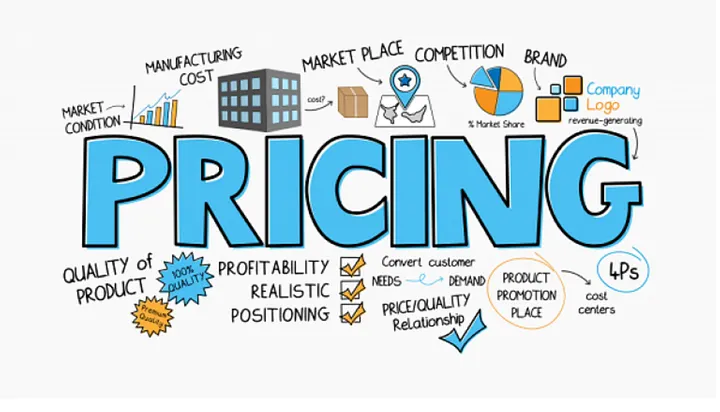
Invest in a decent microphone and lighting setup to ensure high-quality production. Pricing your course can be challenging, but researching competitors in your niche will give you a good idea of what learners are willing to pay. Offering a free introductory lesson can attract more students and build trust. To market your course, consider running ads on social media platforms like Facebook or Instagram and collaborating with influencers in your niche.
Designing and Selling Templates
Templates are another profitable digital product, especially for professionals in creative industries. From social media graphics to business proposals, templates save time and effort for users. The key to successful templates is creating designs that are both functional and visually appealing. If you’re skilled in graphic design, software like Adobe Illustrator, Photoshop, or Canva can help you create templates. Focus on specific niches, such as wedding planners, small business owners, or content creators.
For instance, a wedding planner might appreciate a customizable budget tracker, while a content creator could benefit from pre-designed Instagram story templates. When selling templates, it’s essential to showcase their usability. Create demo videos or tutorials demonstrating how customers can edit and personalize the templates. Marketplaces like Creative Market and Etsy are popular platforms for selling digital templates. Ensure your product descriptions highlight the value and ease of use.
How To Sell Digital Products in 2026
Selling digital products is one of the most straightforward ways to earn from your content. Here’s how to build a product your audience actually wants and sell it to them.
Step 1: Find and Validate Your Product Idea
Start by looking at your skills, bandwidth, and audience. What do you enjoy creating and doing well? How much time do you have to give the project? What do people ask about most often?
Take note of digital products that are popular in your niche, but also look for gaps you can fill.
Once you have an idea, validate it. You can do this by polling your newsletter subscribers, asking questions on social media, or even pre-selling the product to gauge interest.
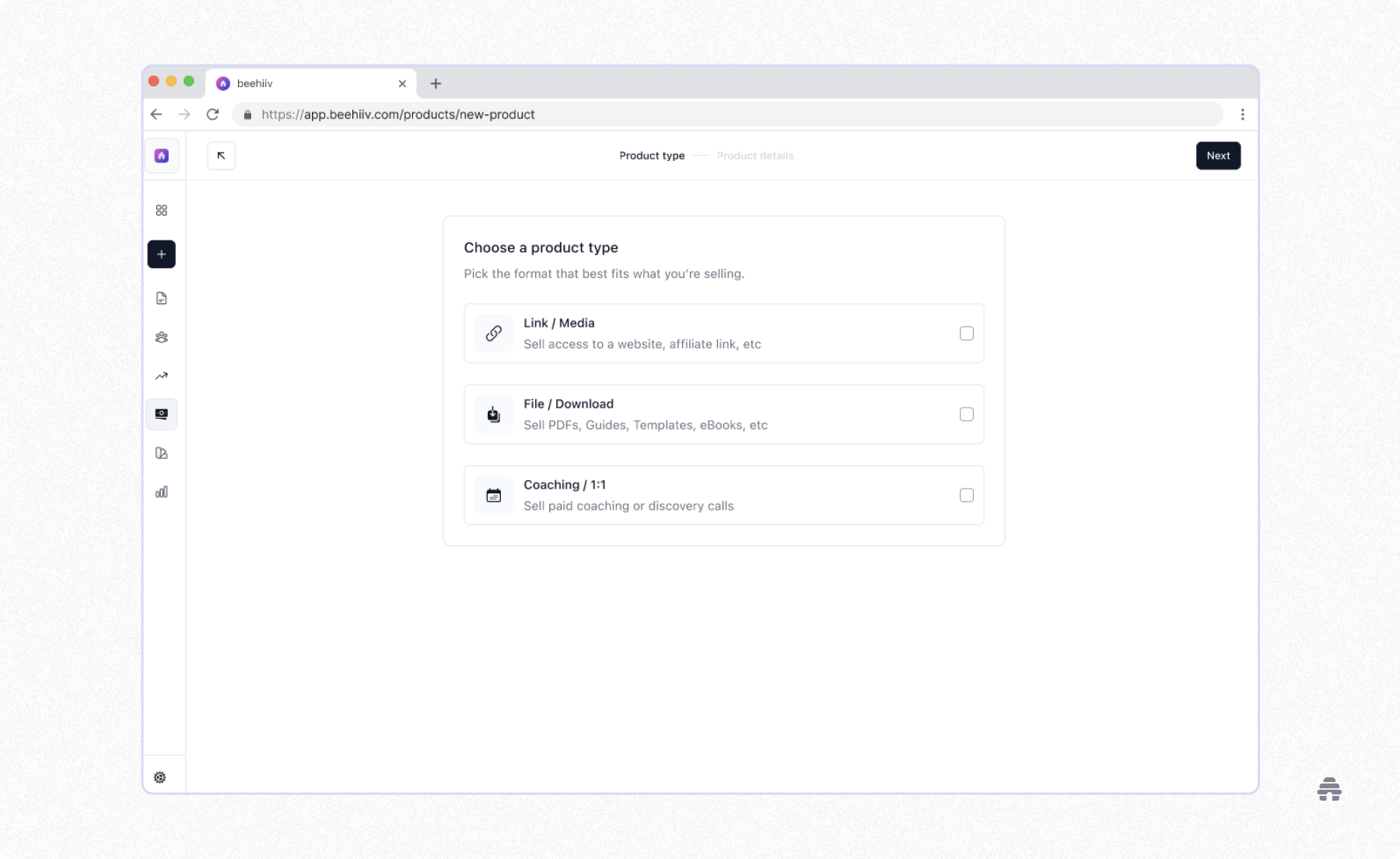
Step 2: Choose the Right Platform To Sell
Your sales platform is your digital storefront. While many options exist, you want one that makes the process simple for you and your customers. Platforms like Gumroad and Podia are popular choices designed for creators to sell digital goods.
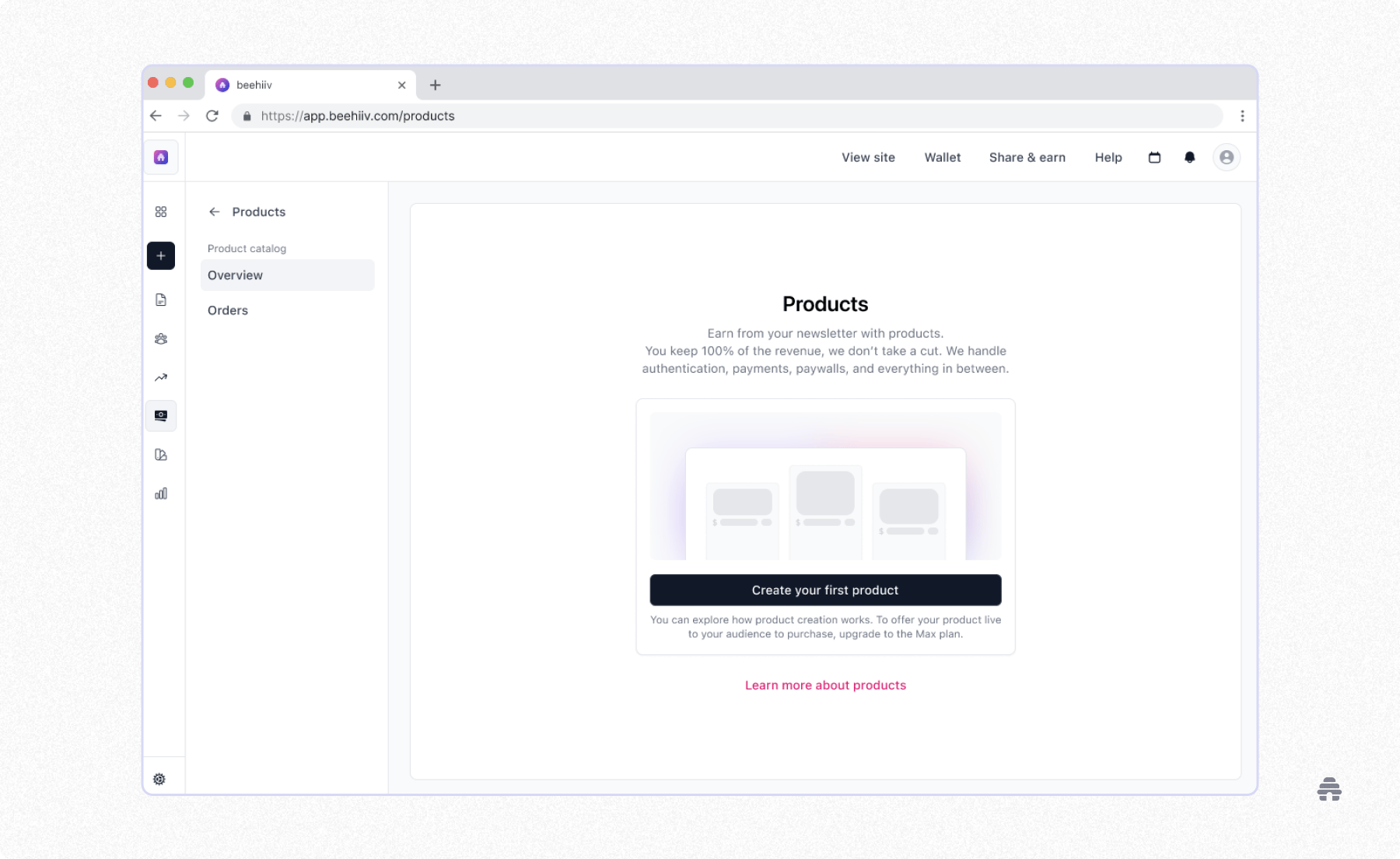
However, there’s no need to stitch together multiple tools. If you’re building an audience with a newsletter, beehiiv offers an all-in-one solution.
With beehiiv paid plans, you can create a beautiful landing page for your product, set up an automated email funnel to nurture leads, and collect payments through Stripe — all in one place. This integrated workflow saves you time and simplifies your tech stack.
Step 3: Build Your Sales Funnel With Your Newsletter
Your email list is your most powerful sales tool. Unlike social media, you own your audience and can communicate with them directly. A simple sales funnel using your newsletter can drive consistent revenue.
Imagine a writer who creates an eBook on freelance writing. They can promote it by sending their newsletter subscribers a three-part email series. The first introduces the text, the second shares a testimonial or free chapter, and the third delivers a limited-time offer.
Read Also: Leveraging Sponsored Content Without Losing Credibility
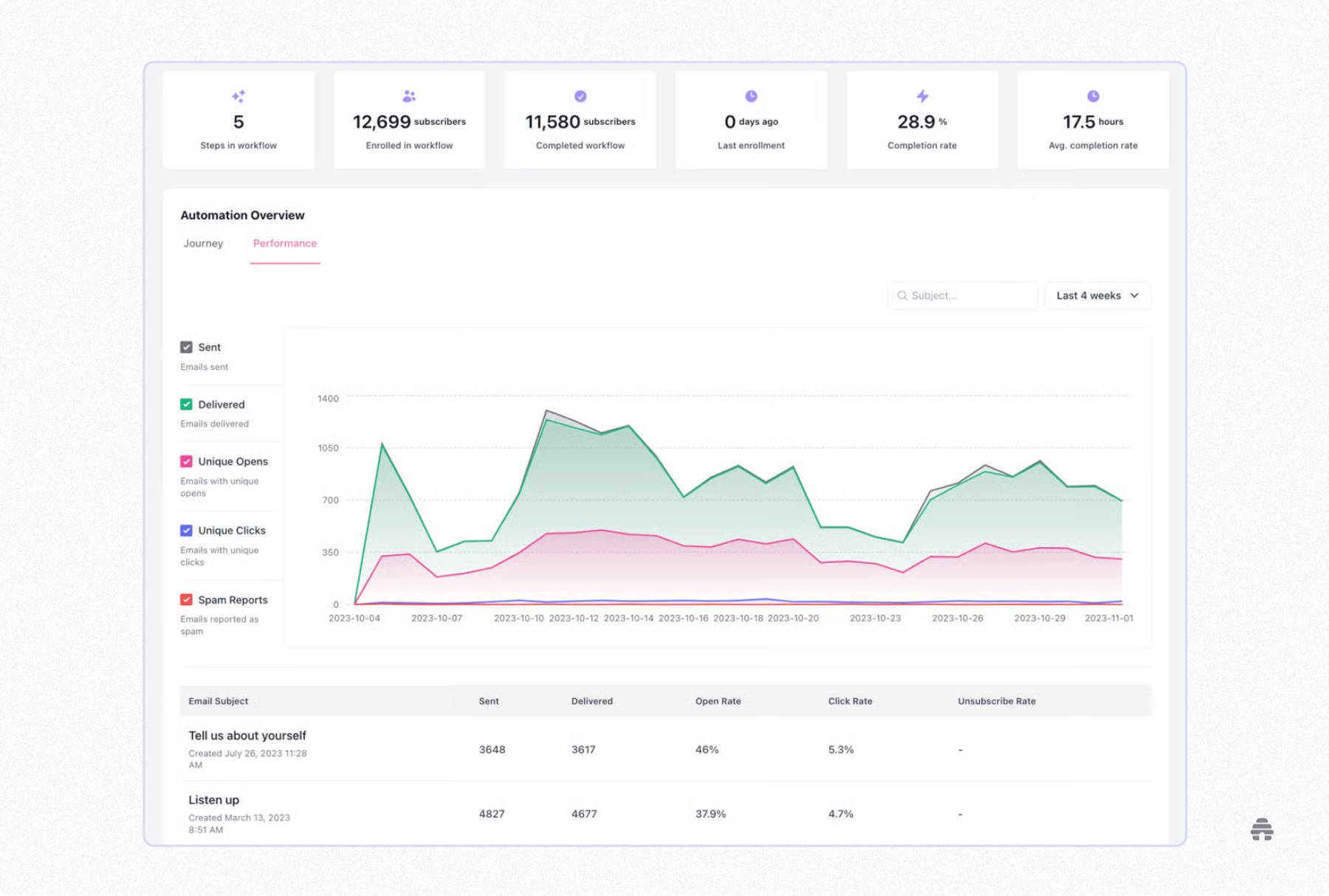
Using beehiiv’s automation features, you can build this entire sequence to run on autopilot . New subscribers who show interest in the topic can be automatically added to the funnel, creating a system that turns readers into customers while you focus on creating more great content.
What to Look for in a Digital Product Selling Platform
The right platform should save you time and help you with how to sell digital products and earn revenue. Above all, look for a platform that helps you build and own your audience, rather than just renting space on a crowded marketplace.
Easy Setup & Fast Automation
When you’re ready to sell, you don’t want to spend days wrestling with complicated software. The less time you spend on technical hurdles, the more time you have for the fun stuff.
This is where an all-in-one platform shines. With beehiiv, you can create a website, add a newsletter, upload your product, set a price, and create a checkout page in minutes.
You could patch together different third-party tools for landing pages, payments, and email. But why would you want to?
It also lets you automate key communications, staying in touch with your customers and providing the information they need.
Payment Processing & Fees
How you get paid matters. Hidden fees and slow payout schedules can quickly eat into your profits and create cash flow problems. It’s important to understand the transaction fees, subscription costs, and how quickly you can access your earnings.
Look for transparent pricing. beehiiv integrates directly with Stripe, giving you access to low processing costs and complete ownership of your revenue.
Keep more of the money you earn.
Marketing & Audience Growth
Selling a product is only half the battle. You also need a way to market it. While social media is useful for discovery, email marketing delivers better results for nurturing and engaging an audience.
Building an email list gives you a direct line to your most engaged followers, allowing you to nurture relationships and drive sales.
Product Delivery & Security
Your relationship with a customer doesn’t end at checkout. A clunky or unreliable delivery process can damage trust and lead to refund requests. File protection is also crucial to prevent unauthorized sharing of your hard work.
A dependable platform handles this for you. beehiiv manages secure file hosting and automates delivery as soon as a purchase is confirmed.
This ensures your customers get what they paid for right away, building confidence and protecting your digital assets without any extra effort on your part.
What to Avoid When Selling Digital Products
When choosing tools for your digital products, prioritize ownership, simplicity, and scalability. But knowing what to watch out for is just as important as knowing what to look for. Here are a few red flags to avoid when deciding where to sell digital products.
Platforms That Rent Your Audience
Some platforms and marketplaces are great for getting initial eyeballs on your product. However, they often come with a major catch — you don’t own the customer relationship. These platforms control the data, making it nearly impossible to build a direct connection with your buyers.
This structure limits your ability to upsell other products or build a loyal community. You are essentially renting an audience instead of building an asset. For example, a creator who sells a popular course on a marketplace might never get the chance to sell a follow-up workshop to their students because the platform owns the email list.
Hidden Fees and Slow Payouts
Want to learn how to sell digital products online for free? Me too. There’s always some investment required, whether it’s for the right tools or even just the time creation takes. But you can minimize the bites taken out of your slice of the pie.
Profitability is about more than just your sale price. Platforms with complicated fee structures or delayed payout schedules can seriously impact your bottom line.
Imagine launching a product and seeing great sales, only to realize a huge chunk of your earnings is eaten by hidden transaction costs. Worse yet, some platforms hold your money for weeks or even months. This can create major cash flow issues, especially for creators just starting out.
Look for platforms that offer transparent pricing and quick, reliable access to your money.
Complicated, Disconnected Tools
Your time is valuable. Spending hours trying to connect a separate landing page builder, payment processor, and email marketing service is a recipe for burnout. This “duct tape” approach often leads to broken workflows and a poor customer experience.
When a customer buys your product, the delivery should be instant and seamless. If your tools don’t communicate well, you could end up manually sending files, which hurts your credibility.
Finally
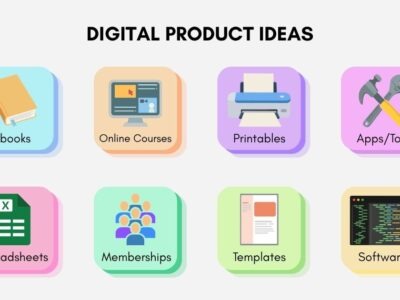
A wide variety of products can be sold digitally. Some of the most popular include:
- eBooks and workbooks
- Online courses and workshops
- Templates (for social media, Notion, spreadsheets)
- Digital art, illustrations, and photo presets
- Software tools and apps
- Membership sites with exclusive content
- Focus on Quality: High-quality content and design are crucial for customer satisfaction and repeat business.
- Understand Your Audience: Research your target market’s needs and preferences to create products they’ll love.
- Invest in Marketing: Use social media, email campaigns, and SEO strategies to increase visibility and drive sales.
- Bundle Products: Offer package deals, such as a bundle of templates or an ebook with an accompanying course, to increase perceived value.
- Gather Feedback: Encourage customers to leave reviews and use their input to improve your products.
Selling digital goods from home, such as e-books, courses, and templates, is a profitable and adaptable business possibility. You can produce goods that benefit consumers and bring in passive cash by utilizing your abilities and knowledge. To expand your company over time, start small, concentrate on quality, and employ efficient marketing techniques. The field of digital products offers countless opportunities for both seasoned professionals and prospective entrepreneurs.








Comments