
 By
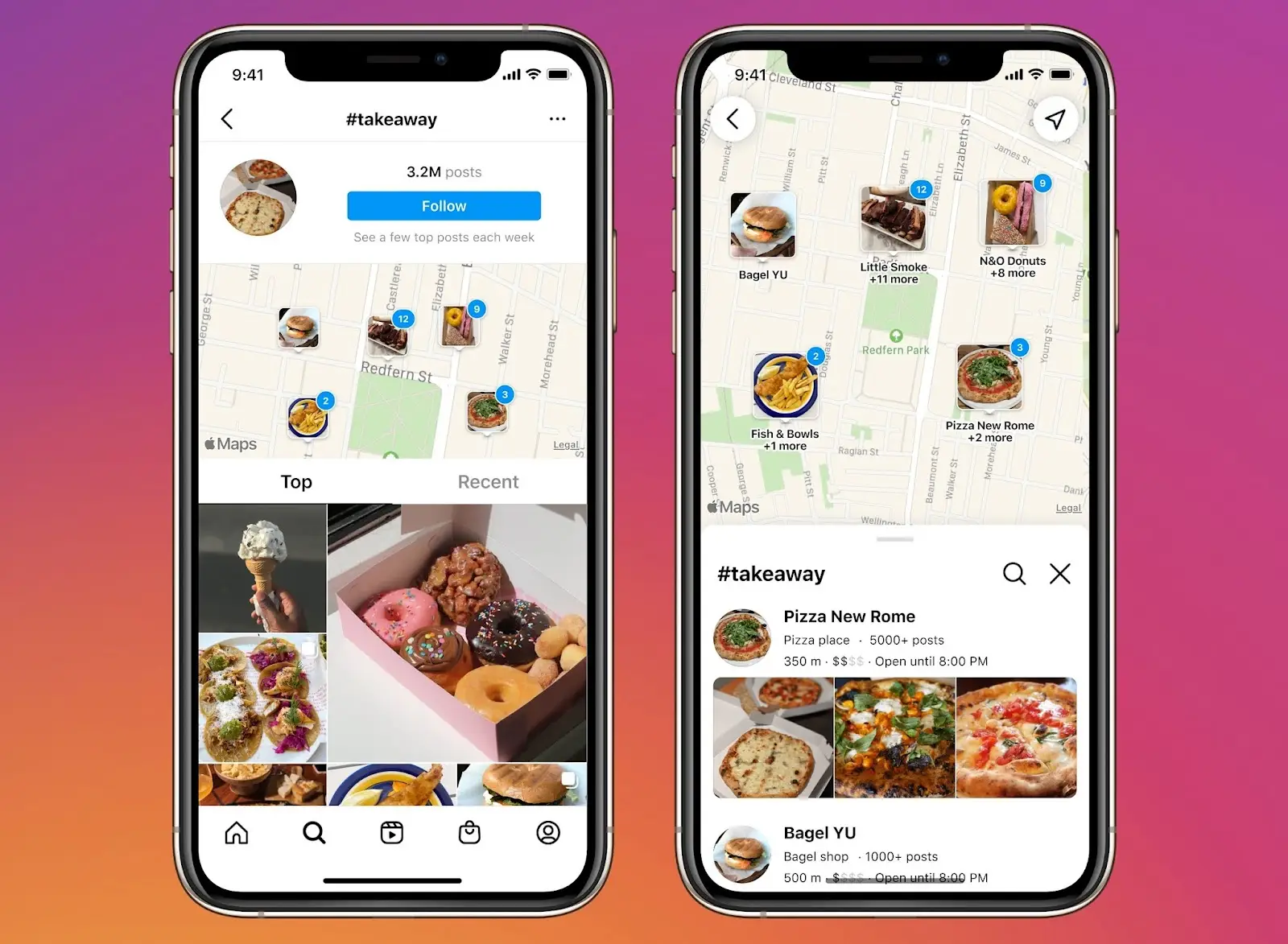
Few marketing terms light up local business owners’ eyes like the words “social media”. Most business owners are already using social media in their personal lives, and it’s only natural to want to use this channel to grow your business. However, many business owners dive headfirst into social media without an understanding of what kinds of content to post, how to attract followers and fans, the nuances of each social platform, or a tailored marketing strategy to make the most of their time spent.
The essence of social media is really a public conversation with your customers and prospective customers—sort of like one big dinner party. Just as partygoers aren’t really attending with the intent of being sold to, neither are social media followers looking for a constant sales pitch. And no partygoer likes to be cornered by someone who only talks about themselves, so don’t be “that guy” on social media either! Engage your followers, ask their opinions, and give them a sense of investment in your business.
In terms of making the most of your time, spend it on the sites where your customers are. Just because you think you should be on Facebook doesn’t necessarily mean that it will pan out for you. Survey your customers to find out which sites they’re on, whether in-store, via email, or when they call for an appointment. You’re likely to get a running start on your social media campaign if you “fish where the fish are.”
What is Local Social Media Marketing?
Local social media marketing refers to the strategic use of social media platforms to promote a local business and connect with its target audience within a specific geographic area. This approach involves creating and sharing content that resonates with the local community, engaging with customers and potential customers, and utilizing social media advertising to broaden your reach.
By focusing on local social media marketing, businesses can significantly enhance their online presence, drive website traffic, and attract new customers. This method is particularly effective for local businesses as it allows them to build strong relationships with their community, fostering loyalty and trust. Incorporating online marketing techniques can further enhance the effectiveness of local social media marketing efforts.
Why is social media marketing important for local businesses?
A few reasons include:
- Local social signals influence search rank
Local social media content plays a crucial role in boosting your search engine optimization (SEO) efforts. Search engines view social media channels as valuable mentions of your business, and when these mentions align with your website, they enhance your site’s authority.
For instance, backlinks from social media posts to your website create a consistent online presence that search engines favor.
A compelling case study demonstrated a significant improvement in search rankings for the highly competitive keyword “pizza” when local Facebook pages actively posted about it.
By leveraging local social media, businesses can increase their online visibility and drive more website traffic, ultimately enhancing their overall SEO performance.
- Local content shows your relevance
Potential customers are keen to see how your business is connected to the local community. Local social media marketing is an excellent way to communicate this relevance through localized multimedia content and meaningful interactions with real customers.
By frequently posting local success stories and addressing issues pertinent to the community, you can significantly boost consumer confidence in your brand.
Content that resonates with local audiences tends to perform better than generalized content, helping you establish authority in your industry and build trust with potential customers. This approach not only enhances your social media presence but also fosters a loyal local following.
The link between search engines and “social signals”
Search engines are starting to take social signals into account – which means you need to pay attention to them. (Social signals are metrics that social media platforms use to record and measure engagement on content. They include likes, comments, reposts, shares, and more.) Social signals are not major ranking factors on search engines like Google or Bing, but we do know that they hold influence.
Bing evaluates social signals more than Google: they look at pages that have a higher number of likes, shares, or retweets, and they may rank those pages higher in search results than pages that have earned a lower quantity.
For Google’s part, they use social signals to try and improve their overall search results experience. So, although they are not direct ranking factors, high engagement pages tell search engines that certain content is resonating — and therefore might be something other searchers with the same questions may find helpful. More concretely: Google’s Search Quality Rating Guidelines mention social media posts and profiles as one of the factors that manual search evaluators should use to assess the reputation of both content creators and websites.
So, what are some tactical practices you should consider to increase social signals?
- 1. Share your content consistently across social channels
Sharing content on your social channels is a great way to promote it. By sharing social posts with links to your content (like blogs or articles, for example), you increase opportunities for likes, comments, shares, and other engagements that signal to search engines that your content is resonating.
Read Also: Pinterest SEO Strategies for E-commerce Brands
This is important across the board, but especially when it comes to engaging younger customers. (67% of Gen Z use social media platforms directly to search for information about products or services, such as “Italian restaurant near me” or “hotel in New York City.”*)
- 2. Engage with customers via social
Show search engines you’re active across social channels not just by posting, but by engaging with your audience’s comments, questions, and shares as well. This shows search engines — and customers — that your profile is managed and monitored by your business. IT shows that you’re there to actively engage — and to try to improve the customer experience.
When you respond to comments, you can also use that as an opportunity to share relevant links to help articles or your website to increase backlinking (which is a direct Google ranking factor).
- 3. Link or claim social profiles in your business listings
Search engines value comprehensive and accurate business information. Including your social profile links in your business listings increases your listings “completion” — and as a result, your listing will be valued more highly than a less complete listing. This gives you a better chance of ranking higher in search results.
Content Strategies for Local Social Media
Creating a robust content strategy is essential for local social media success. Here are some key strategies to consider:
The most effective post types for local social media
To effectively engage your local audience, consider incorporating the following types of posts into your social media strategy:
- Promotional posts: Highlight specific products or services and include a clear call-to-action to encourage immediate engagement.
- Educational posts: Share valuable information that positions your business as a thought leader in your industry. This could include tips, how-tos, or industry insights.
- User-generated content: Feature content created by your customers or followers. This not only showcases customer loyalty and satisfaction but also builds trust and credibility with your audience.
Strengthen your digital presence and improve discoverability
The relationship between local SEO and social media is dynamic and always evolving. And while the direct impact of social signals on search engine rankings may be up for debate, there is an undeniable relationship between these two channels. In fact, Tiktok recently updated their Creator program to reward content creators bringing forward content that is more search friendly and better optimized to rank in search results.
From driving customer discovery to influencing purchasing decisions, social media plays a crucial role throughout today’s customer journey. By taking these first key steps to optimize your social content, you can strengthen your business’s digital presence and improve discoverability across search engines.









Comments