
 By
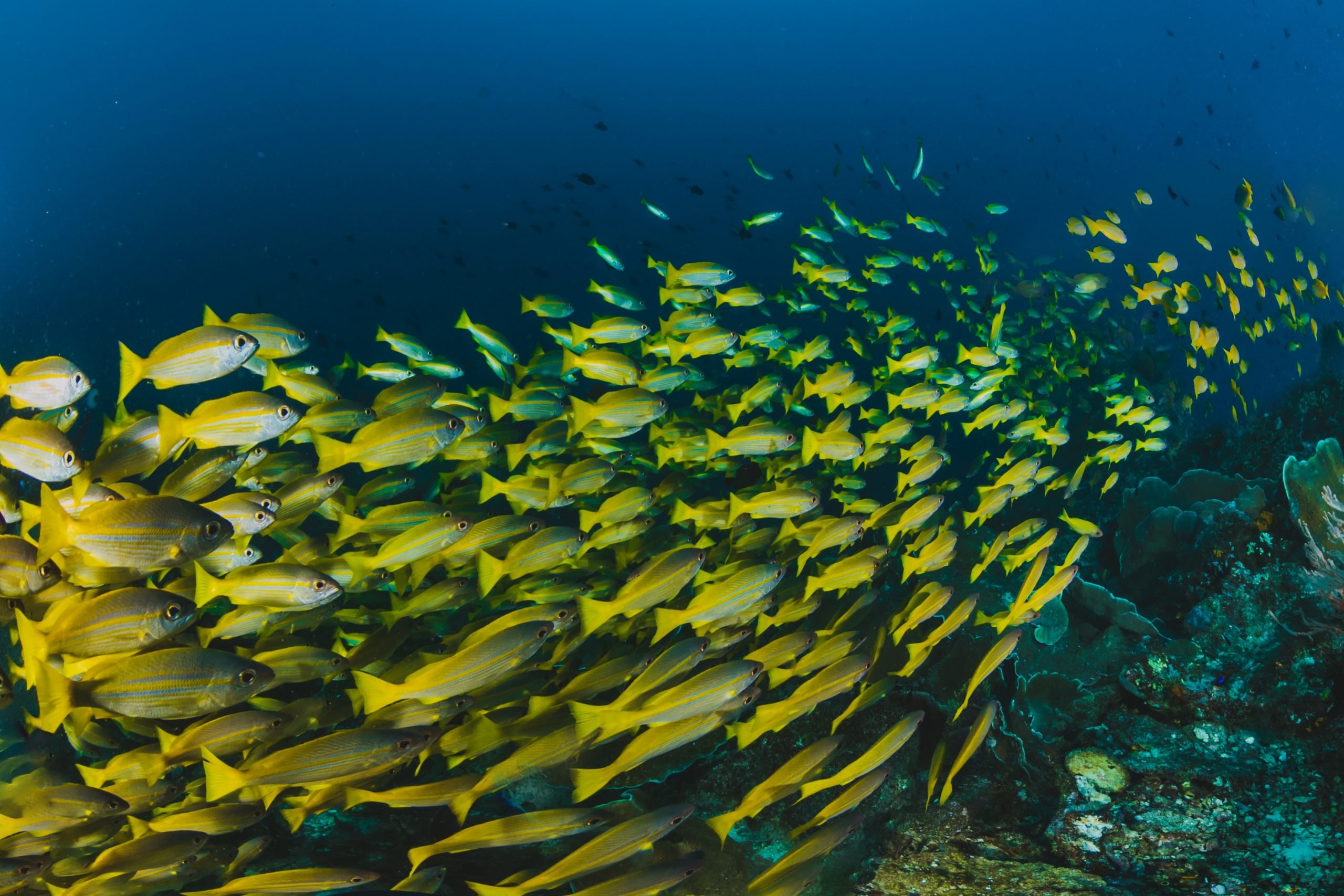
To prevent overfishing and rebuild stocks, sustainable fisheries management uses science-based catch limits, habitat conservation, and regulated fishing capacity for long-term profit. Managers can sustain ecosystem health by applying tools like Total Allowable Catches (TACs), Marine Protected Areas (MPAs), and selective gear, resulting in higher, more reliable economic returns and livelihoods in the future.
Key Components for Long-Term Profitability
- Science-Based Limits: Utilizing Maximum Sustainable Yield (MSY) to set Total Allowable Catches (TACs) ensures fish populations are not depleted, allowing for continued,, stable harvests.
- Input and Output Controls: Controlling fleet size, gear type, and fishing seasons (input) along with quotas (output) prevents overcapacity and protects vulnerable life stages of fish.
- Marine Protected Areas (MPAs): Establishing no-take zones allows habitats to recover, enhancing biodiversity and providing spillover effects that replenish surrounding fishing grounds.
- Selective Fishing Gear: Using gear that minimizes bycatch and reduces habitat disruption protects juvenile fish and non-target species, preserving ecosystem integrity.
- Adaptive Management: Regularly adjusting policies based on real-time data to respond to changing environmental conditions, such as climate change.
- Economic Incentives: Reducing harmful subsidies and fostering community-led management empowers local fishers and promotes sustainable practices.
Benefits of Sustainable Management
- Increased Profit: Healthier fish stocks generally lead to higher catch-per-unit-effort, reducing operational costs over time.
- Resilience: Sustainable fisheries are better equipped to withstand environmental shocks.
- Long-Term Livelihoods: Protecting the ecosystem secures jobs and food security for future generations.
Sustainable fisheries management is an important field of study that focuses on balancing the ecological, economic, and social elements of fishing activities to preserve the long-term health of marine ecosystems and the populations that rely on them. Overfishing and diminishing fish stocks have resulted from increased fishing demands, habitat degradation, and climate change over the last several decades. These challenges endanger biodiversity, undermine food security, and have an impact on livelihoods.
The concept of sustainability in fisheries seeks to create techniques that keep fish populations healthy while also maintaining economic viability and social equality. Understanding fish biology, ecological dynamics, and human impacts is necessary for developing successful policies and management strategies. As the worldwide demand for seafood grows, creative approaches and joint efforts are required to ensure that fisheries remain productive and resilient for future generations.
The primary challenge in sustainable fisheries management is striking a balance between fishing’s economic benefits and the preservation of marine ecosystems and fish stocks. Overfishing, caused by lax rules, illicit practices, and rising global demand, has decimated many fish species, endangering biodiversity and the livelihoods of fishing communities. To solve this challenge, a diverse approach is required.
This includes establishing science-based quotas and marine protected areas to minimize overfishing, improving monitoring and enforcement of illicit fishing activities, and encouraging sustainable fishing practices among stakeholders. Furthermore, promoting international cooperation and incorporating traditional ecological knowledge might improve management tactics. Public awareness efforts and consumer education can help increase demand for sustainably sourced seafood. By using a holistic, adaptive management paradigm that takes into account ecological, economic, and social issues, it is possible to preserve the long-term sustainability of marine resources while also supporting fishing communities’ livelihoods. This coordinated approach is critical for ensuring truly sustainable global fisheries.
Solutions
If we do not transition to environmentally sustainable food sources, we will run out of food. While in the past, the primary response to food shortages was to convert additional land to agriculture and exploit new fish stocks, we now need to produce more food with the same amount of land and fish stocks while lowering the environmental effect of food production.
Read Also: The Role of Oceans in Sustainable Economic Growth
To develop long-term solutions to the aforementioned challenges, a wide range of initiatives to ensure fisheries, livelihoods, and financial viability are required, including the development of advanced decision-making methods, improved governance and regulation, new models for sustainable fishing practices, and new technologies.
Long-term sustainable marine governance, compliance and enforcement
A strong legal framework and transparent marine governance with participation and accountability of all relevant key stakeholders can contribute towards the development of more sustainable fisheries. Allocating adequate resources to various law enforcement bodies (e.g. coast guard, marine police) is a further important precondition to ensure the compliance with regulations which include effective monitoring, control and surveillance (MCS) and law enforcement of both national laws, regional and international treaty obligations. In addition it is necessary to have adequate administrative and judicial sanctions in place to enable penalties or prosecute fish crime, depending on the severity of the breach of law.
Reduction of overcapacity
It is necessary to reduce fishing capacity to match the available fish resources for the fisheries to recover. This could be achieved through variety of measures. One example is to fight IUU fishing which both contributes to overcapacity but is also a symptom of it. Secondly, the establishment of protected marine reserves not only reduces the capacity in the protected zone to zero, but also creates net-benefit capacity through spillover effects. Thirdly, obstructive subsidies (e.g. vessel construction and fuel tax waivers) remain a key threat to global fisheries sustainability as they reduce the cost of fishing and contribute to overcapacity and overexploitation of fish stocks. Other forms of measures to reduce overcapacity include offering positive incentives (e.g. tax incentives to fishermen) and the implementation of innovative governance structures, such as fisheries co-management models.
Exploring new technologies and designs
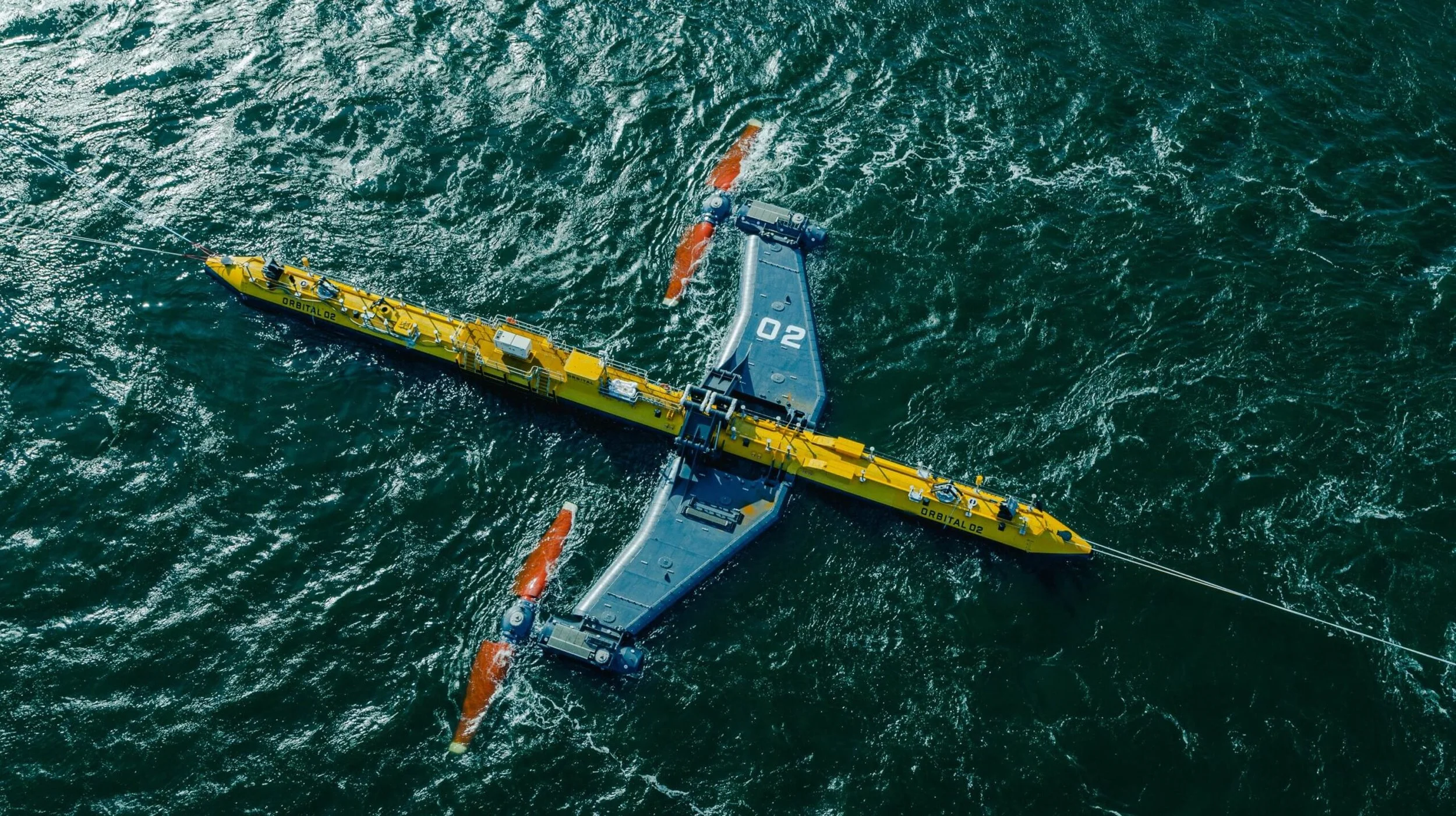
Emerging technologies can be vital to transform fisheries sector. For example, traceability solutions can transform the entire fisheries value chain – from “boat to plate”. Combating IUU fishing can also involve various innovative technology solutions. Such technology solutions include shared databases on vessel registries and licenses for evaluating fishing authorizations, automatic identification systems and vessel monitoring systems (VMS), e-logbooks for prompt reporting of catches, onboard camera inspections for fully observing fishing operations, port-in port-out communications for enforcement, e-transaction of market information for traceability and catch documentation schemes for catch information.
Securing (alternative) livelihoods for fishers
Even though increased value of fish translates into increased earnings for fishers and improved legal framework/law enforcement protects local fisheries resources, governments need to ensure a long-term economic and social wellbeing of fishers. It is vital to lower pressure on marine resources and hence to develop alternative sustainable livelihoods to fishers, provide training and design acceptable compensation packages. These alternative livelihood solutions could include anything from handicrafts, gardening, farming to coconut oil production.
Exploring solutions to reduce food loss/waste
Research suggests that if just one-fourth of food currently lost could be saved, we would be able to feed an additional 870 million people. Food waste and loss can be tackled by strengthening the supply chain through improved infrastructure (e.g. cold storage), transportation and expansion of the food and packaging industry and via direct support of all stakeholders. It is equally important to raise awareness among industries, retailers and consumers in developed countries and to find beneficial use for food that is presently thrown away.
Exploring eco-conscious consumers
Supply and demand surveys show that consumer habits are changing. Eco-conscious consumers are increasingly looking for healthy, sustainably sourced seafood options offering value for money as well as variety. In combination with reliable traceability, responsible fish vendors can offer the end-consumers assurance that the seafood they consume derives from sustainable sources and is labelled accurately.
Exploring and promoting new species
Often consumers are unaware of the abundance of underutilized and underappreciated seafood. In the U.S more than two-thirds of the seafood eaten is salmon, shrimp, canned tuna and (farm-raised) tilapia. By raising consumer awareness and by creating markets for currently underutilized fish, we decrease the pressure on the most popular fish, thus lessening overfishing, in addition to providing income for local fishermen and helping the community.
Aquaculture
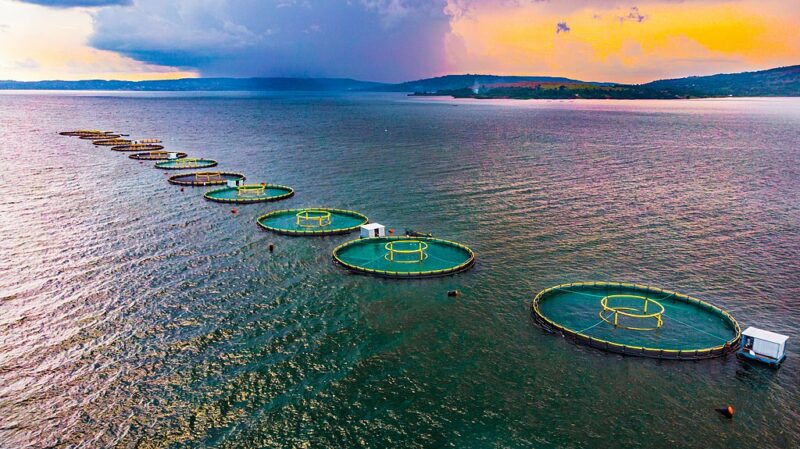
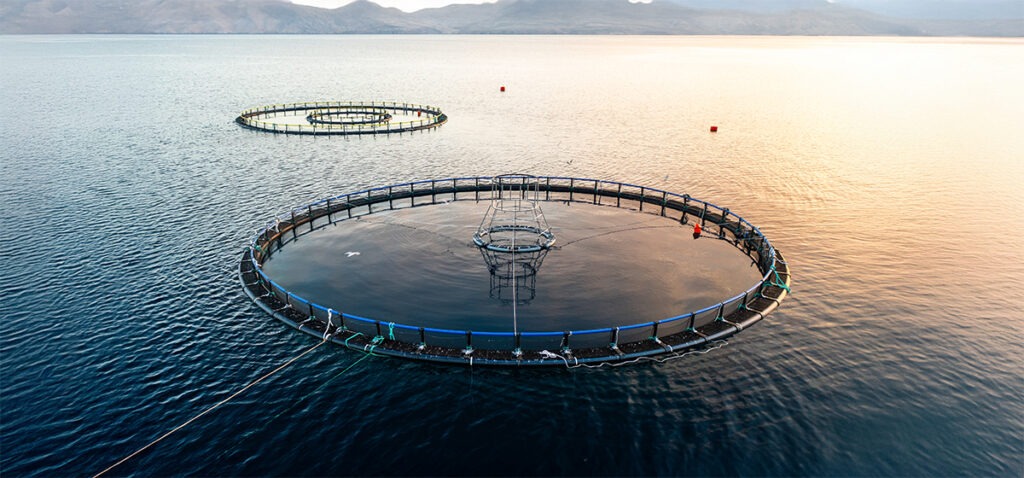
Aquaculture has been seen as a potential long-term solution to the depletion of fish stocks and the world’s increasing appetite for healthy protein. A milestone was reached, for the first time, as the world’s population consumed more farmed than wild-caught fish. World aquaculture production reached 101.1 MT, representing 52% of total fisheries production.
Science based decision making
Global fisheries are part of a complex, dynamic and interconnected system, and it is vital that decision making practices reflect this challenge. Evidence based decision making for governance, conservation and management, planning and performance measurement are therefore necessary to ensure the productivity and sustainability of both fisheries, fishing communities and to conserve protected marine resources.





Comments