
 By
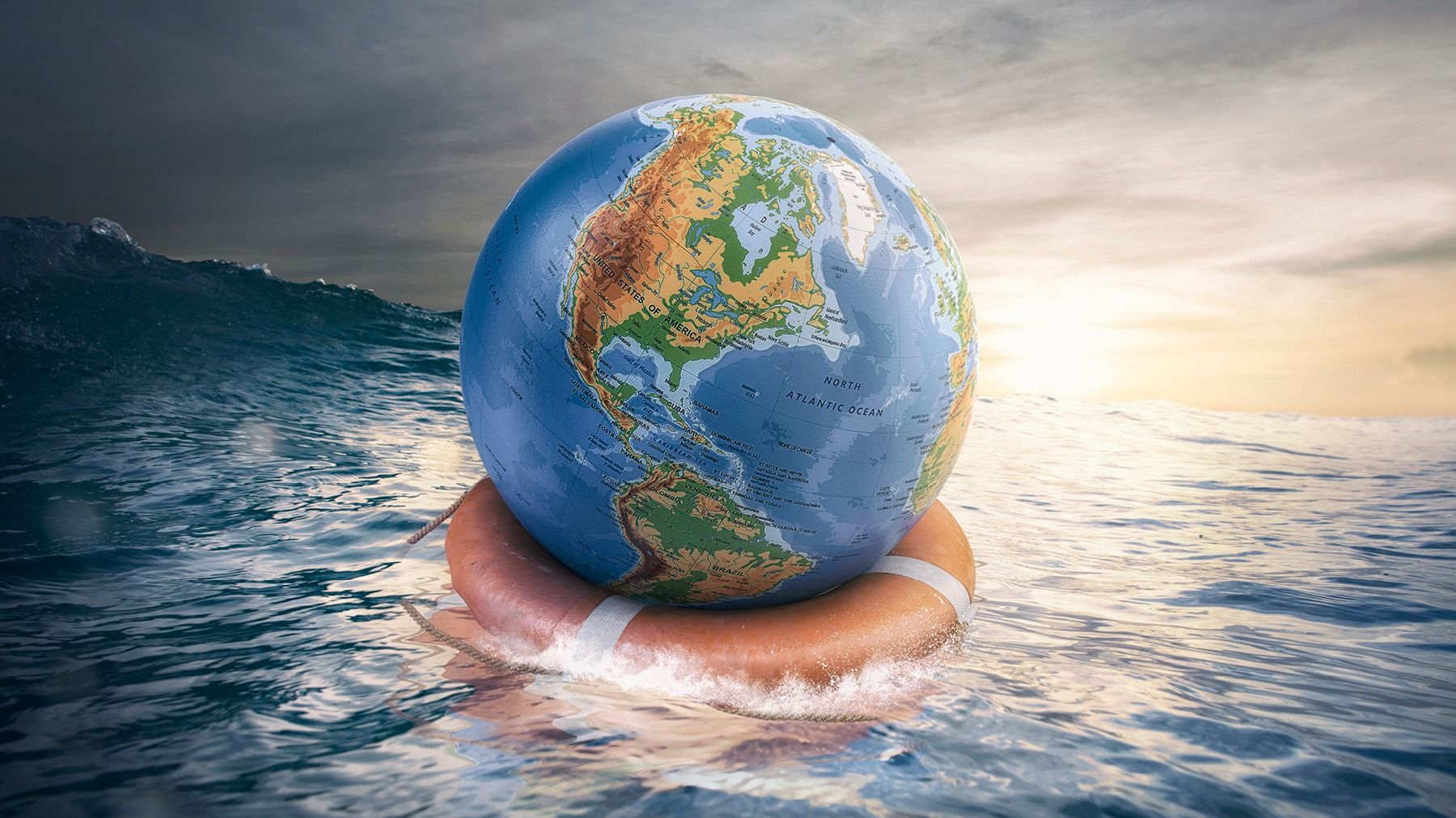
The ocean is a key source of global economic growth, worth around $2.5 trillion each year, providing important food, energy, transportation, and, via sustainable practices, a “Blue Economy” model. It supports almost 3 billion people, providing jobs in tourism, fishing, and renewable energy, while controlling the climate and preserving coastal towns.
The ocean, which covers more than 70% of our world, is an invaluable lifeblood, providing billions of people with crucial resources like food, oxygen, and a means of subsistence. However, since human activities place growing burden on marine ecosystems, the Blue Economy idea has developed as a critical paradigm for balancing economic expansion with ocean health. Sustainable ocean use is no longer an option; it is critical to our existence in an era where environmental sustainability is not just a choice, but a requirement.
Below, we’ll explore the role of oceans in the global economy, including how they support industries, create employment, generate revenue, and ensure sustainable futures.
1. Food Security and Livelihoods
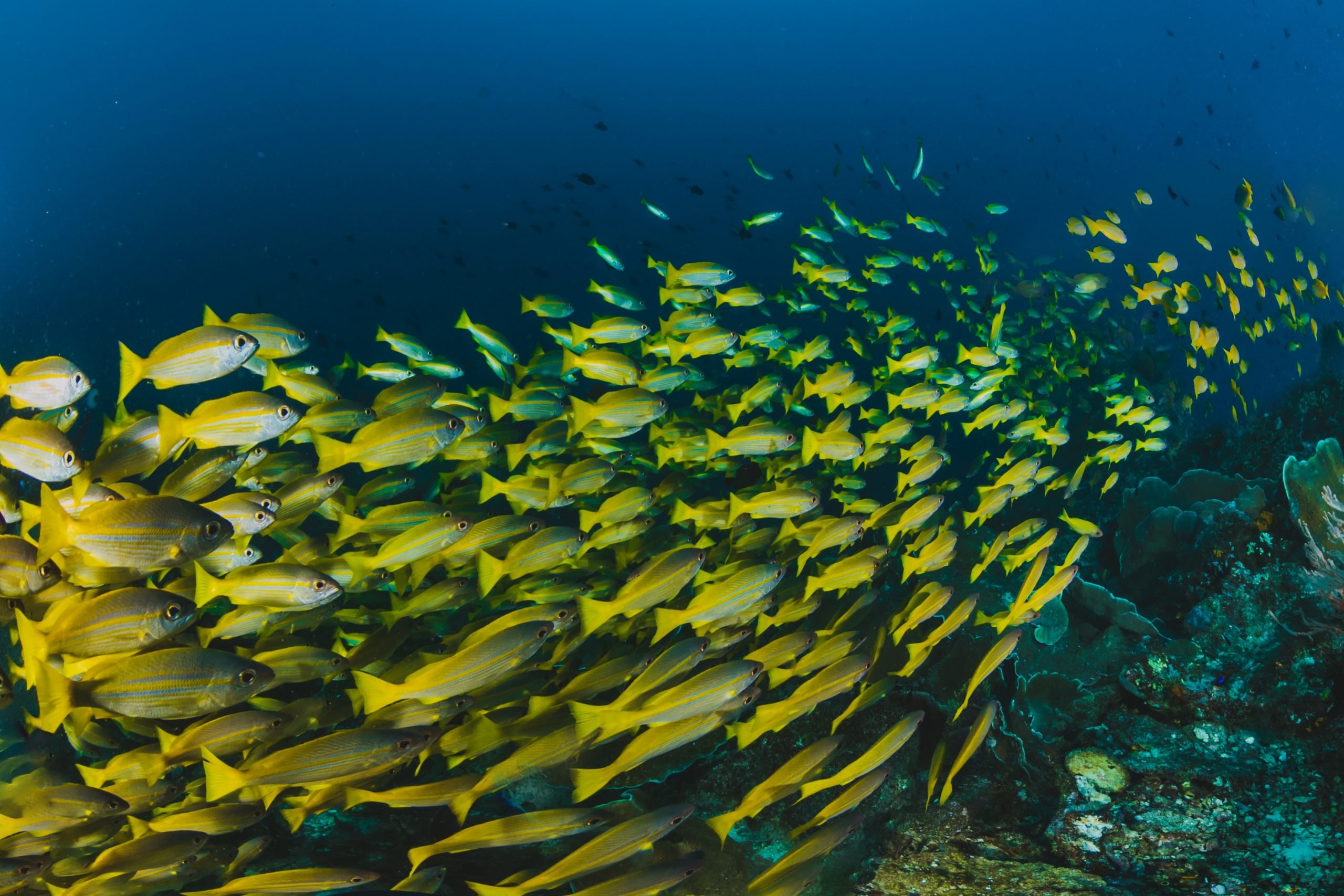
The ocean provides food for over three billion people worldwide, and fisheries support the livelihoods of millions, particularly in developing coastal nations. However, unsustainable fishing practices are pushing many marine species to the brink of collapse. Without effective management, overfishing will lead to declining fish stocks and compromise food security, especially for vulnerable populations.
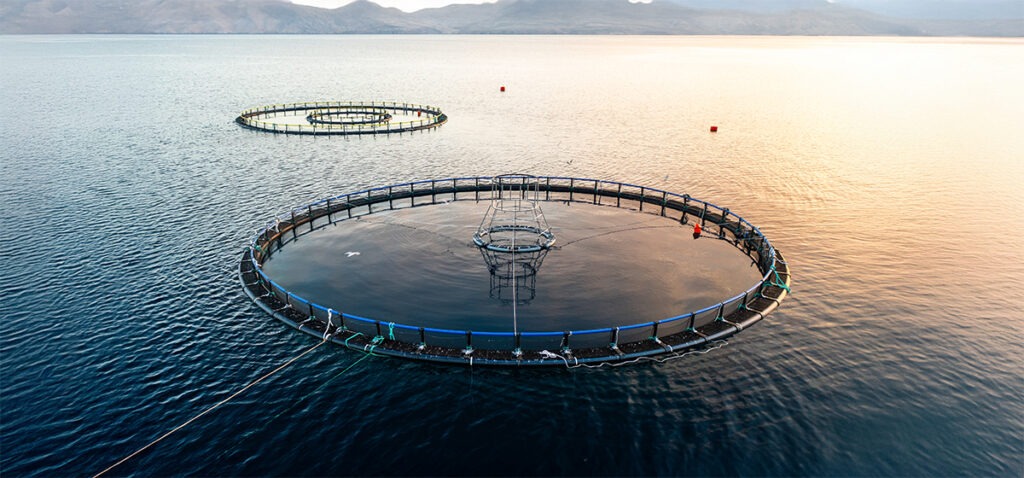
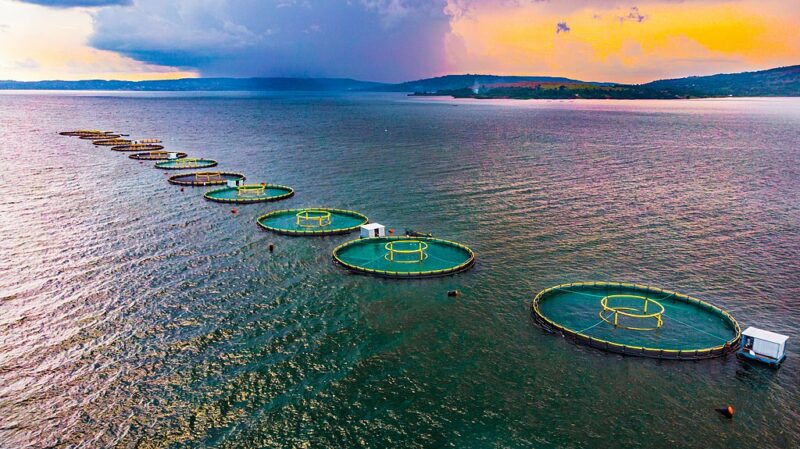
Sustainable ocean management, such as the promotion of sustainable fisheries and aquaculture, can help maintain biodiversity, restore fish populations, and ensure that marine resources continue to provide food and economic benefits for future generations.
2. Climate Regulation
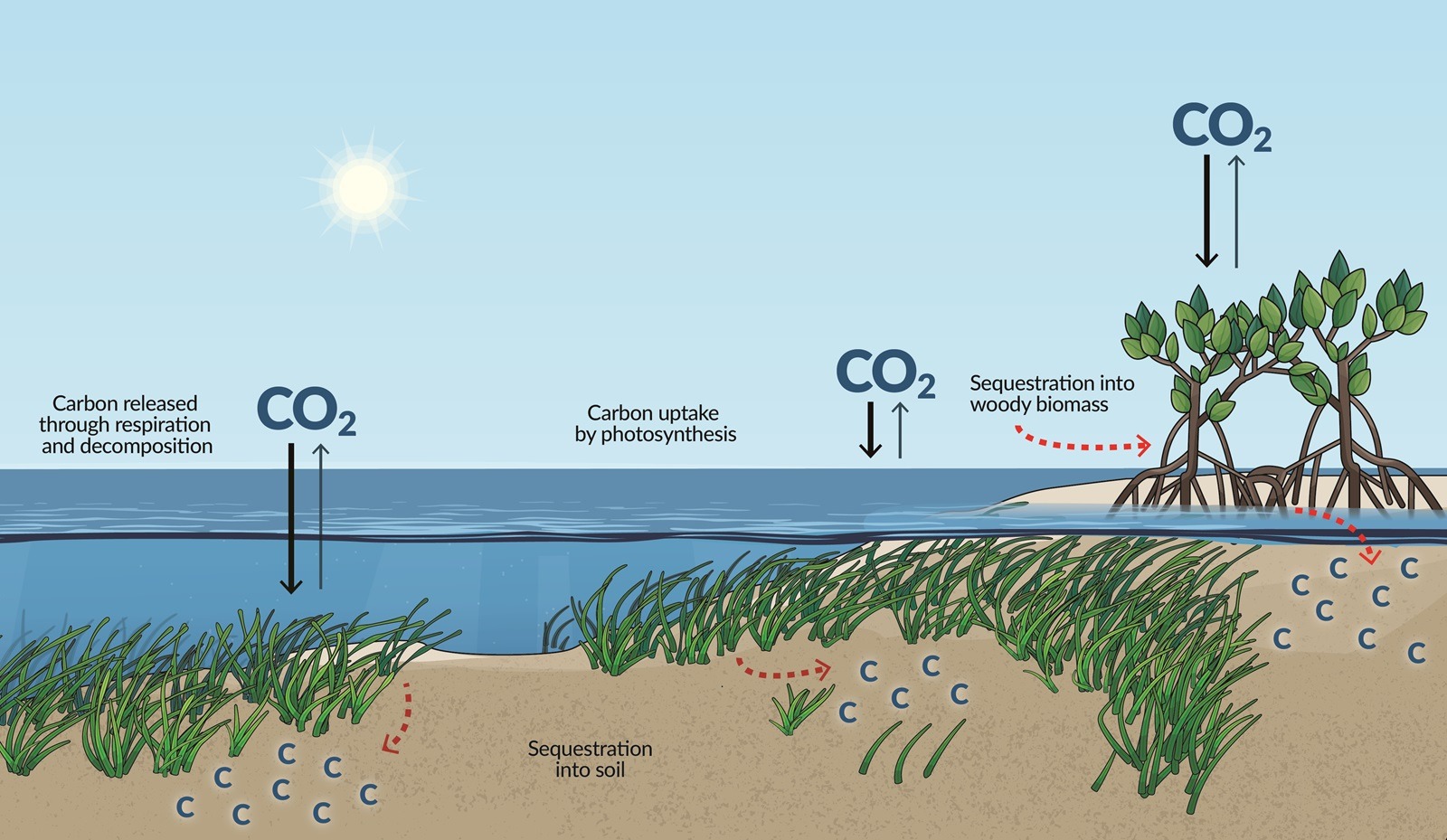
The ocean plays a crucial role in regulating the Earth’s climate. It absorbs approximately one-quarter of all carbon dioxide emissions and generates 50% of the oxygen we breathe. However, the ocean’s capacity to perform these functions is being diminished by climate change and pollution.
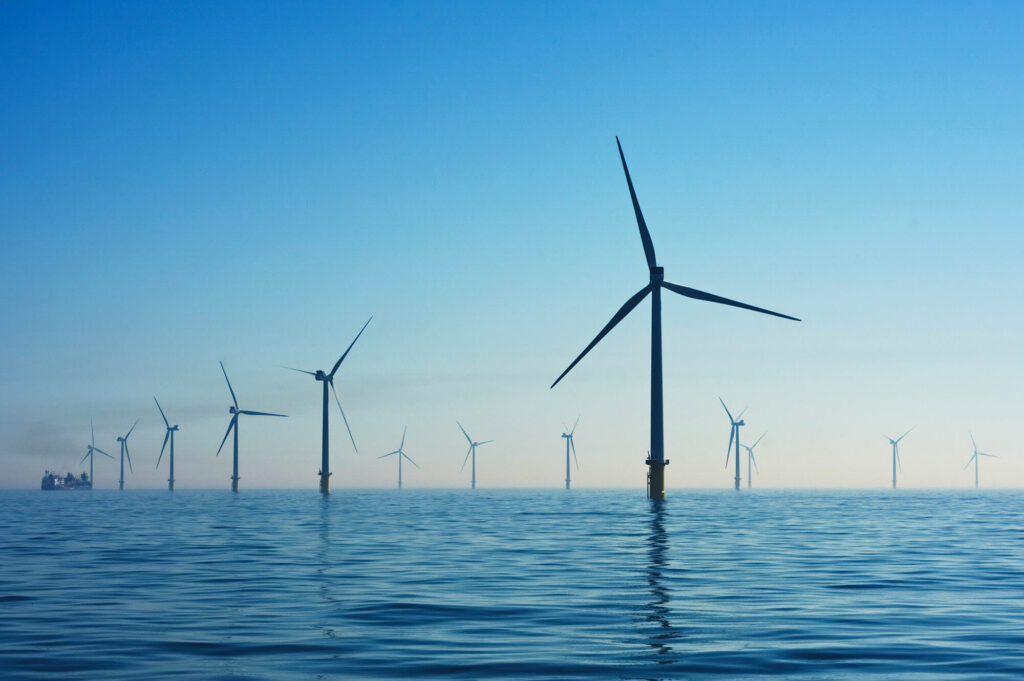
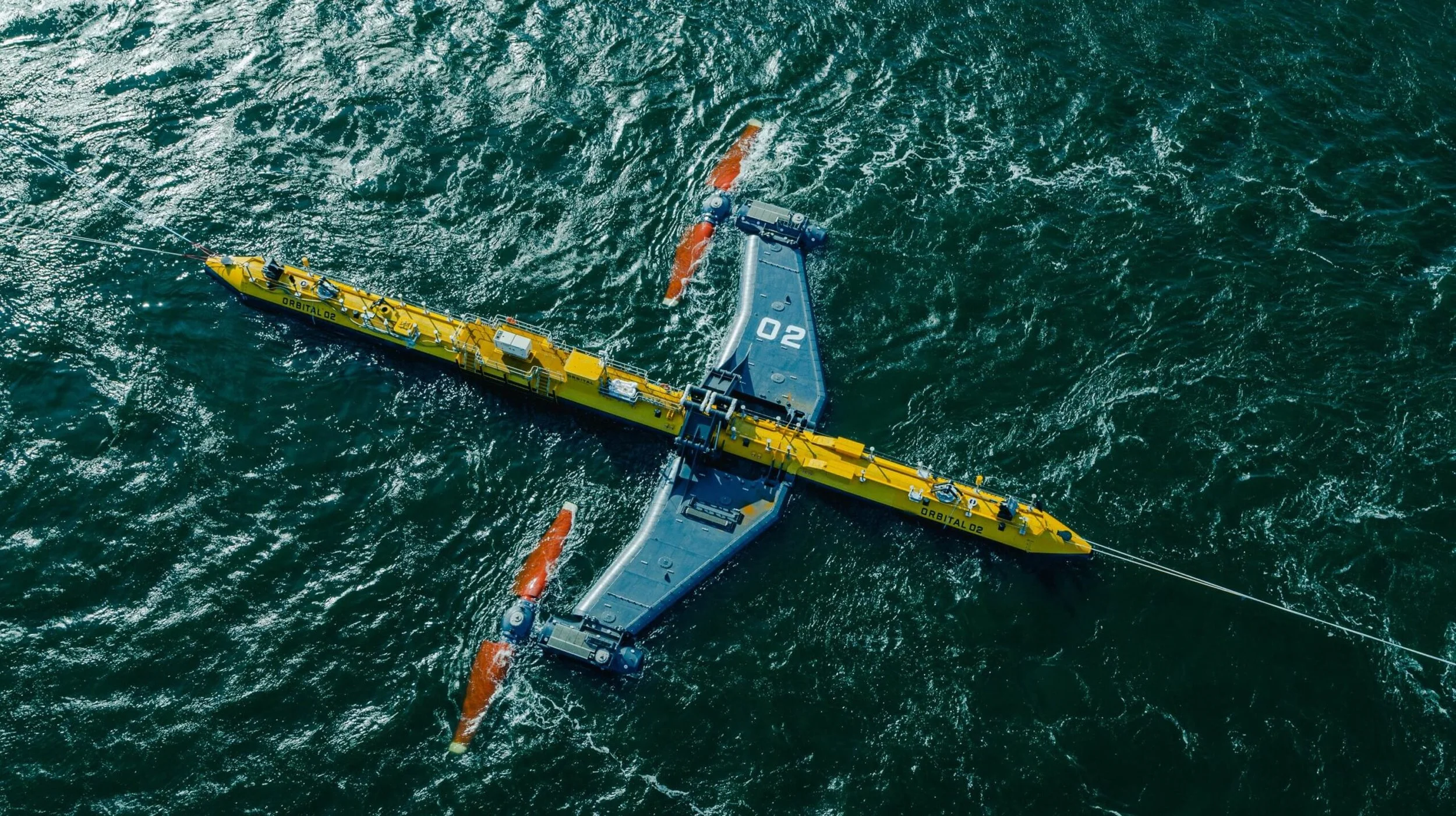
A sustainable Blue Economy includes investing in ocean-based renewable energy, such as offshore wind and tidal energy, which can reduce our reliance on fossil fuels and mitigate climate change. Additionally, preserving ecosystems like mangroves, seagrasses, and coral reefs—which act as natural carbon sinks—can enhance the ocean’s ability to sequester carbon and buffer the impacts of climate change.
3. Biodiversity and Ecosystem Services
Healthy marine ecosystems provide essential services such as coastal protection, tourism opportunities, and support for biodiversity. However, human activity is eroding these benefits. Destructive practices like seabed mining, habitat destruction, and pollution have devastating effects on biodiversity and the health of marine ecosystems.
A sustainable Blue Economy promotes the protection and restoration of ecosystems by integrating Marine Protected Areas (MPAs) and enforcing stricter environmental regulations. By maintaining biodiversity and safeguarding ecosystems, we ensure that the ocean continues to provide the ecosystem services critical to human well-being.
4. Economic Opportunity
The ocean is a driver of economic growth, with ocean-based industries contributing an estimated $1.5 trillion annually to the global economy. By 2030, this figure could double if sustainable practices are adopted. Traditional ocean industries such as tourism, shipping, and fishing can be enhanced through sustainable management, while new opportunities in sectors like renewable energy, biotechnology, and marine services offer potential for innovation and job creation.
Investing in the Blue Economy not only preserves the ocean’s ecosystems but also creates new, sustainable economic opportunities for countries and communities that depend on the sea.
Why Oceans Are Critical to Economic Systems
The Blue Economy a term describing the sustainable use of ocean resources for economic growth, improved livelihoods, and jobs has become a key driver of development for both developed and developing nations.
Read Also: What Is the Blue Economy? A Beginner’s Overview
Key Stats:
- The ocean economy is valued at $3 trillion annually, about 5% of global GDP
- Over 3 billion people rely on oceans for their livelihood
- Oceans handle over 80% of global trade by volume
- Marine sectors employ more than 60 million people globally
1. Maritime Trade & Shipping: The Artery of Global Commerce
How Oceans Facilitate Global Trade
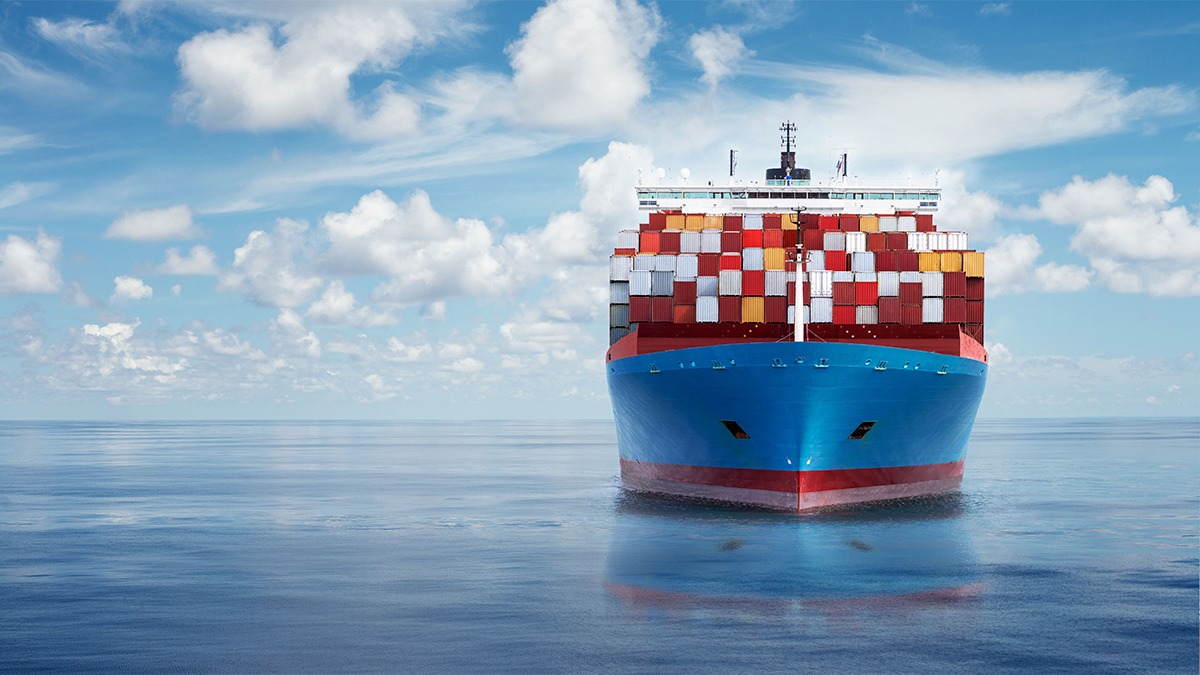
The majority of international trade is conducted over oceans via commercial shipping. Ports and maritime logistics connect countries and drive economic activity worldwide.
Economic Impact:
- Over 11 billion tons of goods are transported via sea annually
- Ports and logistics hubs generate billions in revenue
- Coastal economies rely heavily on import/export operations
Key Industries:
- Container shipping
- Cruise lines
- Freight and logistics companies
- Shipbuilding and repair
2. Fisheries & Aquaculture: Feeding Billions
Oceans as a Food and Income Source
Fisheries are among the oldest industries tied to oceans and continue to be an essential component of food security and economic stability in many countries.
Key Facts:
- Provides 17% of global animal protein consumed
- Employs 60 million people, especially in Asia and Africa
- Fish is the most traded food commodity globally
Economic Impact:
- Worth $406 billion globally as of the latest data
- Aquaculture is the fastest-growing food sector
- Crucial for export economies like Norway, Chile, and Vietnam
3. Coastal & Marine Tourism: A Multibillion-Dollar Industry
How Tourism Depends on Oceans
Coastal regions and tropical islands attract millions of tourists annually. Ocean-based tourism fuels the economy of countries like the Maldives, Greece, Australia, and the Caribbean.
Economic Contributions:
- Responsible for $390 billion globally
- Supports 1 in 10 jobs worldwide
- Promotes small businesses like hotels, dive schools, restaurants
Popular Activities:
- Cruise tourism
- Scuba diving and snorkeling
- Beach resorts and eco-tourism
- Marine wildlife excursions
4. Offshore Energy: Fueling Economic Growth
Oceans as a Source of Power
Offshore energy including oil, gas, wind, and tidal contributes significantly to national economies and energy security.
Breakdown:
- Offshore oil and gas account for 30% of global production
- Offshore wind energy capacity is rapidly growing, especially in Europe and China
- Wave and tidal energy are emerging technologies with long-term potential
Investment & Job Creation:
- Multinational investment in offshore wind exceeds $50 billion annually
- Supports high-paying engineering, construction, and maintenance jobs
5. Marine Biotechnology & Research
Oceans as a Source of Innovation
Marine biotechnology is an emerging sector that taps into the genetic resources of marine life to develop products in pharmaceuticals, agriculture, and cosmetics.
Real-World Applications:
- Anti-cancer compounds from sponges and algae
- Enzymes used in laundry detergents from deep-sea bacteria
- Marine collagen used in anti-aging skincare
Economic Potential:
- Expected to become a $6 billion+ industry by 2030
- Drives innovation, R&D investments, and biotech startups
6. Infrastructure & Port Development
Oceans Enable Strategic Infrastructure
Ports, harbors, and coastal infrastructure are vital for global logistics, national security, and trade.
Key Benefits:
- Attract foreign direct investment (FDI)
- Support local industries and employment
- Serve as innovation hubs for green port initiatives
Case Studies:
- Singapore: One of the world’s busiest ports contributes over 7% of GDP
- Rotterdam, Netherlands: A logistics powerhouse in Europe
7. Environmental Services & Natural Capital
The Ocean’s Hidden Economic Value
Beyond visible industries, oceans provide critical ecosystem services that sustain the global economy.
Services Include:
- Carbon sequestration (absorbing CO₂)
- Climate regulation
- Coastal protection through mangroves and coral reefs
- Waste treatment and oxygen production via phytoplankton
Economic Value:
- Marine ecosystem services estimated at $24 trillion
- Coral reefs alone provide $36 billion annually in tourism, fisheries, and storm protection
8. Employment & Livelihoods
Oceans Support Global Jobs
The ocean economy supports tens of millions of jobs across various sectors, from fishing to marine engineering.
Job Sectors:
- Seafaring and ship operations
- Marine research
- Tourism and hospitality
- Renewable energy
- Port operations
Economic Impact:
- Vital source of income for coastal and island communities
- Offers diverse job opportunities for unskilled to highly-skilled labor
9. Shipping Insurance, Financing & Legal Services
Financial Services in the Ocean Economy
Maritime finance and legal services are specialized sectors that contribute significantly to the global financial ecosystem.
Roles:
- Ship financing and leasing
- Marine insurance (vessel and cargo)
- Admiralty law and international maritime arbitration
10. Blue Economy and Sustainable Development
Shaping the Future of Global Prosperity
The Blue Economy focuses on the sustainable use of ocean resources to balance economic growth and environmental protection.
Global Strategies:
- UN Sustainable Development Goal 14: Life Below Water
- World Bank and UNDP Blue Economy frameworks
- Regional initiatives like Africa’s “2050 Africa’s Integrated Maritime Strategy”
Why It Matters:
- Encourages green technologies and circular economies
- Empowers local communities
- Aligns global economies with climate goals
Finally
Building a Blue Economy is about more than just economic benefit; it is about protecting the ocean for future generations. Sustainable ocean usage assures that humanity can continue to profit from ocean resources while maintaining the fragile balance of marine ecosystems. The Blue Economy offers a model for reconciling human demands with environmental responsibilities through concerted effort, innovation, and a dedication to sustainability.




Comments