
 By
The blue economy is the sustainable use of ocean resources for economic growth, improved livelihoods, and job creation while also protecting the health of marine and coastal ecosystems. It reflects a move from solely exploiting ocean resources to a more comprehensive approach that considers economic, social, and environmental sustainability.
The blue economy is a comprehensive and innovative approach to sustainable development that prioritizes responsible use and preservation of maritime resources. It aims to create a balance between economic growth, environmental protection, and social fairness in the context of our seas and coastlines.
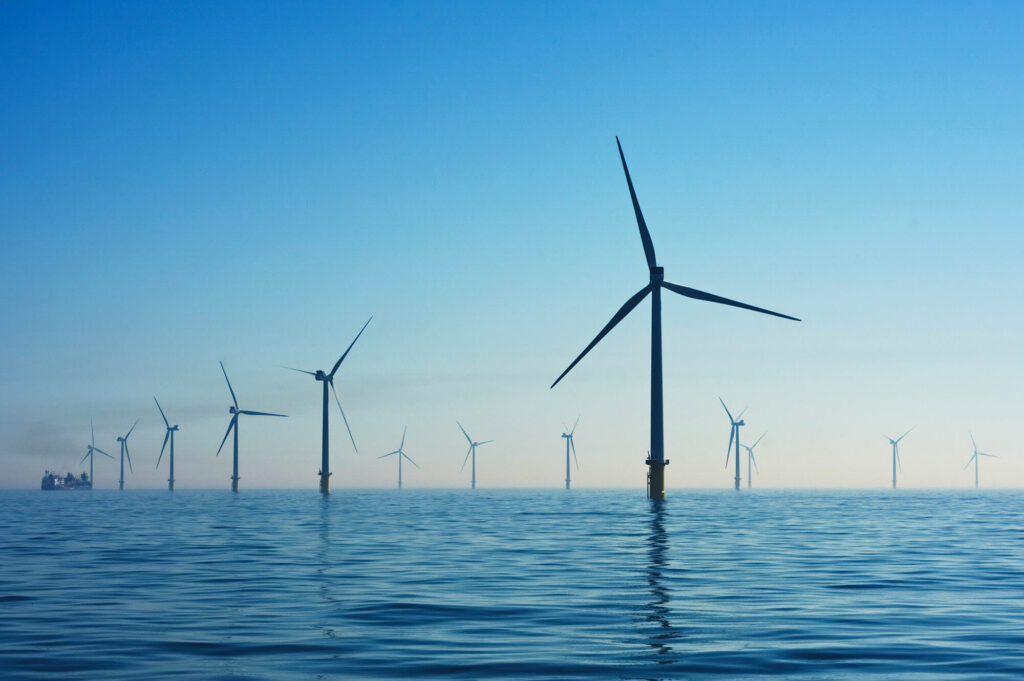
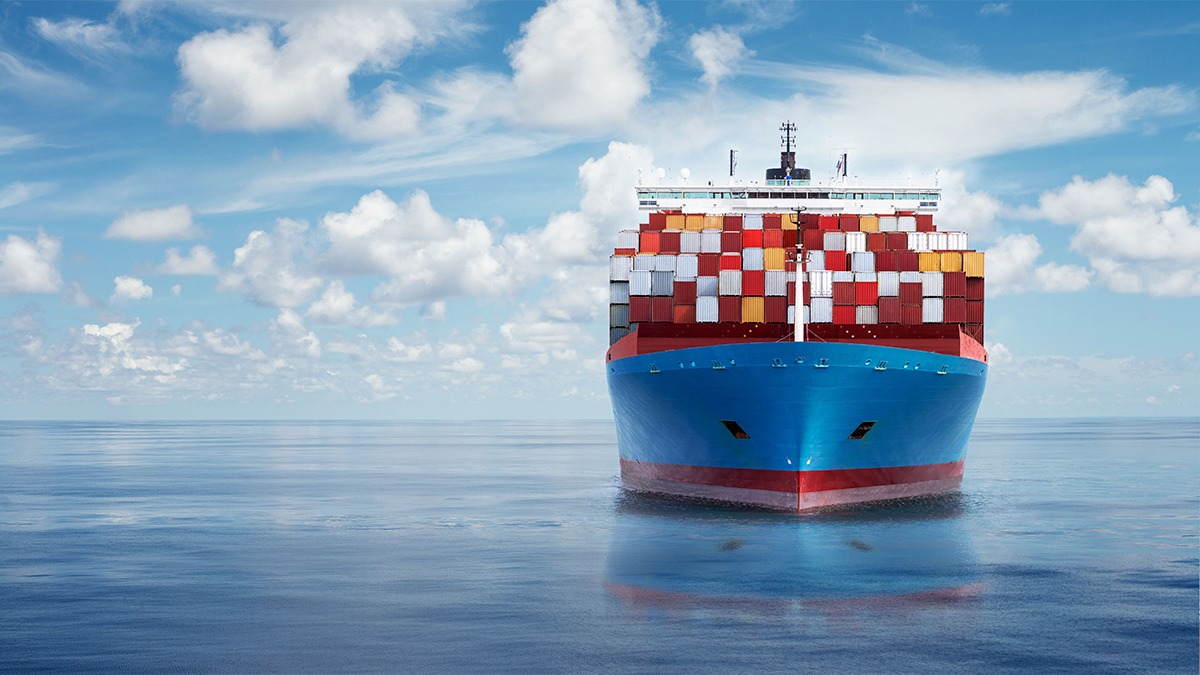
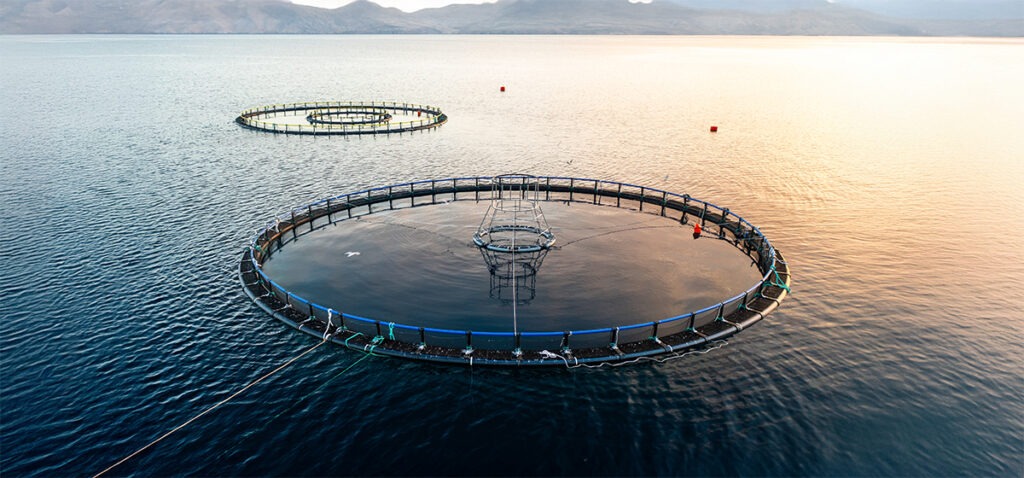
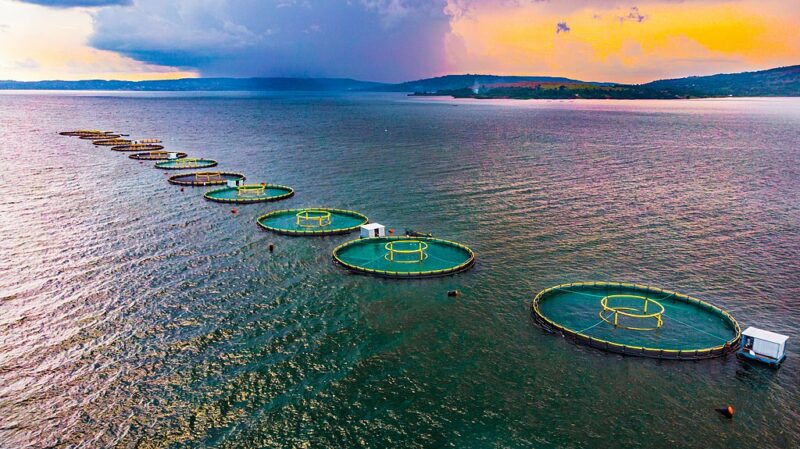
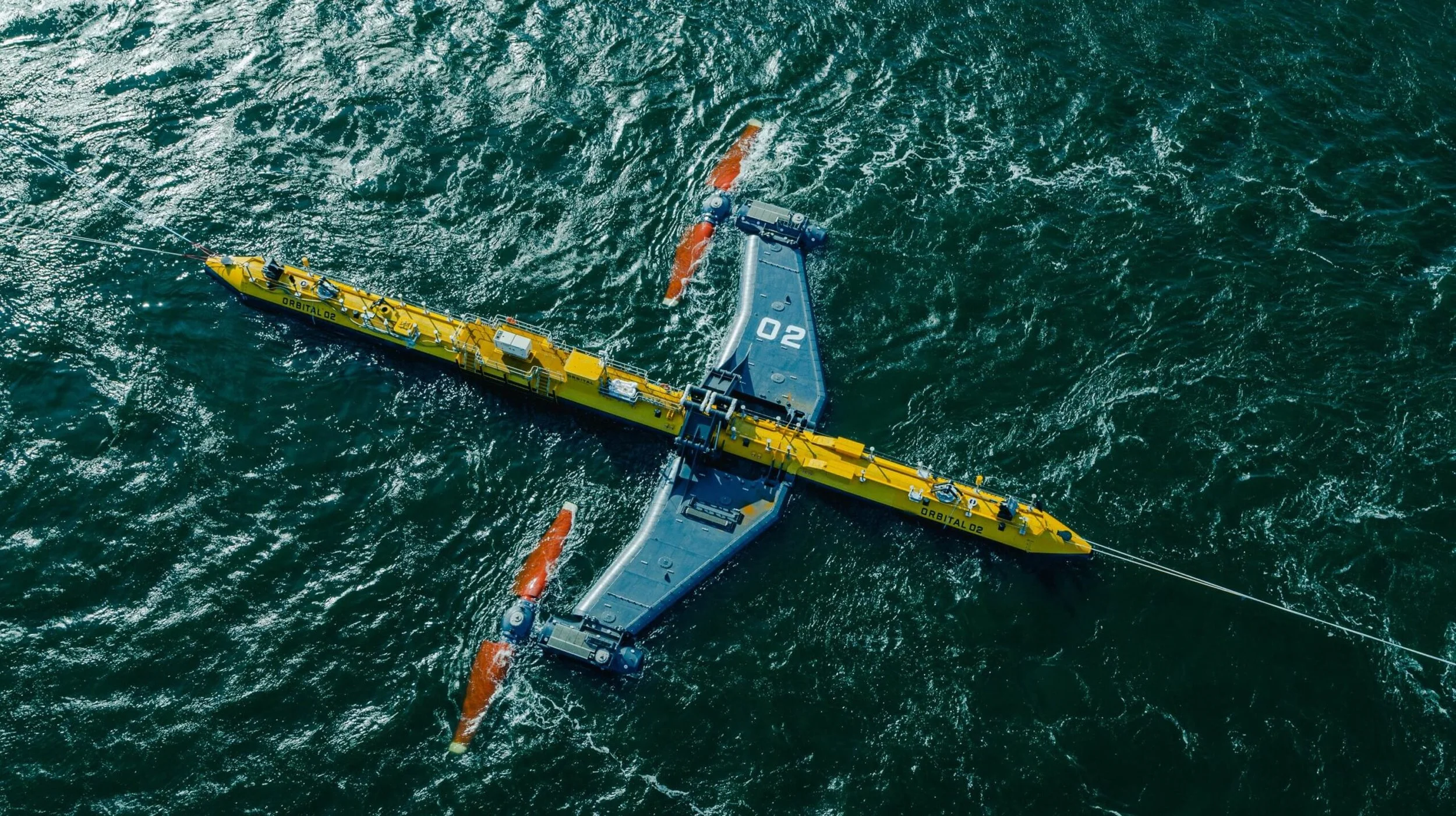
The blue economy comprises various sectors, including fisheries, aquaculture, maritime transport, renewable energy from the sea (e.g., offshore wind farms), coastal tourism, and marine biotechnology. These elements contribute to economic growth while conserving marine ecosystems:
- Fisheries and Aquaculture
- Maritime Transport
- Coastal Tourism and Hospitality
- Offshore Renewable Energy
- Marine Biotechnology
- Marine and Coastal Infrastructure
- Shipping and Ports
- Ocean Exploration and Research
- Underwater Mining
- Marine Conservation and Biodiversity
- Water Sports and Recreation
- Desalination and Water Management
- Marine Renewable Resources
- Shipbuilding and Repair
- Ocean Education and Training
- Marine Pollution Control
- Coastal Zone Management
- Ocean Governance and Policy
- Marine Insurance and Finance
- Sustainable Seafood Production
- Marine Technology and Innovation
- Ports and Logistics
- Cruise Tourism
What Are the Three Pillars of the Blue Economy?
The blue economy is sometimes portrayed as three interwoven pillars: economic, social, and environmental. It aims to strike a balance between economic growth, social fairness (including employment and poverty reduction), and environmental protection. This trilateral method guarantees long-term viability.
The blue economy is built on three interwoven pillars: economic, social, and environmental. These pillars form a comprehensive framework for balancing economic growth, social equality, and environmental preservation in our oceans and coastal regions.
1. Economic Pillar: Navigating Prosperity
The economic pillar of the blue economy revolves around harnessing the vast economic potential of our oceans and coastal areas while ensuring responsible resource management. Key components include:
Marine Industries: This encompasses sectors such as fisheries, aquaculture, maritime transport, offshore energy, and marine biotechnology. By optimizing these industries, the blue economy seeks to drive economic growth, create jobs, and foster innovation.
Resource Efficiency: Resource efficiency lies at the core of the economic pillar. It involves responsible harvesting of marine resources, reducing waste and pollution, and maximizing the value derived from our oceans.
Sustainable Business Practices: Encouraging businesses to adopt sustainable practices, including eco-friendly technologies and green supply chains, is a central element. Sustainable businesses not only thrive economically but also contribute to environmental preservation.
2. Social Pillar: Empowering Communities
The social pillar emphasizes the importance of social equity and community well-being within the blue economy framework. Its key components include:
Livelihoods: Sustainable marine industries provide livelihoods to millions of people worldwide, particularly in coastal communities. The social pillar ensures that these livelihoods are secure, fair, and inclusive.
Local Engagement: It promotes local participation and decision-making, recognizing that communities living in proximity to marine resources should have a voice in how those resources are managed and utilized.
Social Inclusivity: The social pillar advocates for gender equality and inclusivity, ensuring that both men and women have equal opportunities and access to benefits within the blue economy.
3. Environmental Pillar: Protecting Our Oceans
The environmental pillar places paramount importance on safeguarding the health and resilience of our oceans and coastal ecosystems. Key components include:
Biodiversity Conservation: Protecting marine biodiversity is critical. This pillar advocates for the preservation of marine ecosystems, endangered species, and the overall balance of marine life.
Ecosystem Resilience: Promoting resilience in the face of climate change, pollution, and habitat destruction is essential. Measures like marine protected areas and sustainable fishing practices contribute to ecosystem health.
Environmental Stewardship: Responsible resource management and reducing the ecological footprint of human activities are central to the environmental pillar. It recognizes that the well-being of people and economies depends on a healthy ocean environment.
Read Also: How Cultural Differences Affect Economic Model
In conclusion, the three pillars of the blue economy—economic, social, and environmental—work in harmony to foster sustainable development. By balancing economic prosperity, social inclusion, and environmental stewardship, the blue economy offers a holistic approach to ensure that our oceans and coastal regions thrive for generations to come.
What is an Example of a Blue Economy?
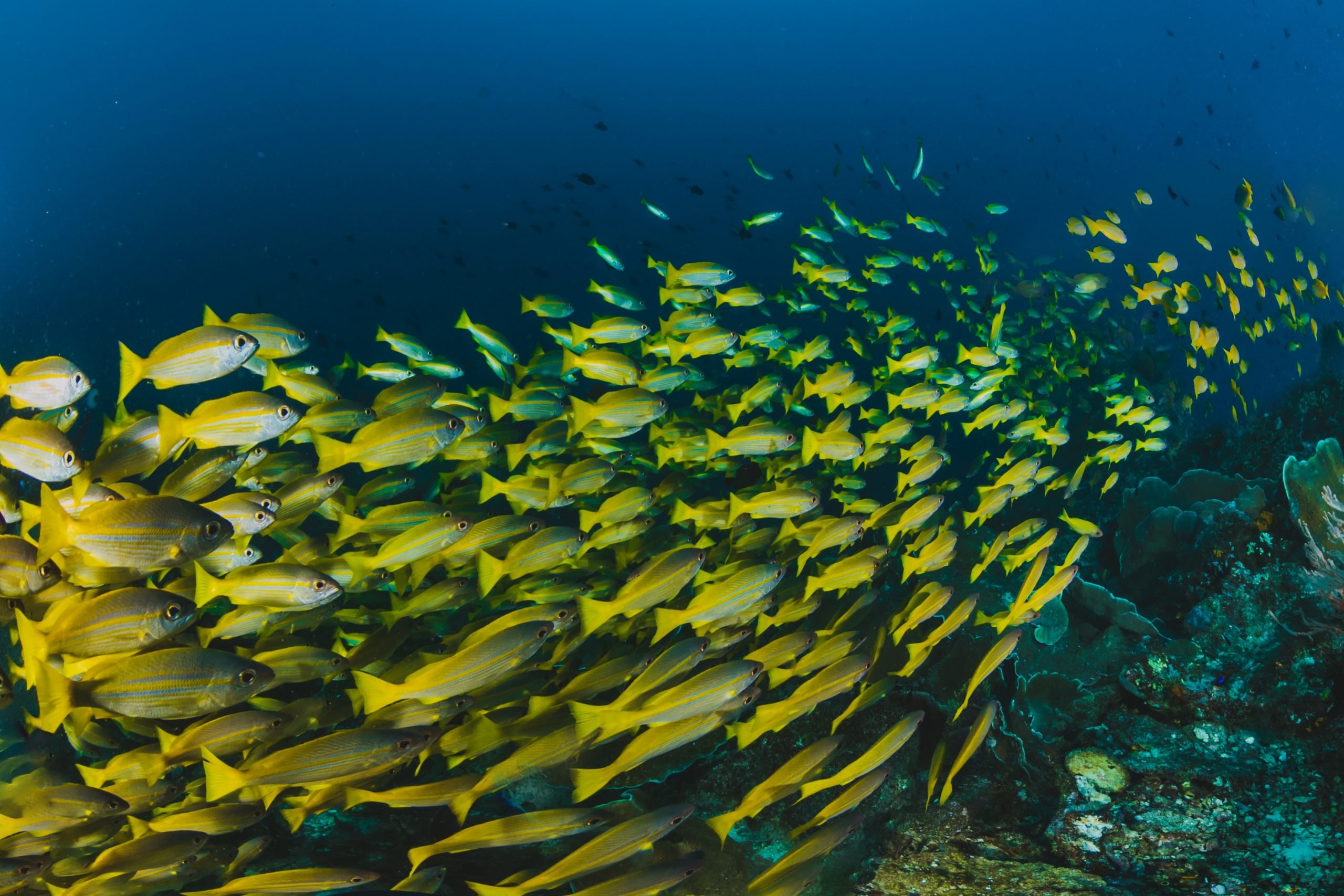
Sustainable fishing is a prime example of a blue economy endeavor. Instead of overfishing, this method promotes responsible harvesting, reducing bycatch, and improving the long-term health of marine ecosystems. In turn, it benefits coastal communities by providing a consistent and sustainable source of revenue.
There are two significant success stories of blue economy methods from around the world:
1. Norway’s Sustainable Fisheries Management:
Norway is a global exemplar in the sustainable management of fisheries—a key component of the blue economy. The country’s success story lies in its commitment to responsible fishing practices and robust resource management.
Key Features:
Quota System: Norway implemented a quota system that allocates specific catch limits to fishermen and fishing vessels. This prevents overfishing by ensuring that fish populations are not depleted beyond sustainable levels.
Technological Innovation: The Norwegian fishing industry embraced innovation, with state-of-the-art technology such as GPS, sonar, and vessel monitoring systems. These tools help fishermen target specific species, reduce bycatch, and minimize environmental impact.
Research and Collaboration: Norway invests significantly in fisheries research and cooperates with international organizations and neighboring countries. This collaborative approach ensures the health of shared fish stocks.
Results:
Norway’s sustainable fisheries management has not only preserved marine ecosystems but also maintained a thriving fishing industry. It ranks among the world’s top seafood exporters, demonstrating that economic prosperity can coexist with environmental responsibility.
2. The Seychelles’ Debt-for-Nature Swap:
The Seychelles, an island nation in the Indian Ocean, faced mounting debt and challenges associated with climate change and overfishing. In response, it embarked on an innovative blue economy strategy.
Key Features:
Debt Restructuring: The Seychelles renegotiated its national debt and secured funding through a “debt-for-nature” swap. This involved converting a portion of its debt into funding for marine conservation efforts.
Marine Protected Areas: The country established a network of marine protected areas (MPAs) covering a significant portion of its Exclusive Economic Zone (EEZ). These MPAs safeguard critical habitats, allowing marine ecosystems to recover.
Sustainable Fisheries: The Seychelles implemented sustainable fisheries management practices, including seasonal closures, size limits, and quotas. These measures protect fish populations and support the livelihoods of local fishermen.
Results:
The Seychelles’ blue economy strategy has yielded impressive results. Marine life within the MPAs has rebounded, attracting divers and eco-tourists. Sustainable fisheries practices have ensured the long-term viability of the fishing industry. Additionally, the debt-for-nature swap reduced the nation’s financial burden while conserving its unique marine environment.
These two success stories demonstrate that the blue economy is not just an environmental strategy but also a pathway to economic prosperity, ecological resilience, and social well-being when approached with innovative and responsible practices.
Final Thoughts
The blue economy has several benefits, such as economic growth, job creation, food security, renewable energy sources, and biodiversity conservation. Promoting ethical behaviors supports the long-term survival of our oceans and coastal areas.
Scientific discoveries, technological innovation, regulatory reforms, and growing awareness of the value of oceans and coastal regions are among the primary drivers of the blue economy. Furthermore, rising demand for sustainable products and services is critical to moving the blue economy ahead.
In essence, the blue economy offers a significant transition toward a more balanced and sustainable connection between humanity and our seas, with the potential of a brighter, more affluent future for all.




Comments