
 By

Instagram SEO in 2026 is based on keyword-rich content, clever alt text, and detailed captions rather than hashtags. To categorize content, the program examines captions, on-screen text in Reels, and manually entered alt texts. To boost searchability and accessibility, provide 3-5 precise keywords in descriptions together with comprehensive alt text.
Key Elements of Instagram SEO
- Alt Text (Essential for Search & Accessibility):
- How to Add: Go to Advanced Settings > Write Alt Text before posting, or Edit > Edit Alt Text on existing posts.
- What to Write: Provide a clear, descriptive 1–2 sentence description of the image content. Include main keywords naturally, focusing on the visual elements.
- Best Practice: Do not just use keywords; describe the scene for users with visual impairments (e.g., “Woman sitting at a wooden table in a café drinking a latte” instead of “coffee café latte”).
- Impact: Directly impacts searchability by providing context to the algorithm, going beyond just automatic AI recognition.
- Hashtags (Less Effective, Use Strategically):
- Hashtags are now less effective for search reach, though still useful in small numbers.
- Strategy: Use 3-5 highly relevant, specific hashtags rather than broad, spammy ones.
- Keywords in Captions & Bio:
- Treat captions like mini-blog posts, incorporating relevant keywords naturally rather than just using emojis or short phrases.
- Optimize your username, name field, and bio with keywords related to your niche to appear in search results.
- On-Screen Text (Reels & Posts):
- Instagram’s AI scans text overlaid on Reels to understand content, so include keywords on the screen within the first few seconds.
- Local SEO (Geotagging):
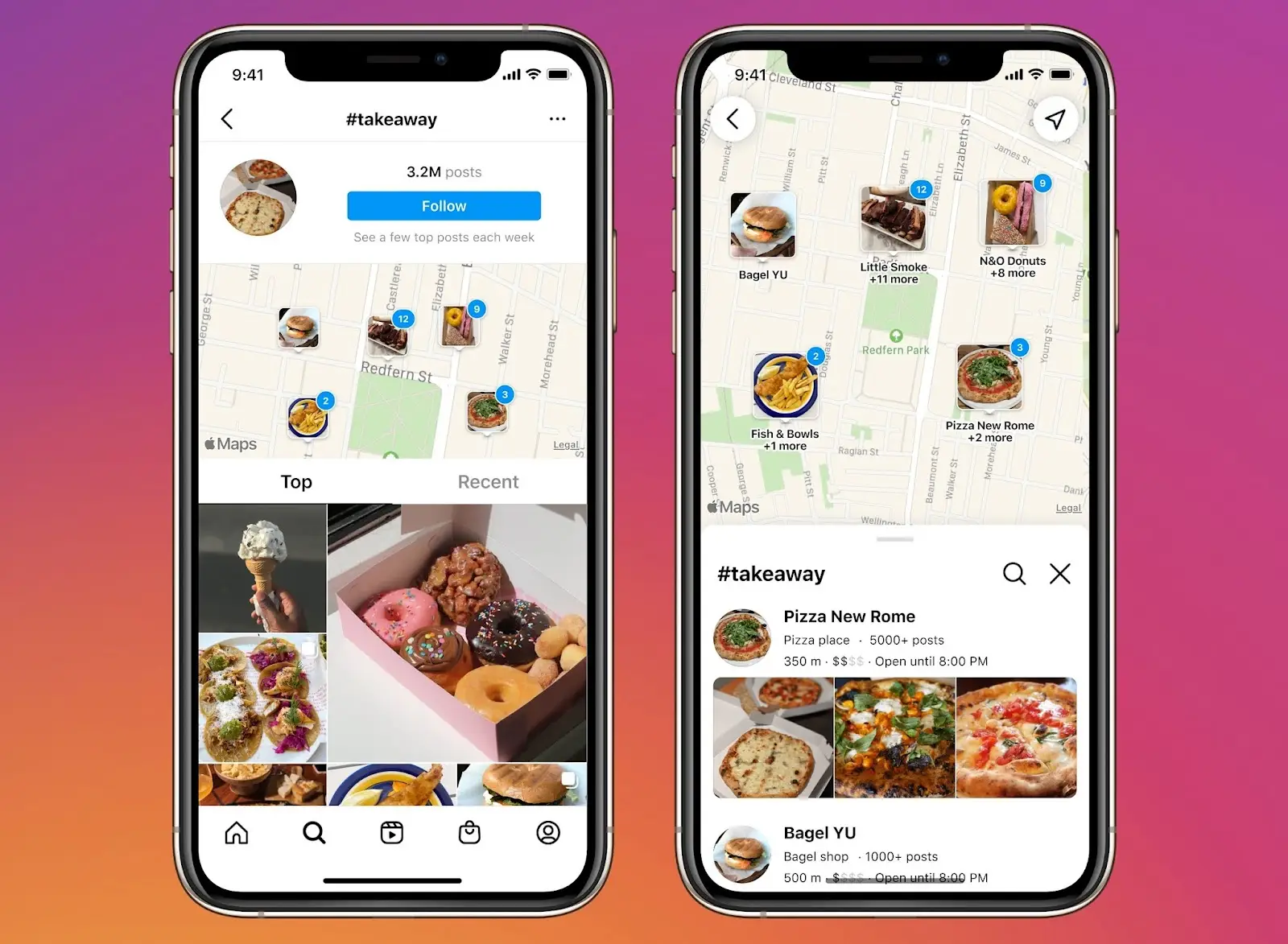
- Use specific, granular locations (neighborhoods, specific venues) in your geotag, rather than just the city, to improve local discovery.
Actionable Checklist:
- Draft a descriptive caption with 2-3 keywords.
- Add 3-5 specific, niche-relevant hashtags.
- Add custom alt text under “Advanced Settings” (125-200 characters).
- Use geotags for local relevance.
- Edit popular old posts to add custom alt text for better, long-term visibility.
In today’s fast-paced digital world, Instagram is more than simply a photo-sharing app. It is a strong search engine in and of itself, and much as websites rely on search engine optimization (SEO) to appear in Google searches, Instagram content requires Instagram SEO to appear in app search results.
Instagram has over 2 billion active users, providing enormous opportunities for brands, influencers, and creators. But here’s the catch: with millions of posts written every day, how can you make your material visible to the proper people?
The answer lies in mastering the key elements of Instagram SEO—particularly hashtags, alt text, and captions. While many users rely solely on trending hashtags, truly optimized content uses all three elements strategically to rank higher in Instagram’s search and discovery features.
What Is Instagram SEO?
Instagram SEO is the practice of optimizing your Instagram content, profile, and interactions to rank better in the app’s search results. This includes increasing visibility on the Explore site, Search bar, Reels, and recommended content in users’ feeds.
Instead of relying exclusively on follower numbers or engagement, Instagram SEO seeks to boost organic discoverability, allowing you to attract new people who are actively looking for content in your niche.
According to Instagram, the search function works based on three main signals:
- Your text input (what someone types in the search bar)
- User activity (who they follow, interact with, and what content they engage with)
- Information about the content (captions, hashtags, and alt text)
Instagram uses machine learning to interpret this data and show the most relevant results. That’s where strategic use of hashtags, captions, and alt text comes in—they feed the algorithm useful context to match your content with interested users.
Instagram is no longer just a visual app—it’s a content discovery platform. Instagram’s 2025 updates have made the search function smarter, enabling users to search not only by usernames and hashtags but also by keywords, locations, product categories, and visual recognition.
This shift is a clear signal: if you want to grow on Instagram, you need to optimize like you would for Google.
Benefits of Instagram SEO:
- Increased organic reach
- Discoverability outside your existing follower base
- Better content categorization
- Growth without paid ads
- Higher engagement and brand exposure
Key SEO Ranking Factors on Instagram
Instagram doesn’t officially publish a comprehensive ranking algorithm, but the following are known to influence your visibility:
- Keywords in your bio
- Username and handle relevance
- Hashtags in captions or comments
- Alt text (automatic or custom-written)
- Engagement metrics (likes, comments, saves, shares)
- Time spent on post
- Relevance to the user’s interest graph
Now let’s dive deeper into the three most powerful tools you can control on every post: hashtags, alt text, and captions.
Instagram Hashtags
Hashtags are words or phrases preceded by the # symbol that categorize your content and make it searchable to people interested in those topics.
Example:
- #DigitalMarketing
- #YogaForBeginners
- #TechGadgets2025
When users search or follow a hashtag, Instagram surfaces relevant content tagged with it.
How Hashtags Affect Visibility
Hashtags signal to Instagram what your content is about. They help your post appear in:
- Hashtag search results
- Explore feeds
- Suggested content under related tags
More visibility = more impressions, reach, and potential followers.
Types of Hashtags to Use
- Niche-specific hashtags (e.g., #VeganRecipeTips)
- Branded hashtags (e.g., #MyNikeLook)
- Community hashtags (e.g., #WritersOfInstagram)
- Location-based hashtags (e.g., #NYCFoodie)
- Trending or event-based hashtags (e.g., #WorldEnvironmentDay)
Best Practices for Hashtag SEO
- Use 9–15 targeted hashtags per post (max allowed is 30).
- Mix high-volume and low-competition hashtags.
- Don’t copy-paste the same set for every post.
- Place hashtags in the caption for best performance.
- Use tools like Hashtagify, Flick, or Later’s hashtag suggestions.
Instagram Alt Text
Alt text (alternative text) is a description of your photo for screen readers used by visually impaired users. But it’s also read by Instagram’s algorithm to understand what’s in the image.
Instagram auto-generates alt text using AI, but you can edit or write your own alt text manually—which is crucial for SEO.
Why Alt Text Matters for SEO
- Instagram uses it to index your content.
- It boosts your appearance in search results related to image content.
- It improves accessibility, making your account more inclusive.
- It helps AI and recommendation engines categorize your content better.
How to Write Optimized Alt Text
- Be descriptive but concise.
- Include 1–2 relevant keywords naturally.
- Mention visual elements and context.
Example:
“Flat lay of a digital marketer’s desk featuring a laptop, SEO guide, coffee mug, and smartphone showing Instagram analytics.”
Add alt text by:
Tap “Advanced Settings” > “Write Alt Text” while creating a post.
Instagram Captions
Instagram now reads keywords in your captions to match them with user searches. The algorithm uses NLP (Natural Language Processing) to analyze your text and understand what the post is about.
A well-written caption:
- Boosts dwell time (how long users spend reading)
- Encourages engagement (likes, comments, saves)
- Informs the algorithm about content relevance
Keyword Placement in Captions
- Put primary keywords in the first sentence.
- Use secondary keywords or variations in the middle or end.
- Combine with calls to action and questions to boost engagement.
Example:
“Looking for powerful Instagram SEO tips? In this guide, I’ll show you how to use hashtags, alt text, and captions to explode your reach organically.”
Tone, Structure, and Storytelling
A good caption:
- Tells a story or shares insight
- Uses line breaks for readability
- Ends with a CTA (e.g., “Save this post!” or “What’s your biggest Instagram SEO challenge?”)
How Hashtags, Alt Text, and Captions Work Together
These three elements are not siloed. They support each other to create a full SEO picture:
| Element | Purpose | Optimized For |
| Hashtags | Categorize content; improve discoverability | Search & Explore |
| Alt Text | Describe image; help algorithms & accessibility | Visual search |
| Captions | Provide context, keywords, and engagement | NLP, relevance, engagement |
When used together:
- Hashtags drive search visibility
- Alt text reinforces the content of your visuals
- Captions boost understanding and encourage user interaction
Example Synergy:
Image: A photo of a laptop and planner with Instagram on screen
Alt Text: “Laptop on desk with Instagram open, coffee, planner, and phone nearby”
Caption: “Are you optimizing your Instagram posts for SEO? Start using relevant hashtags, custom alt text, and keyword-rich captions to get discovered by new audiences. Save this for later!”
Hashtags: #InstagramSEO #ContentMarketing #SocialMediaGrowth
Tools to Boost Your Instagram SEO Game
Here are some tools to optimize your Instagram SEO strategy:
Hashtag Research:
- Flick
- Hashtagify
- MetaHashtags
Alt Text Assistance:
- ChatGPT (yes, like this!)
- Grammarly (for writing clarity)
- Google Vision API (to check how AI reads images)
Caption and Content Planning:
- Later
- Planoly
- Hootsuite
Analytics & Tracking:
- Instagram Insights
- Metricool
- Iconosquare
7 Instagram SEO Tips to Boost Your Reach
Instagram SEO is a subset of social media SEO, working just like SEO for traditional search engines, except in this case, it’s localized to the Instagram platform and its users. Plus, when your public professional account meets Instagram’s criteria (public, professional, over 18, posts since Jan 1, 2020), third-party search engines may index your posts.
Read Also: Optimizing Facebook Posts for Search Engines
From keywords to hashtags, check out these seven Instagram SEO tips to help you reach your target audience:
1. Optimize your profile for search
First on our list of tips for Instagram SEO is optimizing your profile. This means doing things like:
- Creating your Instagram Business account (if you haven’t done so already)
- Making your profile public
- Adding an on-brand profile photo
- Adding a relevant link to your profile’s bio
- Creating a branded, recognizable username
- Add a location to attract local business
As tedious as the above points may be, they’re crucial steps for optimizing your Instagram for SEO. They ensure user accessibility and add relevant and helpful information about your business to your profile, increasing discoverability. And since Google/Bing can index these public profiles and posts, keep your bio and link optimized for both in-app and web search.
2. Incorporate Instagram SEO keywords
Just like you incorporate SEO keywords into your website content, you can do so with your Instagram profile and captions. Instagram SEO keywords are a great way to establish your profile’s context and appear in Instagram search results.
When it comes to Instagram keywords for SEO, the two most important elements to optimize are your display name and username because these are what will show up on search results. So, choose a target keyword to incorporate into your profile that matches user search intent.

Here’s an example of Instagram SEO for recreation or entertainment businesses. Say you’re an artist showcasing your work on Instagram. When users decide to look for artists to follow, they’ll likely enter the keywords “art,” or “artist” into the search bar. By adding one of those keywords to your display name, username, and even your profile bio, you stand a greater chance of showing up on that search results list.
3. Add relevant hashtags (and do so strategically)
Hashtags are fun additions to your post’s caption that can also serve as great SEO tools. Use Instagram hashtags to incorporate additional keywords into your overall post and attract relevant audiences.

More importantly, use your Instagram SEO hashtags strategically by using ones relevant to your content. For example, if you’re a food company showing off a new recipe, use hashtags like “#EasyRecipe,” “#[food]Recipe,” and other related tags. This allows relevant users to discover your content under those tags.
Don’t overdo it with Instagram SEO hashtags — try to stick to 3-5 hashtags related to your post.
4. Use subtitles in your videos and Reels
Who doesn’t love a hilarious Instagram Reel? We’ll tell you what people don’t love — Reels and videos without subtitles.
A joint study by Verizon and Publicis Media found that 80% of consumers are more likely to watch videos with captions and subtitles, and 50% of respondents said that subtitles are important to them because they often watch videos with the sound off.
So, what does this mean for your Instagram SEO strategy? When creating and posting videos, stories, and Reels, use Instagram’s caption tools to add subtitles to your videos. Not only does this increase accessibility for users, but it also allows you to include your target keywords and provide more context for your video.
This helps Instagram, Google, and Bing crawl your content more effectively.
5. Leverage Instagram alt text
Another great way to boost your Instagram post’s SEO is to use the platform’s alt text feature. Instagram’s alt text tool increases user accessibility and helps those with visual impairments hear content descriptions through screen readers.
With Instagram alt text, you describe your content and use Instagram SEO keywords and phrases to increase your post’s visibility and accessibility.

To start writing your own SEO-friendly alt text, follow these steps:
- Select Advanced Settings at the bottom of your new post’s draft page
- Scroll down and tap the Accessibility tab
- Select Write Alt Text
Once you’ve written your alt text, you can share your post like normal.
6. Pull insights from your analytics
This next Instagram SEO tip doesn’t just apply to social media, it applies to all SEO strategies. One of the best ways to monitor and improve your Instagram SEO campaign is to use your profile’s analytics to your advantage.

While Instagram has an analytics page to monitor your account, its reporting capabilities are limited. To gain a comprehensive view of your Instagram’s SEO performance, consider investing in a social media monitoring tool like Sprout Social, Buffer, or Later.
Social media monitoring tools give you an unparalleled look at your Instagram performance, including detailed reports on your reach, engagement, audience insights, and more. Alongside monitoring, using social listening tools is crucial for measuring your share of voice. These tools analyze online conversations to find opportunities and measure your brand’s visibility.
7. When in doubt, scope your competitors out
We’ve thrown several Instagram SEO tips your way just now, and we know it can be a bit overwhelming at first. So, when you begin optimizing your Instagram profile for SEO and don’t know where to start, keep it simple and scope out your competitor first.
Look at what your competitors do on the platform to get inspiration for content ideas, hashtags, keywords to target, and more. Ultimately, it’s all about standing out among the competition, so observe what similar profiles are doing, note what’s successful, and put your own spin on it to do it even better.
To help you get started, keep these questions in mind when analyzing your competitors’ Instagram SEO strategies:
- What hashtags are they using, and how many?
- What keywords do they target?
- Do they post a variety of content on their page, or do they target a niche?
- How often do they post content?
- How do they engage with their followers?
- Do they collaborate with other Instagram creators?
Understanding the New Instagram Setting
If you’re running a business or creating content on Instagram, the July 2025 update could be your chance to reach new audiences straight from Google Search. Instagram’s new SEO-focused setting allows your public posts to appear in search results, making your content findable even outside the app. This means your images, Reels, and captions can show up right alongside websites and news on Google, supercharging your visibility and inbound traffic potential.
Let’s explore how this update works, what the Instagram setting actually changes, and why it matters for anyone serious about Instagram SEO.
The Instagram SEO Setting Toggle: What Is It?
Instagram now includes a clear option—a “Show in search” toggle—on every post for professional and business accounts. Activating this toggle means Google, and other search engines, can crawl and index your public content for their results pages. Simply put, you’re giving Instagram permission to let your posts appear in Google Search.
This new toggle gives creators and brands a choice:
- Turn it on: Make posts public for search engines to find and index.
- Turn it off: Keep content exclusive to Instagram users.
Why is this important? Before, even if your account was public, your Instagram posts might not show up in Google. Now, Google can showcase your best images, captions, and even Reels, bringing organic search traffic directly to your Instagram page.
What Types of Content Will Be Indexed?
When you enable the new setting, the following types of public content can appear in Google results:
- Single-photo posts, carousel albums, and short video clips
- Captions, hashtags, alt text, and geotags linked to your posts
- Instagram Reels marked as public
- Any content from business or creator accounts (not private profiles)
To see official details about this rollout, check the announcement from Instagram content becomes searchable on Google.
Why Did Instagram Make This Change?
Instagram’s parent company, Meta, is keen to boost reach for brands and keep the platform fresh for creators. By allowing public posts to be indexed by Google, Instagram:
- Helps creators grow audiences beyond current followers
- Attracts businesses who want “SEO for Instagram” baked in
- Competes with platforms like TikTok and YouTube, whose content increasingly appears in Google results
This move is a big deal for anyone who wants to build a brand through search visibility. With Instagram posts in Google search, your visual content is no longer limited to social media—it’s part of the global web.
How to Control Your Search Engine Visibility
With this setting, brands and creators finally have direct control over which posts are discoverable via Google. Each Instagram post includes the new toggle so you can:
- Opt-in for maximum visibility when a post is SEO-ready
- Opt-out for content you want to keep within your Instagram audience
Your overall Instagram strategy depends on how you use this control.
Final Thoughts
Looking ahead, Instagram SEO will only become more advanced. The platform continues to invest in AI and machine learning to improve its content interpretation and categorization capabilities. Small firms who begin optimising their alt text now will gain a substantial edge as these technologies advance.
Ready to harness the power of alt text for your small business? Start with these actionable steps:
- Audit your existing Instagram posts and add alt text to your best-performing content
- Create a template or checklist for writing alt text to ensure consistency
- Educate your team about the importance of accessibility and SEO
- Monitor your Instagram insights to track improvements in reach and engagement
- Consider partnering with a marketing agency that understands the nuances of modern social media marketing
Growing on Instagram isn’t about publishing the ideal photo or following trends; it’s about strategic content optimization. Hashtags, alt text, and captions are the three main pillars of Instagram SEO, and when used properly, they give your content a fighting chance to stand out.
By optimizing each post with intention, you not only increase reach but also create long-term discoverability, community, and brand awareness.
So do not just publish. Optimize. Structure. Rank. Repeat.








Comments