
 By

Social SEO in 2026 refers to the process of optimizing social media profiles, postings, and videos using relevant keywords, hashtags, and alt text to make them discoverable via internal search bars on sites such as TikTok, Instagram, and LinkedIn. It important because people now utilize social media as search engines for discovery, necessitating the employment of “search everywhere” tactics to increase exposure, trust, and traffic.
Why Social SEO Matters in 2026
- Shifting User Behavior: Users increasingly use TikTok and Instagram to find products, services, and information, bypassing traditional search engines.
- Algorithm Visibility: Social platforms now prioritize content that is optimized for specific queries, relying on keywords in captions, bio, and on-screen text.
- Amplified Content Reach: A strong social SEO strategy increases the likelihood of content being recommended by AI-driven feeds, providing, in some cases, faster results than traditional SEO.
- Brand Authority & Trust: Consistent, optimized content improves brand credibility, ensuring visibility where users are searching.
- Cross-Platform Relevance: Social media content is now indexed by search engines, meaning a well-optimized social post can appear directly in Google search results.
Key Components of 2026 Social SEO
- Platform-Specific Keyword Research: Utilizing in-app search bars (e.g., TikTok/Instagram) to identify user queries and trends.
- Native Optimization: Creating content tailored for specific platforms—videos for TikTok, professional insights for LinkedIn—rather than blanket posting.
- High-Intent Content: Focusing on answering user questions directly within captions and spoken video, using tools like AnswerThePublic to identify search gaps.
- Engagement Signals: Leveraging likes, shares, and saves to signal content quality to algorithms.
A major shift is changing how people find businesses online. In 2026, search is no longer ruled by Google alone. Instead, platforms like TikTok, Instagram, YouTube and Pinterest have become powerful search engines in their own right.
This change is pushing businesses to rethink how they practice search engine optimisation (SEO). The trend is called Social SEO, and it is quickly becoming a must-have for any company that wants to stay visible.
Consumers want fast answers and simple explanations. Many now check social media before they look at traditional websites. Short videos, clear captions and helpful posts often feel easier to understand than long articles.
This means that when someone searches for a product review, a local service or a trend, they often start with TikTok or Instagram. Businesses that don’t appear there risk being ignored.
How Social SEO Works
Social SEO combines traditional SEO principles with social media habits. Keywords are still important, but they should sound natural and human. Captions, profiles, hashtags, and even comments can help content be discovered. Platforms now display search bars more clearly, and users may input whole questions. Videos with spoken keywords, excellent captions, and clear descriptions typically score higher.
Consistency builds trust
Posting regularly is now one of the strongest ways to build trust. When people see a business appear again and again in search results, they remember it. This helps small businesses compete with bigger brands.
Engagement also matters. Likes, shares, saves and comments tell platforms that content is useful. Helpful posts that answer real questions often perform better than viral trends.
Social content now lasts longer
Unlike old social posts that disappeared quickly, well optimised content can bring traffic for months. A good Instagram caption or TikTok video can keep showing up in searches long after it was posted.
Users are more careful about what they believe online. They prefer real voices, real faces and honest information. Social SEO rewards this by boosting authentic content, behind the scenes posts and real customer feedback.
Google indexes social posts faster
Public social posts appear in Google search results more quickly than before. This means a strong social presence can also improve website visibility.
For businesses, Social SEO is no longer optional. It is now a core part of digital marketing. Companies that ignore it risk becoming invisible to younger audiences. Those that embrace it can build long term visibility, trust and steady growth.
Why Social Media SEO is Essential
All social media platforms are now used as powerful search engines, with users actively looking for information, products, services, and communities. Thinking about myself as an example, I search for local businesses and events on Facebook, sports and political news and debate on X (Twitter), aesthetic-heavy businesses like restaurants on Instagram, how-to videos on YouTube, and travel suggestions on TikTok.
Others may use each of these networks to find different things, but SEO for social media makes it easy, with optimized elements that make content more discoverable.
Read Also: 10 Secrets to Hiring the Right SEO Company
That is what this article is all about: showing you how to increase the visibility of your content by making social media SEO an effective part of your strategy. This will help increase brand awareness, drive leads, and maximise earnings.
Think about your own online habits. When you’re looking for a new recipe, a product review, or even inspiration for your next travel destination, where do you start? While Google is still top dog, a growing number of people, especially younger demographics, head straight to social platforms.
- TikTok has become a primary search engine for Gen Z.
- Instagram is a visual discovery hub for products, trends, and lifestyle content.
- YouTube remains the second-largest search engine globally, right after (and part of) Google.
- Pinterest is a visual search engine for inspiration and planning.
- Facebook hosts countless groups and pages where users search for local businesses, communities, and information.
- LinkedIn is where professionals search for industry insights, job opportunities, and business connections.
This change in user behavior means that if your content isn’t optimized for internal search on these platforms, you’re making a mistake, missing out on massive opportunities for organic discovery. Social media SEO is about making sure your brand is found when users are actively searching for what you offer.
The Core of Social Media Marketing SEO
Just like traditional SEO for websites, strategic keyword placement is a key element of SEO for social media. Social media keywords are the words and phrases your target audience types into the search bar of each platform to find content like yours.
However, if you’re a social media marketer, you’ll already know that no two platforms are the same. The way users search and the algorithms on each platform differ, meaning your social media keyword strategy needs to be tailored to each network.
Here’s a breakdown of how keywords function on different platforms and how to apply them for effective social media marketing SEO:
1. Instagram SEO: Visuals + Discovery Words
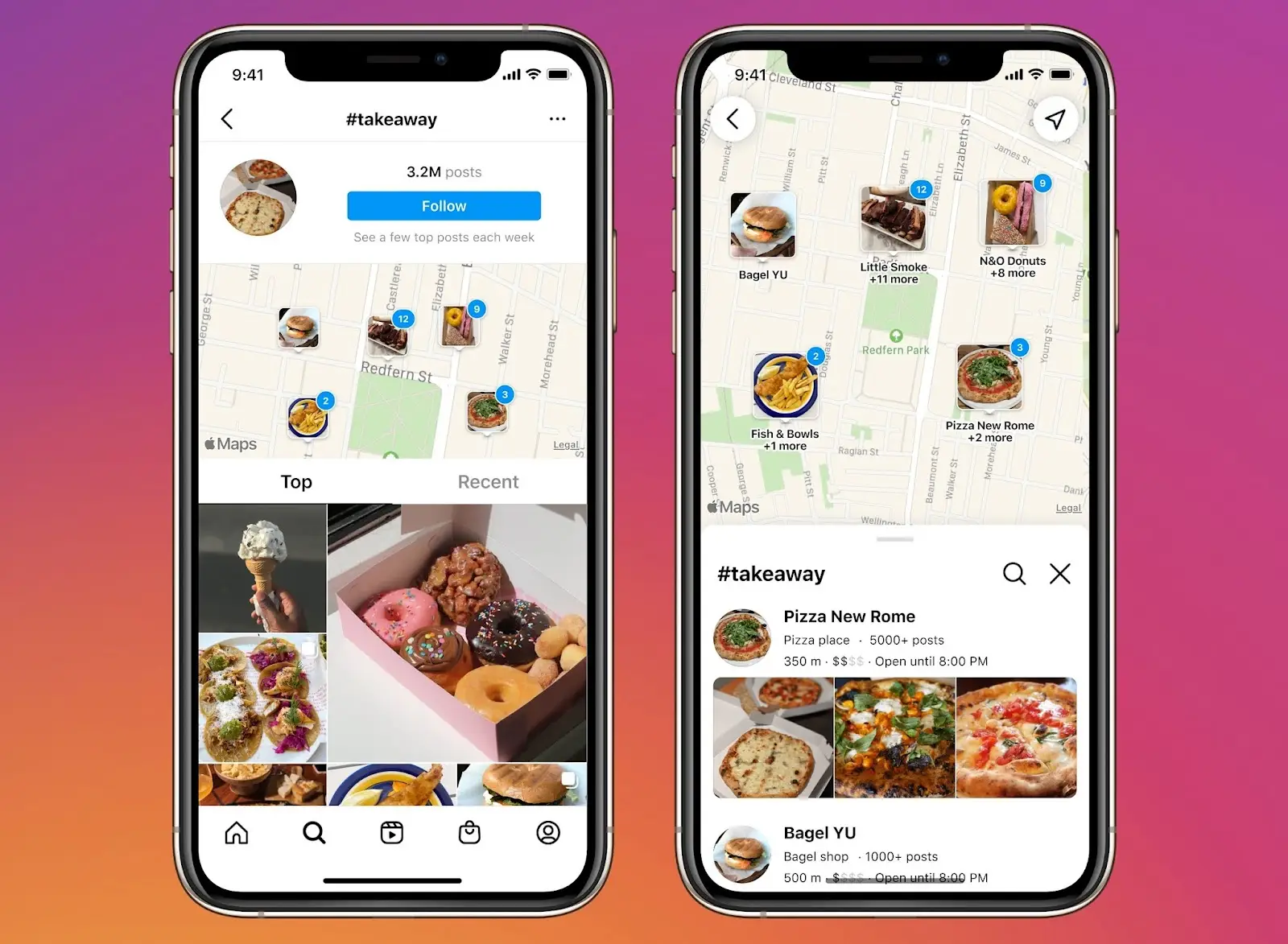
Instagram is a highly visual platform, but text plays a crucial role in discoverability, both in active and passive searches via the Explore function.
- Keywords in Username & Bio: Include relevant keywords in your Instagram username and the “Name” field (which is searchable). Your bio should also be keyword-rich, clearly stating what you do.
- Captions: While hashtags are important, Instagram’s search also analyzes keywords in your captions. Describe your images and videos thoroughly, using natural language that incorporates your social media keywords.
- Alt Text: Don’t forget image alt text! This accessible feature also tells Instagram’s algorithm what your image is about, improving its searchability.
- Hashtags: These are vital for Instagram discovery. Research a mix of broad, niche, and trending hashtags. Aim for 5-10 highly relevant hashtags per post, but avoid stuffing. Use the Metricool Instagram hashtag generator if you’re struggling for ideas.
- On-screen text & Audio (Reels): For Reels, text overlays and spoken keywords in your audio can contribute to discoverability.
2. TikTok SEO: Trending Sounds, Hashtags & Spoken Words
TikTok is arguably the most influential platform for search among younger audiences.
- Keywords in Captions: While short, make your TikTok captions count by including social media keywords.
- Hashtags: TikTok relies heavily on hashtags for content categorization and discovery. Use a mix of broad and specific hashtags, including trending ones.
- On-Screen Text: Text overlays within your videos are highly searchable on TikTok. Include relevant keywords there.
- Spoken Keywords: TikTok’s algorithm often transcribes audio. Speaking your keywords naturally in your videos can significantly boost discoverability.
- Sounds/Music: Trending sounds can help get more eyes on your content.
3. YouTube SEO: The Search Engine Giant
YouTube is a search engine in itself, fully integrated with Google and focused entirely on video content. So, naturally, YouTube SEO strategy is closely aligned with traditional SEO principles.
- Keyword-Rich Titles: Your video titles should include your primary social media keywords. Make them compelling and clickable.
- Detailed Descriptions: Write comprehensive video descriptions, weaving in relevant keywords, secondary keywords, and calls to action. The first few lines are most important as they are visible without expanding.
- Tags: Use a variety of tags, including broad, specific, and long-tail keywords.
- Transcripts & Captions: Provide accurate transcripts and closed captions. This not only improves accessibility but also gives YouTube more text to crawl for keywords.
- Thumbnails: While not a technical element, attractive thumbnails significantly boost click-through rates, which signals positive engagement to YouTube’s algorithm.
4. Pinterest SEO: Visual Search for Inspiration
Pinterest functions more like a visual search engine and discovery platform than a traditional social network. Trends are everything on Pinterest. Users go there to find ideas, plan projects, and discover products.
- Keywords in Pin Titles & Descriptions: Be descriptive and keyword-rich in both your Pin titles and descriptions. Think about what users would type to find your content.
- Board Names & Descriptions: Optimize your Pinterest board names and descriptions with relevant social media keywords.
- Image Alt Text: Use alt text to describe your images and include keywords, improving discoverability.
- Hashtags: Use a few relevant hashtags in your Pin descriptions.
- Rich Pins: Implement Rich Pins (for products, recipes, articles) to provide more context to Pinterest and users, making your content more appealing and searchable.
5. Facebook SEO: Local & Community Search
People use Facebook to search for a variety of things, from finding local businesses to joining niche communities.
- Page Name & URL: Ensure your Page name includes your brand and, if relevant, a primary social media keyword (e.g., “California Coffee Roasters”). Customize your Page URL (vanity URL) for easy search.
- About Section: Fill out your “About” section completely and include relevant keywords naturally in your descriptions, mission, and category selections.
- Posts & Captions: Use keywords in your regular posts and photo captions.
- Reviews: Positive reviews with keyword mentions contribute to your Page’s authority and relevance for search.
- Local SEO: For local businesses, ensure your address, phone number, and opening hours are accurate and consistent.
6. LinkedIn SEO: Professional Discoverability
LinkedIn’s professional nature makes it perfect for searching for jobs, industry insights, and connections.
- Profile Optimization: Your LinkedIn profile is your personal SEO powerhouse. Optimize your headline, “About” section, experience, and skills with relevant social media keywords that describe your expertise and industry.
- Company Page Optimization: For businesses, optimize your Company Page name, “About” section, and showcase pages with relevant keywords.
- Content (Posts & Articles): Use keywords naturally in your LinkedIn posts and, more importantly, in your long-form articles. LinkedIn articles often appear in Google search results, making this a powerful dual-purpose social media marketing SEO strategy.
- Skills & Endorsements: The skills listed on your profile contribute to your search ranking. Seek endorsements for relevant skills.
Key Practices for Overall Social Media SEO Success
Beyond platform-specific tactics, apply these key principles to all your social media marketing SEO efforts:
- Consistency in Branding & Information: Use consistent profile names, usernames, profile pictures, and “About” descriptions across all platforms. This builds brand recognition and helps both users and search algorithms identify your brand.
- High-Quality, Engaging Content: Algorithms prioritize content that keeps users on the platform and sparks interaction. Your content must be valuable, entertaining, or informative to encourage likes, comments, shares, and saves.
- Active Engagement: Respond to comments, direct messages, and mentions. Participate in relevant discussions. High engagement signals to social media algorithms that your content and profile are valuable and active.
- Use Native Features: Whenever possible, use features native to the platform (e.g., uploading videos directly to Facebook/Instagram/TikTok, using Instagram Guides, creating LinkedIn articles) as these often receive preferential treatment in algorithms.
- Cross-Platform Promotion (Strategically): While not direct SEO, strategically promoting your content from one platform to another can drive traffic and interest, which in turn can signal greater authority to algorithms.
- Monitor & Adapt: Social media algorithms are constantly changing. Regularly check your Metricool analytics to see what’s working and adjust your social media keywords and content strategy accordingly. Stay informed about platform updates.
Finally
The way people search is changing, and it’s not slowing down. Platforms like TikTok, YouTube Shorts, Pinterest and Reels aren’t just part of the conversation; they’re shaping it.
That means:
- Crafting content that’s driven by in-platform search demand
- Aligning social and traditional SEO strategies
- Staying updated on shifts in how platforms serve content, including AI
Whether you’re refining your current approach or building a strategy from the ground up, we’ll help you turn discoverability into performance.









Comments