
 By

Tech hubs drive innovation in Africa by providing companies with crucial resources, mentorship, and collaborative spaces, resulting in the development of solutions to local and global concerns. These hubs are critical for driving economic growth, solving social challenges such as healthcare and education, and advancing digital change across industries. They promote entrepreneurship and skill development, resulting in a more robust and globally competitive African tech ecosystem, but they rely on ongoing external assistance and investment to ensure sustainability.
Tech hubs are more than just co-working spaces; they are the heart of the startup ecosystem. According to a survey by Afrilabs, a network of over 350 innovation hubs in 52 African countries, these hubs have assisted over 1 million entrepreneurs around the continent. According to the Global Entrepreneurship Network (GEN), firms headquartered in innovation hubs have a 50% higher chance of success due to the support networks available.
These hubs provide a number of valuable tools for businesses, such as mentorship, investment, and networking opportunities. For example, Afrilabs and the Innovation Support Network (ISN) enable hubs to connect, share best practices, and push for policy reforms that benefit startups. Such support mechanisms are critical for resolving the infrastructure issues that many African businesses encounter. In areas where dependable internet connectivity or reasonable office space are difficult to come by, innovation hubs provide these necessities, allowing businesses to focus on developing their products and services.
The Importance of Tech Hubs
One of the most compelling reasons to support innovation hubs is the success stories that come out of them. Flutterwave, one of Africa’s most successful finance businesses, got its start at an innovation cluster. The mentorship and assistance given by the hub were critical in helping the founders refine their business strategy and win early-stage investment.
Similarly, Paystack, another financial behemoth acquired by Stripe for more than $200 million, attributes its early success to the resources and networking possibilities offered at innovation centers. These examples highlight the actual benefits that such environments provide for startups. According to the African Tech Startups investment Report 2023, startups supported by innovation hubs accounted for approximately 60% of all investment raised by African tech startups that year.
Collaboration is fundamental to innovation centers’ success. By bringing together creators, entrepreneurs, investors, and industry experts, these centers foster relationships and collaboration. This collaborative environment not only encourages creativity, but it also assists companies in establishing the networks required to develop their enterprises.
Michael Seibel of Y Combinator believes that “the more connected you are, the more successful you are likely to be.” This statement emphasizes the value of the community that innovation hubs foster, where startups can learn from and exploit each other’s capabilities. Collaboration offered by networks such as Afrilabs and ISN is critical in developing a cohesive African startup ecosystem, allowing firms to expand beyond their local markets.
Challenges Facing Tech Hubs
Despite their numerous benefits, Africa’s digital clusters face a number of obstacles. One of the most important is sustainability. Many hubs rely on donor funds or government assistance, which might be unreliable. According to a 2022 Afrilabs poll, more than 40% of innovation centers identified funding as their most major obstacle.
Another problem is keeping these centers open to a wide spectrum of entrepreneurs, especially those from underserved neighborhoods. Initiatives such as ISN are addressing these concerns by campaigning for inclusive policies and giving training to help hubs become more financially sustainable.
However, as more success stories surface, there is a rising appreciation for the value that innovation hubs provide to the startup ecosystem. This recognition is driving more investment in these centers, which is critical to their long-term viability. The African Development Bank (AfDB) predicts that innovation hubs will play a critical role in creating 25 million employment and contributing $560 billion to the continent’s GDP by 2030.
Top 8 Tech Hubs Driving Innovation in Africa
Africa’s tech startup environment has expanded rapidly in recent years. Despite several hurdles such as limited access to resources, adverse economic conditions, radical political influences, and insufficient government assistance, the various startup industries have managed to not only survive but also develop.
While this achievement can be attributed to the endurance of the ecosystem’s early-stage companies, other actors like as VCs, angels, and innovation hubs also played critical roles in providing much-needed support and encouragement to early-stage startups.
Read Also: The Economics of Streaming Platforms
The innovation hubs, in particular, served as centers for cooperation, networking, and technological growth, assisting in driving digital transformation across the continent. Here, we highlight some of the top tech hotspots making a significant effect in Africa.
1. Co-Creation Hub (CcHUB)
- Founders: Bosun Tijani and Femi Longe
- Founded: 2010, Nigeria
CcHUB is a major innovation facility that has contributed to the growth of the Nigerian startup economy. The hub’s primary goal is to accelerate the utilization of social capital and technology to promote economic growth among emerging enterprises.
Since its inception, it has backed over 100 early-stage startups in a variety of areas, including fintech, agritech, and even health tech. Lifebank and BudgIT, among others, have benefited from its assistance in scaling and achieving long-term growth.
With a big community of thousands of people, CcHUB has established itself as a center for creativity and problem-solving in Nigeria’s ICT environment. Notable programs include the Giving4Good Challenge and the Mastercard Foundation’s EdTech Fellowship, which promote social impact through technology.
2. iHub
- Founder: Erik Hersman
- Founded: 2010, Kenya
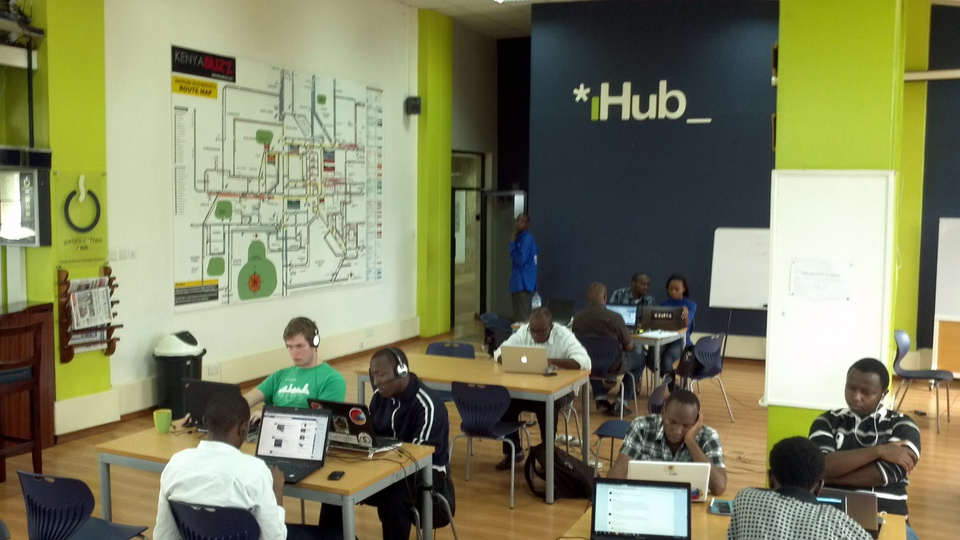
iHub is a well-known innovation hub that plays an important part in East Africa’s flourishing technology ecosystem. It offers entrepreneurs a collaborative environment, mentorship, and resources to help them bring their ideas to reality.
The company has had a huge impact on Kenya’s startup ecosystem. It has funded a number of businesses, including M-Pesa, BRCK, and Ushahidi.
CcHUB purchased iHub in 2019, however it preserves its name and continues to operate its community of over 16,000 entrepreneurs. The hub routinely holds hackathons, innovation challenges, and networking events to promote an innovative and growing culture in East Africa. These activities have helped it gain recognition and form relationships with firms such as Google, Microsoft, and Intel.
3. Silicon Cape Initiative

- Founder: Vinny Lingham and Justin Stanford
- Founded: 2009, South Africa
Silicon Cape is a tech community initiative dedicated to expanding the Western Cape’s innovation ecosystem by linking stakeholders and encouraging collaboration. The center serves as a liaison between entrepreneurs, investors, and government agencies, with the goal of ensuring that the Western Cape remains a top location for tech-driven firms.
Silicon Cape, with a network of over 10,000 stakeholders, has played a key role in fostering policy advocacy, digital literacy, and startup acceleration in Southern Africa. The hub also hosts frequent networking events and workshops, which provide valuable learning and funding opportunities for the region’s young digital entrepreneurs.
4. Impact Hub Africa
Impact Hub Africa is a global network of over 50 entrepreneurial communities that promote social entrepreneurship, innovation development, and startup growth in Africa.
The hub aims to connect creatives with global development goals in order to foster a network of socially responsible startups. It offers coworking spaces, incubation programs, and funding options to help entrepreneurs address social and economic concerns.
Impact Hub Africa has helped to build a long-term entrepreneurial ecosystem in Ghana, Rwanda, Senegal, and Zambia. It has conducted networking events (Deep Dive Africa), training programs, and incubation projects (Lafiya Innovators), all of which have helped it become a vital participant in incubating firms that address critical social challenges while generating economic progress.
5. Nailab
- Founder: Sam Gichuru
- Founded: 2011, Kenya
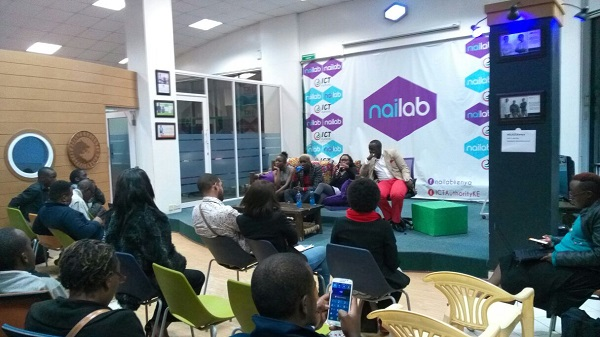
Nailab is a major startup incubator that aims to provide African tech entrepreneurs with education, capital, community, and other resources to build long-term businesses. The hub connects startups and established firms, acting as an important platform for business development and technology collaboration.
Nailab’s efforts are aimed at providing businesses with solutions to Africa’s unique difficulties. It collaborates with a variety of stakeholders throughout the continent to provide startups with the necessary skills and assistance to succeed and have a long-term effect on local communities.
6. On Sloane

- Founded: 2017
- Location: South Africa
Sloane hosts Africa’s largest startup campus. It is a vibrant and inventive hub that provides coaching, investment, and growth opportunities for early-stage businesses. It creates a controlled atmosphere for firms to grow while also providing resources and strategic collaborations.
With a strong emphasis on innovation and enterprise growth, On Sloane connects entrepreneurs with industry experts, venture funders, and legislators. The hub’s purpose is to foster an entrepreneurial mindset and help to the creation of new industries in Africa. Its innovative approach to business incubation has propelled it to the forefront of South African tech entrepreneurship.
7. BongoHive Tech and Innovation Hub
- Founder: Lukonga Lindunda
- Founded: 2011, Zambia
BongoHive is Zambia’s first technology and innovation hub, with an emphasis on startup creation, skills training, and company incubation. Essentially, the hub creates a thriving environment for tech companies with the goal of tackling local concerns through technology and entrepreneurship, resulting in prospects for digital transformation.
The hub provides training courses, mentorship programs, and startup acceleration services, which have helped countless businesses establish and expand. BongoHive has long been a driving force behind Zambian innovation, ensuring that local entrepreneurs have access to the tools and expertise they need to succeed.
8. MEST Africa

- Founder: Jorn Lyseggen
- Founded: 2008, Ghana
MEST Africa founded by Meltwater Foundation is a pan-African training program, seed fund, and incubator dedicated to empowering tech entrepreneurs. The hub provides training in software development, business, and communications, equipping young entrepreneurs with the skills needed to build scalable technology startups.
Through its broad mentorship network and investment activities, MEST Africa has nurtured some of the most promising entrepreneurs in Africa. With a presence in several African countries, it acts as a springboard for innovative firms, promoting digital transformation and economic development across the continent.
Conclusion
Tech hubs are critical to the development of Africa’s startup ecosystem. They give the resources, mentorship, and collaborative environment that enable companies to grow. As Africa grows as a global innovation powerhouse, the function of these hubs will become increasingly important.











Comments