
 By
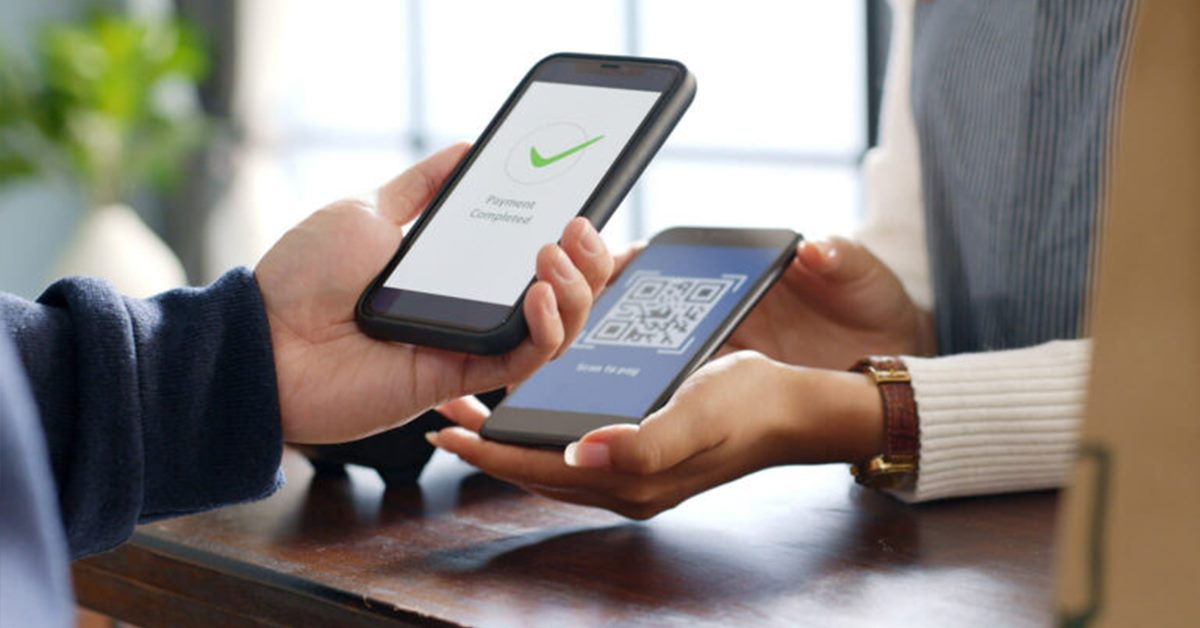
With advancements like contactless payments, mobile wallets, and biometric authentication that provide increased efficiency, security, and convenience, mobile commerce and digital payments are influencing how transactions will be conducted in the future. A global shift towards cashless economies is being driven by key trends such as the emergence of Buy Now Pay Later (BNPL), person-to-person (P2P) payments, and the integration of technology like blockchain and artificial intelligence. Although issues like data privacy and cybersecurity still exist, this evolution is helping individuals become more financially included and businesses reach a wider audience.
Western Union was the first to introduce electronic funds transfer (EFT) technology in 1871, so the seeds for digital payment technologies were planted. However, with the pandemic forcing transactions online even in regions of the world where cash is still widely used, the prospects for digital payments replacing cash transactions appear brighter than ever.
Digital currencies and online purchasing are two examples of how digital payment systems are changing to better satisfy consumer demands: they are safe, transparent, effective, and convenient, and most importantly, they eliminate the necessity for handling actual cash.
E-commerce businesses using mobile commerce must be aware of the emerging trends and technology in the digital payments market as consumers worldwide shift to using them:
1. Contactless Payments
Since tap-to-pay was first used in 2010, contactless payments have increased, but between 2020 and 2021, they increased by a full 30% annually due to COVID-19-related biosecurity concerns. Contactless payments enable clients to conduct an in-person transaction without ever touching a third-party object, in contrast to real cash and point-of-sale terminals, which are notorious for spreading diseases.
Customers can complete contactless payments in two major ways: by tapping their phone or card on a terminal that has near-field communication technology:
Contactless Cards
Near-field communication allows EMV (Europay, MasterCard, Visa) chip cards to be tapped against a card reader to complete a transaction in a matter of seconds. To ensure that the customer’s card information is kept private, a unique code is supplied to complete the transaction rather than the customer’s account information.
Since contactless card transactions don’t require a PIN, thieves can just use a stolen card to make tapped payments. For this reason, a lot of nations impose a minimal purchase amount cap on tapping transactions.
Mobile Payments
As an alternative, clients can use a mobile payment app connected to their bank accounts to make payments. In both of these scenarios, the consumer chooses the card or bank account, taps their device against the reader to complete the payment, and then logs in to the payment app using their fingerprint or a dynamic code.
No account information is shared; instead, a special, one-time code is provided to the merchant’s payment gateway. This payment method is far more secure than a tapped card because it requires the user to first check in to their phone and then to the payment app.
2. Mobile Point of Sale (POS)
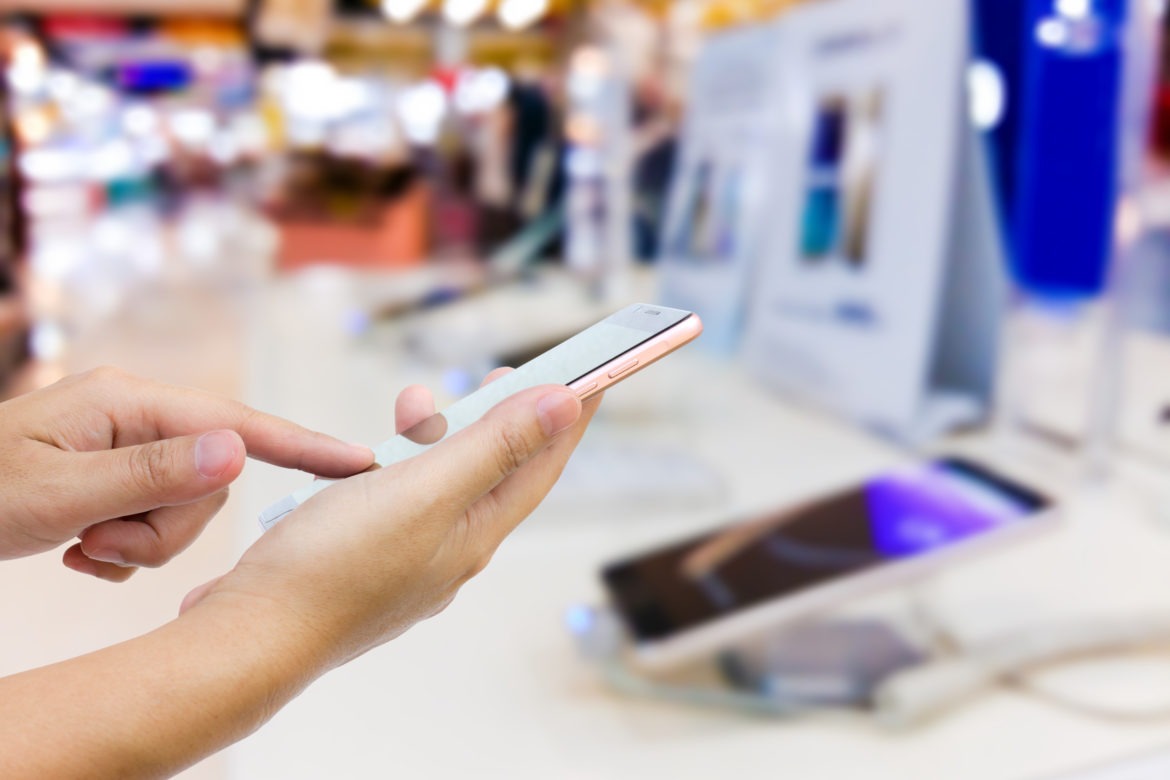
Without being confined to a single place, mobile point of sale (mPOS) systems make it easier to collect digital and card payments. Mobile point of sale terminals enable businesses to take payments on their phones at conferences, trade exhibitions, farms, food trucks, Tupperware parties, and even when selling door-to-door as more and more consumers choose digital payments over cash.
Read Also: The Importance of Mobile Commerce in Omnichannel Retailing
The merchant merely adds an attachment to their phone that uses near-field communication to read digital payment tokens, QR codes, and contactless, chip, and magstripe cards in order to collect credit card payments on their mobile device. After passing via the merchant’s virtual terminal and merchant account, this data authorizes and authenticates the transaction using the customer’s bank card.
3. Digital Currencies
Some suppliers offer digital currencies that may be bought with local currency and used to make electronic payments anywhere in the globe in order to facilitate smoother international trade. According to the theory, this removes issues with conversion fees and challenges with accepting foreign credit cards and offers some protection against changes in the world economy.
Digital currencies are linked to central banks to control supply and avoid inflation and devaluation, unlike cryptocurrencies, which are private, company-based digital currencies. A BIS poll indicates that while 14% of central banks are already undertaking pilot tests and 60% are thinking about creating their own digital currency, the majority do not believe that they will issue a digital currency anytime soon.
4. FinTech
Financial services companies that offer simpler, faster, and less expensive cross-border transfers than traditional payment providers like banks have developed in the payments sector, driven by the extraordinary mobility of global citizens in the twenty-first century. These businesses collaborate with banks worldwide to assist users in receiving and transferring money, even though they are not financial institutions in and of themselves. These international businesses are essentially MoneyGram’s digital counterpart.
Some fintech companies, like as Wise (previously TransferWise), give customers their own bank accounts in the receiving country so that others can deposit money in the source currency without paying a fee. This allows them to offer lower rates than traditional financial institutions. The user can use these monies to pay for goods and services directly, transfer money abroad for a nominal fee, or put money to savings “jars” once they are in their account.
5. Buy Now Pay Later (BNPL)
There are other payment methods besides physical currency that have lost favor with the younger generation. As fresh alternatives like BNPL enter the market, credit cards are likewise becoming less and less popular. Customers can spread out the expense of a purchase over time with BNPL, usually splitting the amount into four or six interest-free installments, as opposed to receiving a sizable sum of borrowed money to spend however they like.
Customers can arrange their repayments on a timetable that suits them and obtain goods and services immediately thanks to BNPL. Young folks who require professional gear or clothing for a new career but haven’t yet earned their first salary may find this very useful.
Offering BNPL to consumers helps shops overcome the reluctance that comes with a significant upfront investment that some customers may not have at the moment. Since the BNPL provider pays the merchant in full, there is really no risk to the merchant. In fact, by offering BNPL, merchants frequently see a 20–30% increase in conversions and a 30–50% increase in average ticket size.
Bottomline
To ensure that you continue to satisfy client expectations as they change, it’s critical for mobile commerce and omnichannel merchants to stay up to date on advancements in digital payment technologies. Customer loyalty and pleasure with the shopping experience can be increased by providing digital payment options at the checkout when people grow to prefer them.
The future of your sales capabilities is closely linked to the future of digital payments. The easiest method to maintain that revenue stream is to be flexible and have a current payment source on your side.




Comments