
 By
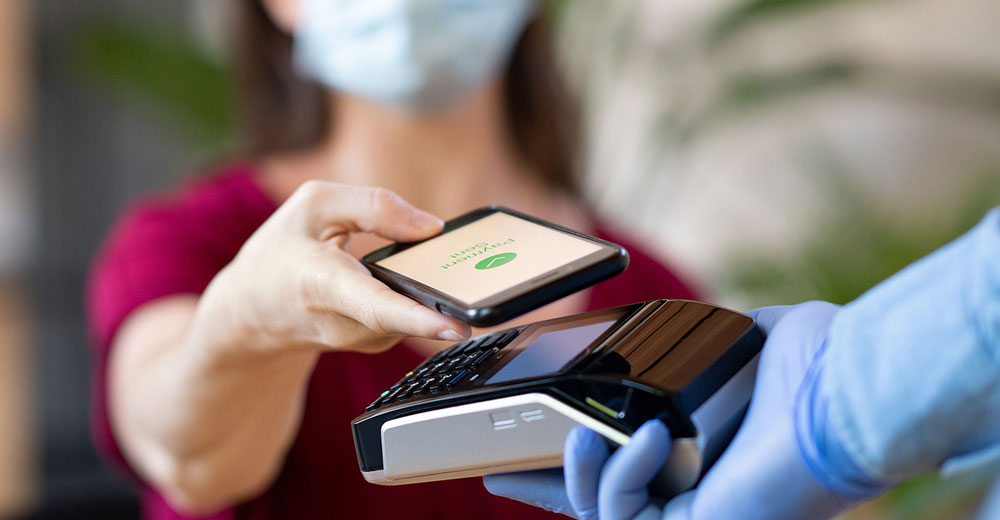
Benefits of contactless payment solutions include improved security through tokenization and encryption, faster and more convenient tap-and-go transactions, and improved hygiene by minimizing physical touch with payment terminals. Additionally, these technologies help businesses run more efficiently, with shorter lines and possibly more satisfied and devoted customers.
People’s payment methods are rapidly evolving. Customer expectations are evolving along with technology. You might be losing out on quicker transactions, more robust security, and an improved client experience if your company isn’t set up to take contactless payments yet.
A type of radio frequency identification (RFID) technology called NFC (Near Field Communication) allows two devices to communicate while they are close to one another, often within a few centimeters. In terms of payments, it enables a consumer to finish a transaction by merely tapping their phone, credit card, or other mobile device on a terminal or card reader.
By 2024, contactless payment methods has been used by 94% of UK consumers, with at least 75% of all age categories and geographical areas using them. Because of their quickness and accessibility, contactless payments using smartphones and smartwatches have become just as common as using credit and debit cards. Two-thirds of people in the UK use internet banking, and about one-third have registered for a mobile payment system.
Even though a lot of individuals now pay for things using their phones rather than cash, some people are still unsure if contactless payments are preferable to the more conventional chip and pin or notes and coins.
What is Contactless Payment?
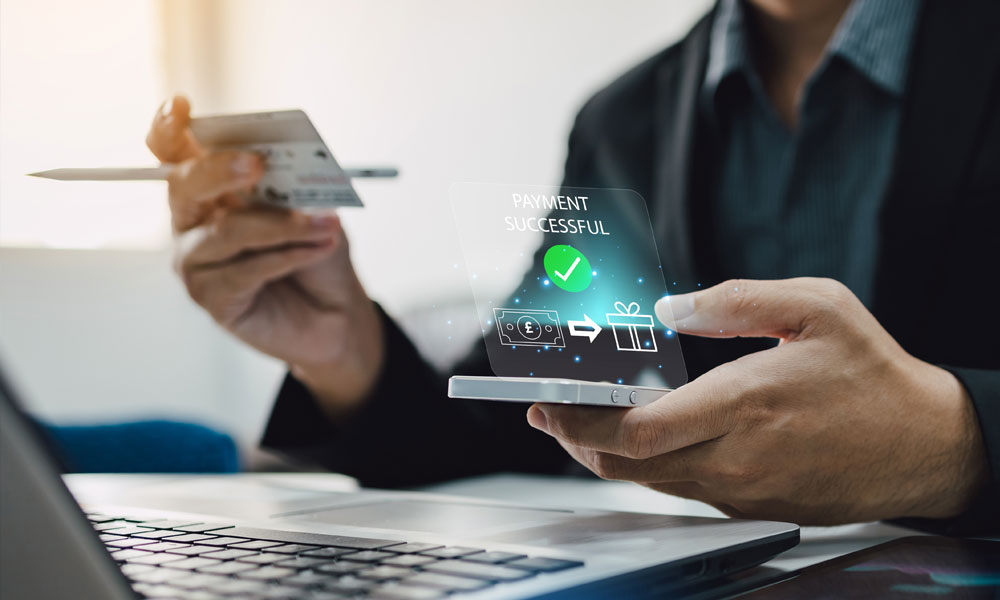
Using a credit or debit card, smartphone, or smartwatch to pay for an item is known as contactless payment. Paying without a PIN is possible for customers who hold their device or card over a reader. This implies that instead of putting a card into the scanner, payments are made with a simple tap.
Chip technology seen in smart gadgets and payment cards is used in this kind of payment. When the chip is close, the card reader detects the signal and relays the amount of money that must be processed for the payment. If the payment has been processed successfully, it will be indicated by the payment terminal. The customer may need to manually input the PIN and insert their card into the scanner if the payment was not made.
Read on to learn about the benefits of contactless payments for businesses and customers alike, as well as the issues surrounding this payment technique.
The Benefits of Contactless Payment Solutions
In recent years, contactless payment options have grown in popularity, leading many customers to start using their phone or card instead of cash when they purchase. Here are some of the reasons why many consumers now consider contactless payments to be the norm when they shop.
Consumer benefits
Because users only need to hold their card or device over the reader, contactless cards expedite the payment process. They no longer have to bother about fishing out the right amount of cash or inserting the card and entering their PIN. Queuing time can be reduced by the few seconds saved each client when transactions are completed more quickly.
Because a card or phone may frequently fit in a smaller space than a large handbag or wallet filled with cash, consumers can carry less when they go shopping.
Read Also: How to Choose the Right Payment Solution Provider
Many businesses have loyalty programs and perks that customers may immediately take advantage of when they use contactless payment on their smart device to make purchases. When a customer uses a gadget linked to their loyalty account, the discount can be applied instantly or they might receive more loyalty points.
The usage of secure contactless systems that aid in preventing fraudulent transactions is another advantage of contactless payment technology. In order to stop thieves from using their contactless card or smart device to make numerous purchases, consumers can freeze their accounts in the event that they misplace them.
Business benefits
Contactless payments are advantageous to more than just consumers. Numerous companies have recognized the potential of contactless payments to decrease wait times and boost employee productivity. Shortening transaction times keeps lines moving and prevents a backlog of clients at the checkout counters. As a result, fewer employees must labor behind the counters, freeing up more time for other activities. The time required to count cash from the tills at the end of each day is also decreased by contactless payments.
Customers may have a more seamless shopping experience using contactless payment methods, which also prevent them from having to base their purchases on how much cash they have on hand. Businesses can pay the same charge for each contactless transaction as they would for more conventional card payment methods because contactless payments don’t come with any additional costs.
Additionally, dynamic data technologies are incorporated into every contactless payment system to deter hacking attempts and safeguard consumer purchases. Because of this improved security, there are also fewer disagreements that may otherwise keep companies from getting their money. Additionally, banks’ fraud prevention systems protect contactless payments, deterring hackers even more.
These advantages are particularly apparent during festivals and cashless events, where lower fraud and wait times have increased consumer spending. The use of plastic tokens in this sector has also drastically decreased, which lowers the cost of producing the tokens and lessens the amount of plastic garbage that ends up in the environment.
Here’s why your business should accept NFC and contactless payments:
- Faster checkout with tap-to-pay
- Better customer experience
- Enhanced security and fraud protection
- Hygienic, no-contact transactions
- Support for mobile devices and wallets
- Less wear on equipment
- Stay competitive in today’s digital market
Summary
In the UK, contactless payment is quickly taking the lead as the most popular method of product payment. Instead of manually inserting their card and entering their PIN, users can touch their card against the reader thanks to contactless technology that is embedded into many bank cards. Contactless payment methods like Google Pay and Apple Pay can also be utilized with smart devices like smartphones and smartwatches.
Because contactless payment systems enable customers to pay for their purchases fast and effectively, businesses stand to gain from shorter lines. Instead of spending their entire shift behind the till, employees can now spend time on other projects. Because many stores let customers link their mobile devices to their customer accounts so that these benefits are instantly applied to their purchases, customers may also take advantage of loyalty programs and discounts when they use their smart devices to pay for goods.
Because they are worried about hackers and thieves, many customers are hesitant to use contactless payments. Nevertheless, several security layers encrypt contactless payments to guard against signal disruption. In the event that their card is lost or stolen, customers can also choose to freeze it, which prevents them from making any more purchases. Contacting their bank or using internet banking will do this.



Comments