
 By
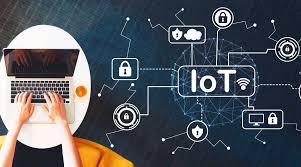
Mobile commerce (m-commerce) uses mobile devices to facilitate online buying, whereas the Internet of Things (IoT) connects common objects to the internet. When m-commerce and IoT combine, they form the “Internet of Commerce Things” (IoCT), which improves user experience and operational efficiency by incorporating features such as smart inventory management, automated reordering, and personalized retail experiences, ultimately bridging the virtual and physical shopping worlds.
Today is the age of the internet, with technology doing amazing things every day. Living creatures have interacted with one another since ancient times, and the internet now allows non-living things to do the same. This wonder is known as the “Internet of Things”. Kudos to the internet age; devices are now interconnected, sharing information every second and forming their own ecosystem. You can switch off the lights in your room with a single command, lock the door with your smartphone, and play music by simply speaking it to a device; these are all examples of the internet of things.
But, have you ever wondered about using IoT in ecommerce business to deliver an even more advanced and seamless experience to the users?
How IoT Enhances M-Commerce
- Smart Inventory Management: IoT devices like RFID tags and smart shelves optimize inventory levels by tracking products, preventing stockouts, and improving supply chain visibility.
- Personalized Shopping Experiences: IoT enables personalized interactions, such as smart mirrors allowing virtual try-ons or connected devices triggering automatic reorders of frequently used products.
- Streamlined Operations: Businesses can use IoT to track product deliveries, monitor supply chains, and improve logistics, leading to more efficient operations and reduced costs.
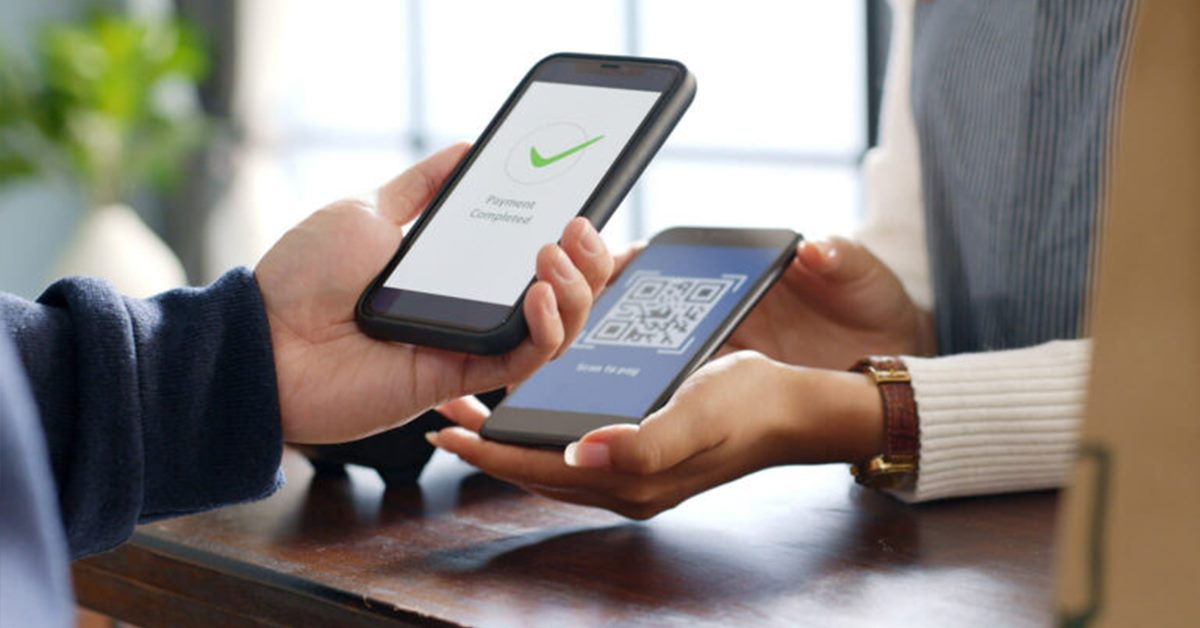
- Convenient Payments: IoT facilitates new payment methods through connected devices, such as smartwatches or appliances, allowing for secure transactions and seamless mobile wallet integration.
- Data-Driven Insights: By collecting real-time data from connected devices, businesses can gain deeper insights into consumer behavior and operational performance, improving decision-making in marketing and sales.
- Enhanced Customer Engagement: IoT fosters better engagement by providing consumers with features like real-time order tracking, quality ratings, and easy access to product information through their connected devices.
Examples of Integrated Systems
- Smart Reordering: Services like Amazon Dash allow customers to reorder products with a single button press on connected devices.
- IoT in Retail Stores: Tesco (Homeplus) has integrated IoT by allowing customers in subway stations to scan product barcodes with a mobile app, add items to a digital cart, and have them delivered to their homes.
- Connected Appliances: Smart refrigerators can track their own inventory, automatically reorder groceries when supplies are low, and integrate with m-commerce platforms for seamless purchases.
Use Cases of IoT in mCommerce Business
The Internet of Things has increased user convenience by allowing them to execute various and daily tasks with simple requests. However, IoT use cases extend beyond daily and basic chores. The growing interconnectedness across devices has played an important role in elevating the mcommerce experience. Let’s speak about some of the use cases and how they aid to enhance the mcommerce scene.
1. Better Inventory Management
Dedicated devices, such as IoT sensors and RFID tags, have improved inventory management efficiency. These sensors and tags read critical product information, such as availability, expiration date, product kind, and much more, without the need for human intervention. This information is subsequently transmitted to the appropriate connected device.
So a customer can track the product’s availability. Similarly, the inventory owner can make informed judgments based on the quantity and state of the goods. Thus, the Internet of Things makes inventory management substantially more accessible.
2. Supply Chain Management
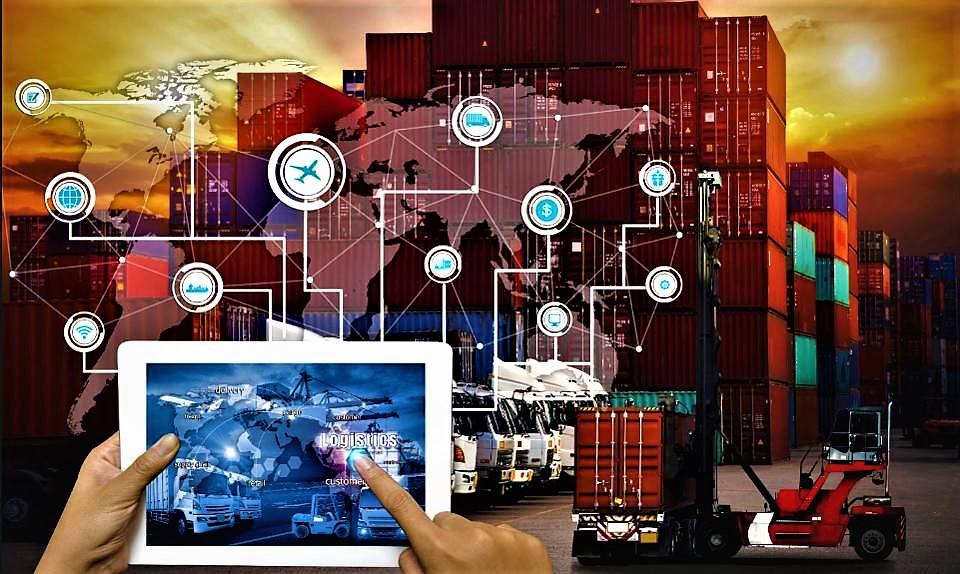
The supply chain is responsible for tracking the product’s location and delivering inventory to the correct place at the right time. IoT-based devices provide real-time product location as well as a vast inventory. These sensors and RFID gadgets can even communicate the exact location and delivery time.
Not only do IoT-based gadgets transmit the position, but they also convey the product’s condition, ensuring that the delivery is not delivered damaged, spoilt, or broken.
3. Customized Service to Customers
IoT gadgets and their interconnection have become an integral part of millions of people’s daily lives, whether they are aware of it or not. Each command you send to your IoT device not only completes a specific purpose for you, but it also retains some information. The more you use these devices, the more information you share.
Read Also: The Role of Artificial Intelligence in Mobile Commerce
Companies and enterprises then utilize this information to provide appropriate products and services. Delivering a personalized customer experience increases the likelihood of making the sale. As a result, using data obtained through IoT devices allows businesses to improve customer experience and increase revenue.
How Does mCommerce Benefit Your Business?
Ease of Access
Customers can use mobile applications to quickly access their preferred retail stores, offering one of the fastest shopping experiences to date.
There’s no need to travel to a store while mobile apps and websites are generally much quicker desktop sites, saving the customer time and effort that is invaluable to the modern consumer. There are few things more convienent than having access to online shopping the tip of your fingers.
Usability
Mobile applications typically offer a better user experience for customers. They’re optimised to offer a fast and streamlined shopping experience that is easy to navigate and only requires a few clicks, making sales and leads easier to achieve as the consumer has a much more enjoyable experience compared to other methods.
Marketing
M-commerce platforms offer a new marketing channel that should be taken advantage of. For instance, with a mobile application you have a direct connection to end users, giving an invaluable marketing channel where you can sell products directly to the consumer via their mobile device.
From push notifications with the latest deals to creating a newsfeed with information above the latest products and prices, there are various tailor-made marketing functions available on m-commerce platforms that allow you to better target customers.
Fast Transactions
In general, most mobile applications are faster than a traditional website, meaning m-commerce offers faster transactions for your customers. Time is money in the world of e-commerce, so giving customers the chance to buy things quicker than normal can be very lucrative.
Quicker browsing and a better user experience have resulted in a massive surge in online sales through mobile devices – it’s a huge benefit of m-commerce and one of the driving forces behind its growth.
Helping Traditional Retail Sales
M-commerce doesn’t just benefit online sales but also in-store sales. This is because consumers are using their mobile devices to check products they browse in store, looking for things like product reviews, pricing options, and whether nearby stores have certain items in stock.
With the right m-commerce platform, businesses can expect to drive sales both in-store and online, ensuring they’re accommodating a wider market.
Lower Costs and Higher Productivity
Using a mobile app to connect to customers quickly can save money on marketing campaigns with less impressive results. Better still, social media integration can further reduce social media marketing costs, utilising customers to help spread the brand.
Moreover, the costs of developing and maintaining an application are typically much lower compared to other e-commerce platforms, saving more money and freeing up resources. For example, an app often costs as little as 20% of it’s development price to operate.
Reducing the costs and manpower needed to operate marketing campaigns is a huge benefit that m-commerce offers retailers.
Attracting New Customers
The great thing about ecommerce is that you can always target new customers. Anyone that comes across the website may be converted into a sale, and this is no different with m-commerce platforms.
People are using their phones to search online these days, so with a mobile optimised site you can increase the likelihood of attracting new customers.
M-commerce functions such as mobile re-targeting also help in this regard, allowing retailers to target adverts at customers visiting their website. There are several tools available in m-commerce that allow business to continue to attract new customers, so businesses should be taking full advantage of these to increase sales and leads.
Insightful Data Analytics
M-commerce platforms such as mobile applications provide businesses with insightful analytics that let them better target their customers and increase sales. Data such as name, sex, location, email, buying history can be easily gathered with user-analytics integrated into the mobile software, although to what degree depends on your budget and the overall quality of the application.
There are different analytic tools available through m-commerce platforms that give businesses invaluable data to understand and target their users. This same level of data and analytics isn’t as easy to gather on other e-commerce platforms, highlighting just how beneficial m-commerce is for the modern-day retailer.




Comments