
 By
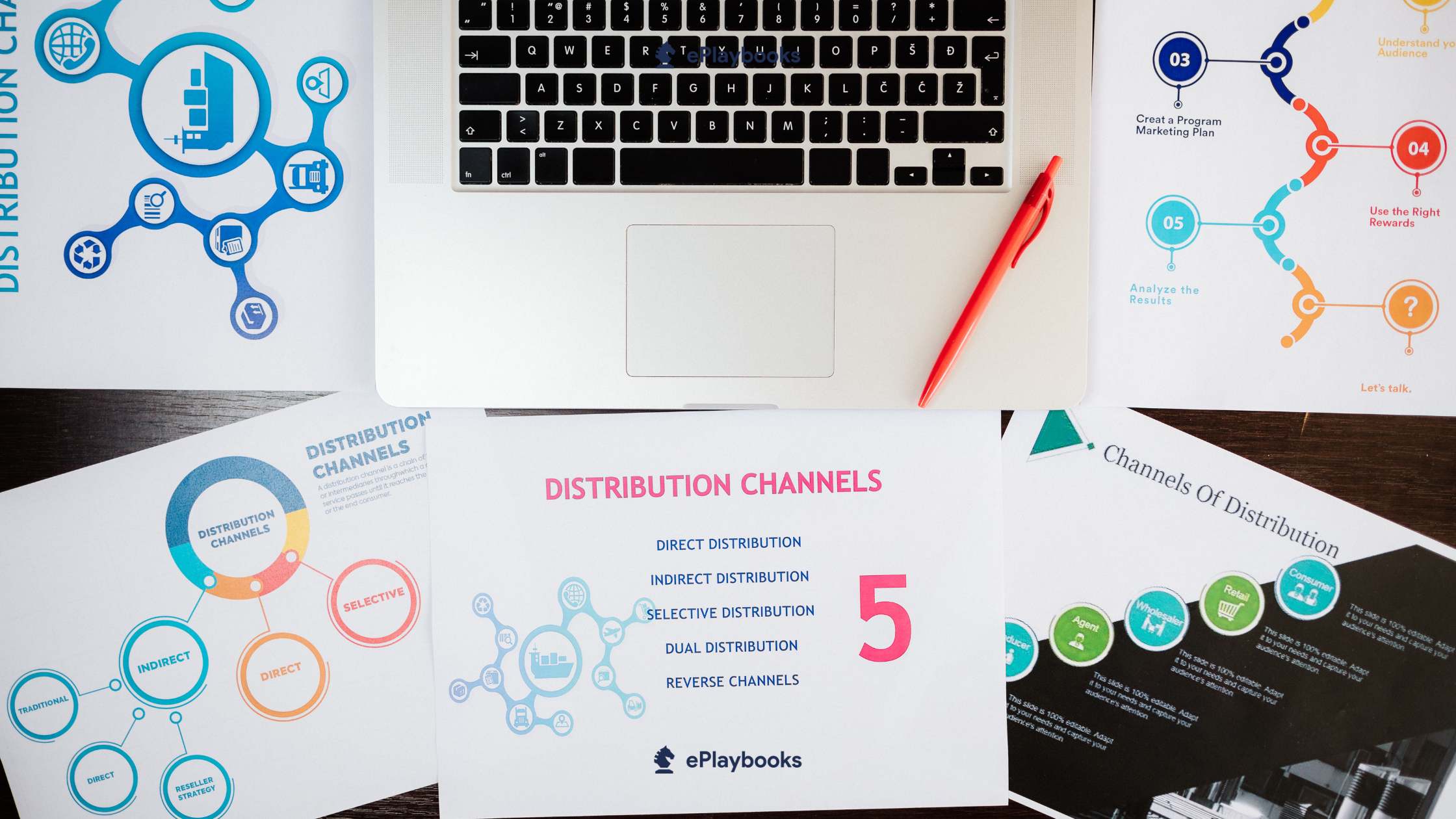
To master fashion e-commerce sales, implement the following strategies: optimize your website for mobile, create compelling visual content for product pages, attract customers with SEO and content marketing, engage through social media and influencer partnerships, simplify the purchasing process, provide excellent customer service, and use data to understand customer behavior.
Fashion ecommerce is the buying and selling of fashion-related products and services (including clothing, shoes, bags, accessories, virtual styling, and more) online. It covers everything from product browsing and selection to checkout and shipment, all through digital channels.
Various ecommerce channels include:
- Social media platforms like TikTok Shop or Instagram Shopping
- Online retailers like Asos or Zalando
- Virtual marketplaces like Amazon Fashion or Etsy
- Mobile apps like Poshmark or Vinted
- Storefront websites like Nike or Nordstrom’s online shop
A fashion ecommerce strategy is a customized marketing plan that employs customer demographics and insights to design, develop, and deploy marketing campaigns that increase sales.
You can do this with:
- Audience targeting
- Product selection and sourcing
- Website design and user experience (UX)
- Digital marketing
- Inventory management
- Logistics and delivery
- Data analysis and adaptation
Ultimately, you want to attract, engage, and sell your offerings in your online store.
Why the emphasis on online transactions? Because over 20% of fashion revenue comes from online sales.
So much so that physical storefronts are in decline, with top fashion brands (like J.Crew and Neiman Marcus) filing for bankruptcy or pivoting to sell exclusively online (like women’s apparel retailer Dressbarn).
Why is that? It could be a byproduct of post-pandemic life or just a matter of convenience and privacy (we’ll come back to this). One thing’s for sure, though: this signals a massive shift in how consumers shop for fashion.
Top 10 Fashion eCommerce Marketing Strategies
We will be the first to admit that any marketing strategy is preferable to none at all. However, while a decent approach will get you started, refining it will help you expand faster.
If you’re ready to move beyond trial and error, explore following strategies to improve your approach:
1. Identify your fashion sub-niche
We know what you’re thinking: “Isn’t fashion already a niche?” Yes, but within the broader fashion market category, there are many different sub-niches like:
- Luxury apparel brands
- Streetwear
- Secondhand fashion
- Plus-size fashion
- Athleisure
- Footwear
…and countless more.
But isn’t it smarter to cast a wider net? Samardge says otherwise:
“In my experience, the best approach to an industry so saturated is to suss out your niche,” she says. “Even brands that sell basic broad appeal attire will struggle with a broad approach simply due to the amount of competition in the fashion industry.”
When you niche down, you can better target specific customer groups. That’s because you can zero in on a particular style, demographic, or set of values that differentiate your brand within the broader fashion ecommerce market.
So, if you specialize in eco-friendly apparel, you can target environmentally conscious consumers who don’t buy fast fashion. However, if you sell maternity wear, your audience would shift to expectant mothers interested in comfort, practicality, and style during pregnancy.
2. Clearly define your goals
How can you sharpen your fashion ecommerce strategy if you don’t know what you’re working towards?
Do you want to boost sales revenue by 20% over the next quarter? Or perhaps you want to expand your fashion brand’s audience by 30% within six months?
Well-defined key performance indicators (KPIs) guide your efforts and ensure every business decision aligns with your objectives. These goals also allow for measurable progress as you track the success of your strategies and make informed adjustments as you go.
Which KPIs apply to fashion ecommerce? Samardge says they aren’t all that different from any other ecommerce business.
According to her, the top KPIs are:
- Revenue: how much you’ve generated from sales
- Return on ad spend (ROAS): how much you’ve generated for every dollar spent on advertising
- Cost per acquisition (CPA): the total cost of acquiring a new customer through a specific channel or campaign
- Clickthrough rate (CTR): the percentage of people who click on a link or ad versus the total number who see it
- Bounce rate: how many visitors leave your website after viewing only one page
3. Know your audience
Just as you need clear goals, you also need to know who you’re selling to.
What’s the challenge? Your target market might be practically anyone in the globe. With so much variability, a one-size-fits-all strategy will not suffice. Instead, tailor your ideal audience based on demographics and tastes.
Consider the possibility that you are not solely targeting viewers in the United States. Many fashion labels are global (e.g., Ralph Lauren, Zara). Samardge believes that this requires more nuanced marketing.
In her experience, the challenges even transcend audience segments. It also involves logistical intricacies in Google Ads and scaling outside familiar locations.
The bottom line: when you truly understand different customer segments — their needs, desires, and shopping behaviors — you can craft a fashion ecommerce strategy that resonates with each group, ultimately leading to greater engagement and higher sales.
Next? Get them to open their wallets by tailoring their experience.
4. Personalize the customer experience
How do you sway the purchasing decisions of 86% of retail shoppers? Personalization, personalization, and more personalization. When you cater to a customer’s individual tastes, it makes them feel understood and valued.
Take apparel retailer StitchFix, one of the first brands to offer personalized style recommendations. They curate entire wardrobes for their customers based on each person’s preferences, size, and feedback. But they don’t just rely on data analysis.
Human stylists comb through those details and provide expert recommendations, creating a highly customized shopping experience from start to finish.
Read Also: Must Know Social Media Strategies for Fashion Entrepreneurs
Long story short: When you personalize the customer journey, you transform casual browsers into ride-or-die fans, driving short-term sales and long-term brand loyalty.
5. Optimize your ecommerce website
A well-optimized ecommerce site delivers a seamless and enjoyable shopping experience for your customers. It also encourages them to stick around longer and explore more. But it’s not just about aesthetics; your website should prioritize the following elements:
- UX: How do visitors feel when they interact with your site? Is it intuitive? Easy to navigate? Well-designed? Slow loading?
- Consistent branding: The uniformity in design, tone, and messaging across all your platforms and content to reinforce brand identity.
- Search engine optimization (SEO): Practices to help your site rank higher in search engine results (like backlinks, metadata, alt text, and keywords).
- Mobile optimization: Your website’s functionality and how it translates on mobile devices (61% of fashion ecommerce buys now come from cell phones).
- Streamlined checkout process: Simplified steps and reduced time for customers to complete a purchase on your site.
All of these contribute to better customer acquisition and conversion rate optimization (CRO). For example, Swimsuits Direct saw impressive results when we applied similar strategies, like a near 110% bump in their year-over-year (YoY) revenue.
And if you’re torn between two website elements, like headlines or photos? No biggie!— You can A/B test them to see which resonates with your audience best.
6. Diversify your payment options
Ecommerce stores offer customers a plethora of payment options. This is especially important to reduce cart abandonment, boost sales, and engage such a global audience base.
Preferred payment methods vary across different regions and customer types. For example, Gen Z and Millennials prefer alternative payment methods (like in-app purchasing, digital wallets, or mobile payments), while older generations still opt for credit and debit cards.
Another popular payment model is Buy Now, Pay Later (BNPL) creditors, like Affirm and Afterpay. BNPL lets online shoppers pay for purchases in installments over time.
With an estimated 93 million people expected to choose this type of payment, flexible payment options like BNPL are a must to stay competitive.
7. Ignite the power of social media
In today’s hyper-digital landscape, social media is about so much more than casual scrolling and memes. Samardge sees ecommerce social selling as vital and cost-effective for customer acquisition and brand awareness in fashion ecommerce.
When it comes to fashion, visuals are everything. This makes social media platforms the perfect place to not just tell, but show the vibrant, aesthetic side of your brand’s story.
“I foresee social media continuing to grow in the sector and becoming even more of a key source of customer acquisition and brand awareness,” she says. “It’s fashion, it’s visual, and social platforms excel in telling that story.”
Samardge’s favorite way to do that? Short-form video content and campaigns for visibility. For example, Khloe Kardashian’s denim brand, Good American, leverages short-form videos to tell its story of inclusivity and diversity in sizing.
Other content ideas include:
- User-generated content (e.g., start a hashtag and encourage followers to post photos wearing your fashion products)
- Virtual product demos (e.g., take a page out of Balenciaga’s book and create a digital fashion show for your followers)
- Live online sales (e.g., host live shopping events where followers can purchase your fashion line in real time)
- Influencer collabs (e.g., partner with influencers in your niche to create content around your products)
- Product sneak-peeks (e.g., share previews and build suspense of upcoming product launches)
- BTS footage (e.g., let followers take a peek into what happens behind the scenes of designs, photoshoots, or special events)
- In-store tours (for brick and mortars) (e.g., offer followers from all over the world a digital tour of your physical storefronts)
- Tips and tutorials (e.g., share styling tips and how-to guides that feature products from your collection)
- Seasonal content (e.g., align your content with seasons and holidays)
- Interactive posts (e.g., engage your audience with polls, quizzes, or Q&A sessions)
Keep branding cohesive
But remember, consistency across your omnichannel efforts is crucial. Samardge reflects on her recent projects:
“What I find really important…is how cohesive the brand messaging feels across marketing channels,” she says.
However, she adds that not all clients grasp the importance of consistency with brand messaging. That’s why it’s so vital to gel your message into a marketable strategy (we can help you with that).
8. Boost your approach with PPC
Pay-per-click ads (PPC) help you target people actively searching for products related to your brand. This is done through keyword research, compelling ad copy, remarketing, competitive analysis, and other tactics.
So, how do you know which keywords to bid on? You might take a broad approach and target popular short-tail keywords. But Samardge says that’s a sure way to hit too much competition and fall short in rankings. Instead, she recommends you:
“Focus the search strategy on branded and niche-targeted keywords with more emphasis on visual ad formats like shopping and Performance Max (PMax),” she explains.
PMax is a Google campaign type that lets you break down ad campaigns based on meaningful factors like margins, price points, seasonality, or a combination of these factors. Samardge says PMax campaigns are major revenue generators.
PPC can significantly shake up your sales and revenue (in a good way). Our clients consistently see an average 4.5x return on their investment, often more.
Take winter apparel retailer 686, who partnered with HawkSEM to revamp their ecommerce strategy with PPC and other tactics. The results? A staggering 303% ROAS and a surge of over 500% in YoY revenue.
9. Keep up with evolving ecommerce market trends
The ecommerce fashion industry is as dynamic as it is saturated. Technologies, consumer behaviors, and ecommerce trends shift all the time, which is exciting but challenging. If you fall behind on the latest trends, you could lose your competitive edge and relevance, or worse: see faltering loyalty from your customers.
To stay in the loop:
- Conduct market research regularly to catch market shifts as they happen and avoid falling behind on trends
- Stay on top of your data to stay abreast of consumer behaviors and potential optimization opportunities
- Engage with customers on social media to gather direct insights and foster trust in your brand
- Comb through reviews and testimonials to improve and tailor your offerings based on customer experiences
- Subscribe to publications in your niche to keep an ear to the ground on industry happenings and thought leaders
- Keep tabs on your competitors to benchmark your performance and spot market gaps to capitalize on
Take global apparel retailer Zara. The brand implemented advanced stock management and Radio Frequency Identification (RFID) tech to streamline operations and order processing. This enabled Zara to expand its ecommerce presence to 41 countries and increase online sales.
Other innovative trends emerging in the fashion sector include augmented reality try-ons, artificial intelligence (AI) stylists, and interactive lookbooks.
Speaking of lookbooks…
10. Craft high-quality product pages
The product page is the first point of detailed interaction between your offerings and potential customers. In other words, the stakes are pretty high. But what constitutes a high-caliber product page? You’ll want it to check these boxes:
- High-definition images and videos of each product from different angles
- Detailed and accurate product descriptions that touch on size, material, care, and other relevant features
- Clear, straightforward pricing and availability information
- Sizing charts or fitting guides, if applicable
- Customer reviews and ratings to build trust
- A clear and compelling call to action, like “Add to Cart” or “Buy Now”
- Mobile optimization so product pages look and function well on different devices
- Details about shipping and your return/exchange policies
- Related product recommendations (cross-selling)
Together, these components create a product page that draws customers in and drives up sales.
Why Does Your Fashion Business Need an Ecommerce Strategy?
If we’ve learned anything so far, it’s that having an online presence is no longer an option for fashion firms; it’s a requirement.
Here are ten reasons why.
1. Lets you tap into an international market
Fashion ecommerce breaks geographical barriers, which opens your brand to a global market. This expands your customer base far beyond local shoppers. More shoppers equals more sales and revenue potential.
2. Gives you access to valuable customer data
Online platforms offer data that helps you shape targeted marketing strategies and personalize shopping experiences, which are more likely to convert and retain customers.
3. It’s cost-effective
Compared to traditional advertising, digital marketing tools are a more budget-friendly way to promote your brand. They provide a higher return on investment with more strategic and efficient spending.
According to Forbes, you only need about $2,000-$5,000 to get your online storefront off the ground.
However, it’s important to remember that your initial investment depends greatly on factors like scale, platforms, marketing, inventory costs, and supply chain logistics. Not to mention website maintenance, video and photography, storage, shipping, and countless other elements that factor into the final cost.
4. Creates a 24/7 shopping experience
Fashion ecommerce means your store is always open for business. Customers can shop at their convenience, whether late at night or early in the morning, which boosts customer satisfaction and sales.
5. It’s flexible and scalable
The digital nature of ecommerce makes you agile to respond to market trends and customer preferences quickly. It also scales easily, supporting your business’s growth without the need for physical expansion.
6. Amplifies customer engagement
Online channels let your customers interact with your brand directly and continuously. This engagement fosters brand loyalty and advocacy, turning customers into brand ambassadors.
7. Keeps you competitive and top-of-mind
As the fashion industry fluctuates, your online presence is essential to remain competitive and relevant. It keeps your brand visible and accessible in a crowded marketplace.
8. Streamlines business operations
Ecommerce brings efficiency to your business operations. It streamlines processes like inventory management, order processing, and logistics, which reduces operational costs, saves you time, and enhances customer service.
9. Makes your brand more eco-friendly
Since online retail reduces the reliance on physical stores, it can lower your brand’s carbon footprint, which helps your brand align with the growing consumer preference for sustainability.
10. Allows for innovative business models
The flexibility of ecommerce paves the way for creative business models like dropshipping, subscription services, and digital showrooms, offering fresh ways to engage audiences and deliver value.
Here are a few common pain points currently affecting online fashion retail:
- Customer engagement: Your target audience has an average attention span of 8-12 seconds, making it essential to engage as soon as they land on-site.
- Increasing competition: 13 out of the top 20 direct-to-consumer brands are operating in the fashion industry. This illustrates the huge reach of the sector but also alludes to the high levels of competition.
- The return to brick-and-mortar: The need to create a site that instils trust and replicates the in-store experience is more important than ever, as 54% of consumers claim that they are likely to look at a product online and buy it in a physical store.
- Increasing costs: Some 97% of executives forecast that the cost of goods sold and SG&A expenses will increase in 2023. Excluding the luxury sector, many fashion businesses may therefore be struggling to achieve significant growth — and may require additional marketing efforts to boost sales.
- Inaccurate search results: 94% of surveyed consumers would quit a shopping session due to inaccurate search results, so integrating an intelligent, accurate search tool should be a priority.
With the correct tools and strategies at your disposal, it’s relatively easy to fix the above pain points and improve eCommerce customer experiences in a way that helps you achieve your goals.
Final Thoughts
As we’ve learnt, fashion shops confront fierce competition on a daily basis. What about online shoppers? Their choices are constantly shifting. To stay ahead, you’ll need a fashion ecommerce strategy that cuts through the noise and maintains your brand in front of your target audience.
But, let’s be honest: creating apparel collections and establishing an Anna Wintour-approved design brand is no easy feat. It requires a thorough understanding of fashion ecommerce dynamics, customer behavior, and digital marketing expertise.








Comments