
 By
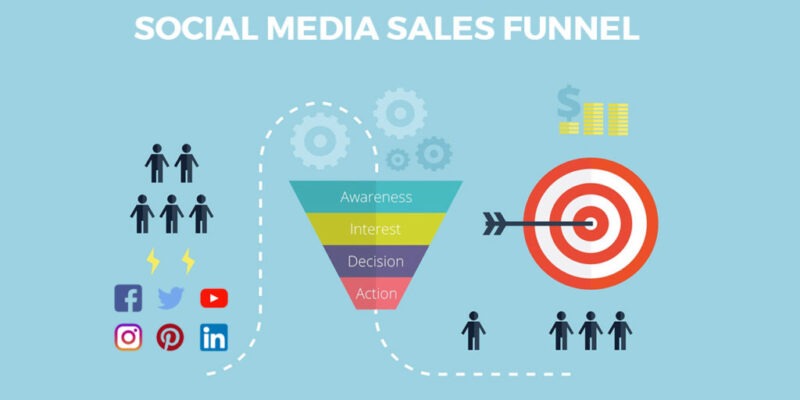
Can social media funnels close affiliate sales automatically? Yes—but “automatically” does not mean completely hands-off. The strongest affiliate marketing funnels automate the journey from content discovery to education, lead capture, follow-up and affiliate recommendation, while the marketer continues creating content, testing offers and maintaining audience trust.
Ten effective social media affiliate funnels are:
- Short Video → Product Review → Affiliate Link
- YouTube Tutorial → Comparison Page → Affiliate Offer
- Instagram Reel → Lead Magnet → Email Sequence
- TikTok Problem/Solution → Landing Page → Affiliate Product
- Pinterest Pin → Buying Guide → Affiliate Links
- Facebook Group → Educational Content → Product Recommendation
- Social Post → Quiz → Personalized Recommendation
- Webinar → Email Follow-Up → Affiliate Offer
- Product Comparison → Retargeting Content → Affiliate Sale
- Social Media → Email Newsletter → Evergreen Affiliate Funnel
The basic formula is:
Attention → Trust → Education → Recommendation → Conversion
Social media provides enormous potential reach. Pew Research Center’s 2025 survey found 84% of U.S. adults use YouTube, 71% use Facebook, 50% use Instagram and 37% use TikTok. Among adults aged 18–29, Instagram usage reaches 80%, while TikTok reaches 63%.
The opportunity is therefore not simply posting affiliate links. It is building a system that turns social-media attention into buying decisions.
10 Social Media Affiliate Funnels Compared
| Funnel | Best Platform | Main Strength |
|---|---|---|
| Short video → Review | TikTok/Reels | Fast discovery |
| Tutorial → Comparison | YouTube | High buyer intent |
| Reel → Email | Audience ownership | |
| Problem → Landing page | TikTok | Simple conversion path |
| Pin → Buying guide | Evergreen discovery | |
| Community → Recommendation | Trust | |
| Post → Quiz | Multiple | Personalization |
| Webinar → Follow-up | YouTube/Facebook | Education |
| Comparison → Retargeting | Multiple | Decision support |
| Social → Newsletter | Multiple | Long-term automation |
1. Short Video → Product Review → Affiliate Link
This is one of the simplest social media affiliate funnels. Create a short video around a problem:
“3 reasons your home Wi-Fi is slow.”
Then introduce a possible solution and direct viewers to your detailed review. The funnel becomes:
Reel/Short/TikTok → Review page → Affiliate link → Merchant → Purchase
The important part is avoiding an immediate hard sell.
- Your short video creates curiosity.
- The review provides evidence.
- The merchant closes the transaction.
This model works particularly well for products that can be demonstrated visually.
2. YouTube Tutorial → Comparison Page → Affiliate Offer
YouTube is particularly valuable because people use it for both entertainment and research. Pew reports 84% of U.S. adults use YouTube, making it the most widely used platform in its 2025 survey.
Suppose you promote website-building software.
Create:
“How to Build Your First Ecommerce Website”
During the tutorial, demonstrate several tools. Then send viewers to:
Shopify vs WooCommerce: Which Is Better for Beginners?
The comparison page can contain clearly disclosed affiliate links. This funnel works because the audience progresses naturally from:
Learning → Comparing → Choosing
instead of being pushed directly into purchasing.
3. Instagram Reel → Lead Magnet → Email Sequence
Social followers are valuable, but you don’t control the platform.
- Algorithms can change.
- Reach can decline.
- Accounts can be suspended.
An email list gives you a more direct audience relationship. Consider this funnel:
Instagram Reel
↓
Free checklist
↓
Email signup
↓
5-email educational sequence
↓
Affiliate recommendation
For example, a fitness creator might offer:
“Free 7-Day Home Workout Plan.”
The email sequence can then discuss equipment, recovery and training before recommending relevant products. The automation happens after signup.
4. TikTok Problem/Solution → Landing Page → Affiliate Product
TikTok can be particularly useful for reaching younger audiences. Pew found 63% of U.S. adults aged 18–29 use TikTok, compared with 37% of adults overall.
Use a simple structure:
Problem → Demonstration → Solution → CTA
Example:
- Problem: Phone videos look shaky.
- Demonstration: Show shaky footage.
- Solution: Demonstrate a stabilizer.
- CTA: “See my full comparison.”
The landing page might compare:
Product A vs Product B vs Product C
and contain properly disclosed affiliate links.
The social content creates demand while the comparison page helps capture purchase intent.
5. Pinterest Pin → Buying Guide → Affiliate Links
Pinterest can work differently from fast-moving social feeds. Instead of creating only personality-driven posts, build search-oriented visual content around specific needs.
Examples:
- 10 Home Office Essentials
- Best Kitchen Tools for Small Apartments
- Beginner Photography Equipment Checklist
Each visual can lead to a comprehensive buying guide.
The funnel:
Pin → Buying Guide → Product Comparison → Affiliate Retailer
The buying guide should provide genuine value rather than existing solely to hold affiliate links.
Include:
- Advantages.
- Disadvantages.
- Prices.
- Alternatives.
- Who each product suits.
- Original experience where available.
6. Facebook Group → Educational Content → Recommendation
Facebook remains widely used: 71% of U.S. adults reported using the platform in Pew’s 2025 research. Groups can create a community-driven affiliate funnel.
Read Also: 9 Affiliate Marketing Myths Holding You Back From Earning
Suppose your niche is photography. Rather than repeatedly posting:
“Buy this camera!”
publish:
- How to choose your first camera
- Understanding aperture
- Beginner lighting techniques
- Camera comparisons
When members ask:
“Which camera should I buy?”
you can direct them toward an appropriate comparison or resource, subject to the group’s promotional rules and clear affiliate disclosure.
The funnel becomes:
Community → Education → Trust → Recommendation → Purchase
Trust comes before monetization.
7. Social Post → Quiz → Personalized Affiliate Recommendation
One problem with generic affiliate marketing is that everyone sees the same recommendation. A quiz can segment prospects. Imagine a website-software quiz:
What’s the Best Website Platform for You?
Question 1:
What are you building?
- Blog
- Ecommerce store
- Portfolio
- Membership site
Question 2:
What’s your budget?
Question 3:
What’s your technical experience?
The results might recommend different products depending on the answers. The funnel becomes:
Social post → Quiz → Personalized result → Product comparison → Affiliate offer
This creates relevance without pretending that one product is universally “best.”
8. Webinar → Email Follow-Up → Affiliate Offer
Higher-priced affiliate products usually require more education. A 15-second video may generate interest but not enough confidence for someone to purchase expensive software, education or business equipment.
A webinar can bridge that gap. For example:
Free Webinar: How to Launch Your First Online Store
Teach:
- Choosing products.
- Setting up payments.
- Building a website.
- Handling orders.
- Marketing.
During the training, demonstrate tools you genuinely recommend. Afterward:
Webinar → Replay → Case study → Comparison → Affiliate recommendation
can be automated through email.
The important principle is that the webinar should remain useful even if the attendee buys nothing.
9. Product Comparison → Retargeting Content → Affiliate Sale
Many consumers don’t purchase the first time they discover a product.
- They research.
- They compare.
- They leave.
- They return.
Instead of repeatedly showing “BUY NOW” messaging, create follow-up content answering remaining objections. Someone interested in a laptop might subsequently see:
- Battery test
- Laptop A vs Laptop B
- Three disadvantages of Laptop A
- Who should NOT buy Laptop A
This approach turns follow-up marketing into additional decision support. Where advertising or tracking technologies are used, marketers also need to comply with applicable privacy, consent and platform requirements.
10. Social Media → Newsletter → Evergreen Affiliate Funnel
This may be the most valuable long-term model. Instead of making every social post sell something, use social media to build your email audience.
For example:
YouTube + TikTok + Instagram
↓
Free buying guide
↓
Email subscriber
↓
Weekly useful content
↓
Relevant product recommendations
↓
Affiliate sales
A newsletter allows one lead to potentially generate multiple future opportunities instead of disappearing after one social-media session.
The goal is not to send endless automated promotions. A stronger model is:
Educate → Educate → Help → Recommend → Educate
How the Economics of an Affiliate Funnel Work
Consider a hypothetical campaign. A video receives:
100,000 views
- If 2% visit your landing page: 2,000 visitors
- If 20% join your email list: 400 subscribers
- If 25% eventually click an affiliate offer: 100 clicks
- If 5% purchase: 5 sales
At a $100 commission: 5 × $100 = $500
Now suppose better content increases landing-page visits from 2% to 4%. Without increasing video views, you potentially double the top of the conversion funnel.
This demonstrates why successful affiliate marketers monitor the entire funnel, not simply follower counts.
Metrics That Matter
Track:
- Content views.
- Click-through rate.
- Landing-page conversion.
- Email opt-in rate.
- Affiliate-link clicks.
- Merchant conversion rate.
- Commission per sale.
- Earnings per click.
- Revenue per lead.
- Refund or cancellation rates.
A million views with no buyer intent can be worth less than 10,000 highly targeted views.
Final Thoughts
The best social media affiliate funnels don’t attempt to force sales automatically. They automate helpful steps in the buying journey.
The winning structure is:
Social Content → Attention → Useful Resource → Trust → Recommendation → Affiliate Link → Purchase
Social media provides the audience. Pew’s latest survey found 84% of U.S. adults use YouTube, 71% Facebook, 50% Instagram and 37% TikTok.
But reach alone doesn’t create affiliate revenue. The real objective is moving the right audience from:
“This looks interesting.”
to:
“I understand the problem.”
to:
“I know my options.”
to:
“This product fits my needs.”
That is why the most effective affiliate funnel is not necessarily the one containing the most automation. It is the one containing the least unnecessary friction.
Build useful content. Capture permission. Educate prospects. Recommend appropriate products. Disclose commissions. Measure conversions.
Then automate the repetitive parts.
FAQ
Can affiliate sales really be automated?
Parts of the process can. Lead capture, email delivery, segmentation, reminders and product education can operate automatically. Content creation, testing, compliance and maintaining audience trust still require ongoing work.
Which social platform is best for affiliate marketing?
There is no universal winner. YouTube offers enormous reach, while Instagram and TikTok are particularly strong among younger adults. Pew reports 84% of U.S. adults use YouTube, 50% use Instagram and 37% use TikTok.
Do I need an email list?
Not necessarily, but an email list reduces dependence on social-media algorithms and provides a direct way to reconnect with people who voluntarily subscribe.
Should affiliate links go directly in social posts?
They can, where program and platform rules permit, but sending users to a useful review, comparison or tutorial can provide more information before the purchase decision.
Source: close.com








Comments