
 By

Digital monetization is the process of generating cash from internet traffic, content, or user data using tactics such as advertising, subscriptions, or selling digital products. It converts internet presence into revenue sources including affiliate marketing, online courses, and premium content access. Ad-supported, freemium, and transaction fees are all common strategies.
The good news is that in 2026, monetizing content on the internet will be easier than ever. There have never been more alternatives for creating different forms of content and monetizing them.
This article looks at eight methods you may start monetizing your content online this year, as well as tactics for developing high-quality material that converts, marketing to your target audience, and distributing the finished result.
Digital content may always generate revenue as long as it adds value to your target audience.
When it comes to internet content, the notion of “value” varies. YouTube, TikTok, and Instagram, for example, are jam-packed with humorous videos and fascinating reels designed to provide users with pleasure and escapism. In addition to all of this, there are TED Talks, movies, and tutorials that offer education and information.
Despite their apparent disparity, both sorts of value are equally desired because each has an audience. More than that, each one addresses a specific issue that many consumers face.
The goal is to understand what your audience wants or needs. In marketing language, you need to be aware of market gaps that you may be able to fill. Where there is a market gap, users—along with rival brands and advertisers—are eager to pay for (or pay to sell) a product or service that fills it. That applies to the digital economy as well.
8 Ways to Monetize Online Content
If you can develop content for a digital product, you can always make money from it. There could even be complete content monetization platforms to support it, such as AdSense or the YouTube Partner Program, among others. In this article, we will look at eight possible ways to monetise digital content in 2026, including those two platforms and others.
1. Sell ad space on your website
If you have a website or a blog, one of the easiest ways to monetize your content, articles, and blog posts is to sell ad space.
By joining something called an ad network, you can choose what kind of advertisers you’re comfortable featuring on your site, as well as which parts of your webpage you want to dedicate to ads. Then, when a space is sold to an advertiser, you’ll share the profits from the ad revenue and the impressions of that ad with the ad network.
Popular ad networks are:
- Google AdSense
- Setupad
- Amazon Ads
- Infolinks
- Monumetric
2. Join the YouTube Partner Program
The YouTube Partner Program (YPP) is the only native method for content monetization on a YouTube channel. Once you become eligible for the YPP, you can start earning money from ad impressions as well as views. You’ll also get access to other content monetization methods like YouTube Subscriptions, Super Stickers, and Super Chat. To effectively make money on YouTube, it’s essential to understand and leverage these monetization strategies.
By integrating an AI YouTube summarizer into your content creation process, you can efficiently generate concise previews of your videos, boosting viewer engagement and supporting your monetization efforts.
3. Write and self-publish e-books
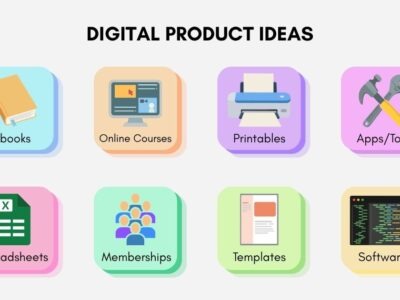
If you work or are an expert in a specific industry or niche, you can write an e-book about it, self-publish it on a marketplace like Amazon, and take home 35%-70% of the list price (excluding tax).
You can also sell e-books directly from your site using Shopify or Woocommerce, or use digital platforms for selling. Once you have your shopify store set up, you can further optimize your sales by integrating Shopify conversion apps, which help streamline the purchasing process and increase your conversion rates.
4. Offer exclusive content through paid subscriptions or memberships
Paid subscriptions and memberships are becoming increasingly popular for corporations as well as small-time digital creators, and they can generate revenue for business owners, too.
Read Also: The Future of Data Monetization: Predictions and Trends
The way to take advantage of this content monetization method is to offer exclusive, premium content to consumers who pay a fee to start a subscription or join your membership list. You can handle the payment system and content distribution yourself, or use a third-party site like Patreon. There are also platforms like YouTube and TikTok that come with subscription features already built in.
Using account to account (A2A) payments is another option that can make transactions smoother and reduce processing fees. This direct payment method allows businesses to receive funds instantly, improving cash flow and ensuring subscribers have a seamless payment experience.
5. Try affiliate marketing
Businesses that establish loyal followings and put out consistent work can often become affiliates for brands. As an affiliate, you’ll be given links to products or services to share in your personal content.
However, it’s essential to protect your personal information by ensuring the affiliate program is reputable and does not require unnecessary sensitive data during registration or transactions. Then, every time someone clicks on that link, you’ll receive a paid commission. However, ensure you comply with new regulations under the TCPA update to avoid violating affiliate terms.
Affiliate terms fundamentally define the scope of your partnership and should be reviewed carefully before promoting products. These terms typically outline commission structures, payout thresholds, cookie durations, brand usage permissions, and any requirements around disclosures. Knowing them isn’t just smart—it’s essential.
Reviewing affiliate terms ensures you’re aligned with program rules, … (e.g., when, how, or where to display links or disclaimers), protects your credibility, and guards against declined earnings due to unintentional violations. Having a clear understanding of those terms enables confident, ethical promotion that supports both your audience’s trust and your own monetization goals.
6. Get brand sponsorships
Another way to leverage content monetization is to get brands to sponsor you. In this scenario, other brands pay you a set amount of money to promote them in your content. That payment isn’t conditional on whether anyone views it or clicks on any links. In that way, being sponsored can be even better than becoming an affiliate.
7. Create online courses and sell them
Many of us have something to teach, and many more people are happy to pay to be taught. Creating an online course and selling it on your website allows you to provide useful knowledge to other people and turn a profit.
8. Create art for commission
The ability to create digital art—whether it’s a stylized comic or a professional logo design—is a monetizable skill. You can take commissions for pieces of art through your personal website or establish yourself on an online marketplace like Fiverr, Upwork, or Gumroad.
Finally
Digital content is all around us, and there is a never-ending demand for more of it. If you have a specific knowledge or skill set, apply it to content monetization on your website, social media, or an online marketplace.








Comments