
 By
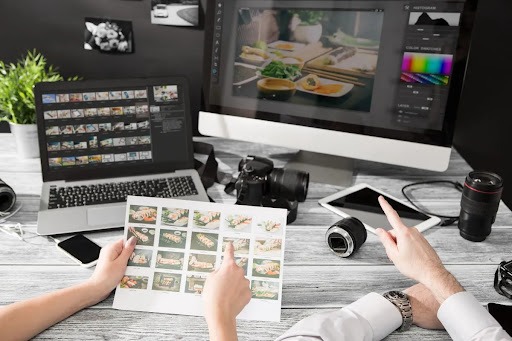
Advanced artificial intelligence will determine the future of photo editing by automating chores, providing predictive ideas, and enabling new kinds of creation such as 3D image modification. We can expect more integration with other technologies, such as augmented reality (AR) and voice commands, resulting in real-time, hands-free editing. This technical transition will result in a more collaborative and accessible editing environment, with cloud-based platforms enabling cross-platform and real-time collaboration; yet, human creativity, storytelling, and ethical considerations will remain critical differentiators.
The digital photography scene saw an enormous transition in 2025, with picture editing technologies reaching new levels of sophistication and accessibility.
As both creative pros and average users seek more intuitive ways to handle images, natural photo editing has emerged as a game-changing invention that is reshaping how we engage with visual content. Leading the revolution. An advanced picture editing platform that is raising the bar for consistency, precision, and user experience in the quickly changing field of AI-powered photo transformation.
The photo editing industry has grown rapidly, with the market rising from $299.2 million in 2023 to a predicted $917.4 million by 2024, marking a spectacular compound annual growth rate of 17.4%. This spike reflects not only technology advancements, but also a fundamental shift in user expectations and creative workflows.
One of the most significant advancements in digital creativity has been the shift from technical expertise to conversational participation in photo editing. Modern users expect tools that grasp purpose rather than knowledge of complex interfaces. Several reasons have expedited this transition.
Democratization of Professional Editing: Traditional photo editing software like Adobe Photoshop, while powerful, requires extensive training and expertise. Image editing tools are breaking down these barriers, making professional-quality edits accessible through simple text commands.
Speed and Efficiency Demands: Creative professionals need faster turnaround times without compromising quality. AI-powered editing tools can complete complex modifications in seconds rather than hours, fundamentally changing project timelines and creative possibilities.
Mobile-First Creative Culture: With over 80% of retail executives expecting their businesses to adopt automation by 2025, the demand for mobile-friendly, intuitive editing solutions has never been higher.
Why do Photography Trends Matter?
Photography is continuously changing, and as we approach 2025, the trends influencing this art form are more broad and vibrant than ever.
For photographers, whether hobbyists or professionals, building on photography trends in 2024 and staying ahead of these trends is critical for growth and relevance.
However, these tendencies are relevant to everyone involved in creative activity, not only photographers. Understanding these growing trends will help you produce more captivating images, whether you’re a designer, marketer, content provider, or simply giving a presentation.
Photography is one of the most effective ways to convey tales. It enables us to capture events, express feelings, and deliver messages. As technology progresses and society evolves, photographic fashions shift to reflect these developments.
Understanding photography trends is more than simply following the latest fad. It’s about anticipating what clients, audiences, and industries will want from visual content. Staying current with trends can help professional photographers stay competitive and have a modern vibe in their portfolio. Trends can inspire creatives and open up new avenues for using photography in ads, social media, and personal projects.
Photographic trends affect more than just photographers. In 2025, these trends will continue to have an impact on graphic designers, marketers, advertisers, and content creators. If you’re a creative practitioner, paying attention to these trends can help you improve your work in a variety of ways.
First, trends can help you connect your visual style with what your target audience is looking for. Understanding popular photography styles allows you to produce graphics that connect with people and stand out in a crowded environment.
Second, these trends frequently push technological boundaries, encouraging creatives to try out new tools and techniques. Whether you use vibrant colors in your brand photography or drone images in an advertising campaign, these trends provide possibilities to bring new ideas to the table.
Finally, remaining current on photographic trends ensures that your work remains relevant. Outdated visuals can make even the most brilliant notion feel outdated. However, by incorporating popular techniques and styles, you will demonstrate that your creative work is modern and forward-thinking.
How Photo Editing is Evolving
Natural photo editing marks a significant shift from traditional menu-driven interfaces to conversational interactions. Instead of navigating complex toolbars and adjustment panels, users can simply specify their desired modifications in plain English.
Natural photo editing technology integrates computer vision, natural understanding, and generative algorithms to interpret user intentions and perform accurate alterations. This strategy provides various benefits:
Intuitive Interaction: Users describe what they want to change rather than how to change it, removing the technical barrier between creative vision and execution.
Contextual Understanding: Advanced models understand not just the literal meaning of instructions but the creative context, ensuring edits align with artistic intent.
Iterative Refinement: Users can build complex edits through conversational feedback, allowing for real-time collaboration between human creativity and capability.
Superior Image Editing Performance
Emerges as a standout solution in the competitive image editing landscape, offering superior performance and consistency compared to alternatives. The platform’s advanced architecture delivers exceptional results across multiple dimensions of image editing excellence.
Advanced Architecture for Consistent Results
The proprietary engine has been specifically designed to address the common challenges that plague other image editing tools. While many platforms struggle with consistency across multiple edits, maintaining visual coherence and quality throughout complex editing sessions.
Precision Editing Without Quality Loss: Unlike tools that regenerate entire images, performs surgical edits that preserve the integrity of unchanged elements while delivering precise modifications to targeted areas.
Superior Text Recognition and Preservation: The platform excels at understanding and maintaining text elements within images, ensuring that typography, effects, and positioning remain intact during editing operations.
Advanced Object Recognition: Computer vision capabilities accurately identify and isolate objects, people, and backgrounds, enabling precise modifications without unwanted artifacts or bleeding effects.
Natural Processing Excellence
The platform’s natural processing capabilities set it apart from competitors by understanding nuanced instructions and creative intent. Users can communicate complex editing requirements through conversational commands, making professional-quality edits accessible to users without technical expertise.
Contextual Understanding: Interprets not just the literal meaning of user instructions but understands creative context, ensuring edits align with artistic vision.
Multi-Step Edit Coordination: The platform can handle complex, multi-step editing instructions within a single command, streamlining workflows that would typically require multiple tool interactions.
Creative Suggestion Engine: Beyond executing user commands, can suggest complementary edits and enhancements based on image analysis and creative best practices.
A Comprehensive Competitive Analysis
The competition highlights the different approaches to image editing, with each platform offering distinct advantages and targeting different user needs.
Performance and Speed Comparison
Processing Speed: While advertises 6-12 second processing times, consistently delivers results in under 8 seconds while maintaining superior quality standards. This speed advantage becomes crucial during iterative editing sessions where multiple adjustments are required.
Quality Consistency: advanced architecture maintains consistent quality across extended editing sessions, while users often report degradation in quality after multiple iterations on the same image.
Resource Efficiency: Optimized processing requires fewer computational resources while delivering superior results, making it more sustainable and cost-effective for regular use.
Feature Set and Capabilities
Natural Understanding: Both platforms support natural instructions, but a more sophisticated NLP engine better understands creative nuance and context, resulting in more accurate interpretation of user intent.
Character Consistency: While markets character consistency as a key feature, achieves superior results in maintaining character appearance and style across different scenes and contexts.
Text Editing Capabilities: Excels in text-based editing tasks, preserving typography styles, effects, and positioning with greater accuracy than implementation.
User Experience and Accessibility
Learning Curve: Intuitive interface requires minimal learning time, while multiple model versions ([Dev], [Pro], [Max]) can create confusion for new users.
Pricing Transparency: Offers clear, predictable pricing without hidden credit systems, while credit-based models can lead to unexpected costs during extended editing sessions.
Platform Integration: Provides seamless integration with popular creative workflows and platforms, while centric approach may require additional technical setup.
The Technical Advantages That Set Apart
Advanced Computer Vision Technology
Computer vision technology represents a significant advancement over conventional image editing approaches. The platform’s ability to understand image composition, lighting, and artistic elements enables more sophisticated editing capabilities.
Contextual Scene Understanding: The platform analyzes entire image composition to ensure edits maintain visual harmony and realistic lighting conditions.
Advanced Masking Technology: Automatic masking capabilities create precise selections without manual intervention, enabling clean edits even in complex scenarios.
Style Transfer Precision: The platform can apply style modifications while preserving essential image characteristics, creating seamless transformations that maintain visual credibility.
Machine Learning Model Optimization
The platform’s machine learning models have been specifically trained on diverse image datasets to handle real-world editing scenarios with exceptional accuracy.
Diverse Training Data: Models are trained on extensive datasets covering various photography styles, subjects, and scenarios, ensuring robust performance across different use cases.
Continuous Learning: The platform incorporates user feedback and editing patterns to continuously improve performance and accuracy.
Edge Case Handling: Advanced error detection and correction mechanisms ensure consistent performance even with challenging or unusual image content.
Real-World Applications and Use Cases
Professional Photography and Creative Industries
Professional photographers and creative agencies are adopting its ability to streamline post-production workflows while maintaining the quality standards required for commercial work.
Portrait Retouching: The platform excels at natural-looking portrait enhancements, skin smoothing, and feature adjustments without creating artificial appearances.
Product Photography: E-commerce businesses use to quickly adapt product images for different contexts, backgrounds, and marketing campaigns.
Brand Asset Creation: Marketing teams leverage the platform’s consistency features to maintain brand visual identity across diverse creative materials.
Content Creation and Social Media
Content creators and social media influencers benefit from speed and accessibility, enabling rapid content production without compromising visual quality.
Social Media Optimization: The platform can quickly adapt images for different social media platforms, ensuring optimal visual impact across various aspect ratios and formats.
Batch Processing: Content creators can apply consistent editing styles across multiple images, maintaining visual coherence in their content libraries.
Trend Adaptation: The platform’s flexibility allows creators to quickly adapt existing content to emerging visual trends and aesthetics.
Business and Marketing Applications
Businesses across industries are integrating into their marketing and communication workflows to enhance visual content without requiring specialized design expertise.
Marketing Campaign Development: Marketing teams can rapidly prototype and iterate on visual concepts, accelerating campaign development timelines.
Website and Digital Asset Optimization: Businesses use the platform to optimize images for web performance while maintaining visual impact.
Brand Consistency: The platform helps maintain consistent visual branding across different marketing materials and touchpoints.
The Future of Photo Editing
Emerging Technologies and Capabilities
The image editing industry continues to evolve rapidly, with several emerging technologies poised to further transform the creative landscape.
Integration with Augmented Reality: Future editing tools will likely integrate with AR platforms, enabling real-time image modification and preview in augmented environments.
3D Image Understanding: Advanced computer vision capabilities will enable editing tools to understand and manipulate three-dimensional aspects of images, creating more realistic and sophisticated edits.
Cross-Platform Synchronization: Cloud-based editing platforms will enable seamless editing experiences across multiple devices and platforms.
Market Evolution and User Expectations
As image editing tools become more sophisticated, user expectations continue to rise, driving innovation in user experience and capability development. Collaborative Editing: Future platforms will enable real-time collaborative editing, allowing multiple users to work together on image projects. Voice Interface Integration: Natural processing will expand to include voice commands, enabling hands-free editing experiences.
Predictive Editing Suggestions: Systems will proactively suggest edits and enhancements based on image analysis and user behavior patterns. Best Practices for Image Editing Success. To maximize the benefits of image editing tools like, users should adopt best practices that leverage the platform’s strengths while avoiding common pitfalls.
Clear Communication: Provide specific, descriptive instructions to achieve the most accurate results. Instead of vague commands like “make it better,” use detailed descriptions like “brighten the subject’s face while maintaining natural skin tones.”
Iterative Refinement: Use the platform’s iterative editing capabilities to build complex modifications through multiple steps rather than attempting everything in a single command.
Quality Control: Always review results carefully and maintain original image backups, especially for important or irreplaceable photos.
Top Photography Trends for 2026
Now let’s look at the photography trends that will shape 2026. From nostalgic throwbacks to cutting-edge approaches, these increasingly popular trends will cater to all types of creatives.
1. Retro and vintage
While many modern photography aesthetics will come into play next year, nostalgia will continue to drive the visual world in 2026.
Read Also: How High Quality Photo Editing Can Boost Your E-commerce Sales
Retro and vintage photography trends are making a comeback, with a focus on grainy film photography textures, black and white, faded colors, and film-inspired aesthetics.

Photographers are embracing the imperfections that come with shooting on film or applying filters to recreate that look.
This trend adds a timeless, sentimental feel to images, perfect for editorial work, fashion, or personal projects that aim to evoke emotion.
2. Portraits
Portrait photography is set to become even more personal and emotional. The focus in 2025 will be on capturing real, authentic moments that reveal the subject’s personality or inner life.

Expect to see less retouching and more emphasis on natural expressions, natural light, imperfections, and candid shots.
Portraits that connect on an emotional level will be in high demand across multiple industries, from fashion to corporate branding.
3. Inclusive photography
Representation matters, and inclusive photography is one of the most important trends for 2025. More photographers are committed to showcasing diverse models across race, age, gender, body type, and ability.

Brands and content creators are also demanding more inclusive imagery for campaigns, making this trend vital for both social and commercial photography.
The focus here is on making sure everyone feels seen and represented in visual media.
4. Bold and bright colored photography
Bold, bright colors will continue to dominate the visual landscape in 2025. Saturated tones and high-contrast images draw attention and evoke strong emotions, making them perfect for campaigns that aim to grab attention quickly.

This trend is especially popular in lifestyle and fashion photography, where color can play a central role in creating a specific mood or brand identity.
5. Moody photography
On the other end of the spectrum, moody photography is also gaining momentum. Dark, shadowy tones, desaturated colors, and a focus on creating emotional depth will make moody photography a trend to watch in 2026.

This style is perfect for storytelling, as it evokes feelings of mystery, introspection, and drama. It works especially well for portraiture, nature photography, and editorial projects.
6. Sweeping landscapes
Sweeping landscapes have always been a staple in photography, but in 2025, expect more breathtaking, panoramic shots that capture the vastness and beauty of nature.
With advances in camera technology and editing software, photographers can create more immersive images, perfect for travel, outdoor lifestyle brands, and environmental campaigns.

These images highlight the beauty of the world around us, connecting viewers to the natural world.
7. Blank product shots
In 2026, blank product shots will be a must-have for marketers and brands looking for versatile imagery. These photos showcase products without any logos or branding, making them perfect for use in mockups, promotional materials, or marketing campaigns.

By keeping the product itself neutral, creatives have the flexibility to overlay logos, text, or specific brand elements later.
This trend is especially valuable for brands that want consistency across different campaigns while still allowing room for brands to customize them.
8. Panorama photography
Panoramic photography is set to take center stage in 2025. Whether through stitching multiple images together or using wide-angle lenses, this trend is about capturing expansive views in a single shot.

Panoramas work well for landscapes, cityscapes, or even large group portraits, offering a way to tell a bigger story in a single frame.
9. Family-oriented photography
Authenticity and emotional connection are key drivers behind family-oriented photography trend in 2025. Gone are the days of stiff, posed family portraits. Instead, photographers are focusing on candid moments that reflect the real dynamics of family life.

These images capture joy, chaos, love, and everything in between, making them relatable and memorable.
10. Fish-eyed lens photos
Fish-eye lens photography offers a quirky, distorted perspective that can make even ordinary scenes feel extraordinary. In 2026, this trend will continue to grow, especially in urban photography, architectural shots, and creative portraiture. The unique curvature created by these lenses add depth, a playful essence, and an experimental vibe to photos.

Bottomline
The rapid advancement of image editing technology creates both opportunities and challenges for creative people and enterprises. While other platforms provide useful editing features, it stands out for its greater consistency, powerful natural processing, and user-centric design approach.
The key to success with image editing tools is to understand your individual requirements, thoroughly evaluate platform capabilities, and execute best practices that optimize the benefits of these powerful technology. As the industry evolves, platforms that prioritize user experience, maintain high quality standards, and provide consistent outcomes will emerge as long-term leaders in this transformational field.
Whether you’re a professional photographer, creative agency, or corporation trying to improve your visual content capabilities, your choice of image editing platform will have a huge impact on your creative workflows, productivity, and end outcomes. By selecting advanced solutions, you put yourself at the forefront of the powered creative revolution, which is altering how we interact with and transform visual content.
The future of photo editing is conversational, intelligent, and open to anyone. The question is not if image editing will change, but rather which platform will best serve your creative vision and professional requirements in this exciting new era of visual creation.









Comments