
 By
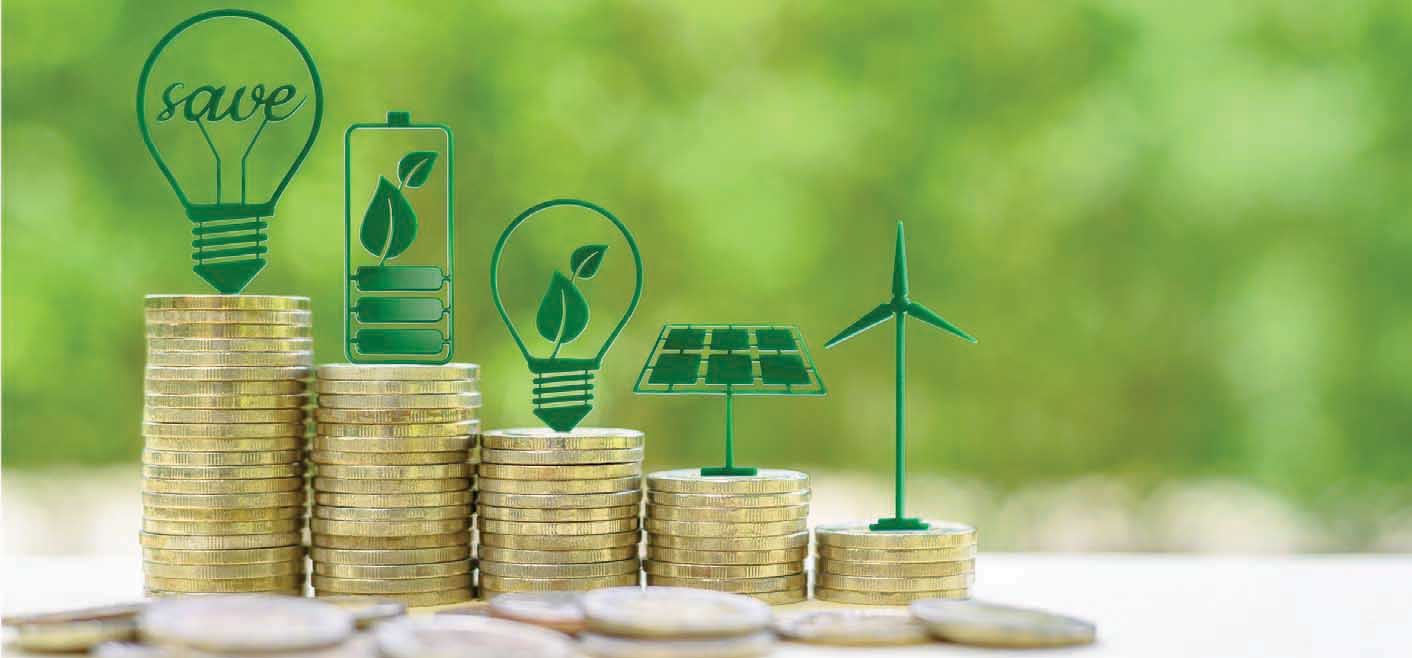
The move to renewable energy is no longer a distant dream, but a pressing reality. Governments and businesses worldwide are under increasing pressure to decrease carbon emissions and transition to renewable energy sources. However, financing the development of renewable energy plants is still a considerable difficulty. With large upfront expenditures and numerous risks involved, determining the best finance plan is critical. This is where project finance comes into play, offering a structured approach to financing large-scale renewable energy projects.
What is Project Finance?
Project finance is a method for structuring the funding of a capital-intensive project or asset. The majority of the funding is in the form of loans, which are returned primarily from the project’s cash flows. This strategy is commonly utilized for huge projects that require a significant amount of money up front. The project’s risks are shared by the stakeholders, typically via a special purpose vehicle (SPV), a distinct firm formed specifically for this project.
A well-known asset, usually organized as project finance, is a toll road that connects destinations A and B. The collected toll road fees are used to pay interest and repay the loan used to build the road. After debt payments are made, other investors (such as stock investors) will be compensated. In general, the project’s assets serve as security for the loan. This sort of financing is widespread in renewable energy projects because solar, wind, and energy storage projects are capital demanding and generate cashflow on their own.
Here’s a breakdown of the key concepts associated with project finance:
- Debt Repayment: The loans are primarily repaid from the income generated by the project.
- Risk Allocation: Risks are identified and shared among stakeholders at the project’s outset.
- Special Purpose Vehicle (SPV): A separate legal entity is often created to manage the project.
- Non-Recourse Finance: Lenders have limited recourse beyond the project’s assets.
While the terms “non-recourse finance” and “limited recourse finance” are often used interchangeably with project finance, true non-recourse finance is rare. In most cases, there is some recourse to the borrower or sponsor, such as guarantees or commitments to cover cost overruns.
Key risks to address include development, construction, operation, market, political, foreign exchange (if relevant), and legal hazards. The financing terms are heavily structured, with rigorous requirements designed to reduce the likelihood of failure or insolvency.
These risks are controlled under carefully structured terms that include covenants such as Debt Service Cover Ratios (DSCR), equity ratios, guarantees, and complete security packages.
Read Also: Essential Risk Management Strategies in Project Finance
Because renewable energy projects require a significant amount of capital, project financing is ideal. By arranging the funding primarily through debt, the quantity of equity required is lowered, making the project more financially viable. Furthermore, loan capital is often less expensive than equity.
The Evolution of Project Financing in Renewable Energy
Over the past few decades, the landscape of renewable energy project financing has evolved significantly. This evolution has been driven by various factors, including technological advancements, decreasing costs, and strong governmental support. Here are some key points in the evolution:
- Decreasing Costs: The cost of renewable energy projects, particularly wind and solar, has decreased dramatically due to technological advancements and economies of scale. Once installed, wind and solar energy have negligible fuel costs since their primary resources (wind and sunlight) are free.
- Government Support: Governments worldwide have set ambitious clean energy targets, providing subsidies and incentives to promote renewable energy projects.
- Investor Confidence: As developers gained experience and projects became more standardised, investor confidence grew, leading to increased investments in the sector.
According to BloombergNEF, global investment in the low-carbon energy transition surged by 17% in 2023, reaching $1.77 trillion. Additionally, global annual renewable capacity additions increased by almost 50% to nearly 510 GW in 2023, marking the fastest growth rate in two decades. The International Energy Agency (IEA) has also highlighted the need for significant action, urging governments to support the goal of tripling global renewable power capacity by 2030.
Investment Opportunities in Clean Energy
While wind and solar projects have become mainstream, new and alternative assets like energy storage, biogas, hydrogen, and waste-to-energy are gaining traction. Energy storage, in particular, is crucial for balancing supply and demand in renewable energy.
- Energy Storage Systems (ESS): Batteries and other storage technologies store excess energy generated by wind and solar farms, which can then be used when there is less wind or sunlight. This helps stabilise the grid and ensures a reliable energy supply.
- Biogas and Hydrogen: These emerging technologies are also becoming viable options for renewable energy projects. They offer different benefits, such as converting waste into energy or producing clean fuel.
Investing in these new technologies requires a deep understanding of their unique risks and business models. For instance, energy storage projects must consider regulatory risks, technology risks, and market dynamics.
Considerations and Challenges
Investing in renewable energy projects presents several challenges, including:
- Government Support: A less favourable support regime from governments can affect the profitability and viability of projects.
- Market Risks: Renewable energy projects often face market risks, such as fluctuating energy prices.
- Complex Business Models: Projects like battery energy storage, energy efficiency, and hydrogen have complex business models and technological risks.
According to the IEA Renewables 2023 report, challenges differ by country and fall into four main categories:
- Policy Uncertainties: Delayed policy responses to the new macroeconomic environment.
- Grid Infrastructure: Insufficient investment in grid infrastructure hinders the faster expansion of renewables.
- Administrative Barriers: Cumbersome permitting procedures and social acceptance issues.
Advances in technology, lower costs, and government assistance have fueled the growth of renewable energy project financing, enhancing investor confidence and global investment.
Future of Renewable Energy Financing
The future of renewable energy financing looks promising, albeit with challenges. Here’s a glimpse of what lies ahead:
- Mature Sector: As the sector matures, costs continue to decrease, making renewable energy projects more financially viable.
- Governmental Support: Strong governmental support schemes will remain crucial for the sector’s growth.
- Market Dynamics: The renewable energy market is becoming crowded, leading to squeezed margins. Developers must navigate cost inflation, geopolitical turbulence, and high-interest rates.
Despite these challenges, several milestones are expected over the next five years:
- In 2024, wind and solar PV will generate more electricity than hydropower.
- In 2025, renewables will surpass coal as the largest source of electricity generation.
- Wind and solar PV will each surpass nuclear electricity generation in 2025 and 2026, respectively.
- By 2028, renewable energy sources will account for over 42% of global electricity generation.
Under existing policies, global renewable capacity is forecast to reach 7,300 GW by 2028. However, to achieve the goal of tripling capacity by 2030, governments need to overcome current challenges and implement policies more quickly.
Bottomline
Renewable energy funding has undergone dramatic changes, owing to technology improvements, lower costs, and strong government support. As the sector evolves, project financing remains an important tool for funding large-scale renewable energy projects. Understanding the complexity and opportunities allows stakeholders to better navigate this changing terrain and contribute to a more sustainable future.


Comments