
 By
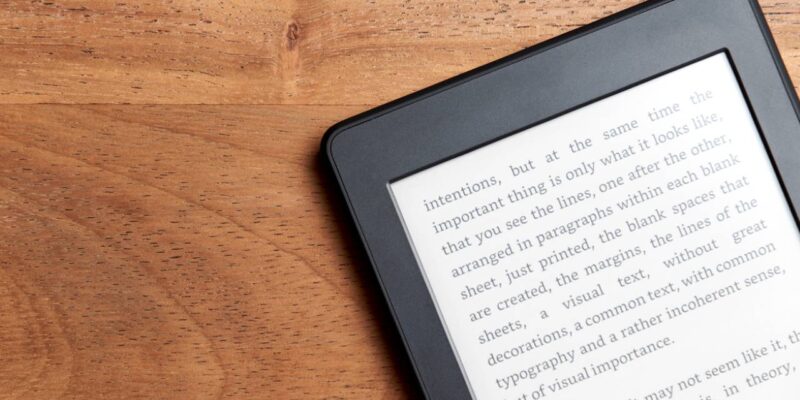
Repurposing unstructured text into clean, searchable digital asset books.
Old audio transcripts can become income-producing Kindle books and a mega income stream when you turn them into something readers can easily understand and use. Your interviews, workshops, podcast episodes, and recorded lessons may already contain the ideas for a practical guide.
The opportunity comes from doing the editorial work: choosing a useful subject, organising the material, updating the information, and giving the reader a clear reason to buy.
A transcript sitting in a folder earns nothing. A well-edited book can keep selling after the original recording has been forgotten.
Still, publishing does not guarantee sales. Building a meaningful income stream requires useful books, sensible production costs, and a repeatable way to reach readers.
Here is how to approach it.
Why Your Audio Archive May Be More Valuable Than You Think
People often explain things naturally when speaking. They tell stories, answer unexpected questions, and describe mistakes they would never include in a formal article.
That material can give a book personality.
Your archive might contain:
- Webinar questions that reveal what beginners struggle with.
- Interviews containing practical lessons from experienced professionals.
- Workshops with a clear teaching sequence.
- Podcast episodes exploring different parts of one problem.
- Your own recorded observations from years of work.
The challenge is separating useful knowledge from conversation that only made sense during the recording. Readers should not have to work through greetings, repeated explanations, or references to slides they cannot see.
Is There Still a Market for Books?
Yes, although a large market does not guarantee demand for your particular title.
The Association of American Publishers estimates that US publishing revenue reached $33.4 billion in 2025. Across the industry, e-book revenue increased 3.2% to $2.2 billion. These are publishing-market estimates, rather than a measure of typical KDP author earnings.
The UK Publishers Association reported £7.4 billion in publishing revenue for 2025. Consumer digital revenue rose 7% to £558 million, while consumer nonfiction revenue fell 3%.
That mixed picture matters: growth in digital reading does not mean every nonfiction subject is growing. Your job is to find a specific group of readers with a problem your material can help solve.
Turning Old Audio Transcripts Into a Mega Income Stream via Kindle Direct Publishing
1. Start With Material You Have the Right to Publish
Before editing, establish what you can legitimately reuse. Your own solo recordings are a sensible starting point, but employment agreements, client contracts, and previous publishing arrangements may affect your rights.
Interviews require particular care. Permission to record or publish a podcast should not simply be assumed to cover a commercial book.
For third-party material, obtain appropriate written permission covering the intended publication. The US Copyright Office explains that permission can be requested directly from the copyright owner; it also warns that there is no fixed number of words or percentage that automatically qualifies as fair use.
Keep a simple record:
| Material | What to establish before using it |
|---|---|
| Your solo webinar | Ownership and any employer or client restrictions |
| Guest interview | Rights to adapt and publish the contribution |
| Client discussion | Permission and treatment of confidential information |
| Licensed transcript | Whether the licence permits commercial book publication |
| Recording found online | Ownership and permission; public availability is insufficient |
Amazon makes publishers responsible for copyright, privacy, and other rights. Its guidelines specifically reject freely available copyrighted web content unless supplied by the copyright owner.
2. Choose One Reader and One Clear Book Idea
Do not begin by asking how many books you can extract. Ask which useful book the material supports.
Suppose you have ten recordings about freelancing. They may cover finding clients, writing proposals, pricing, invoicing, and managing difficult projects.
That archive could support a broad introduction. It might also support a stronger, narrower title:
“Writing Freelance Proposals: A Practical Guide for Your First Ten Clients.”
A focused promise makes the book easier to explain. Before choosing, examine competing books:
- Read their descriptions and sample pages.
- Look at recurring praise and complaints.
- Note the reader level they serve.
- Identify questions your experience can answer differently.
- Check whether your information remains current.
Use reviews to understand needs. Develop your own examples and explanations.
3. Turn the Transcript Into a Book People Enjoy Reading
Speaking and writing work differently. A speaker can repeat an idea for emphasis. On the page, the same repetition can feel like padding.
Consider this raw passage:
“So, what I normally say is, you know, before you send anything, just check what the client actually wants.”
A readable version might be:
“Before writing your proposal, confirm what the client wants to achieve.”
Then add the detail that makes the advice useful: questions to ask, a sample response, and a common mistake. A practical editing process looks like this:
| Stage | Main task |
|---|---|
| Transcript check | Correct names, figures, and misunderstood words against the audio |
| Structural edit | Arrange ideas in a logical order |
| Rewrite | Turn spoken explanations into readable chapters |
| Development | Add context, examples, exercises, and missing steps |
| Fact-check | Verify claims and update outdated information |
| Proofread | Correct remaining language and formatting errors |
Preserve the speaker’s useful stories and distinctive observations. Those are often the parts that make the book worth reading.
Read Also: Generating a Mega Income Stream from Automated TikTok and Instagram Reels Packages
4. Build Chapters Around Outcomes
A transcript archive usually follows recording dates. A book should follow the reader’s needs. For example, a workshop on small-business invoicing could become:
- Setting payment expectations.
- Preparing a clear invoice.
- Sending reminders.
- Handling disputed charges.
- Reviewing overdue accounts.
- Improving the process next month.
Remove phrases such as “as we discussed last Tuesday” or “look at this slide.” Where an explanation depends on a visual, provide the necessary illustration or rewrite the passage so it stands alone.
Finish each chapter with something useful: a short checklist, worked example, or action the reader can take.
5. Use AI Carefully and Keep Your Voice
AI tools can help identify repeated passages, suggest chapter groupings, and flag awkward sentences. They can also introduce errors or flatten an interesting voice into generic advice.
Check every substantive change against the recording and reliable sources.
Amazon distinguishes between AI-assisted and AI-generated content. It requires disclosure of AI-generated text, images, and translations, including generated material substantially edited afterwards. Tools used to refine content you created yourself fall under its AI-assisted definition.
Describe your actual process accurately when completing KDP’s questions. The final manuscript should sound like a knowledgeable person explaining something clearly.
6. Prepare the Book for Kindle
A clean manuscript needs a suitable cover, reliable navigation, and readable formatting. Before publishing:
- Use consistent chapter headings.
- Create a working table of contents.
- Check links and image quality.
- Preview the book at different text sizes.
- Make tables readable on small screens.
- Remove timestamps and transcription labels unless essential.
- Ensure the title and description match the contents.
Amazon’s quality standard is straightforward: books should provide “a positive customer experience.”
Choose a cover that communicates the subject at thumbnail size. A beautiful design that readers cannot interpret quickly may struggle to attract attention.
7. Understand KDP Royalties Before Setting Your Price
KDP offers 35% and 70% e-book royalty options, subject to eligibility requirements. Buyer location, applicable taxes, delivery costs, and other conditions affect the amount received.
As of November 2026, Amazon lists the US price range for its 70% option as $2.99–$12.99, following a change effective July 7, 2026. Older guides quoting a $9.99 upper limit are therefore outdated.
Use KDP’s royalty estimate for your actual file and marketplace. Price according to the book’s usefulness, competing titles, and reader expectations. Length alone is a poor guide to value.
What Could One Transcript-Based Book Earn?
Consider an illustrative launch for a book priced at $4.99. Assume an average royalty of $3.40 per paid sale. This is a planning assumption, not a universal KDP payout.
| Launch item | Amount |
|---|---|
| 500 paid sales × $3.40 | $1,700 royalties |
| Author time: 24 hours × $25 | $600 |
| Editing and proofreading | $350 |
| Cover design | $150 |
| Formatting and checks | $100 |
| Advertising | $300 |
| Tools and administration | $100 |
| Total costs | $1,600 |
| Surplus before tax and other overhead | $100 |
Under these assumptions, approximately 471 paid sales cover the listed costs. That is why royalties should never be confused with profit.
Future sales may improve the return because initial production costs have already been incurred. Advertising, updates, administration, and refunds can still affect earnings.
Build an Income Stream Through a Useful Catalogue
One book can establish the process. A coherent catalogue creates more opportunities for readers to find your work. For example:
| Hypothetical archive | Potential book |
|---|---|
| US freelancer workshops | A guide to proposals and client communication |
| UK management interviews | Practical lessons for first-time team leaders |
| Canadian photography recordings | A beginner’s guide to shooting in difficult light |
| Australian business webinars | A practical guide to organising weekly operations |
These are possible projects, not reported success stories.
At an assumed $3.40 royalty, ten books selling 150 copies each monthly would generate $5,100 in monthly royalties before expenses. Achieving those sales consistently would require demonstrated demand and effective promotion.
Expand when the first book provides evidence that readers value the approach.
Decide Whether KDP Select Fits Your Plans
KDP Select involves a 90-day enrolment period and digital exclusivity requirements for the e-book.
That matters if you also plan to distribute a substantially similar digital book through your website or another retailer. Review existing transcript downloads before enrolling, too.
Select may suit some titles; wider distribution may suit others.
Make the decision around your publishing rights, existing audience, and intended sales channels.
Final Thoughts
Your old recordings may contain useful ideas, memorable stories, and practical lessons that deserve a second life.
Start with one subject you know well. Confirm the rights, reshape the material around a reader’s needs, and publish a book you would be comfortable recommending personally.
A lasting KDP mega income stream grows from books people find useful—and a publishing process that leaves enough money after the work is paid for.
FAQ
1. Can I publish podcast transcripts on KDP?
Yes, if you hold the necessary rights and the finished book meets KDP’s requirements. Edit the material into a coherent reading experience and confirm permissions for guest contributions.
2. Can I use transcripts from other people’s videos?
Only where you have appropriate permission or another valid legal basis. Being able to watch or download a video does not establish commercial publishing rights.
3. How long should a transcript-based Kindle book be?
Long enough to fulfil its promise without repetition or padding. Let the subject and reader’s needs determine the length.
4. Is turning transcripts into books passive income?
It can generate ongoing royalties, but it requires substantial work first. Editing, fact-checking, design, promotion, and later updates all affect whether the project becomes profitable.
Source: AAP, kdp.amazon.com




Comments