
 By
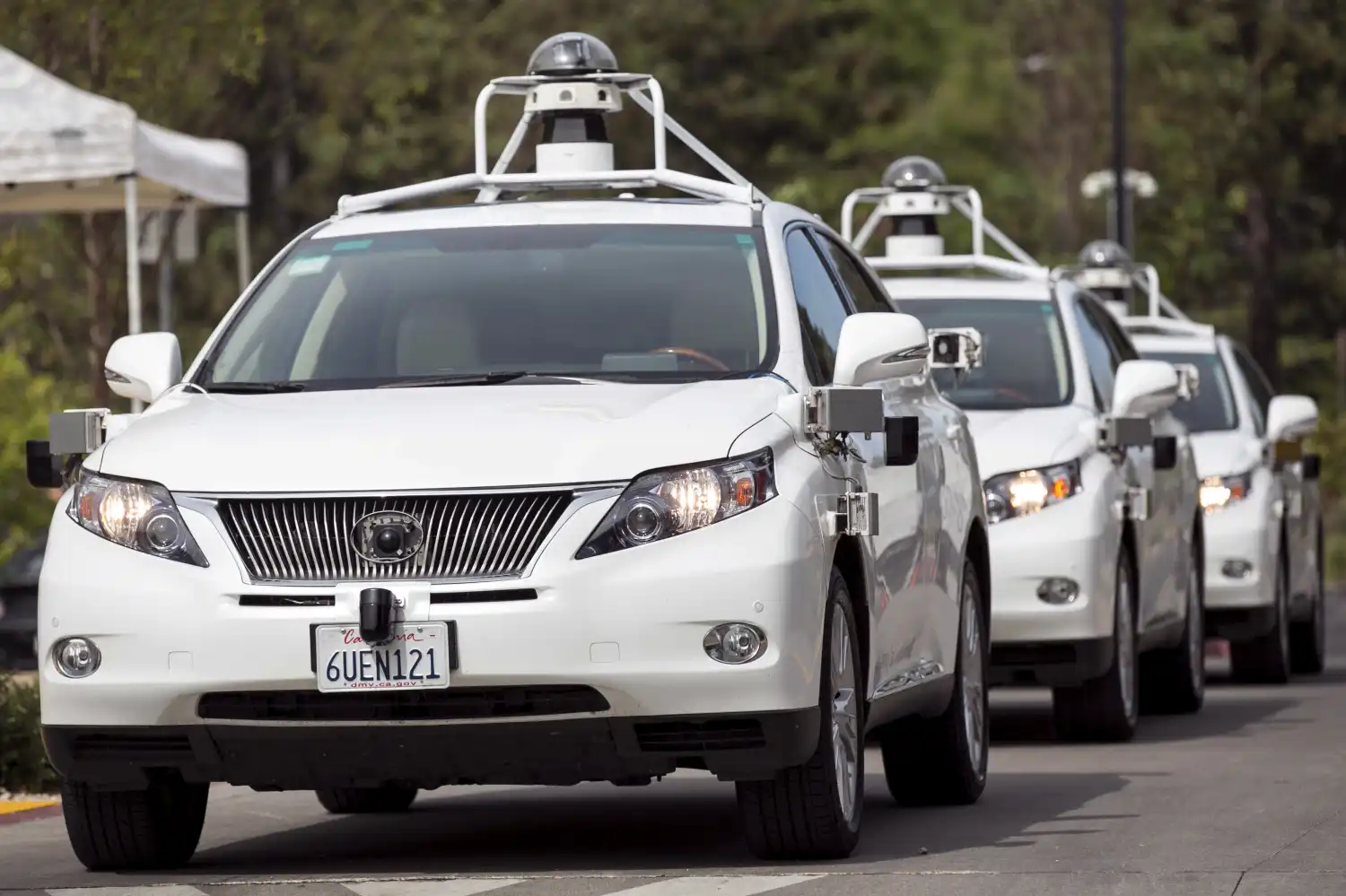
The adoption of autonomous vehicles (AVs) in the US is being molded by a disjointed, dual-layer policy approach in which state governments oversee operating regulations, licensing, and testing requirements, while federal authorities concentrate on safety standards and vehicle performance. A “patchwork” of laws characterizes this environment, with early adopter states speeding up testing while others upholding more stringent, driver-focused legislation.
Federal Policy Landscape
The U.S. federal government, primarily through the National Highway Traffic Safety Administration (NHTSA), focuses on establishing national safety standards to ensure uniformity.
- Voluntary Guidance: NHTSA provides voluntary guidance, such as the Framework for Automated Driving System Safety, encouraging manufacturers to share data through organizations like the Auto-ISAC to manage cyber threats and crash data.
- Safety & Accountability: Current policy initiatives, supported by industry groups like the Autonomous Vehicle Industry Association (AVIA), focus on creating federal policies for AV safety, transparency, and supply chain security.
- Regulatory Evolution: The federal government is working to modernize Federal Motor Vehicle Safety Standards (FMVSS) to accommodate vehicles without traditional controls like steering wheels or brake pedals.
State Policy and Regulation
States are the primary architects of AV deployment, with over 38 states having enacted legislation governing AV testing and operation.
- Early Adopter States (CA, AZ): California and Arizona are leaders in AV deployment. California has facilitated pilot programs for rideshare services, though it faces tension with local municipalities over regulation. Arizona has established a permissive environment, allowing for widespread testing and personal delivery devices.
- Operational Rules: State laws vary on requiring safety drivers, liability insurance, and the ability to operate in fully driverless modes (Level 4/5).
- Patchwork Challenges: The lack of a unified national framework creates challenges for developers operating across state lines, as they must comply with varying licensing and reporting requirements.
Key Policy Drivers and Trends
Several key factors are influencing the development of these policies:
- Safety and Data Sharing: Regulations are increasingly focused on requiring AV companies to share safety performance data, particularly following high-profile incidents.
- Cybersecurity: Policies are evolving to protect against cyber threats that could compromise user data or halt transportation networks.
- Infrastructure Integration: Governments are assessing how to integrate AVs with smart infrastructure, including traffic management systems and connectivity enhancements.
- Liability and Privacy: Key, still-evolving legal challenges include assigning liability between the human user and automated systems, as well as establishing ownership of data generated by AVs.
As of early 2026, policy is shifting toward accelerating American leadership in AV technology while balancing security concerns, with a focus on enhancing the capabilities of safety regulators.
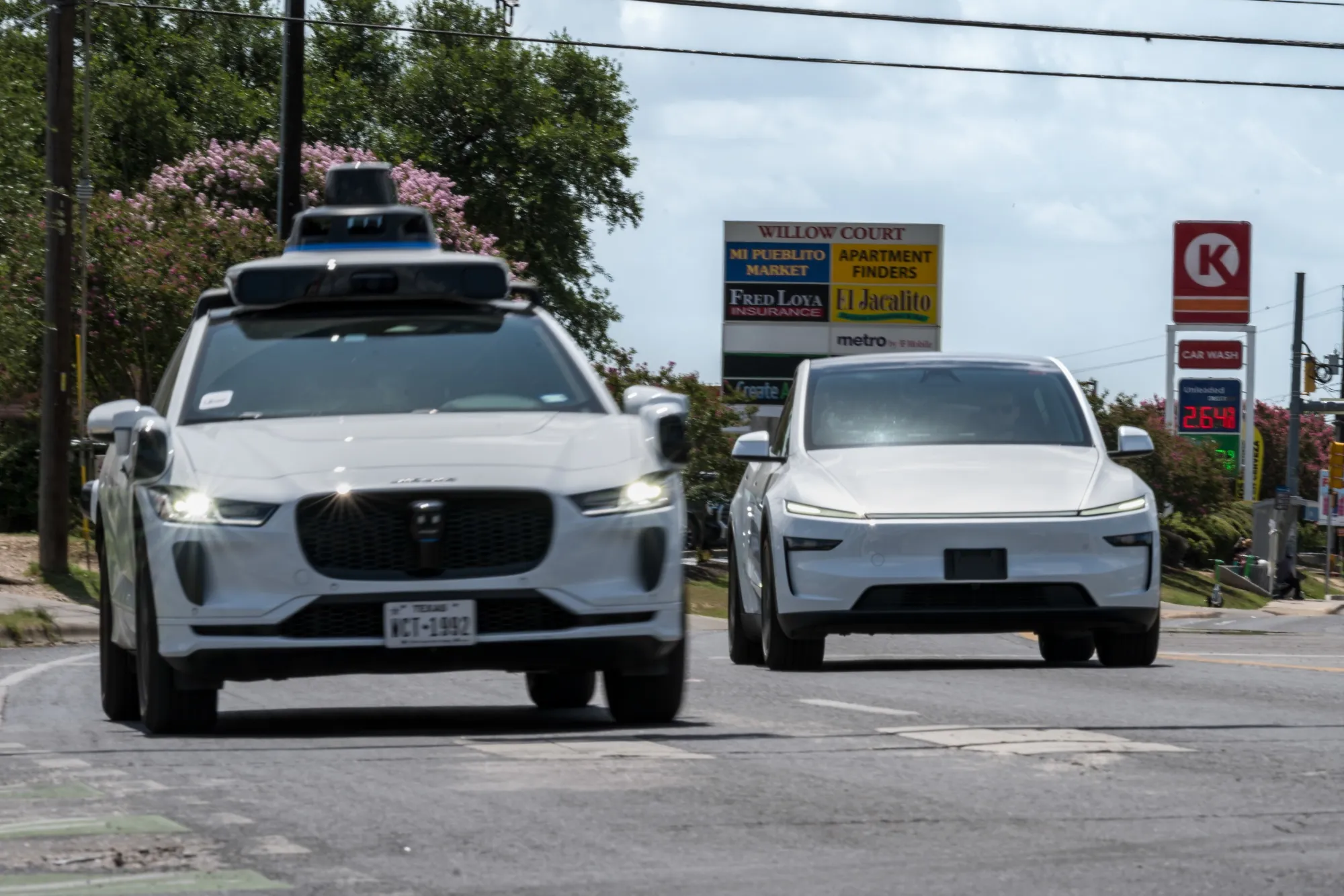
2025 was a pivotal year in the development of the autonomous car sector. In locations like Phoenix, San Francisco, and Austin, autonomous ridesharing deployments have expanded in terms of both fleet size and driverless miles. Announcements of planned deployments in 2026, notably in Dallas, Miami, and Nashville, have increased along with the number of testing locations. Driverless long-haul freight routes began in Texas.
The increased visibility of AVs across the country in urban areas, along with increased industry efforts for a federal regulatory framework, has likely contributed to the introduction of several federal legislative initiatives related to autonomous vehicles this year. Autonomous vehicles are currently governed by a patchwork of state-by-state requirements that can vary in permitting and commercial operation requirements, safety and data reporting standards, and expectations for interactions with law enforcement and emergency responders.
Read Also: Comparing Tesla, Waymo, and Cruise: Who’s Leading the Race?
As the geographic footprint of autonomous vehicles, both for rideshare and freight, expands in the upcoming year, there will likely be continued efforts from various stakeholders, including but not limited to city and state governments, the AV industry, labor groups, safety advocates, and the legacy automotive industry, to shape a potential federal regulatory framework.
The AV Accessibility Act, AV Safety Data Act, Autonomous Vehicle Acceleration Act, and AMERICA DRIVES Act are only a few of the numerous pieces of legislation pertaining to federal regulation of autonomous vehicles that were introduced in 2025. Rep. Greg Stanton (D-AZ) presented the AV Accessibility Act in July, which has industry backing and seeks for federal research to improve disabled people’s access to autonomous ridesharing along with rider safeguards. Rep. Kevin Mullin (D-CA) presented the AV Safety Data Act in July, which would mandate more data reporting to the National Highway Traffic Safety Administration (NHTSA), including information on vehicle miles traveled, injuries, encounters with law enforcement, and collisions.
In order to facilitate the quicker adoption of autonomous technology, Cynthia Lummis (R-WY) presented the Autonomous Vehicle Acceleration Act in May. It calls for revising the Federal Motor Vehicle Safety Standards (FMVSS) for vehicles equipped with Level 4 and 5 Automated Driving Systems (ADS). Rep. Vince Fong (R-CA) proposed the AMERICA DRIVES Act in July, which would grant Level 4 and 5 ADS commercial trucking federal preemption.
In 2026, stakeholders will be watching for the potential inclusion of autonomous vehicle language in surface transportation reauthorization. Chair Brett Guthrie (R-KY) said in June the House Energy and Commerce Committee is working on a motor vehicle safety title and is considering inclusion of AV policy. Rep. Bob Latta (R-OH) and Rep. Debbie Dingell (D-MI) are also reported to be working on an AV federal safety framework to include in reauthorization. Rep. Mullin is working with Rep. Latta to include the AV Safety Data Act in their wider framework.
Bipartisan efforts have been made to advance ADS deployments through legislation, but both parties have expressed worries about possible labor implications. A bill requiring safety drivers in ADS cars was written by Sen. Josh Hawley (R-MO), who voiced concerns about the impact on labor in September. Rep. Ro Khanna (D-CA) stated in November that “drivers are needed for safety, oversight, edge cases, & maintenance” and urged for regulations to safeguard long-distance and commercial truck drivers.
It will be crucial to see how ADS-related legislation might proceed on the Hill as surface transportation reauthorization progresses and on-road deployments, testing, and uses of autonomous cars grow in the coming year. Significant actions will also be taken by cities and states under their separate regulatory bodies. States and municipalities will probably continue to be crucial in the implementation of autonomous vehicles even with a possible federal framework, for example, by enforcing traffic safety regulations and granting licenses for automobiles and business operations.
Lawmakers on the Hill may be influenced by the effectiveness and reception of deployments in other states. As deployments and technology evolve, concerns about FMVSS upgrades, roadway safety, data sharing, labor integration, interstate commerce, and user access and experience may become more pressing at the federal and state levels.








Comments