
 By
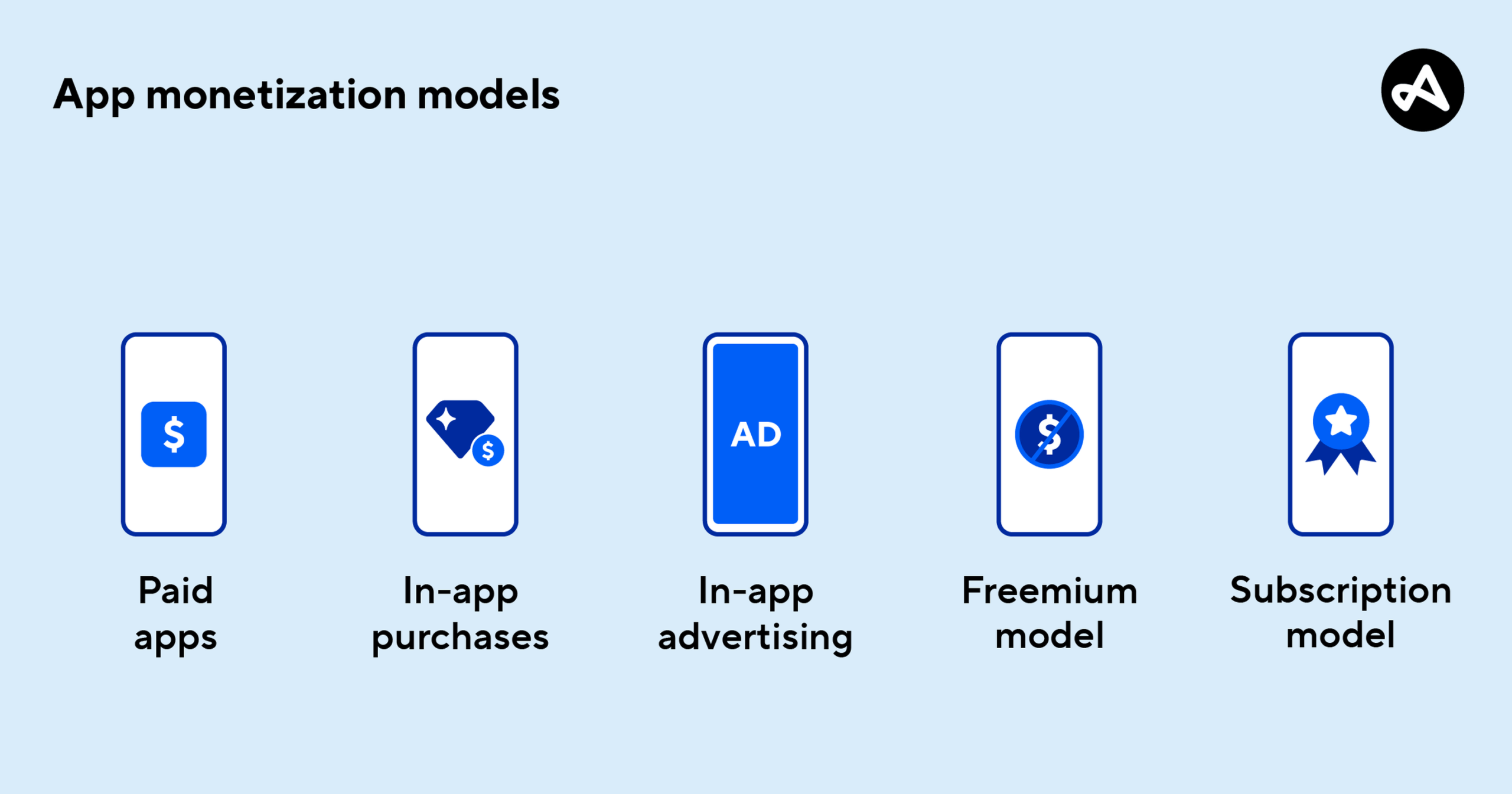
To choose the optimal monetization approach, it’s important to analyze your audience’s behavior, purchasing power, and pain concerns, as well as do extensive competitive research. Focus on a core revenue source (e.g., ads, affiliates, products) that corresponds to the content type of your niche, and supplement it with additional streams to ensure sustainability.
A monetization strategy is your game plan for turning a product, service, or platform into a reliable source of revenue. Think of it as the blueprint that outlines how your product will generate income — whether through subscriptions, one-time purchases, advertising, or other methods.
It’s not just about slapping a price tag on your product. It’s about aligning the way you make money with what your product does best and what your audience values most. And of course, the type of product will have a major impact. For example, when it comes to monetizing AI products, there are different ways of measuring usage.
In product management terms, a monetization strategy is where your product’s unique value proposition meets market demand in a sustainable and scalable way. Whether you’re launching a SaaS platform, a mobile app, or an eCommerce website, your monetization model shapes how you price your offerings and position your product to grow your customer base.
Key Strategies for Choosing Monetization:
- Analyze Your Audience: Determine if your audience has high purchasing intent (B2B, specialized hobbies) or low purchasing power (teenagers, entertainment), which dictates whether you should focus on premium products or ads/sponsorships.
- Match Content Type: Educational content fits well with courses/e-books, while high-traffic blogs favor display ads and affiliates. Specific, passionate niches (e.g., fishing drones) excel with high-ticket affiliate products.
- Prioritize One Main Stream: Avoid diluting your brand by trying everything. Choose one “gold offer” or primary, high-revenue stream (e.g., a, paid newsletter) that matches your niche’s best, and build it up.
- Explore Options:
- Affiliate Marketing: Best for review-based sites.
- Display Ads: Best for high-traffic, informational, or news-based niches.
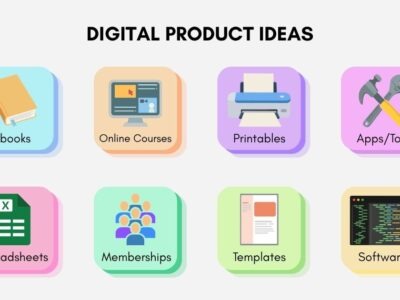
- Digital Products/Courses: Best for expert, educational, or specialized content.
- Memberships/Subscriptions: Best for loyal, engaged communities.
- Test and Iterate: Start with an initial strategy, monitor performance, and refine based on audience engagement, as successful, long-term monetization often involves a blend of strategies.
Monetization Strategy Examples That Work
1. Subscription Model
The subscription model creates a steady flow of recurring revenue by charging customers at regular intervals (monthly, quarterly, or annually). It’s ideal for products that provide ongoing value, such as SaaS platforms, content streaming services, or fitness and wellness apps.
The reason it works is this model leverages user retention to drive consistent revenue while creating opportunities to deepen customer relationships through additional offerings.
Here are examples of a good fit:
- SaaS tools like Slack or Adobe Creative Cloud.
- Content platforms like Netflix or Spotify.
- Health and wellness apps with guided workouts or meal plans.
Practical tips for success:
- Offer flexible product pricing plans tailored to different user segments.
- Regularly communicate updates and add value to keep subscribers engaged.
- Use product analytics to identify users at risk of churning and engage them proactively.
- Provide a free trial option so that potential new customers can experience the product’s full potential.
2. Freemium Model
Freemium strategies provide a free version of your product to attract a large user base. The goal is to monetize through premium features, advanced tools, or additional services.
The freemium model reduces barriers to entry and allows users to experience the product’s value before committing to a paid plan. Growth loops within the product itself encourage engagement that, in turn, converts into steady revenue.
Here are a few examples of a good fit:
- Productivity tools like Trello or Evernote.
- Communication apps like Zoom.
- Digital entertainment platforms offering exclusive content.
Practical tips for success:
- Design premium features that solve specific pain points for your audience.
- Use feature restrictions or limits (e.g., storage, team size) to motivate upgrades.
- Optimize your product experience to highlight the value of the premium tier.
3. Advertising Model
The advertising model monetizes products by selling ad space to businesses looking to reach your audience. Revenue comes from impressions, clicks, or conversions.
This model thrives on high-traffic platforms where advertisers are willing to pay to access a well-defined audience.
Examples of good fit:
- Content-heavy websites like blogs or news outlets.
- Social media platforms like Facebook or Instagram.
- Free apps and games supported by ad revenue.
Practical tips for success:
- Use ad formats that blend seamlessly with your product (e.g., native ads).
- Test placements to balance visibility and user experience.
- Focus on advertisers aligned with your audience’s interests for better engagement.
4. Affiliate Marketing
Affiliate marketing involves promoting third-party products or services and earning a commission for sales or leads generated through your referral.
Read Also: The Pros and Cons of Different Digital Monetization Models
This monetization strategy is a low-risk way to earn passive income while adding value to your audience through curated recommendations.
Examples of good fit:
- Niche blogs or websites with a loyal readership.
- Influencers on social media or YouTube.
- Apps or platforms offering partner integrations.
Practical tips for success:
- Promote products you’ve personally tested to build trust.
- Use analytics tools to monitor performance and optimize campaigns.
- Diversify your affiliate partnerships to reduce reliance on a single source.
5. Pay-Per-Use Model
This monetization strategy framework charges customers based on the frequency or volume of product usage. It’s a flexible model often used for cloud services or consumption-based platforms.
The pay-per-use model appeals to users who prefer to pay only for what they need. This makes it especially effective for businesses with variable demands.
Examples of good fit:
- Cloud storage platforms like AWS or Google Cloud.
- Utility services like ride-sharing apps.
- Media platforms offering pay-per-view content.
Practical tips for success:
- Provide upfront cost estimates and tools for users to calculate expenses.
- Set usage caps or offer notifications to avoid bill shock.
- Bundle usage tiers for frequent users to increase loyalty.
6. Licensing
Licensing is one of the monetization methods that allows you to monetize products by granting third parties the rights to use your intellectual property (IP), such as software, designs, or trademarks.
This strategy maximizes the value of your IP by enabling others to leverage it in their own offerings. This creates passive income opportunities.
Examples of good fit:
- Software tools offered to enterprise clients.
- Patented technologies in hardware or manufacturing.
- Content licensing for use in marketing campaigns.
Practical tips for success:
- Research industry benchmarks to price your licenses effectively.
- Create clear contracts outlining permitted uses and restrictions.
- Offer tiered licensing options to attract a range of clients.
7. In-App Purchases
In-app purchases allow users to buy additional features, content, or virtual goods directly within your app. It’s a highly effective product monetization strategy for mobile games, productivity apps, and digital tools.
This technique capitalizes on product engagement by offering convenience and instant gratification, which drives revenue without requiring a large upfront cost.
Examples of good fit:
- Mobile games with cosmetic items or extra levels.
- Apps offering premium features or additional tools.
- Content platforms unlocking exclusive material.
Practical tips for success:
- Use non-intrusive prompts and highlight the value of in-app purchases.
- Offer bundles or discounts to incentivize larger purchases.
- Continuously release new content to keep users engaged.
Conclusion
Navigating product monetization necessitates selecting a revenue model and sticking with it. However, it is also important to identify your target audience, align plans with your product’s value, and adapt to your market segment.
By implementing tried-and-true monetization tactics, avoiding common pitfalls, and addressing these issues, you may position your product for long-term financial success and consumer loyalty.
Remember, the objective is to strike the correct mix between long-term revenue growth and excellent value. Make intelligent choices, test properly, and always keep your users in mind when making judgments








Comments