
 By
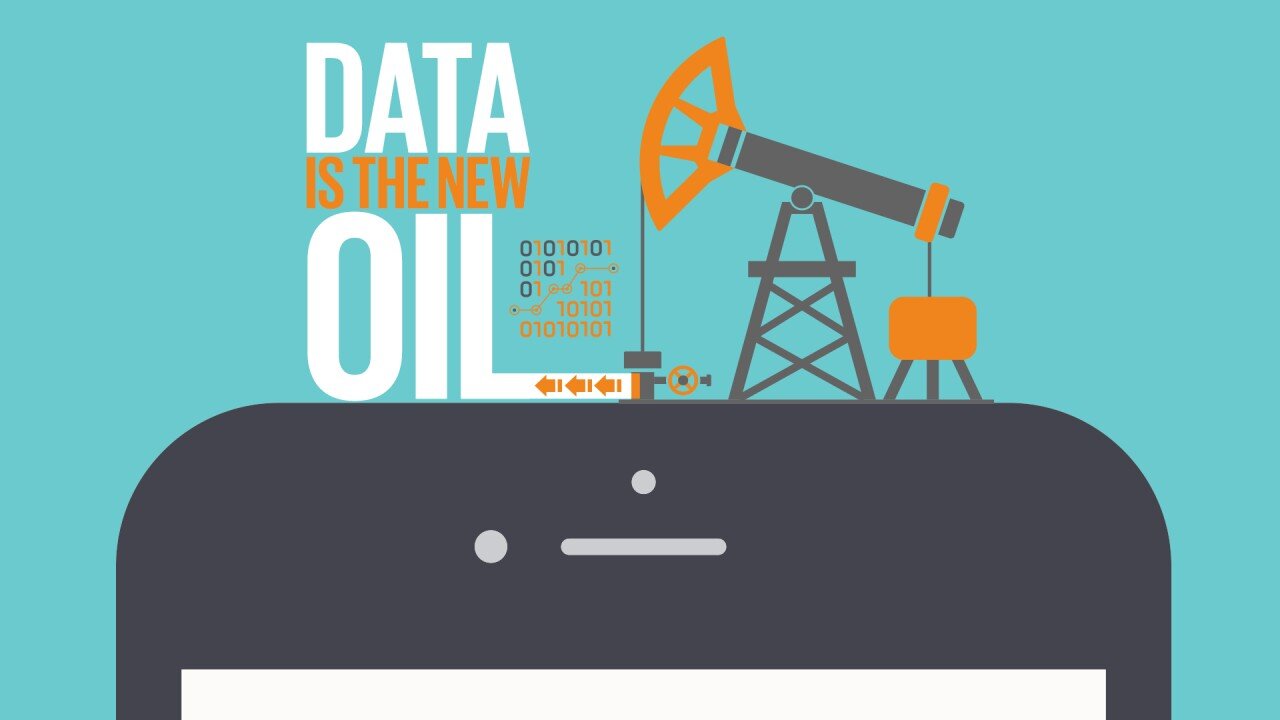
Data is referred to as the “new oil” because, like crude oil, it is a valuable raw material that needs to be refined in order to reach its full potential and power the contemporary economy. The comparison emphasizes how both need to be treated in order to be useful: raw data must be cleansed, examined, and processed in order to produce insightful information, customized services, and novel ideas; oil must be refined into gasoline and other products. Because of this, data is essential for both economic expansion and a competitive edge in the digital era.
How data is like oil
- Unrefined value: In its raw form, data is not directly useful. It needs to be collected and processed, just as crude oil must be extracted and refined.
- Requires processing: To gain value, raw data must be “refined” through cleaning, organizing, and analyzing it to extract actionable insights.
- Drives innovation: Just as oil fueled the industrial revolution, data powers the digital economy by driving innovations like artificial intelligence (AI), machine learning, and predictive analytics.
- Creates new products and services: Refined data is used to create new products and services, such as personalized recommendations from companies like Amazon or targeted advertising.
- Generates economic value: Companies that effectively harness and analyze their data gain a significant competitive advantage, leading to better decision-making, customer acquisition, and retention.
The refinement process
- Cleaning and processing: This involves cleaning, structuring, and organizing large datasets to make them usable.
- Analysis: Advanced analytics and machine learning are used to identify patterns, trends, and correlations within the data.
- Application: The insights gained from this process are applied to various fields to solve problems and create value. Examples include:
- Retail: Optimizing inventory and personalizing customer experiences.
- Healthcare: Predicting disease outbreaks and creating personalized medicine.
- Finance: Detecting fraud and managing credit risk.
A key difference
- A key difference is that data is not a finite resource like oil; it can continue to be generated and create new value.
- However, the “data is the new oil” analogy has limitations, as data is not property in the same way oil is, leading to complex ethical and privacy considerations regarding its ownership and use, notes The Health Foundation.
Concept of Data as the New Oil
As a precious and potent resource, data has emerged as the new oil in today’s digital world.
Data has developed into a priceless resource in the current digital era and is frequently referred to as the “new oil.” Data is now a key component of innovation, decision-making, and economic expansion, just as oil has been an essential resource that has driven economies and businesses.
Data is the Foundation of the Digital Age
Data is at the heart of the digital age. The exponential growth of data in recent years, fueled by advancements in technology and the proliferation of connected devices, has transformed the way we live, work, and interact. Data is generated from various sources, including social media, e-commerce, healthcare, finance, logistics, and more. This data is collected, stored, processed, and analyzed to extract insights, trends, and patterns that drive innovation and decision making.
Data is a Strategic Asset
Data is no longer just a byproduct of business operations; it is now recognized as a strategic asset. Organizations that effectively capture, manage, and analyze data gain a competitive advantage over their peers. Data enables organizations to understand customer behavior, optimize operations, identify market trends, and make data-driven decisions. It helps businesses stay agile, adapt to changing market dynamics, and drive growth. Data also plays a crucial role in shaping business strategies, product development, and customer engagement.
Data is the Key to Innovation
Data is a powerful driver of innovation. It fuels the development of new technologies, products, and services. Organizations leverage data to uncover insights, identify gaps, and discover opportunities. Data-driven innovation has led to breakthroughs in fields such as artificial intelligence, machine learning, big data analytics, and the Internet of Things (IoT). Companies like Google, Amazon, and Netflix have leveraged data to disrupt traditional business models and create new markets.
Data Enhances Decision Making
Data provides the foundation for informed decision making. Organizations use data to analyze past performance, monitor current operations, and predict future outcomes. Data-driven decision making minimizes guesswork, reduces risks, and leads to better outcomes. Data enables organizations to identify patterns, trends, and correlations that would be otherwise difficult to uncover. It helps organizations make strategic, tactical, and operational decisions with greater precision and confidence.
Data Drives Personalization and Customer Experience
Data plays a crucial role in delivering personalized experiences to customers. Organizations collect and analyze customer data to understand their preferences, behavior, and needs. This data is used to personalize products, services, and marketing campaigns, leading to enhanced customer engagement, loyalty, and satisfaction. Data-driven personalization allows organizations to create targeted marketing campaigns, offer customized products and services, and build lasting customer relationships.
Data Supports Compliance and Risk Management
Data is vital for compliance and risk management. Organizations need to manage data in accordance with applicable laws, regulations, and industry standards. Data is used to identify potential risks, assess their impact, and implement appropriate risk mitigation measures. Data management practices, such as data encryption, access controls, and data backups, are critical to protect sensitive information and mitigate data breaches and other security risks.
Data has Economic and Social Impact
Data has significant economic and social impact. Data-driven initiatives and policies have the potential to drive economic growth, create jobs, and improve outcomes in various domains. Data is used to address social challenges such as healthcare, education, climate change, poverty, and more. Data-driven approaches can inform policy decisions, drive positive change, and improve the lives of people worldwide.
The Value of Data
Because, like oil, data must be harvested, purified, and used efficiently in order to reach its full potential, it is frequently referred to as the “new oil.” The insights and opportunities that can be obtained via appropriate analysis and implementation are what make it valuable.
Businesses now have access to previously unheard-of volumes of data produced by market trends, client interactions, and operational procedures. This abundance of data may stimulate innovation, improve client experiences, and guide strategy. Businesses are discovering that the capacity to evaluate and comprehend data is turning into a critical skill that sets successful companies apart from their rivals as they increasingly embrace data-driven decision-making.
The Economic Impact of Data
The economic implications of data are profound. Nations and companies that efficiently leverage data can achieve significant competitive advantages. Data-driven insights allow businesses to optimize operations, reduce costs, and improve product offerings. For instance, predictive analytics can help companies anticipate customer needs, allowing them to tailor their services and products proactively rather than reactively.
Read Also: How to Sell Your Data: A Step-by-Step Guide
According to various reports, sectors that embrace data analytics exceed their competitors in growth and revenue generation. Industries such as finance, healthcare, and retail have capitalized on data to innovate services and enhance customer satisfaction, demonstrating that data is indeed a key driver of modern economic success. Furthermore, the rise of artificial intelligence and machine learning has accelerated the pace at which data can be processed and analyzed, enabling even small businesses to harness sophisticated analytical tools that were once the domain of large corporations.
Data as a Commodity
Understanding data as a commodity emphasizes its value in the marketplace. Just as oil was traded, companies are now introducing data marketplaces where organizations can buy, sell, and trade data sets. This burgeoning ecosystem presents opportunities not only for profit generation but also for collaboration and innovation. For example, companies can share anonymized data to enhance research and development efforts, leading to breakthroughs in various fields, from pharmaceuticals to technology.
However, this commodification raises concerns regarding ownership, consent, and ethical considerations surrounding data usage. As organizations navigate this new landscape, establishing clear guidelines and practices around data transactions becomes imperative. The challenge lies in balancing the potential for economic gain with the responsibility to protect individual privacy and ensure that data is used ethically. As regulations evolve, such as the General Data Protection Regulation (GDPR) in Europe, businesses must remain vigilant in their compliance efforts while also fostering a culture of transparency and trust with their customers. This dual focus on innovation and ethics will be crucial in shaping the future of data as a commodity.
Data in Business
The growth of data consumption has drastically changed the business landscape. What was formerly thought of as a byproduct of corporate operations is now essential to strategic planning and decision-making procedures.
Businesses may now swiftly handle enormous volumes of data and obtain previously unreachable actionable insights thanks to the development of advanced analytics and machine learning technology. Big data technology integration has made it possible for businesses to access unstructured data from social media, IoT devices, and consumer interactions in addition to traditional sources, giving them a more comprehensive understanding of their operations and market dynamics.
The Rise of Data-Driven Decision Making
Data-driven decision making represents a shift from intuitive or experience-based approaches to more systematic and evidence-based strategies. By harnessing data analytics, organizations can make informed choices that enhance performance and mitigate risks. This shift has been particularly significant in industries such as finance, healthcare, and retail, where the stakes are high and the margin for error is slim.
This approach is not just applicable to multinational corporations; even small businesses are utilizing data to tailor operations, improve marketing efforts, and better understand customer behavior. The democratization of data analytics tools has empowered organizations of all sizes to reap the benefits of data. Cloud-based analytics platforms, for instance, have made it feasible for startups to access sophisticated data analysis without the need for extensive IT infrastructure, leveling the playing field in competitive markets.
Data and Competitive Advantage
Organizations that embrace data not only secure a competitive edge but also foster a culture of continuous improvement and innovation. The use of data allows businesses to identify trends, predict customer behavior, and tailor their offerings accordingly. This proactive stance is essential in today’s fast-paced market, where consumer preferences can shift overnight.
For example, companies that analyze purchasing patterns can develop targeted marketing strategies that resonate with their audience. This kind of proactive approach translates into higher customer satisfaction and retention rates, ultimately driving profitability. Furthermore, data-driven insights can lead to operational efficiencies, such as optimizing supply chain logistics or refining product development cycles, which not only reduce costs but also enhance the overall customer experience. As organizations continue to refine their data strategies, the potential for innovation and growth becomes virtually limitless, underscoring the critical role of data in shaping the future of business.
The Role of Data in Innovation
In many different businesses, data serves as a catalyst for innovation. Businesses can find insights that result in the creation of new products, better services, and improved user experiences by analyzing massive datasets.
Additionally, data facilitates teamwork by offering a shared framework for comprehending consumer preferences and market dynamics, allowing for flexible approaches in product development and innovation cycles.
Data-Driven Innovations in Various Industries
- Healthcare: Data analytics is transforming patient care through predictive modeling, personalized medicine, and efficient resource allocation.
- Retail: Retailers use data to optimize inventory, customize marketing efforts, and enhance customer experiences through data-driven insights.
- Manufacturing: Predictive maintenance and supply chain optimization illustrated through real-time data analysis lead to improved operational efficiency.
- Finance: Risk assessment and fraud detection have been revolutionized by leveraging big data analytics for more informed decision-making.
The Future of Data in Innovation
The future landscape of innovation in data is poised for further advancements with the integration of artificial intelligence and machine learning. These technologies will enhance the ability to harness data for predictive analysis, automation, and deeper insights.
Furthermore, we expect to see a greater push towards open data initiatives, where organizations share datasets with the broader community, fueling collaborative innovation and allowing more stakeholders to contribute to development efforts.
As industries increasingly adopt data-driven strategies, the ethical considerations surrounding data privacy and security will also come to the forefront. Companies must navigate the delicate balance between leveraging data for innovation and protecting consumer rights, ensuring transparency and trust in their data practices. This evolving landscape will require robust frameworks and regulations to safeguard sensitive information while still fostering an environment ripe for innovation.
Additionally, the rise of the Internet of Things (IoT) is set to amplify the role of data in innovation. With more devices connected than ever before, the volume of data generated will provide unprecedented opportunities for businesses to gain insights into consumer behavior and operational efficiencies. This interconnectedness will not only enhance existing products but also pave the way for entirely new business models that capitalize on real-time data analytics and user engagement.
Data Privacy and Security Concerns
Concerns about data security and privacy are growing along with our reliance on data. Information misuse has the potential to have serious repercussions for companies, society as a whole, and individuals. Prominent data breaches have garnered media attention, underscoring the weaknesses present in even the safest systems. These occurrences serve as sobering reminders of the necessity of ongoing security practice development and the significance of vigilance in data management.
Amidst the escalating concerns of cybercrime and data breaches, organizations must traverse a complicated landscape of legislation and ethical considerations while making sure they protect sensitive information. In addition to being required by law, adherence to regulations like the California Consumer Privacy Act (CCPA) and the General Data Protection Regulation (GDPR) is essential to a responsible data governance approach. Businesses who don’t comply risk severe fines and legal ramifications, which highlights the importance of taking a proactive approach to data privacy.
Importance of Data Protection
To keep clients’ confidence and loyalty, data protection is essential. Organizations run the danger of losing important client connections and harming their brand if they don’t implement strong data security procedures. The foundation of customer engagement is trust; customers are more inclined to stick with a brand and recommend it to others when they feel safe throughout transactions and interactions. On the other hand, a single data breach may result in a substantial decline in consumer trust that may take years to recover.
Businesses must have strict security measures in place, including as encryption, access controls, and frequent audits, to reduce risks. To avoid unintentional data breaches or leaks, it is also essential to cultivate a culture of data security awareness among staff members. Employees can identify such threats and react correctly with the use of training programs that stress the significance of data security and simulated phishing exercises. In addition to safeguarding private data, this proactive strategy enables staff members to act as the first line of defense against online attacks.
Balancing Data Utilization and Privacy
For businesses today, striking a balance between protecting privacy and optimizing data utility is a major challenge. In order to incorporate data protection into the creation of their procedures and technology, businesses are progressively implementing privacy-by-design principles. By ensuring that privacy issues are integrated from the beginning of product development, this method not only protects user data but also improves the entire user experience.
Additionally, open and honest communication with consumers regarding the collection and use of their data can boost trust and enable businesses to use data more efficiently while upholding individual privacy rights. Customers can be empowered to make knowledgeable decisions about their information by being transparent about data-sharing methods, providing opt-in and opt-out options, and having clear privacy rules. In addition to building trust, this transparency can help a brand stand out in a crowded market because customers are increasingly favoring businesses that show a dedication to ethical data practices.
Future of Data as the New Oil
Forecasts about data’s future point to its growing importance in economic models and commercial strategy. Organizations must change as data volume and velocity increase in order to successfully traverse this environment.
Businesses may use data to promote development, innovation, and better customer experiences through automation, advanced analytics, and a focus on responsible data usage.
Predictions for the Data Economy
Experts predict that the data economy will continue to expand, with significant investments in data infrastructure, analytics capabilities, and talent. The development of data-driven tools will enable businesses to make smarter decisions at a faster pace.
Moreover, the collaborative consumption of data will become more prevalent, as organizations realize the value of shared insights to foster collective innovation, ultimately benefiting society as a whole.
Preparing for a Data-Driven Future
To thrive in a data-driven future, organizations must cultivate a data-centric culture where data literacy is emphasized at all levels. Empowering employees with the skills to analyze and interpret data ensures that businesses can capitalize on insights and foster innovation.
Investment in technology and continuous learning will be essential as organizations strive to maintain relevance in an evolving marketplace. By proactively adapting to changes, businesses can guarantee their sustainable success in the data economy.
Why is Data Maturity Important?
An company that is data mature has the advantage of being able to recognize and respond to dangers before they materialize and become catastrophic, as well as quickly discover opportunities that allow them to take advantage of them. Opportunities are many in a dynamic market. However, you can be frustrated to find a window of opportunity just as it is closing if your company isn’t prepared to recognize and respond to these openings. It’s hard to accept the regret of realizing a lost chance after it’s too late to take action.
This type of regret is frequently avoided in a data-mature organization. Organizations can leverage their current data to find possibilities early on and get ready for them by utilizing predictive analytics. Additionally, data maturity enables businesses to foresee possible risks, such a quarter of the year when sales are predicted to decline. They have more time to address any problems as a result.
Very sophisticated companies may even reach a stage in their data maturity journey where they successfully use AI technology to data analysis, enabling improved data insights that can identify possible problems well in advance of their natural discovery.
Additionally, businesses with established data procedures are given a competitive edge. Prominent companies understand that they need to become the best option available in order to set themselves apart from their rivals. In order to do this, some companies have discovered ways to go beyond merely utilizing data to enhance their core functions and have dared to develop completely new and enhanced business models.











Comments