
 By
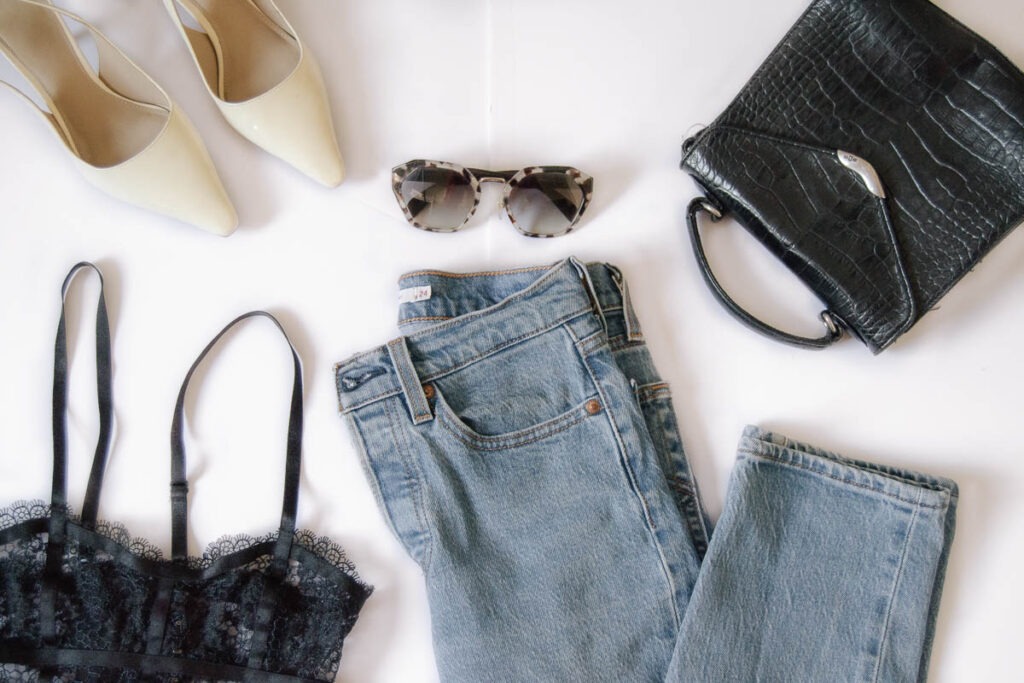
By concentrating on timeless elements that are consistently in style, such as neutral hues and classic silhouettes, a business may invest in timeless styles that give longevity, sophistication, and client loyalty. Fashion trends are riskier for a business since, although thrilling, they are fleeting and demand ongoing investment to stay current. Stability and novelty can be appealed to with a well-balanced strategy that combines classic core pieces with well-chosen, modern accessories or limited-edition goods.
What is a Trend?
What’s trendy or hot at a certain moment is called a trend, and it typically relates to a particular fashion or entertainment style. Therefore, a trend just represents what appears to be popular at any one moment. A trend can be found in any field and is not limited to pop culture, entertainment, or fashion. Other fashion trends depend on specific demographics. This is frequently observed when musicians or movie stars dress in a particular way. There are certain trends that immediately identify the time period or even the year!
Some of us have such vivid, memorable memories of them that we can even recall the music or television program we were engrossed in. The success of celebrities is essential to this kind of fashion. Fashion trends evolve along with celebrities when their preferences shift or new stars enter the spotlight. Events in the world can also affect fashion.
No matter how long a trend lasts, a new one will always emerge to replace the old one. Some trends are entertaining, some are amazing, and some are terrible.
“Short-lived” is the simplest way to describe a fad. Although they can last less than a month, fads usually last for one season. Fashion decisions influenced by novelty are called fads. The simplest alliteration to help you remember a fad is “fads fade.” While following fads might be enjoyable, it’s usually not worth spending a lot of money or effort on them. Fads don’t last as long as trends do. They can actually stay in style for years or even decades. Trends have the potential to have a lasting impact on the market, which is the main distinction between them and fads. Furthermore, modified classics are frequently a part of trends.
What is a Timeless Classic?
Classic pieces are nearly impossible to miss and difficult to ignore. Classic pieces have a timeless quality that cannot be disputed. Classic objects frequently become heirlooms and are occasionally something that will be handed down through the generations. Regardless of age, decade, or current fashion, classic pieces will endure and look good on nearly everyone. Classics never go out of style.

Many women and fashion analysts regard the little black dress to be a must-have piece for any wardrobe, believing it is a fashion rule that every woman should own a basic, sophisticated black dress that can be dressed up or down for any given event. You may dress it up with more elaborate jewelry and accessories for the evening or keep it simple with ballet flats or a traditional business attire with a jacket and heels. Since it is intended to be a wardrobe mainstay for many years, the little black dress should preferably have a simple design.

A timeless piece of clothing that is incredibly adaptable, incredibly reasonably priced, and a mainstay in almost every woman’s closet, the white shirt has the potential to be neglected. This article of apparel is actually steeped in cultural history, and its evolution into the present day reflects significant social shifts. By the early 1900s, the expanding office worker class had adopted linen collars as their status insignia, which came in a range of styles. Although it’s clear that we’ve gone a long way since shirts were such a symbol of wealth, the white shirt still has status and class associations today.
How to Navigate Fashion Cycles Mindfully
Fashion is a dance between ephemeral fads and timeless styles. While classic pieces provide us with a sense of calm and dependability, trends also encourage us to experiment and reinvent. I’ve worked as a stylist for years, and I can attest to the need of finding a balance between the two—celebrating the thrill of trends while making well-considered, long-lasting decisions.
Read Also: Breaking Into Sustainable Fashion Industry: A Complete Guide
Here are some tips for mindfully navigating the swift currents of fashion cycles.
1. The Case for Timeless Style
Timeless pieces aren’t just clothes—they’re investments in ease, confidence, and longevity. These items have a certain quiet power: they transcend seasons, adapt effortlessly to changing tastes, and require no second-guessing when you’re in a rush.
How to Spot Timeless Pieces:
- Fabric: Look for natural, durable materials like wool, silk, or linen. They age gracefully and often improve over time.
- Fit: Clean lines and well-tailored silhouettes stand the test of time. Think structured blazers, perfectly cut trousers, or a flattering slip dress.
- Color Palette: Neutral shades like black, navy, cream, and brown remain versatile and elegant.
These are the pieces that serve as your wardrobe’s foundation. They work hard for you, creating a canvas to layer in trendier moments.
2. The Allure of Trends
Trends have a place in every wardrobe. They keep fashion exciting, allowing us to experiment and express different facets of ourselves. The key is knowing when to indulge and when to pass.
Mindful Trend-Tasting:
- Pick One or Two: Choose a trend that genuinely excites you and complements your personal style. Not every trend will align with who you are, and that’s okay.
- Avoid Over-Commitment: Instead of going all-in on a fleeting style, opt for small touches—a patterned scarf, bold earrings, or a fun pair of shoes can be just enough to nod to a trend without feeling overdone.
- Prioritize Wearability: Ask yourself if the item will work with your existing wardrobe. A Bottega green may be striking, but will you wear it more than one season?
3. Styling the Balance
The beauty of combining timeless and trendy is that they enhance one another. Here’s how to make it work:
- Start with Timeless Basics: Begin your outfit with pieces that you know and love—a crisp white button-up, tailored trousers, or a sleek black dress. These provide the perfect backdrop for experimentation.
- Layer in a Trend: Add a playful twist through accessories or statement pieces, like a embellished belt, a sculptural bag, or an on-trend shoe style.
- Play with Proportions: Trends often thrive on exaggerated proportions— oversized knit and carrot pants for example. Balance these with classic, streamlined pieces for a polished look.
4. Shop Mindfully, Wear Intentionally
Navigating fashion cycles starts with intention. When you’re considering a new piece, ask yourself:
- Will I wear this beyond the current season?
- Can I pair it with at least three items I already own?
- Does it feel like me?
For trendy items, consider alternative ways to engage:
- Rent: Platforms offering short-term rentals are perfect for statement pieces or special occasions.
- Thrift: Secondhand shopping lets you try trends at a lower cost—financially and environmentally. Its all a cycle, always check The Real Real before paying full price.
- Swap or Borrow: Share trendy finds with friends or trade items you no longer love.
5. Let Go of Perfection
You don’t need to choose between trends and timelessness—they can coexist in your wardrobe. Your style is a reflection of your life, and life is about evolution. What feels classic today may feel trendy in a decade (hello, ‘90s minimalism), and what’s trendy now might become a cherished classic for you.
Fashion isn’t about perfection—it’s about playfulness, self-expression, and feeling good in your own skin. Whether you’re leaning into a bold new trend or savoring the comfort of your most trusted pieces, the key is wearing it all with confidence.
Last Words
Although the rapidity of fashion cycles might be daunting, they can also be a chance to define your own style if you approach them with confidence and mindfulness. While trends come and go, the satisfaction of creating a wardrobe that truly represents you never goes out of style.







Comments