
 By
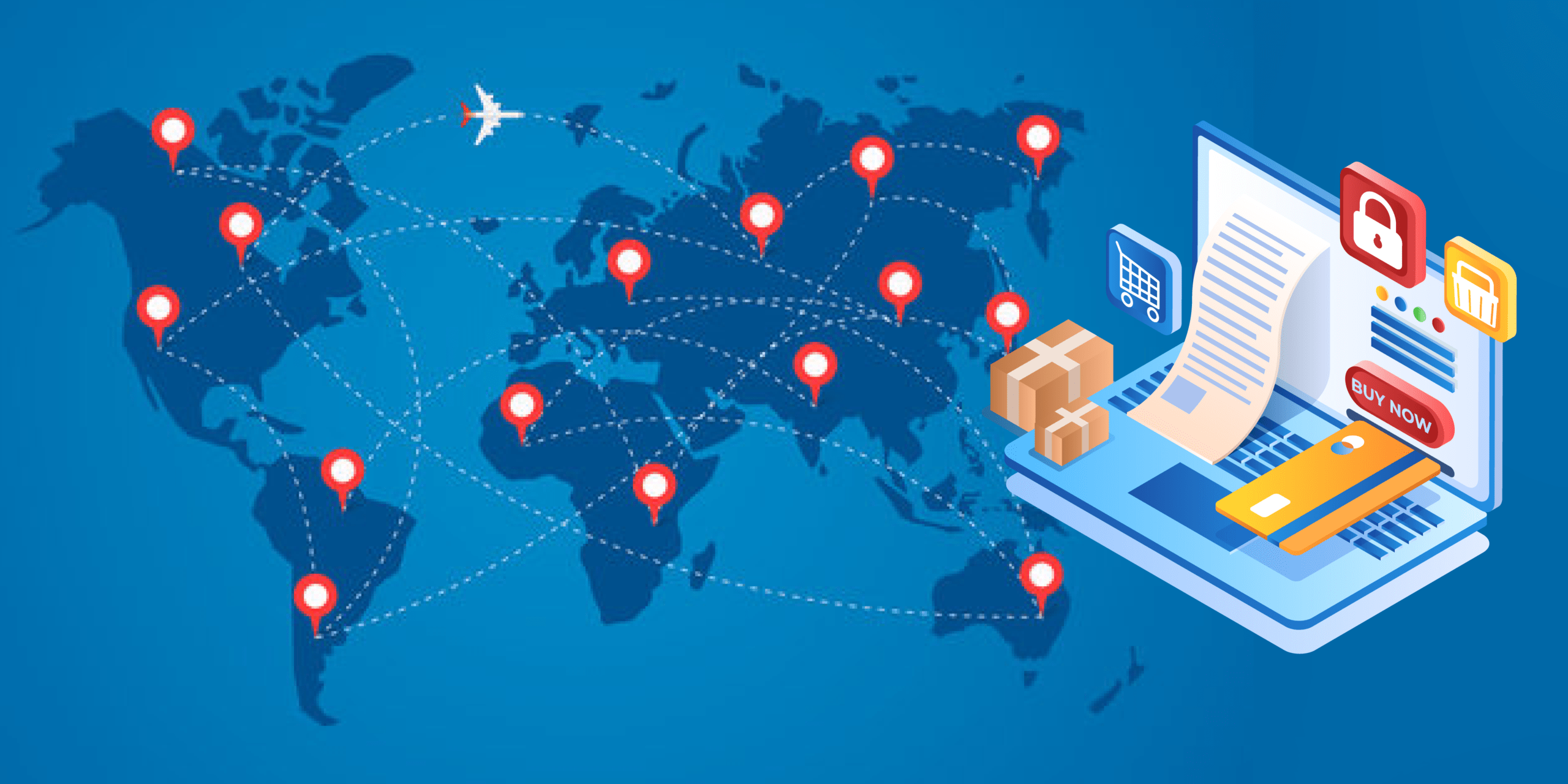
Global commerce depends on cross-border transactions, yet these transactions are frequently impeded by high prices, lengthy settlement delays, and complicated regulatory environments. In order to overcome these obstacles and achieve the G20 goals of quicker, less expensive, and more transparent international payments, the market is moving toward fintech solutions, blockchain, and API integration as of 2026.
This article examines six issues with international payments and provides workable solutions. It also emphasizes how fintech platforms are transforming international payment systems by giving companies new tools to lower barriers and increase cross-border payment efficiency.
1. Expensive Transaction Fees and Hidden Costs in Cross-Border Payments
Cross-border payments involve multiple intermediaries, each taking their cut.
Intermediary Bank Fees
Payments travel through a network of correspondent banks, with each one charging a fee. These add up quickly, especially when payments pass through multiple institutions.
Compliance Costs
Banks must comply with many international regulations, including Anti-Money Laundering laws, Know Your Customer requirements and sanctions screening. The financial burden of compliance includes expenses for risk assessments, employee training, technology upgrades, and ongoing monitoring of transactions for suspicious activity.
As these costs rise, banks frequently offset them by increasing fees or interest rates for their customers, or by reducing the availability or affordability of certain financial products and services.
Card Network Assessment Fees
For merchant transactions, cross-border fees apply when customers pay with cards issued by foreign banks. These include cross-border assessment fees (also known as international service assessment fees, or ISA), currency conversion fees, network processing fees and higher interchange rates for international transactions.
Impact on Businesses
These costs hit small and medium-sized businesses hardest, creating unpredictable expense management. The lack of transparency makes comparing costs difficult.
To reduce these fees and hidden costs:
- Use fintech providers that cut out intermediaries and offer transparent fee structures.
- Consolidate payment flows to reduce transaction volume and associated fees.
- Negotiate with financial institutions for better rates, especially for high-volume transactions.
- Offer alternative payment methods, such as digital wallets or cryptocurrencies, which often charge lower fees.
2. Long Settlement Times in Cross-Border Payments
When using traditional correspondent banking networks, cross-border payments can take 3–5 business days to settle. Time zone differences, multiple intermediaries, manual processing and regulatory checks all contribute to delays.
These slow settlements disrupt cash flow, strain vendor relationships and create uncertainty in financial planning. For instance, a European manufacturer relying on just-in-time inventory from Asia could experience production delays if international payments are slow to settle. If the supplier does not receive timely payment, they may delay shipment or halt production, resulting in missed delivery deadlines, stoppages, and ultimately lost sales opportunities for the European company..
Solutions are emerging to tackle these challenges. Real-time payment systems process transactions instantly, though cross-border real-time payments are still limited and expanding. 24/7 processing helps overcome time zone barriers.
SWIFT Global Payments Innovation (GPI) has improved speed and transparency by tracking payments in real time for participating banks. The Bank for International Settlements’ Project Nexus seeks to link domestic real-time systems globally to speed settlement, but is still in early development.
3. Complex Regulatory and Compliance Requirements
Cross-border payments must navigate a patchwork of regulations that vary widely across countries, creating substantial challenges for global businesses managing compliance in international transactions. Regulatory areas include anti-money laundering (AML), know your customer (KYC), sanctions screening and foreign exchange controls.
These requirements differ between jurisdictions, often creating conflicting standards. For example, KYC procedures that satisfy one country’s rules may not meet another’s. This regulatory diversity slows onboarding and transactions due to manual checks, raising operational costs. Businesses also face risks of penalties and reputational damage if they fail to comply, often requiring specialised expertise in each market they enter.
Regulatory frameworks are continually evolving, requiring ongoing monitoring and adaptation. Data privacy laws, such as GDPR, also impact compliance approaches as they have strict requirements for how personal data is handled, transferred and protected when payments cross borders.
To address these challenges, businesses can:
- Use automation tools to manage multi-country KYC and AML processes from a single dashboard.
- Adopt regulatory technology (RegTech) solutions to improve compliance efficiency.
- Partner with providers who hold the necessary licences across jurisdictions.
- Develop a thorough understanding of payment processing compliance to navigate regulations.
4. Lack of Transparency in Transaction Tracking
Traditional cross-border payments often provide limited visibility into transaction status, fees deducted and exchange rates applied. Complex fee structures make it difficult to compare costs across providers, hindering informed decision-making and undermining trust in the payment process. When final amounts differ from expectations, customer relationships can suffer and accounting becomes challenging.
This lack of transparency affects businesses in several ways:
- Accounting challenges: Without clear visibility into fees and exchange rates, reconciling international transactions is difficult.
- Cash flow management: Unpredictable costs make forecasting and managing cash flow a constant challenge.
- Damaged customer trust: Recipients receiving less money than expected due to hidden fees or unfavourable exchange rates can damage business relationships.
Many fintech platforms are addressing these issues with improved transparency:
- API-driven real-time visibility: Advanced platforms use API connectivity to provide senders and recipients with real-time payment tracking and upfront foreign exchange rate information. However, transparency levels can vary across providers.
- Transparent pricing models: Unlike many traditional providers, leading fintech companies offer upfront cost estimates without hidden fees. Some banks are also improving transparency, though not consistently.
- End-to-end tracking: Modern payment solutions allow businesses to monitor payments at every stage.
- Automated status updates: Real-time notifications keep all parties informed of payment progress, reducing the need for manual follow-up.
5. Currency Conversion and FX Risks in Cross-Border Payments
Currency conversion and foreign exchange risks can significantly reduce profits. Fluctuating exchange rates create pricing uncertainties and may lead to unexpected losses on international deals.
Transaction risk is the primary concern, as exchange rates can change between agreeing on a deal and making a payment. This volatility can substantially affect the amount paid or received.
A multi-currency business account that allows you to accept, hold and send funds in multiple currencies can help hedge against currency risk by allowing you to manage funds in multiple currencies and settle when rates are optimal.
6. Limited Infrastructure in Emerging Markets
Emerging markets offer significant growth potential for cross-border payments but present unique infrastructure challenges.
Infrastructure Gaps and Limited Access
Many emerging economies face gaps in basic financial infrastructure, including limited access to traditional banking services, underdeveloped payment networks, unreliable internet connectivity (especially outside urban areas) and low smartphone adoption rates. These technological barriers make it difficult to reach potential customers and partners, particularly in remote regions where digital payment adoption remains low. Regulatory environments in some markets can further affect infrastructure development and fintech adoption.
Cash Dominance and Cultural Preferences
Despite growth in digital payments, cash remains the dominant payment method in many emerging markets due to deep-rooted cultural habits, distrust of digital systems and limited financial literacy.
Fintech Innovations Addressing Infrastructure Challenges
- Mobile money platforms: Services like M-Pesa in Kenya use mobile networks to deliver financial services directly to phones, bypassing traditional banking. Users can deposit, withdraw, transfer funds and pay for goods using just their mobile devices.
- Digital wallets and superapps: In Brazil, Pix enables fast, real-time payments and transfers through an easy-to-use platform accessible via mobile apps and online banking. This innovation simplifies transactions and expands financial inclusion by providing a seamless alternative to traditional payment methods.
- Instant and real-time payments: Many emerging markets are building instant payment systems and upgrading settlement platforms. These systems can reduce transaction times from days to near real-time, improving speed and efficiency.
- Alternative credit scoring: Fintech companies leverage alternative data sources, such as mobile phone usage or transaction history, to assess creditworthiness for customers without traditional credit histories.
- Expanding agent networks: To serve unbanked populations, fintechs and partner banks establish networks of physical agents—small shops providing basic banking and payment services.
Conclusion
Due to foreign costs, lengthy settlement times, regulatory obstacles, and security concerns, cross-border payments can be difficult, slow, and expensive. With real-time tracking, simplified compliance, more intelligent FX management, and enhanced security, fintech solutions are transforming this by making foreign payments quicker, more economical, and transparent.
Now is the moment to reevaluate if cross-border payments pose a problem for your company. The appropriate instruments provide a competitive advantage and lessen friction. Today’s modernizers will be in a better position to develop and prosper internationally.


Comments