
 By
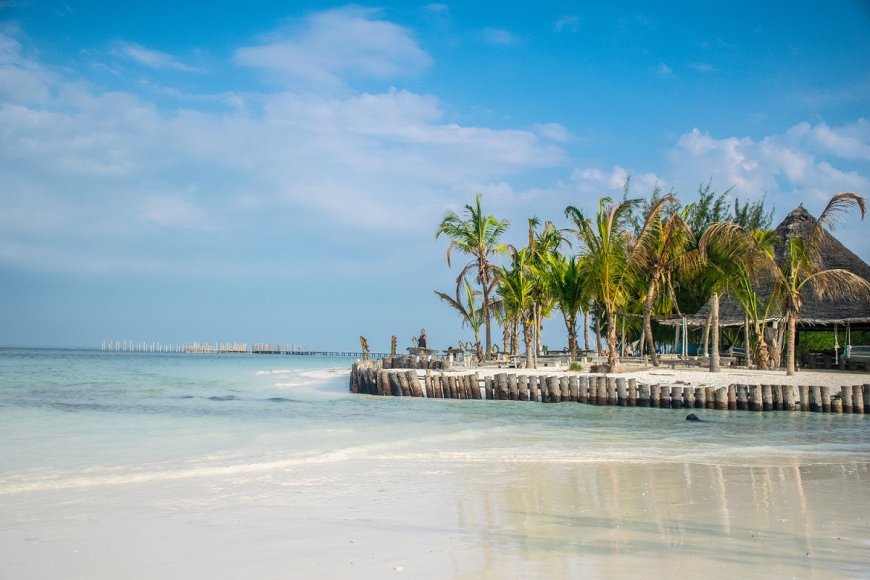
Local economies are impacted by tourism because it creates jobs in industries like hospitality and transportation, generates income from visitor spending on goods and services, and encourages investment in local companies and infrastructure. However, this can also result in problems like inflation, possible resource strain, and unequal benefit distribution, therefore it’s critical for communities to manage tourism development for inclusive and sustainable growth.
Positive impacts
- Job creation: Tourism provides numerous job opportunities, from hotels and restaurants to tour guides and shopkeepers.
- Economic growth: Tourist spending injects capital into the local economy, boosting income and fostering economic diversification.
- Infrastructure development: The demand for tourism can lead to improvements in public infrastructure like roads, airports, and telecommunications, which also benefit local residents.
- Support for local businesses: Tourism can create a market for local crafts, food, and other products, helping to preserve local traditions and arts.
- Increased foreign exchange: Tourism is a major source of foreign currency, which can improve a country’s balance of payments.
Potential negative impacts
- Economic leakage: A significant portion of tourism revenue can be “lost” to foreign-owned businesses or imports, rather than staying in the local economy.
- Inflation: Increased tourist numbers can drive up prices for goods, services, and housing, making life more expensive for locals.
- Over-reliance: An over-dependence on tourism can make a local economy vulnerable to external shocks, such as the recent COVID-19 pandemic.
- Strain on resources: High tourist volumes can strain local resources like water and energy, and can lead to environmental degradation.
- Social and cultural disruption: The influx of tourists can lead to the commercialization of culture and can cause social friction, especially if there is a significant gap between tourists and locals.
Managing tourism for a positive impact
- Community involvement: Ensuring local communities have a voice in tourism planning and development is essential for creating sustainable and beneficial outcomes.
- Promoting local sourcing: Encouraging hotels and restaurants to use locally sourced goods and services can help keep more money within the community.
- Diversifying the economy: Relying solely on tourism can be risky, so it’s important to support and develop other sectors of the local economy as well.
- Regulating development: Implementing regulations can help manage the number of tourists, protect sensitive environments, and prevent overcrowding.
Why Is Local Tourism Important?
Opportunities to live better, more comfortable lives are made possible by a strong local economy. To realize its full potential, however, each zone requires a small amount of support. For economic growth, communities depend on nearby boroughs, cities, counties, and beyond; hence, tourism is an important resource, particularly for smaller areas.
Attracting tourists from all around the world has significant advantages. When tourists visit a community, they create opportunities for local business owners and the diligent people who keep the area cohesive. In the end, tourism facilitates constructive transformation. Companies and governments set aside funds to improve the quality of life for locals while also boosting the visitor experience.
Services
Businesses are compelled to expand their service offerings due to an increase in tourists. While finding new products that appeal to visitors from out of town, established businesses enhance their offerings.
At the same time, new companies start up to contribute to the community. Tourism promotes new projects that locals may take advantage of all year long, including food alternatives, entertainment venues, museums, transit services, healthcare facilities, and more.
Job Opportunities
In a thriving tourism community, job possibilities arise along with new enterprises and service options. Locals are needed to fill new positions as new enterprises emerge and existing ones discover methods to grow.
Read Also: How to Make the Most of Your Vacation Time
Particularly, industries like travel, food service, and hospitality create new career opportunities. Additionally, new business prospects appear. Locals can make money from visitors searching for a cozy, local place to stay thanks to services like Airbnb.
Infrastructure
Increased tourism can motivate local governments to improve local infrastructure:
- Accessible public transportation and smooth roadways help tourists experience more of the community.
- Telecommunication improvements enable tourists to share their experiences with friends and family.
- Better water and sewage systems can satisfy the increased demand while ensuring a comfortable stay.
Such improvements benefit residents daily at every economic level.
Revenue
Visitors spend money at local businesses. Businesses of various kinds, including restaurants, shops, boutiques, and retail establishments, stand to gain more money when their neighborhood draws tourists. Everyone will have more money to spend in the local economy as a result, including employees and business owners. The community’s significant environmental and infrastructure projects will be financed by the rise in sales tax income.
Culture
A community’s culture can be preserved and developed with the aid of tourism. Locals have a chance to appreciate their heritage while tourists enthusiastically immerse themselves in the town’s history and customs. Local artists can share their stories and tell new ones, and local museums and historical places can witness an increase in visitors.
In the meantime, visitors contribute their viewpoints and customs to the local populations. The community may benefit in the long run from the cultural exchanges that accompany tourism.
Strategies for Maximizing the Positive Economic Impact of Tourism
Understanding the local economy, encouraging ethical and sustainable tourism practices, and adjusting to changing trends in the tourism sector are the three methods for optimizing the benefits of tourism.
1. Understand the Local Economy
Depending on the kind of travel agency you run, it’s critical to understand how tourism might economically benefit different locations in order to better serve your clients. This information might then help you match your company’s objectives with the interests of your clientele.
For instance, travelers may encourage local companies and bring in new goods that would not otherwise be offered. The local economy may be impacted by this.
2. Promoting Responsible and Sustainable Tourism Practices
Over time, internet travel companies have evolved the way they market and promote their services based on ethical and sustainable travel practices.
By encouraging ethical and sustainable travel options that strengthen local communities, OTAs can help with this.
An OTA (Online Travel Agencies) might, for instance, support sustainable tour companies, eco-friendly lodging, and neighborhood projects.
3. Adapting to Evolving Trends in the Tourism Industry
OTAs can offer information about activities that align with the interests of tourists, who frequently seek for novel experiences.
For instance, in recent years, experiential travel—which emphasizes things like outdoor adventures and cultural encounters—has become more popular.
Conclusion
Tourism has a huge economic impact and has the potential to be a major force behind the expansion of the world economy.
OTAs are crucial to the industry’s ongoing success, and knowing how tourism affects their bottom line can help them make wise choices and expand.
In addition to these organizations, hotels, airlines, and other associated industries are impacted by tourism. Furthermore, the tourism industry offers numerous prospects for expansion and advancement. The tourist sector can offer a significant source of revenue and employment possibilities as governments throughout the world work to build more environmentally friendly and sustainable development models.











Comments