
 By
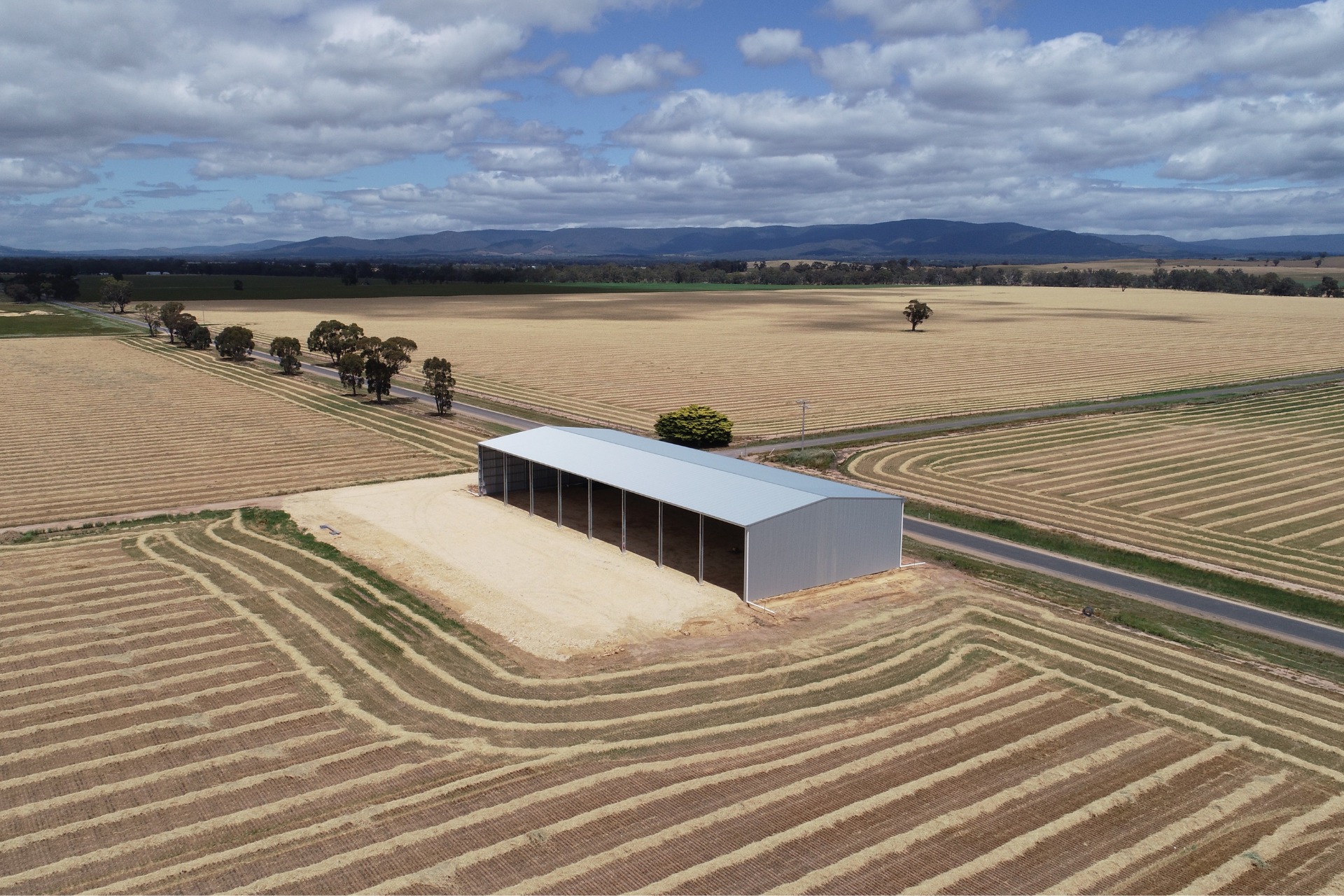
Metal hay barns provide a long-lasting, pest-resistant, and moisture-controlled environment that keeps feed safe and fresh. Unlike wood, metal is impermeable to moisture, and the barn’s design provides adequate ventilation to avoid condensation and the spread of mold. The quality of the feed and your investment are safeguarded by the strong, robust metal panels, which also keep termites and rats out.
You’ve probably discovered the hard way that hay storage is more complicated than just stacking it and closing the door if you’ve ever opened a bale of hay in the middle of summer and discovered it musty, moldy, or strangely warm.
Hay storage is both a science and an art, particularly during the blazing summer sun. For this reason, metal barns have become a farmer’s best friend when it comes to storing hay. When utilized properly, they may make hay storage a safe, effective, and seamless procedure. They are also robust and fire-resistant.
This goes beyond simply keeping feed fresh. It’s about preserving your investment, your animals, and your peace of mind. Are you prepared to take hay storage seriously? Let’s get started.
Summer is when hay is harvested, baled, and stored, and unfortunately, it’s also when your hay is most vulnerable. Here’s why:
- Moisture + heat = trouble: Even small amounts of moisture trapped in tightly packed bales can lead to mold growth, fermentation, and heat buildup.
- Nutritional loss: Sunlight and improper ventilation can degrade hay’s protein content, making it less nutritious for your animals.
- Fire risk: Bales stored with too much moisture can heat up from the inside, sometimes enough to spontaneously combust. Yes, that’s a real thing.
The good news? A well-ventilated metal barn, combined with smart stacking and storage practices, can protect your hay from all of the above.
Prepping Your Metal Barn
Think of your agricultural barn like a giant Tupperware container. What you do before putting things in matters. A few simple steps can save your hay (and your budget) from disaster:
1. Inspect for Leaks and Weak Spots
Do a full walk-around and look up roof leaks, rust holes, or gaps in siding can let in rain or humid air. If you store hay in a loft, check the floors too. A sagging or compromised surface is not just risky, it’s an open invitation for rot.
2. Clean It Out Like You Mean It
Old hay, dust, dirt, and dead insects are all moisture-holding, mold-growing, pest-attracting liabilities. Sweep, vacuum, and hose down if needed. Don’t forget corners and crevices. They love to hide debris.
3. Boost Your Barn’s Ventilation Game
Roof vents, ridge vents, cupolas, open sides — whatever your barn has, make sure it’s working. Good airflow is what prevents heat buildup and keeps the air inside dry.
Hot tip: If you’re building new or modifying an existing structure, orient open-sided barns east to west. That reduces direct sunlight and boosts cross-breeze effectiveness.
4. Get Ahead of Pests
Rodents, snakes, and bugs love hay. Seal off cracks, plug holes, and consider setting traps or deploying some hard-working barn cats. Prevention is way easier than cleanup.
Stacking hay is more than just playing barnyard Tetris. Done right, it preserves hay quality, prevents injury, and even creates more usable space.
Keep It Elevated
Never store hay directly on the ground. Moisture from soil or concrete will wick into the bottom bales. Use:
- Wooden pallets (most popular)
- Tires
- Gravel base + geotextile fabric
- Concrete blocks
Each of these promotes airflow and blocks rising moisture.
Square Bales? Go Pyramid Style
A sturdy stack starts with a wide base. Three bales wide at the bottom, tapering off as you go up. Lay the first layer with twine facing sideways to promote airflow between bales.
Read Also: Why Three-car Metal Garages are Perfect for Growing Families
Don’t stack more than 4–5 bales high unless you have mechanical lifts and reinforced structures. The higher you go, the more you risk shifting, instability, and injury.
Round Bales? Go Flat End Down
Stack round bales on their flat ends, tightly side by side. If stacking in rows, leave gaps between rows for airflow. Outdoors? A pyramid-shaped stack with a tarp on top helps rain run off instead of soaking in.
Managing Moisture and Ventilation
Moisture is the enemy. Let’s say that louder for the folks in the back.
Know Your Moisture Levels
Hay baled at over 20% moisture? Too wet. You’re inviting mold, rot, and combustion. Aim for 15% or lower for square bales. Invest in a hay moisture tester. It’s worth its weight in, well, hay.
Let the Barn Breathe
Ventilation isn’t optional. It’s essential. Here’s what helps:
- Roof vents or ridge vents
- Cupolas spaced every 20–30 feet
- Side openings or louvers
- 2 feet between the top bale and ceiling
- 18″ minimum space from stacks to walls
This allows rising heat and moisture to escape, preventing condensation and preserving hay quality.
Pro tip: Stacking hay right from the field? Loosen up those stacks. Let the cut ends face up to help remaining moisture evaporate faster.
Fire Prevention: Non-Negotiable in Summer

Yes, hay can self-ignite, and it happens more often than people think.
Temperature Monitoring
Use a hay temperature probe or make one from a long metal pipe with holes near the tip. Stick it into the center of a stack and either use a thermometer or feel the heat.
- <130°F: You’re safe.
- 130–140°F: Watch closely.
- 150°F: Danger zone—ventilate!
- 175°F+: Call the fire department immediately.
Keep Ignition Sources Far Away
- No halogen lights. Use LEDs instead.
- Store fuel, tools, and electrical items far from hay.
- No smoking zones — clearly marked and enforced.
Also, whenever possible, store hay in a separate building from your animals and equipment. If a fire breaks out, you’ll be glad you did.
Defending Against Weather, Sun and Pests
Sunlight
Direct sun exposure can bleach hay, reducing protein and vitamin content. Position barns so the open side faces away from peak sun. Store hay in shaded zones or under cover. Tarps work too but make sure they’re breathable or leave gaps for airflow.
Pests
Hay is an all-you-can-eat buffet for rodents and bugs. Inspect stacks weekly. Remove any infested bales immediately.
- Natural pest control = barn cats and rat terriers.
- Mechanical backup = traps, sensors, and sealed doors.
Storms
High winds and rain can blow water into open barns. Wind barriers, curtains, and removable panels help protect against storms. For outdoor stacks, secure tarps with weights and make sure bales shed water instead of soaking it in.
Long-Term Hay Management
Rotate Regularly
Oldest hay in the front, newest in the back. Use a first-in, first-out system so nothing gets left to rot.
Inspect Weekly
Signs of spoilage include:
- Sour or caramel smells
- Excess dust
- Dark or damp spots
If you find mold, remove the bale and check surrounding ones. Mold spreads fast.
Track Inventory
Know what you have and how quickly you’re going through it. A simple spreadsheet works fine or use farm software if you’ve got larger volumes.
Keeping detailed records lets you:
- Predict how long your supply will last
- Adjust orders for the next season
- Prevent under- or over-buying
Maximize Your Barn’s Space (Without Sacrificing Safety)
Use That Vertical Space Wisely
Stack high but not too high. Always leave 18–24” to the roof to allow airflow. And make sure stacks are stable. If something feels wobbly, it’s not worth the risk.
Organize for Efficiency
Add wall-mounted shelves or ceiling storage for tools, small bales, and equipment. Keep walkways at least as wide as your tractor or cart.
Mark aisles with tape or paint. This not only improves efficiency, but it’s also a key safety feature during emergencies.
Bottomline
Hay storage doesn’t have to be complicated. A little planning, a few tools, and the right metal barn setup can make your summer storage season smoother, safer, and more efficient.
Remember:
- Keep it dry
- Keep it cool
- Keep it clean
And never underestimate the power of airflow
Because at the end of the day, great hay storage isn’t just about keeping hay dry—it’s about protecting everything it supports: your animals, your livelihood, and your peace of mind.
| Category | Best Practices | Why It Matters |
| Barn Prep | – Inspect for leaks and weak spots – Deep clean storage area | Prevents water damage and mold before hay even enters the barn |
| Ventilation | – Use roof vents, cupolas, or open sides – Leave 18–24” clearance to roof and walls | Reduces heat and moisture buildup, preventing spoilage and combustion |
| Stacking Hay | – Use pallets or gravel base – Stack square bales in pyramid shape – Leave gaps for airflow | Elevates hay, improves airflow, and keeps stacks safe and stable |
| Moisture Control | – Bale hay at 15% moisture or less – Use a hay moisture tester | Prevents mold and fermentation, protects nutritional value |
| Fire Safety | – Monitor temperatures weekly – Separate hay from equipment/animals – No halogen lights | Reduces risk of spontaneous combustion and major barn fires |
| Pest Control | – Inspect weekly – Use traps, seal entry points, or add barn cats | Avoids contamination and livestock health issues |
| Sun and Weather Protection | – Face open barn sides east-west – Use tarps for outdoor stacks | Prevents bleaching from sun and water damage from summer storms |
| Ongoing Maintenance | – Rotate hay (first in, first out) – Keep inventory records – Do weekly mold checks | Minimizes waste, ensures quality feed, and helps with reordering planning |
| Safety and Organization | – Stack stable and no more than 4–5 high – Keep walkways clear and tools mounted | Improves efficiency, reduces injury risk, and ensures fast emergency access |











Comments