
 By
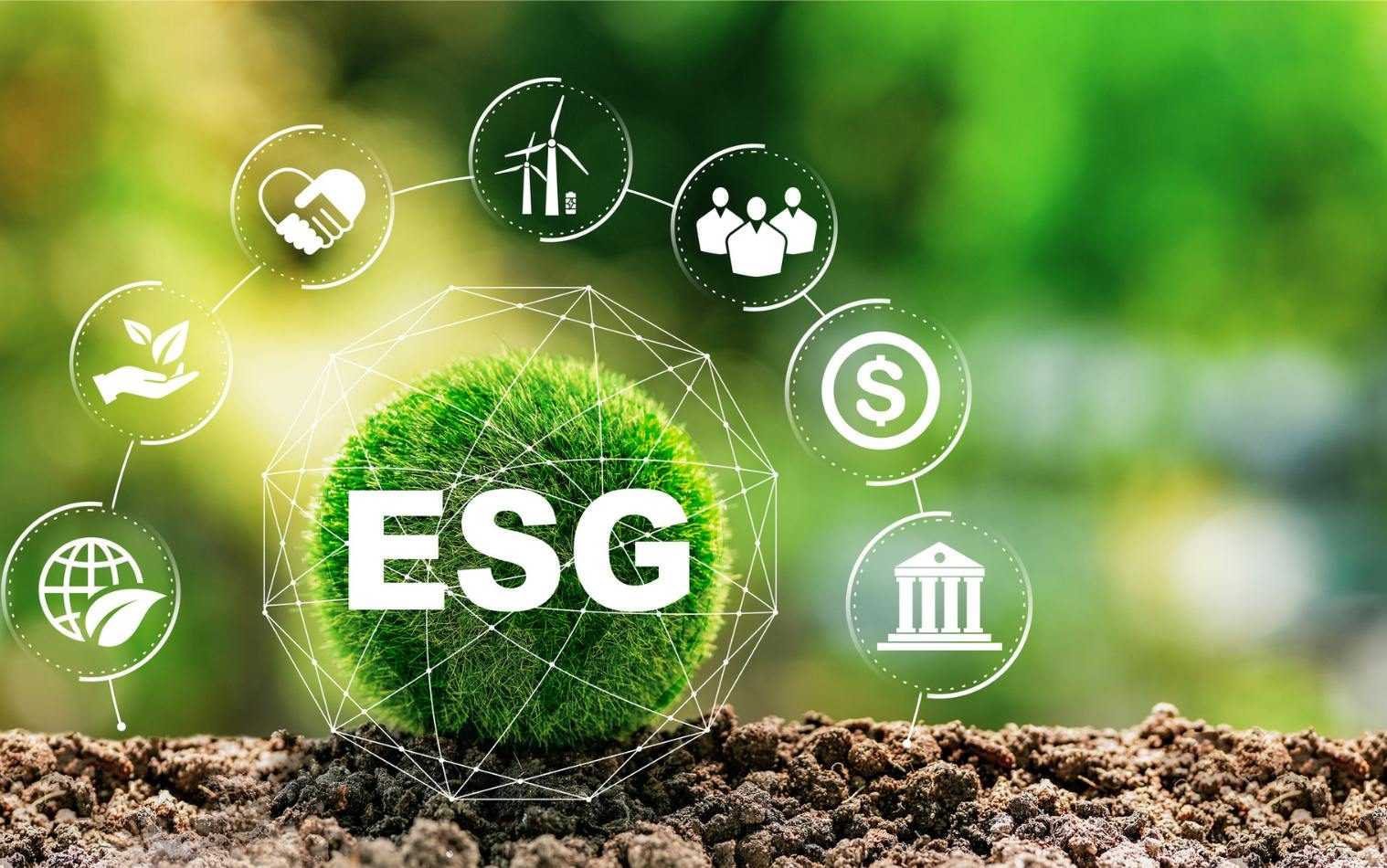
A framework known as ESG helps stakeholders comprehend how a company is handling opportunities and risks associated with environmental, social, and governance standards (also known as ESG factors). ESG adopts the comprehensive stance that sustainability encompasses more than just environmental concerns.
Although the phrase ESG is frequently used in relation to investing, stakeholders encompass not only the financial community but also clients, vendors, and staff members, all of whom are becoming more and more interested in how sustainably a firm conducts its business.
In Kenya for example, environmental, social, and governance (ESG) considerations are becoming more and more important for companies. ESG factors are crucial for project development, profitability, and creditworthiness in addition to financial disclosure. Many financial organizations have adopted the Equator Principles because they understand the relevance of ESG.
The importance of ESG in project finance is examined in this article, along with its three components and how they affect project development. We also explore ESG financial products and recent advancements in ESG financing in Kenya, such as the ESG disclosure criteria set forth by the Nairobi Securities Exchange and the guidelines issued by the Central Bank of Kenya.
What Does ESG Stand For?
ESG is an acronym that stands for environmental, social, and governance.
1. Environmental
Environmental factors refer to an organization’s environmental impact(s) and risk management practices. These include direct and indirect greenhouse gas emissions, management’s stewardship over natural resources, and the firm’s overall resiliency against physical climate risks (like climate change, flooding, and fires).
2. Social
The social pillar refers to an organization’s relationships with stakeholders. Examples of factors that a firm may be measured against include human capital management (HCM) metrics (like fair wages and employee engagement) but also an organization’s impact on the communities in which it operates.
A hallmark of ESG is how social impact expectations have extended outside the walls of the company and to supply chain partners, particularly those in developing economies where environmental and labor standards may be less robust.
3. Governance
Corporate governance refers to how an organization is led and managed. ESG analysts will seek to understand better how leadership’s incentives are aligned with stakeholder expectations, how shareholder rights are viewed and honored, and what types of internal controls exist to promote transparency and accountability on the part of leadership.
The ESG lens aids in evaluating how a company handles the possibilities and dangers brought about by shifting circumstances, including modifications to the social, economic, and environmental systems.
Earlier iterations of strategic and/or regulatory frameworks with a sustainability focus identified some of these circumstances, such as:
EHS (Environment, Health, and Safety)
As far back as the 1980s, organizations in the United States were considering how to use regulation to manage or reduce pollution (and other negative externalities) produced in the pursuit of economic growth. They sought to also improve employee labor and safety standards, although much progress remains to be made even today.
Corporate Sustainability
EHS evolved in the 1990s into what was then known as the Corporate Sustainability movement. This emerged as some management teams wanted to focus on reducing their firm’s environmental impacts beyond the reductions that had been legally mandated.
Read Also: How Digitalization and AI are Revolutionizing Project Finance
It’s widely agreed that corporate sustainability was often employed by management teams as a marketing tool to overstate (or otherwise misrepresent) efforts and environmental impacts — a practice that would later become known as greenwashing.
CSR (Corporate Social Responsibility)
By the early 2000s, the corporate sustainability movement began to integrate ideas around how companies should respond to social issues. This would become known as corporate social responsibility.
Corporate philanthropy was a key component of CSR, although some critics argue that tax incentives made cash donations as attractive as their ultimate economic impact on recipients. Employee volunteerism was another hallmark of CSR.
ESG
Though the term “ESG” made its first mainstream appearance in a 2004 UN report[1], it was not until the late 2010s and into the 2020s that ESG emerged as a much more proactive (instead of reactive) movement.
ESG has now evolved into a comprehensive framework that includes key elements around environmental and social impact, as well as how governance structures can be amended to maximize stakeholder well-being.
ESG in Project Financing
Given the long-term nature of the investment, ESG factors have always been crucial to comprehending risk in project finance. The growing importance of ESG now adds a new level of credit, investment, and even reputational risk to a variety of projects, ranging from energy assets to infrastructure.
Some ESG factors in project development that would be relevant to project funding are listed below:
| Environmental | Social | Governance |
| Physical Risks Climate Change Mitigation Resource Management Pollution Waste Disposal Cultural resources and Indigenous rights | Health & Safety Labour Rights and Employee Relations Supply chain considerations Diversity, Equity and Inclusion Data Protection and Privacy Relations with Local Communities | Composition and Procedures of Supervisory bodies Transparency and Information Disclosure Ethics and anti-corruption strategies Regulatory Compliance Stakeholder engagement |
Green, social, and sustainability bonds, whose proceeds are connected to ESG activities, are new financial instruments that project firms involved in ESG activities are increasingly able to access:
- Green Bonds are instruments where the proceeds are used solely to finance projects with environmental benefits i.e. projects in renewable energy, energy efficiency, land and water management, pollution prevention etc.
- Social Bonds finances projects that address a social issue by mitigating social harms or attempting to achieve positive social outcomes i.e. improving a community’s access to essential services, housing, food, water etc.
- Sustainability Bonds are bond instruments whose proceeds are used to finance a particular goal i.e. decarbonization or a combination of ‘green’ and ‘social’ projects.
Investing and ESG Funds
When the methodology was incorporated into the playbooks of numerous institutional investors, ESG truly took off. The transparency and consistency of the ESG data that businesses are disclosing to the public (also referred to as ESG disclosure) are being improved by an increasing number of ESG rating agencies that issue ESG ratings as well as new and developing reporting standards.
One effective instrument for bringing about change is the finance markets. Bad actors might be encouraged to perform better on E, S, or G metrics if access to capital is restricted or the conditions under which it is available are less favorable. On the other hand, recognizing businesses and their management groups for their strong performance in relation to ESG criteria promotes further advancements and enhancements.
There are now a wide variety of ESG investment vehicles available, such as index funds, mutual funds, ETFs, and green bonds. Investors can more easily match their investing choices with their personal values and opinions regarding E, S, or G aspects thanks to these publicly traded securities.


Comments