
 By
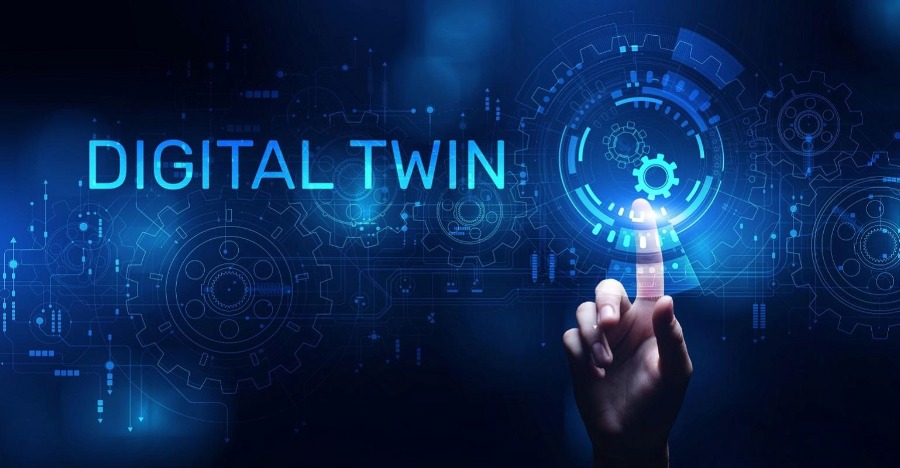
By producing virtual, real-time reproductions of physical objects, digital twins are revolutionizing product design and development by facilitating quicker iterations, lower costs, and higher quality. Businesses can use this technology to run simulations, evaluate performance, and optimize designs virtually, which significantly cuts down on development time and physical prototyping expenses. Better predictive maintenance, better after-sales services, and better decision-making using real-time data are all made possible by the deployment of digital twins.
What is Digital-twin Technology?
A digital twin is an electronic duplicate of a real-world item, individual, system, or procedure that has been placed in a digital representation of its surroundings. Numerous types of companies can use digital twins to model actual events and their results, which will ultimately help them make better decisions.
A digital doppelgänger, exactly like you, in a precise digital representation of your house, place of employment, community, or city? Better yet: What if your digital twin—the digital representation of you—was immune to pain, injury, or shame? The possibilities are mind-blowing. Let’s just say that you would likely be able to make your own selections with far greater assurance about the results.
This increased level of certainty is very valuable in business, and new digital twins could help provide it.
A digital twin, to put it simply, is a virtual representation of a real person, thing, or process that may be used to mimic its behavior and gain a better understanding of how it functions in the actual world. Since digital twins are connected to actual environmental data sources, they are updated in real time to match the original version. A layer of data-driven behavioral insights and visualizations is also included in digital twins. Digital twins can reproduce and link all facets of a company to maximize simulations, scenario planning, and decision-making by creating a digital and frequently immersive environment when integrated within a single system.
Leaders in creative product creation are becoming more and more excited about digital twins. The global market for digital twin technology is expected to increase by almost 60% a year over the next five years, reaching $73.5 billion by 2027, according to a McKinsey estimate.
What are Different Types of Digital-twin Technology?
Digital twins come in a variety of forms. The first is a product twin, which is a model of a real product. You can acquire live, real-time data about a product as if it’s in use using this digital twin, which can encompass products at different phases of the life cycle, from basic idea design and engineering to full functionality.
A data twin is a different kind of digital twin. Google Maps is a digital twin of the Earth’s surface, therefore you most likely already have a fantastic example of a data twin in your pocket. It helps you make the most of your commute by connecting real-time traffic data.
Other kinds of twins include systems twins, which simulate how digital and physical processes interact. Examples of these processes include customer journeys, manufacturing processes, end-to-end supply chain management, and shop operations. Lastly, infrastructure twins are representations of actual infrastructure, such a stadium, building, or roadway.
Operations could become more resilient and agile with the help of digital twins. And CEOs are aware of their potential: McKinsey research suggests that 70 percent of C-suite IT leaders at large organizations are already exploring and investing in digital twins.
Product digital twins can be characterized by three key dimensions:
- the level of modeling and data sophistication employed
- the physical scope of the twin
- the parts of the value chain the twin encompasses, whether in the engineering, production, or service phase
An organization’s journey with a digital twin includes each of these dimensions. A digital-twin project might start with a single, critical component and then expand to a whole product as the company’s digital-twin maturity increases.
What is a Supply Chain Digital Twin?
For many firms, maintaining supply chains is of utmost importance. According to a McKinsey report, supply chain interruptions often cost 45% of a year’s cash profit. Businesses are aware of the risk: according to a recent poll, 86% of businesses are spending money on supply chain transformation in order to adapt to changes in the market.
AI and digital twin technologies are used in digitally connected supply chains to promote efficiency and optimization. They use data that has been collected from every aspect of an organization’s operations and model it to replicate people, processes, and physical assets. Leaders of a company can freely experiment, speed up decision-making by up to 90%, and more based on twin insights.
Digital twins are among the top three investment priorities for supply chain disruption companies, indicating that high-performing businesses are already aware of the advantages of this technology.
By improving insight into current and anticipated performance, as well as by reducing risk and improving customer interactions, operations, product development, and other areas, digital twins can generally add value to a business.
To be more precise, data twins offer insight into customer touchpoints, profitability, and operations. By offering real-time visibility into customer journeys, staffing, and in-transit inventory, data twins can enhance decision-making. Additionally, data twins can assist firms in complying with increasingly prevalent rules that demand upstream visibility into sourcing, particularly in the government, high tech, and healthcare sectors.
Read Also: The Impact of Disruptive Tech on Business Models and Revenue Streams
Systems twins enhance resilience to supply-and-demand shocks, boost throughput, optimize costs, and enhance customer experience. According to McKinsey, businesses have decreased labor and transportation expenses by up to 10% while enhancing consumer promise, or the ability of businesses to more consistently fulfill their commitments to clients, by up to 20%. In the meanwhile, by building networks that function in a range of supply-and-demand situations, digital twins contribute to increased resilience.
Digital twins of customers can also be very beneficial, especially for increased revenue and better customer satisfaction. According to McKinsey, businesses have reported revenue gains of up to 10% by creating digital twins of their clients, which enable them to engage and fully immerse themselves in the offering. Customers can “test drive” a car using customer twins created by Mercedes-Benz (previously Daimler), for instance, without ever getting behind the wheel.
Digital twins of products can drastically cut time to market. According to discussions with senior R&D professionals, digital twins have helped some users reduce development timelines by as much as 50% while also saving money. Compared to physically evaluating each prototype, product digital twins can enable quick iterations and refinements of product designs.
Furthermore, the quality of the final product can be greatly enhanced by these digital twins. It is possible to detect design faults much earlier by simulating the product during the production process. According to McKinsey senior adviser Will Roper, “the companies that harness [digital-manufacturing twins] first will really shake up the markets they’re in.” And finally, by mirroring a product in service, it’s possible to create a single source of truth for how the design is functioning, allowing for real-time adjustment or redesign.
How are Companies Using Digital-twin Technology?
Digital maturity is a crucial component that a company must have in order to deploy digital twins. In essence, this refers to data: both the expertise required to create and manage that infrastructure and a top-notch data architecture that provides trustworthy data from testing and live situations.
Leading the way are organizations in sophisticated industries: according to our survey data, about 75% of businesses have already implemented digital twin technologies that have attained at least medium levels of complexity. These include businesses in a range of sectors, including technology, retail, consumer products, automotive, aerospace, and defense. Players in the energy, logistics, and infrastructure sectors are more likely to be creating their initial digital twin concepts.
Demand for digital twin investments is expected to reach over $48 billion by 2026 due to the combination of growing interest in digital twins and quickly developing supporting technology. There are currently several sophisticated implementations in place:
Interest in digital twins, combined with rapidly advancing supportive technologies, is spurring market estimates for digital-twin investments of more than $48 billion by 2026. We’re already seeing some advanced implementations:
- Emirates Team New Zealand. A digital twin of sailing environments, boats, and crew members enables Emirates Team New Zealand to test boat designs without actually building them. This has allowed the champion sailing team to evaluate thousands—rather than just hundreds—of hydrofoil designs.
- Anheuser-Busch InBev. A brewing and supply chain digital twin enables brewers to adjust inputs based on active conditions and can automatically compensate for production bottlenecks (for instance, when vats are full).
- SoFi Stadium. To help optimize stadium management and operations, a digital twin aggregates multiple data sources including information about the stadium’s structure and real-time football data.
- Space Force. This branch of the US Armed Forces is creating a digital twin of space, including replicas of extraterrestrial bodies and satellites.
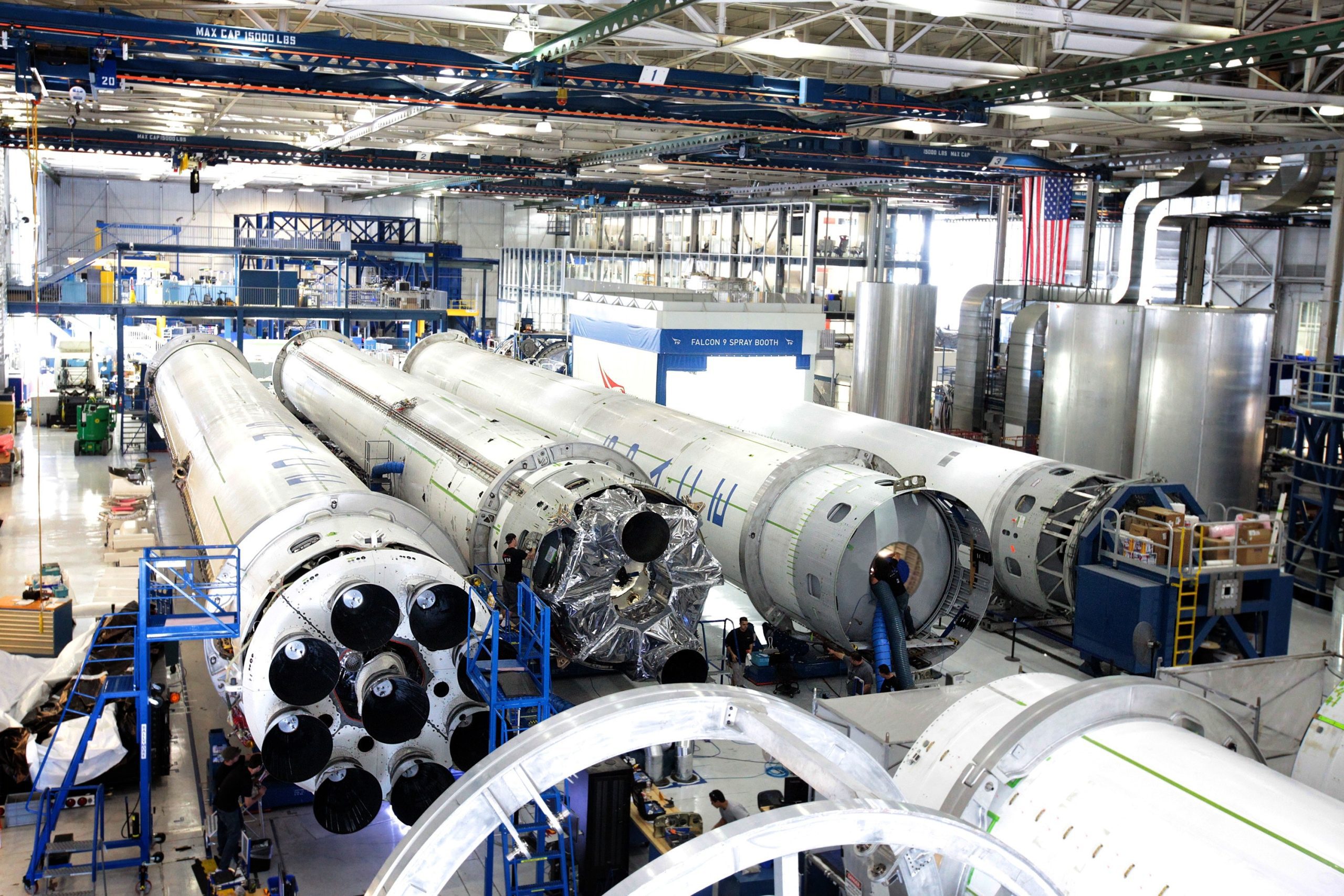
- SpaceX. A digital twin of SpaceX’s Dragon capsule spacecraft enables operators to monitor and adjust trajectories, loads, and propulsion systems with the goal of maximizing safety and reliability during transport.
Digital twins are very useful for enhancing sustainability initiatives. Product digital twins can assist businesses in lowering the amount of materials used in product design and enhancing product traceability to cut down on waste in the environment. Through the use of digital twins, consumer electronics makers have significantly improved sustainability, cutting scrap waste by about 20%. Digital twins of the supply chain can assist businesses in striking a balance between speed and cost while promoting sustainability. Additionally, data twins can help firms better understand the sustainability of their upstream suppliers.









Comments