
 By
Because they open up new markets, boost productivity, and alter consumer expectations, disruptive technologies alter company structures and revenue sources. Companies can start selling services instead of goods, take use of new platforms like the sharing economy, or employ data analytics to make data-driven decisions and tailor experiences. In order to prevent being outdated, this forces businesses to adapt by encouraging innovation and becoming more adaptable.
Here’s how disruptive technologies are impacting businesses:
- Increased Efficiency and Productivity: Technologies like automation and cloud computing streamline processes, reduce manual labor, and boost output. This allows businesses to do more with less, freeing up resources for growth.
- Enhanced Customer Experience: Disruption is all about creating better experiences for customers. AI-powered chatbots and personalized marketing tools are making interactions faster, more convenient, and more relevant.
- Innovation and New Business Models: Disruptive technologies are opening doors to entirely new business ways. The sharing economy, driven by platforms like Uber and Airbnb, is a prime example. Companies leverage innovation to create new products, services, and revenue streams.
- Data-Driven Decision Making: Big data and analytics give businesses unprecedented access to customer insights. This data can be used to make smarter decisions about everything from marketing campaigns to product development.
On social media, in the news, or during casual conversations in the bar. A lot of people are talking about “disruptive business” models right now, and some people are even tired of the disruptive world. But what do we need to know about this subject and why is it so crucial for everyone? The purpose of this article is to explain the significance of these new disruptive business models and the need for everyone to have a fundamental understanding of the most effective business models.
Knowing where the company might go is essential, particularly during challenging times. Understanding how to reposition your company and increase income requires looking at business models. New business models can also help companies become more resilient to market dynamics and diversify their portfolio.
Everybody there is continuously searching for a niche or chance to upend sectors with fresh, creative business concepts. That there is a lot of discussion about it is therefore not surprising. First of all, though, let me state that it is typically not about entirely new business models. Typically, existing business models are only modified for use in new markets, goods, or services.
One example of how certain industries have already had to cope with a disruptive business model is seen here. For instance, Uber, which had a platform and connected drivers and clients online rather than requiring them to call a different number in each city or search for cabs, put a lot of pressure on the established taxi industry.
The client is frequently placed back at the center of successful disruptive company strategies. Models that address these demands are made possible by the way that new technologies have altered consumer behavior. Digital ecosystems, platforms, subscription models, and many more are noteworthy.
There is another crucial principle. In addition to combining these business models, many prosperous organizations employ distinct models for certain aspects of their operations. Success can be significantly influenced by the appropriate fusion of creative business models and products. – However, what does a genuinely disruptive business model entail?
What is a Disruptive Business Model?
One kind of disruptive innovation that introduces a novel concept or technological advancement to an established market is disruptive business models. Unmet demand in the current market is usually captured by disruptive entrants. Both high-end and low-end options are available, catering to either the more upscale or price-sensitive clientele.
Below is a list of nine important business models that everyone should at least be aware of since they have the potential to upend whole sectors. Either concentrate on high-end disruption (like user experience premium) or low-end disruption (like freemium).
This is by no means a comprehensive or exhaustive list of disruptive business models. We’ll concentrate on just nine of the most crucial business models that have sparked the biggest breakthroughs across numerous industries, and we’ll give a quick explanation of how they operate, why they work, and which companies are instances of each model. The goal is for everyone to be able to recognize the fundamentals and comprehend the most significant business concepts.
1. Freemium model
of the most widely used business models. A product or service is given to the customer for free. Either there is no branding or service expansion, or only basic features are provided and premium options are paid for by the consumer. This enables you to swiftly reach a large number of clients, grow your company into new areas, and make money by turning clients into paying clients.
Products or services with low marginal costs—the cost per new client—or those where marketing and customer data are worth more than operating expenses are best suited for this approach. Once more, conversion is the key to these models. You need to find a free solution that is attractive to the customer, but not perfectly satisfactory, so that they are willing to pay the premium.
Typical examples include Spotify, Linkedin, Xing, Canva.com, MailChimp
2. Subscription model
Subscriptions are a common way to offer goods and services. Either a new service is developed that is priced on a periodic basis, or an amount that would typically be paid all at once is divided. Building a lasting relationship with the client is the goal. The customer gains from enhancements and extensions to the service as opposed to a one-time purchase.
Subscriptions can also be created from non-scalable products. Amazon has already demonstrated how goods like detergents, makeup, and other items can be regularly delivered automatically. can also be regularly and automatically provided. Subscriptions are particularly effective since they let you expand your business without experiencing too many “ups and downs” and produce cash over time.
Typical examples include Amazon, Netflix, Internet providers
3. Free offers
a model that has grown in popularity, particularly with Google. Although it offers a lot of potential for some businesses, this business model is the most confusing to many entrepreneurs. It is intriguing to use a lot of client data because these company models typically use it for advertising or customized offerings.
You should also budget for a lengthy ramp-up time if you are solely thinking about offering a free service. In order to establish a lucrative firm, you must invest for a long time until you reach the critical mass of users.
Common examples include Facebook and Google.
4. Marketplace model
Marketplaces have the potential to be extremely disruptive in certain industries. A digital marketplace that links buyers and sellers on a single platform is often the business concept. Typically, commissions, brokerage fees, or fixed transaction expenses are how money is made. However, the site also offers the option to use membership fees or to make money through premium placement services and advertising.
Read Also: How Disruptive Tech is Changing the Customer Experience
Typical instances include eBay, Uber, Alibaba, and Amazon.
5. Sharing Economy – Access-over-Ownership Model – Renting & Leasing
The sharing economy is referred to as renting in the traditional sense. products or services that are often only available for purchase or temporary use by another individual. One such instance is carpooling. In exchange for payment, the vehicle is made accessible to another individual for a predetermined amount of time and a predetermined number of kilometers. Generally speaking, this holds true for all goods, whether they come from businesses or individuals, real land, or intangible assets.
Common examples include Lyft, Sharoo, Airbnb, and Mobility.
6. User experience premium
This is an Apple premium model that is simple to observe. An interchangeable product gains value via a positive client experience. Premium rates are levied, and the brand, service, and—above all—the customer experience are improved.
Tesla, Apple, and high-end brands are typical examples.
7. Pyramid model
This sales model is common and has been used for many years. Pyramid models are quick to set up and manage, especially when incorporating technical aids to make invoicing simple. It is especially intriguing for easily explicable high-margin products.
Common examples include Dropbox, Microsoft, and Amazon Affiliate.
8. Ecosystem – Create your own ecosystem
Every entrepreneur wants to lock in clients to a service for the long haul. For instance, you are most likely restricted to the ecosystem of your smartphone if it is an Android or Apple model. You utilize software that might only work with the same system that you purchased the hardware for. In addition to making switching challenging, this keeps new competitors out of the market.
Common examples are Google and Apple.
9. On-demand Model
This business model is structured around the idea that time equals money. Premium or instant access to “time” is offered for sale. The product, service, or delivery is available at a specific time. Systems like video on demand, taxi on demand, and many more are excellent examples. Businesses or individuals with time or products make their services available to those with money but no time or goods.
Typical instances include Cloud Services, Upwork, Uber, and Amazon Prime.
How do Disruptive Technologies Affect the Operation of Different Businesses?
Disruptive technologies in finance
The financial industry is among those where disruptive technologies have had a major influence. The first mobile banking transaction happened in Finland in 1997. Prior to the invention of cell phones and the Internet, running a business’s finances required a lot of work and time.
Online and mobile banking services have emerged thanks to mobile phones and the Internet. This has made it possible for businesses to swiftly and easily:
- pay bills,
- invest funds,
- process salary payments.
It’s difficult to imagine things could have turned out differently given how clear it is that we can now use smartphones to check our account balance and pay bills at any time or place.
Since then, more disruptive technologies have been mentioned, including cryptocurrencies like Bitcoin, Ethereum, and Solana. Cryptocurrencies are virtual or digital currencies that rely on encryption to provide safe, quick, and decentralized financial transactions without the involvement of conventional banks. Their rising prominence is altering our understanding of currencies and how we, as individuals and as businesses, make financial decisions.
Disruptive technologies in Healthcare
Prior to the advent of artificial intelligence-assisted 3D printing, developing new medications required a lot more effort and time. Amputated patients can now obtain customized, bionic prosthesis, significantly enhancing their quality of life, thanks to this innovative technology.
Several developments in healthcare are brought about by disruptive technologies:
- improved disease diagnosis,
- personalized drug development,
- faster testing of new drugs and vaccines,
- creation of prostheses, including very small, precise, and custom-fit ones. For example, in 2016, scientists successfully 3D-printed the first tracheal prosthesis using disruptive 3D printing technology.
The rapid development of MedTech and the use of artificial intelligence in diagnostics, therapy, and rehabilitation are also important to businesses.
Disruptive technologies in Education
Disruptive technologies have also helped education, especially since the 1990s. Jones International University, the first online university, was established in 1993. The growth of e-learning, which allows for distance learning and customized learning experiences, has been made possible by Internet access. These days, a lot of businesses provide online learning resources, from university courses to specialized trade training and early childhood education.
Correspondence classes were a thing of the past before the Internet gained widespread use, and remote learning was far more difficult to set up. People who previously could not study due to their location or other circumstances can now access education thanks to remote learning, despite its many disadvantages. Online courses have made it possible for people to pursue higher education even if they live distant from educational institutions or work full-time jobs.
Additionally, virtual reality (VR) is becoming more and more significant in the field of education. It creates completely new possibilities for the training and education sectors when paired with gamification.
Disruptive technologies in eCommerce
It was only possible to shop at actual stores prior to the era of e-commerce. The first book sold on Amazon.com in 1995 marked the beginning of the new era. It was Douglas Hofstadter’s “Fluid Concepts & Creative Analogies.”
Another disruptive technology is e-commerce. It has altered the way consumers interact with retail services and impacted the evolution of logistics by making it possible to shop from home. Depending on the research technique employed, e-commerce is currently predicted to have between 14% and over 20% of the market, according to a 2021 study by CBRE.
Disruptive technologies in Transportation
Initiating the revolutionary developments in transportation in the twenty-first century, Zipcar’s ridesharing service launched in 2000. Prior to the rise of ridesharing services, urban drivers relied on taxis, public transportation, or their own vehicles. Ridesharing businesses like Uber, Bolt, and Lyft emerged as a result of smartphones and the Internet.
The ability to order a ride using a mobile app and have the driver pick us up at the designated spot is a result of their revolution in public transportation. However, easily accessible public bicycles and scooters are also considered disruptive technology in urban mobility, along with:
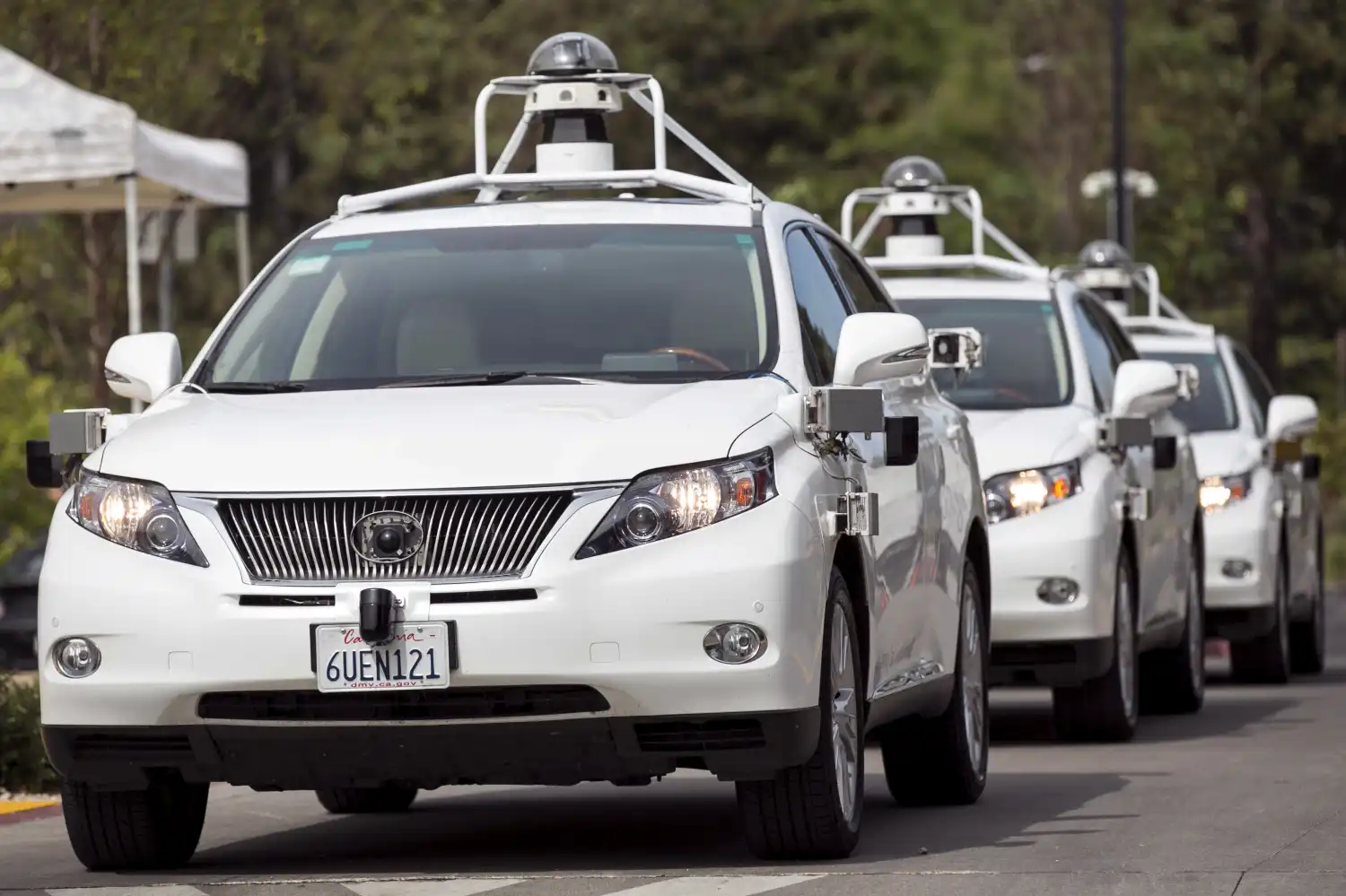
- autonomous cars – more and more popular in the United States,
- public transportation in smart cities – where the frequency of services, and even the routes are tailored to the residents’ needs.
Disruptive technologies in Entertainment
Before the emergence of streaming services like Netflix and Spotify, the only way to watch movies and listen to music was through tangible media like CDs and DVDs. People can now access a vast amount of stuff at any time and from any location thanks to streaming. We can now watch our favorite shows or listen to music on smartphones, tablets, or smart TVs practically anywhere we are thanks to cellphones.
For businesses to remain competitive in the market, they must quickly adjust to disruptive innovations. Utilizing no-code technologies may therefore be essential since they make it possible to develop new solutions far more quickly than with conventional techniques. In this manner, programs can be created overnight without the need for programming knowledge. Up to 80% less time is needed to implement innovative solutions when no coding is used.
You may learn what methods work and apply them in your own business by keeping an eye on your competition and how other businesses are using disruptive technology. Additionally, evaluating your own artificial intelligence-supported business operations will enable you to modify your marketing and product strategies in response to shifting market conditions.
Introducing disruptive technologies also comes with risks, such as:
- Intellectual property protection – companies need to protect their innovations, for example, by filing patents. According to the McKinsey Technology Trends Outlook 2022 report, patent filings related to disruptive technologies increased by 15% in 2020 compared to 2019,
- Risk analysis – it is necessary to assess the potential risks associated with the introduction of new technologies and develop strategies to minimize their impact on businesses. For example, according to a survey by Statista in 2021, 47.5% of respondents considered artificial intelligence and machine learning to be the most influential disruptive technology, which could imply more competition and changes in business models. By the way, it is very interesting what these statistics look like today,
- Information security management – as the volume of personal data processed by businesses continues to grow, ensuring the security and privacy of this information becomes increasingly important.
According to McKinsey, by 2030, approximately 30% of tasks in 60% of all occupations could be automated through the adoption of currently demonstrated technologies. Apart from other concerns, this could pose significant risks of data breaches and threats to information security.
Disruptive Technologies Impact on Traditional Industries
Traditional industries are constantly significantly impacted by the development and use of disruptive business models, which alter not just market dynamics but also how businesses function and generate value. Traditional industries are increasingly being forced to change swiftly, which is causing social and economic realignments.
Market dynamics
Agile, creative start-ups that are not constrained by antiquated technologies or business strategies are posing a threat to established corporations. Like Uber shaking up the taxi sector or Airbnb influencing the hospitality industry, these new entrants can swiftly gain market share, compelling incumbents to rethink their strategy and adapt to the new standard.
As an illustration, consider the German automotive industry, which for a very long time was built to produce intricate internal combustion engines and automobiles. However, agile businesses are now challenging this industry because electric cars are simpler, require fewer suppliers, and, as demonstrated by BYD, can also handle the entire supply chain on their own. The innovator’s problem that once made the industry strong is now a legacy.
Customer expectations
Technology-driven disruptive business models frequently increase affordability, efficiency, and convenience while altering consumer expectations. As demonstrated by companies like Amazon and Netflix, today’s consumers expect smooth, instantaneous, and personalized experiences as standard. It is difficult for traditional sectors to satisfy these higher standards or risk losing clients to more creative rivals. Usually challenging to do, this simplification renders current models useless.
Speed
Today’s IT-driven innovations in particular have become faster. Just 50 years ago, it was not possible to enter a market quickly and efficiently. But with global connectivity, the Internet, digital ecosystems and platforms, companies like Shein can disrupt an entire market in a matter of months.
Operational efficiency
Conventional industries frequently use tried-and-true procedures that might not be as successful or economical as more recent, enhanced (technologically driven) approaches. On-demand and sharing economy models are examples of disruptive company models that leverage technology to maximize resource utilization and lower operating expenses. Traditional businesses are losing their competitive edge as a result of being forced to alter the procedures and expertise they have accumulated over the years.
Summary
Our daily lives have changed significantly as a result of each disruptive technology, impacting how we manage our time or use services. These technologies will keep developing, and their influence on the future of different businesses will only increase.
In summary, disruptive technologies are crucial in determining how company will develop in the future. To face market problems, businesses must be adaptable and work toward ongoing improvement. The ethical implications of breakthroughs, the creation of new jobs, and sustainable development must also be taken into consideration. Remember that disruptive technologies offer enormous opportunities for those who can take use of them in addition to obstacles.









Comments