
 By
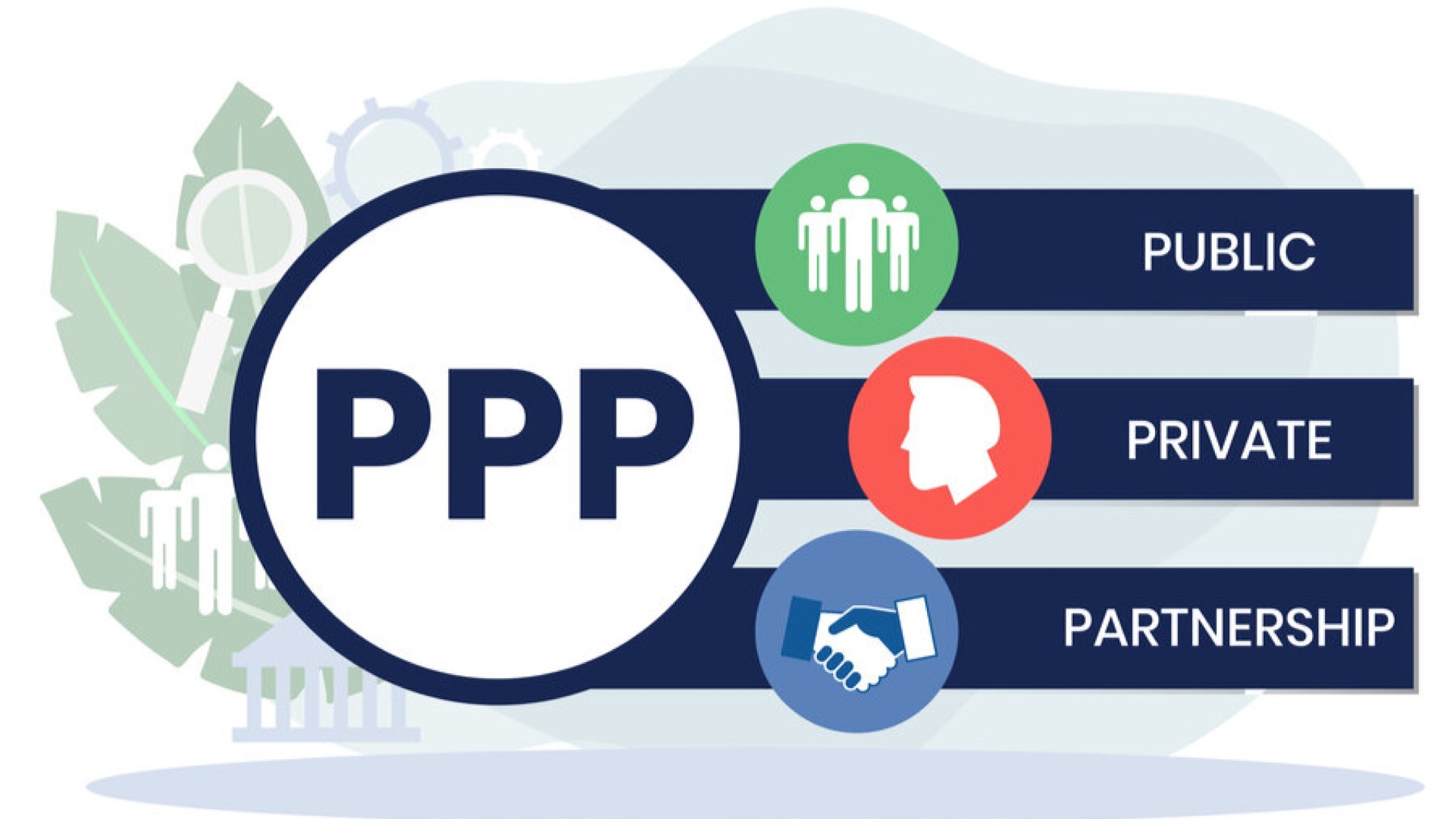
Public-Private Partnerships (PPPs) are revolutionizing project finance by raising private cash for public infrastructure, aligning incentives for efficiency, and shifting risk to the private sector. They provide complementary financing by combining public and private funding sources, and they employ a PPP’s capacity to evaluate initiatives for market appeal to help with project selection. PPPs promote timely and within-budget delivery by linking private operator earnings to performance-based contracts, while also bringing private sector innovation and operational efficiency into public projects.
Public-private partnerships are agreements between a government agency and a private-sector enterprise to finance, build, and run projects such as public transit networks, parks, and convention centers. Financing a project through a public-private partnership can either speed up the completion process or make the project possible in the first place.
Public-private partnerships may involve the transfer of tax or other operating revenue, liability protection, or partial ownership rights over nominally public services and property to private sector, for-profit entities.
A city government, for example, may be severely in debt and unwilling to undertake a capital-intensive building project; nevertheless, a private firm may be willing to pay its development in exchange for obtaining operating profits once the project is completed.
Public-private partnerships often have contract terms of 20 to 30 years or more. The private sector contributes to the financing, but the public sector and/or users must pay throughout the course of the project’s existence.
The private partner participates in designing, completing, implementing, and funding the project, while the public partner focuses on defining and monitoring compliance with the objectives.
Risks are dispersed between public and private partners through a negotiating process, ideally, but not always, based on each’s ability to analyze, control, and manage them.
Although public works and services may be paid for through a fee from the public authority’s income budget, such as hospital projects, concessions may include the ability to direct user payments, as with toll highways.
Payments for services, such as highway shadow tolls, are based on actual usage. When wastewater treatment is involved, payment is made through fees collected from users.
How PPPs Change Project Finance
- Mobilizing Private Capital: PPPs shift the upfront burden of capital expenditure from the government to the private sector, which identifies investors and develops the project’s finance structure.
- Risk Transfer and Alignment: Private operators are incentivized to deliver projects on time and within budget through contracts that link their revenue to pre-agreed performance indicators, thereby aligning the private operator’s interests with the public interest over the project’s lifespan.
- Enhanced Project Selection: By requiring projects to attract private finance, PPPs subject them to the rigorous test of market viability, which can enhance project selection and lead to better outcomes.
- Innovation and Efficiency: PPPs encourage the private sector to bring its technology, management expertise, and innovation to public services, leading to improved operational efficiency and potentially higher quality assets.
- Complementary Financing Sources: PPPs can create additional financing streams by allowing for the combination of public and private debt and equity, making more capital available for infrastructure development than might be possible with public funds alone.
- Long-Term Focus: Private sector involvement in PPPs often includes long-term capital investment and a focus on the entire project lifecycle, from construction to operation and maintenance.
Pros and Cons of Public-Private Partnerships
Pros
Partnerships between private companies and governments benefit both parties. Private-sector technology and innovation, for example, can contribute to increase the operational efficiency of public service delivery.
Read Also: Project Finance Failures: What Went Wrong and How to Avoid Similar Pitfalls
The public sector, for its part, offers incentives to the private sector to complete projects on time and within budget. Furthermore, economic diversification improves the country’s competitiveness by simplifying infrastructure development and strengthening linked construction, equipment, support services, and other industries.
Cons
There are some drawbacks, too. Participating in a public-private cooperation may expose the private party to additional risks. Physical infrastructure, such as roads and railways, entail building hazards. If the product is late, costs more than expected, or has technical flaws, the private partner is usually held responsible.
Furthermore, the private partner suffers availability risk if it is unable to deliver the promised service. A corporation may fail to achieve safety or other applicable quality criteria, such as while operating a prison, hospital, or school.
Demand risk occurs when fewer people than projected use a service or infrastructure, such as toll highways, bridges, or tunnels.
Public-private partnerships pose dangers for the general public and taxpayers. The relationship between private operators and the government may shield them from accountability to public service customers for cutting corners, offering subpar service, or even violating people’s civil or constitutional rights.
At the same time, the private partner may be in a position to raise tolls, charges, and taxes for captive customers who are required by law or regional natural monopoly to pay for their services.
Finally, as with any arrangement in which ownership and decision-making rights are divided, public-private partnerships can result in complex principal-agent issues.
This may encourage corrupt negotiations, payoffs to political cronies, and other rent-seeking activities. This would be accomplished by weakening the link between private parties who make important decisions about a project from which they stand to benefit and accountability to taxpayers who pay at least a portion of the bill and may be held liable in the event of the project’s failure.
Examples of Public-Private Partnerships
Public-private partnerships are common in transportation infrastructure such as highways, airports, railroads, bridges, and tunnels.
Water and wastewater facilities are prime examples of municipal and environmental infrastructure. Schools, jails, student dormitories, and entertainment/sports facilities are examples of public service accommodations.
Infrastructure projects, such as the construction of toll roads and highways, sometimes involve public-private partnerships. One example is Canada’s 407 Express Toll Route (407 ETR). This 67-mile stretch of highway was a public-private partnership (PPP) between the provincial government of Ontario and a private consortium responsible for the highway’s design, construction, financing, and maintenance, with a 99-year lease term during which they are permitted to collect tolls from users of the roadway. However, the government did not guarantee traffic volumes or toll income.
Public-private partnerships can be arranged in several ways. Here are just a few:
- Build Operate Transfer (BOT): A government hands overall construction and operations to a private party for a set number of years (often several decades or more). After that period of time, it is transferred to the government.
- Build Operate Own (BOO): The same as a BOT, but the private entity is not required to ever transfer the project to the government.
- Design-Build (DB): A government contracts with a private party to design and construct a project for a fee. The government retains ownership and may either operate it itself or contract out operations.
- Buy Build Operate (BBO): a government sells a pre-existing project that has already been completed and may have been operated by the government for some time to a private party, who will take it over fully. The private party may need to invest in rehabilitating or expanding the project.
Conclusion
To fund projects, governments form public-private partnerships with private-sector enterprises. While these types of partnerships have both advantages and disadvantages, governments continue to employ them to fund transportation, municipal, and environmental infrastructure, as well as public-service initiatives.


Comments