
 By
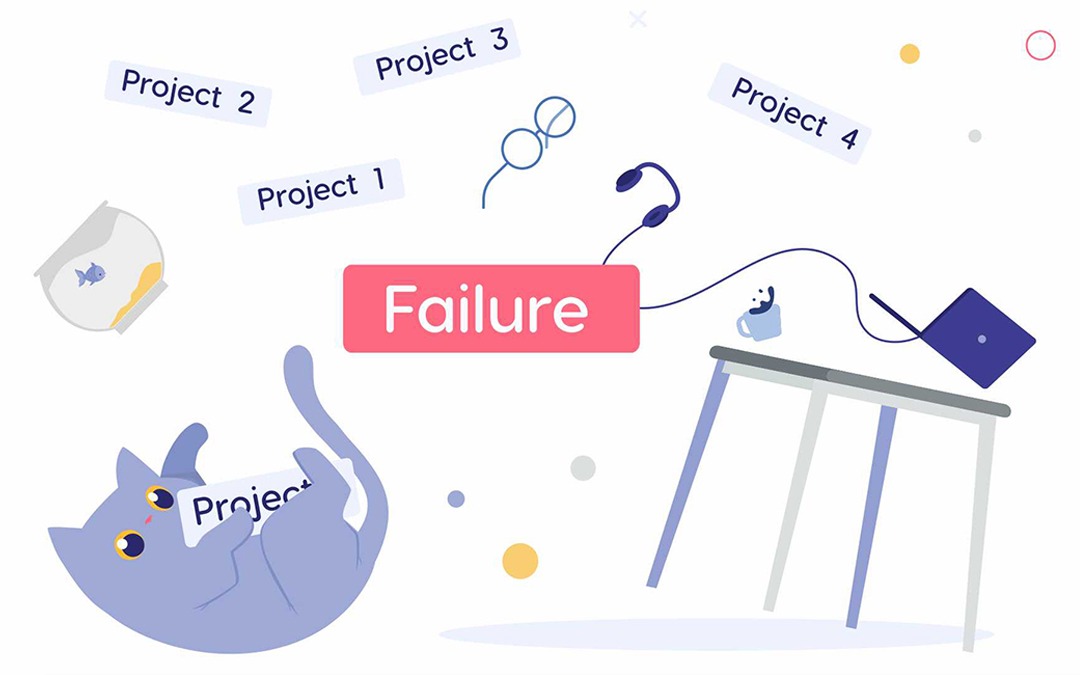
To prevent these dangers, project managers should prioritize careful planning, setting realistic targets, developing strong communication channels, applying effective risk management measures, and being adaptable throughout the project lifetime. Poorly specified scopes, insufficient risk management, cost miscalculation, and poor communication all contribute to project finance failures, resulting in projects that exceed budget and timelines.
A project is considered a failure when it fails to produce what was expected within the agreed-upon budget and timeframe. However, in most circumstances, stakeholders determine whether the project was successful or unsuccessful based on their assessment and satisfaction with the output. Some initiatives are regarded failures if they do not reach the financial prediction or the ROI aim.
There are several reasons, but the good news is that you can overcome each one and make your next project (and the one after that) a success by learning some project management fundamentals.
Here’s a look at some of the causes of project failure and how you can avoid them.
1. Lack of resource planning
We set timelines. We plan meetings. We plan the structure, themes, and interfaces. However, in the midst of all this project planning, we occasionally forget to plan for our resources. It’s a major reason why projects fail. Project management entails managing resources while also considering other projects. Most people understand the importance of financial planning.
Here are a few questions you may want to ask when planning for other resources in your next project:
- What human resources are required? Which people and for how long? Are any of them currently working on another project or could they be called away before my project is completed?
- What facilities are required? Do we have the office space, desks, computers, meeting spaces, and production areas necessary to make this project a success?
- What outside vendors will we rely on? What are their turnaround times and limitations?
- What knowledge resources might we be lacking? Can I bring in an expert or conduct training to build the requisite project management skills for my team?
2. Unclear Goals and Objectives
One way to almost guarantee project failure is to begin work without clear project objectives and goals. After all, there’s no way to know whether you’ve succeeded when you aren’t completely sure what you’re trying to accomplish.
Take a simple example on a personal level. Let’s say you’ve resolved to “get in shape.” What does that mean?
- Do you want to lose a few pounds?
- Build muscle?
- Build endurance?
If you simply start exercising and/or eating better–which we should all be doing if we’re honest–your physical condition will improve, but you won’t truly know if you’ve succeeded. You need well-defined goals. Having unclear goals in your professional life is just as likely to lead to failure.
How to prevent it:
Several popular frameworks for goal setting, such as SMART goals and CLEAR goals are there but the essence is that your goals must be measurable and realistic. Don’t just say you want to “lose weight,” say you want to lose fifteen pounds in the next four months. That’s both measurable and realistic. The projects you manage are more complex than that, which is why it’s even more critical to define your objectives clearly
3. Lack of project visibility
Even if your project is well-planned, a lack of visibility can swiftly lead to disaster. It is critical to have a project management system that allows visibility not only for the project manager but for all team members. Visibility encompasses project transparency of task status, clear communication, and effective document management.
Read Also: Top 5 Project Finance Success Stories and What we Can Learn From Them
How to prevent it:
To prevent this, ensure everyone is aware of the status of each project work. This allows for timely assistance and adjustments. It promotes proactive work and problem solutions. Document management does not need to be complicated. In reality, having a centralized, digital storage location for all project documents makes your job as a project manager easier and increases visibility.
4. Communication gaps
It should go without saying that effective communication is essential in project management. Your team’s communication tools should be explained and implemented from the beginning of your project.
How to Prevent It:
Whether it’s email, text messaging, a chat service, or a combination of these, ensure that everyone on the team understands the expectations and can use the technology you’ve chosen. To bridge these gaps, consider using project management software that includes chat, group meetings, and other features.
Beyond the means of communication, make sure to establish clear expectations and criteria for the types of information that must be delivered.
5. Scope creep
It seems so innocent at first. A simple customer request to add an item here, a brilliant idea to expand a service there, and before you know it, your project scope has outgrown and your team is over-extended. Scope creep happens when either
- the parameters of the project were not well-defined from the outset or
- there’s pressure either internally from the team or externally from customers or bosses to take on tasks that were not part of the original project plan.
How to prevent it:
The problem with scope creep is that it often contributes to project failure. You haven’t budgeted the time or resources necessary to complete the extra tasks, so what might have been a smashing success ends up a frustrating failure.
6. Unrealistic expectations
Unrealistic expectations, masquerading as unwavering optimism, have sabotaged numerous undertakings. As a project manager, you must have a clear vision of what your team can accomplish and within what time range. Once your expectations are in line with reality, you must express them to the consumer, and often to your supervisors.
How to prevent it:
To avoid this issue, set reasonable expectations for all project stakeholders to increase the likelihood of project success.
Bottomline
While the risks of project failure have existed for a long time, technological advancements have provided new remedies. Project management tools can help you avoid project failure by focusing on goals, assisting with resource planning, increasing visibility, and improving communication.
A solid project management software can help you get past the question of why projects fail and focus on completing your projects successfully.


Comments