
 By
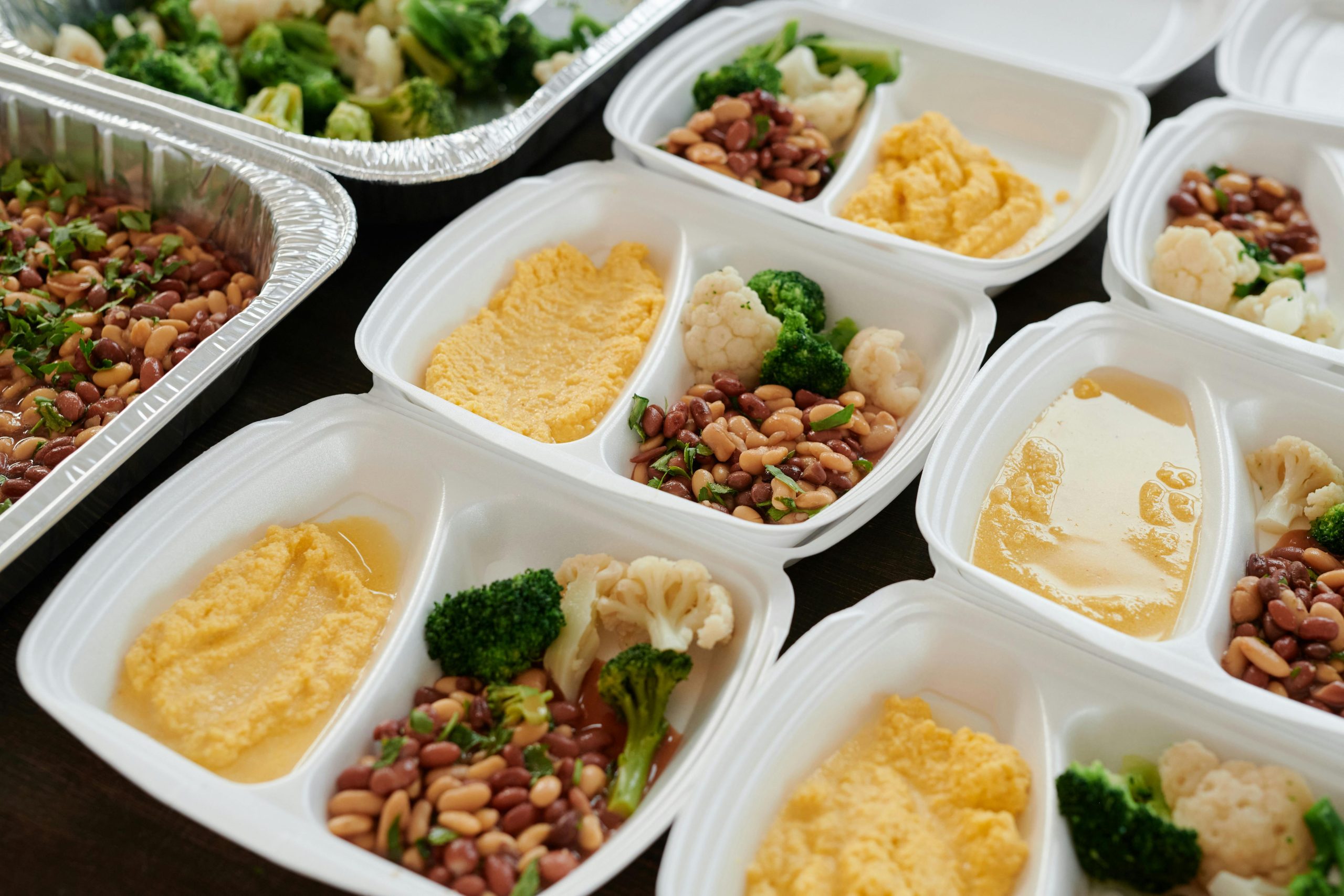
Reducing waste with sustainable food packaging is essential for protecting the environment and minimizing pollution. Traditional packaging materials, such as plastic and Styrofoam, contribute to landfill waste and take years to decompose.
By adopting eco-friendly alternatives like biodegradable, compostable or recyclable materials, businesses and consumers can significantly cut down on waste.
This article explores effective strategies for reducing waste through sustainable food packaging, highlighting innovative materials, practical tips and the benefits of making environmentally responsible choices.
Understanding Sustainable Food Packaging
Sustainable packaging refers to packaging solutions that have a minimal environmental impact throughout their lifecycle. This includes using materials and processes that reduce waste, conserve resources and minimize carbon emissions, while still effectively protecting and preserving the packaged goods.
The goal of sustainable packaging is to create a closed-loop system where materials can be reused or recycled, limiting the need for new raw materials and reducing environmental harm.
Key Features of Sustainable Food Packaging
Sustainable food packaging is characterized by several key features that make it environmentally friendly. These include:
- Biodegradability: The packaging breaks down naturally in the environment without leaving harmful residues.
- Compostability: When discarded, the materials decompose into nutrient-rich compost within a specific time frame under suitable conditions.
- Recyclability: The materials can be reprocessed into new products, reducing the need for virgin resources.
- Resource Efficiency: The packaging is designed to use minimal materials, ensuring greater efficiency in production and transportation.
- Non-toxicity: Sustainable packaging is free from harmful chemicals that could leach into food or the environment.
Materials Used in Sustainable Food Packaging
A variety of innovative materials are used in sustainable food packaging efforts, including:
- Plant-based plastics (bioplastics): Derived from renewable sources such as corn starch or sugarcane, these materials provide a more eco-friendly alternative to conventional plastics.
- Paper and cardboard: Sourced from sustainable forestry, these materials are recyclable, biodegradable and widely used in food packaging.
- Compostable films: Made from materials like polylactic acid (PLA) or cellulose, these films are suitable for replacing conventional plastic wraps.
- Edible packaging: An emerging material trend where packaging itself can be consumed, made from items like seaweed or rice paper.
- Glass and stainless steel: Durable and reusable materials that are excellent for long-term food storage with no toxic byproducts.
By incorporating these materials into packaging designs, businesses can contribute to a more sustainable future while meeting consumer demands for environmentally responsible products.
How to Reduce Waste with Sustainable Food Packaging?
While businesses play a significant role in implementing sustainable packaging, consumers also have a crucial part to play in reducing waste.
Here are some practical ways for individuals and businesses to reduce waste with sustainable food packaging:
- Choose Eco Friendly Materials: The first step in reducing waste with sustainable food packaging is to opt for materials that have minimal environmental impact.
This includes biodegradable or compostable options like plant-based plastics, paper and cardboard, compostable films and edible packaging.
- Use Resource Efficient Designs: Packaging designs that use fewer materials while still effectively protecting the product are crucial for reducing waste. This not only helps conserve resources but also reduces transportation costs and emissions.
- Optimize Package Sizes: In most cases, over-packaging leads to unnecessary waste.
Businesses can reduce this by optimizing package sizes and using materials efficiently, resulting in less material consumption and lower production costs.
- Promote Reusability: Encouraging customers to reuse packaging or offering refillable options can significantly reduce waste from single-use packaging.
- Implement Closed-Loop Systems: Businesses can work towards creating a closed-loop system where packaging materials are reused or recycled, limiting the need for new raw materials and reducing environmental harm.
- Partner with Sustainable Suppliers: Businesses can collaborate with suppliers like Tray Crafters, a custom food packaging company that manufactures eco-friendly, 100% recyclable paper food trays designed for catering needs.
By working with companies that prioritize sustainability, such as providing responsibly sourced packaging for restaurants, food trucks and event marketing, businesses can ensure their supply chain supports environmentally friendly practices.
- Educate and Engage Consumers: Raising awareness about sustainable packaging and proper disposal methods can empower consumers to make environmentally conscious decisions. Businesses can include sustainability messaging on their products and implement programs like reusable container incentives.
By adopting these strategies, businesses and individuals can significantly reduce waste with sustainable food packaging, contributing to a more environmentally responsible future.
Strategies to Reduce Waste with Sustainable Packaging
In addition to implementing sustainable packaging practices, there are other strategies businesses can adopt to reduce waste and promote sustainability in their operations. These include:
- Source Locally: Sourcing materials and products locally helps reduce transportation emissions and supports the local economy.
- Use Renewable Energy: Switching to renewable energy sources like solar or wind power reduces carbon emissions from manufacturing processes.
- Reduce Food Waste: Proper inventory management, food preservation techniques and donation programs can significantly reduce food waste in the supply chain.
- Implement Recycling Programs: Setting up recycling programs within the workplace can help ensure that reusable materials are properly disposed of and recycled.
- Engage in Community Clean-up Efforts: Partnering with local organizations or participating in community clean-up events can help reduce waste and promote environmental awareness.
- Invest in Sustainable Infrastructure: Businesses can invest in infrastructure such as composting facilities, to properly dispose of biodegradable packaging materials and turn them into valuable resources.
By adopting these strategies, businesses can make a significant impact on reducing waste and promoting sustainability. Together, we can work towards creating a more environmentally responsible future for generations to come.
Tips for Implementing Sustainable Food Packaging
To effectively implement sustainable food packaging, businesses should consider the following tips:
- Conduct a Sustainability Audit: Before making any changes, it is essential to assess current packaging practices and identify areas for improvement.
- Collaborate with Suppliers: Work closely with suppliers to source materials that align with sustainability goals and ensure consistency in supply.
- Invest in Research and Development: Technology and innovation play a crucial role in creating sustainable packaging solutions. Investing in research and development can lead to breakthroughs in eco-friendly materials and designs.
- Set Measurable Goals: Establish measurable targets to track progress towards sustainability objectives and hold all stakeholders accountable for meeting them.
- Educate and Train Employees: Proper training and education on sustainable packaging practices are vital for successful implementation. This includes understanding how to responsibly dispose of and recycle materials.
- Communicate with Customers: Include sustainability messaging on product packaging or marketing materials to educate consumers about the importance of sustainable packaging.
- Continuously Review and Improve: Sustainable food packaging is an ongoing process, so it’s essential to continuously review and improve processes and materials to stay in line with industry advancements.
By following these tips, businesses can effectively implement sustainable food packaging practices that benefit both the environment and their bottom line.
Benefits of Sustainable Food Packaging
Choosing sustainable food packaging not only has a positive impact on the environment but also offers several benefits for businesses and consumers alike:
- Reduced Waste and Pollution: By choosing sustainable food packaging options, businesses can significantly reduce waste and minimize pollution levels, contributing to a cleaner environment.
- Lower Carbon Footprint: Adopting sustainable packaging practices also helps in reducing carbon emissions due to resource-efficient designs, use of renewable materials and minimizing transportation costs.
- Cost Savings: In the long run, businesses can save on production and transportation costs by using minimal materials and optimizing package sizes with sustainable food packaging.
- Meeting Consumer Demands: Consumers are becoming increasingly conscious of their impact on the environment and expect businesses to prioritize sustainability in their operations. Using eco-friendly packaging can help businesses meet this demand and improve brand perception.
- Supporting Local Economies: Sustainable packaging materials are often sourced from local suppliers, supporting local economies and reducing the environmental impact of transportation.
- Better Product Protection: Sustainable food packaging options are designed to effectively protect products while also using fewer resources, ensuring that the product remains fresh and intact during transportation.
- Encouraging Innovation: The need for sustainable packaging has led to advancements in technology, resulting in innovative solutions such as edible packaging, compostable films and more.
In addition to these benefits, choosing sustainable food packaging is also an important step towards creating a circular economy where resources are used efficiently and waste is minimized.
Challenges and Solutions in Adopting Sustainable Packaging
While the benefits of sustainable food packaging are clear, there are also challenges that businesses may face when trying to adopt these practices. Some common challenges include:
- Higher Costs: Sustainable materials and packaging processes can be more expensive than traditional options, making it difficult for small businesses with limited budgets to implement.
- Limited Material Availability: Not all sustainable materials may be readily available in certain regions, making it challenging for businesses to source these options locally.
- Consumer Resistance: Some consumers may not be familiar with sustainable packaging or may perceive it as less convenient, leading to resistance towards adopting new packaging methods.
- Technical Limitations: In some cases, sustainable materials may not have the same properties as traditional packaging, requiring businesses to adapt their processes and machinery.
To overcome these challenges, businesses can consider implementing the following solutions:
- Collaboration: Businesses can work together with suppliers and other stakeholders to negotiate for better pricing on sustainable materials.
- Investment in Infrastructure: Governments can invest in infrastructure for recycling and composting facilities to increase the availability of sustainable materials.
- Consumer Education: Businesses can educate consumers about the benefits of sustainable packaging and how it aligns with their values, encouraging them to make more conscious purchasing decisions.
- Innovation: Companies can invest in research and development to find cost-effective ways of incorporating sustainable materials into their packaging processes.
Overall, with the support of government regulations and solutions to overcome challenges, businesses can successfully adopt sustainable packaging practices and contribute to a more circular economy.
FAQs
Why is reducing waste in food packaging important?
Food packaging waste contributes significantly to the overall amount of landfill waste, which has negative impacts on the environment and human health. Reducing waste through sustainable packaging practices can help minimize these impacts.
How can businesses ensure that their sustainable food packaging is effective?
Businesses should conduct thorough research and consult experts in the field to ensure that their sustainable food packaging options are effective in protecting products while also being environmentally friendly.
What role do governments play in promoting sustainable food packaging?
Governments can implement regulations and invest in infrastructure to support the use of sustainable materials and processes for food packaging.
They can also provide incentives for businesses to adopt more eco-friendly practices. Overall, government support is crucial for driving widespread adoption of sustainable packaging practices.
What are innovative sustainable food packaging options that businesses can consider?
Some innovative sustainable food packaging options include biodegradable plastic alternatives such as plant-based PLA, compostable films made from renewable materials like corn starch and even edible packaging made from natural ingredients like seaweed.
These alternatives are not only environmentally friendly but also provide unique and creative solutions for packaging products.
Conclusion
Sustainable food packaging is a vital step for businesses aiming to reduce their environmental impact while meeting the rising consumer demand for eco-friendly products.
By incorporating solutions like using paper food trays, businesses can take a significant stride towards sustainability. Companies like Tray Crafters specialize in manufacturing custom, eco-friendly and 100% recyclable catering food trays.
These innovations not only help reduce waste and pollution but also promote cost savings, foster consumer loyalty and encourage creative packaging solutions. With businesses having access to sustainable options like those offered by Tray Crafters, it’s now easier than ever to adopt environmentally responsible practices.









Comments